Tuesday, 30 January 2024

The Many Changing Meanings of "Snowflake"

In the early 1860s, the term "Snowflake" was used in Missouri to refer to a person who was opposed to the abolition of slavery. The so-called Snowflakes hoped that the civil war would not put an end to slavery and were contrasted with two other groups, the Claybanks (who wanted a gradual transition out of slavery) and the Charcoals (who demanded immediate emancipation for Black people). 

In the 1970s, snowflake became "a disparaging term for a white man or for a black man who was seen as acting white".

Chuck Palahniuk used the expression in his book "Fight Club" published in 1996 in a different context. A member of an anti-consumerist project tells another member: "You are not a beautiful and unique snowflake. You are the same decaying organic matter as everyone, and we are all part of the same compost pile." In its 1999 movie adaptation, the line goes like this:

Listen up, maggots. You are not special. You are not the beautiful or unique snowflake. You are the same decaying organic matter as everything else. We are the all-singing, all-dancing crap of the world. We are all part of the same compost heap.

Palahniuk was probably not the first person to use this metaphor, of each of us being a unique snowflake, uniquely beautiful and each worth treasuring (via). Now snowflake is a slang term for a young person (the generation that became adults in or after the 2010s) with "an inflated sense of uniqueness", a rather extreme sense of entitlement and who is easily offended and shows little resilience. Snowflake became "the defining insult" in 2016 (via and via).

- - - - - - - -
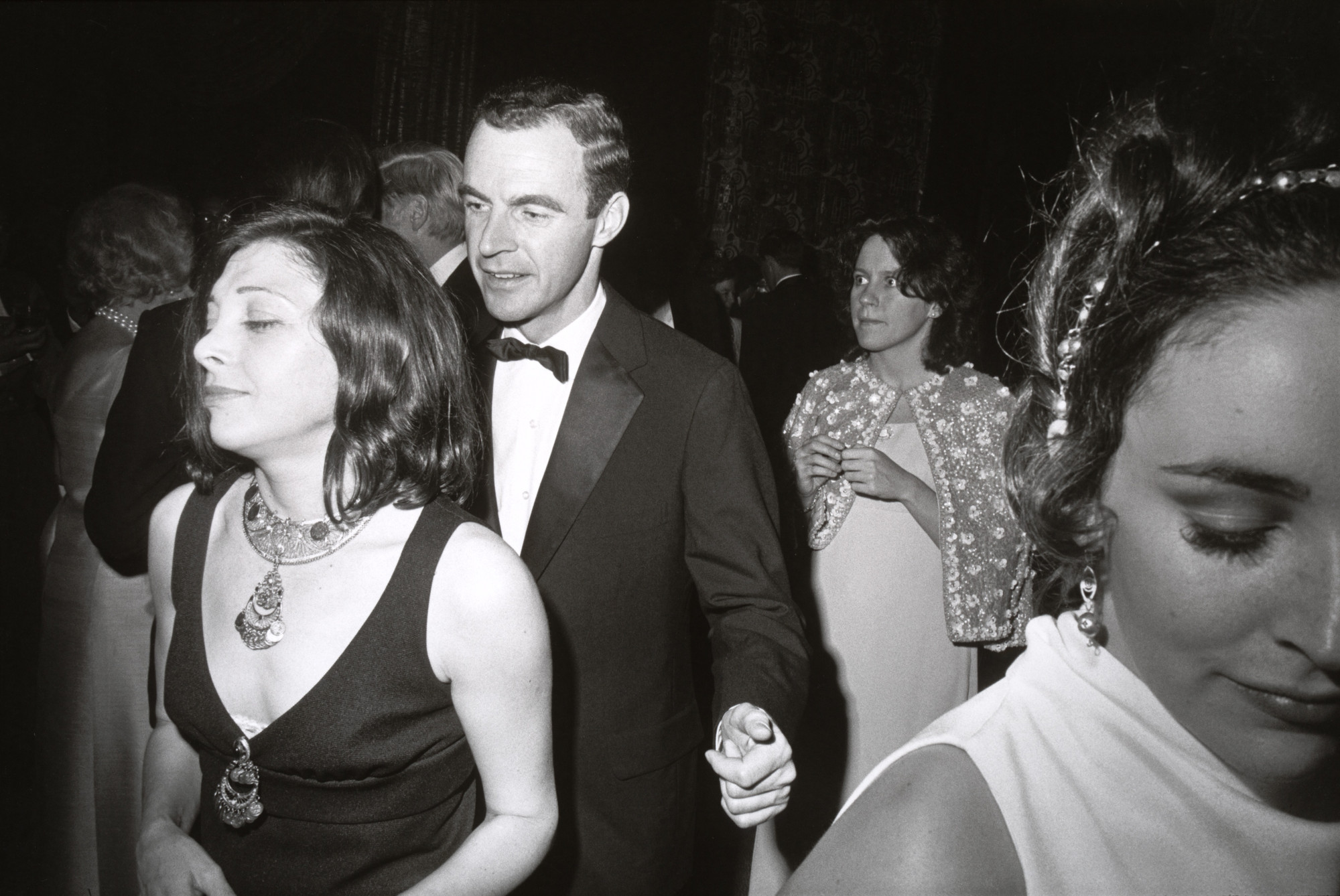
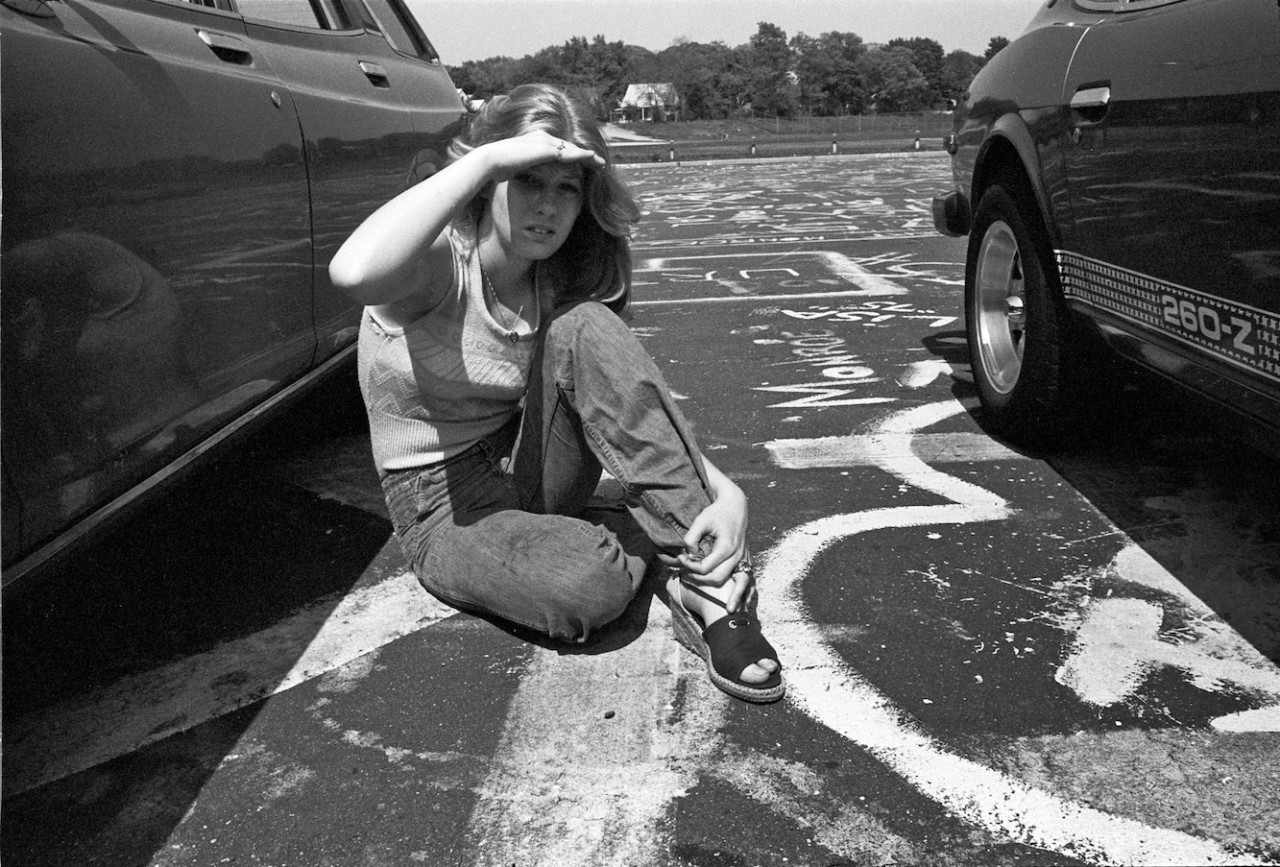
photograph by Garry Winogrand via

Monday, 29 January 2024

Every second person in the world ...

"Every second person in the world is believed to hold ageist attitudes."


photograph by Garry Winogrand via

Monday, 15 January 2024

The Rise of Neoliberal Feminism

Abstract: Through an in-depth analysis of bestselling “how-to-succeed” books along with popular television shows and well-trafficked “mommy” blogs, The Rise of Neoliberal Feminism demonstrates how the notion of a happy work-family balance has not only been incorporated into the popular imagination as a progressive feminist ideal but also lies at the heart of a new variant of feminism. Embraced by high-powered women, from Facebook executive Sheryl Sandberg to Ivanka Trump, this variant of feminism abandons key terms, such as equal rights and liberation, advocating, instead, for a life of balance and happiness. 


What we are ultimately witnessing, Catherine Rottenberg argues, is the emergence of a neoliberal feminism that abandons the struggle to undo the unjust gendered distribution of labor and that helps to ensure that all responsibility for reproduction and care work falls squarely on the shoulders of individual women. Moreover, this increasingly dominant form of feminism simultaneously splits women into two distinct groups: worthy capital-enhancing women and the “unworthy” disposable female “other” who performs much of the domestic and care work. This split, not surprisingly, transpires along racial, class, and citizen-immigrant lines. The Rise of Neoliberal Feminism thus underscores the ways in which neoliberal feminism forsakes the vast majority of women, while it facilitates new and intensified forms of racialized and class-stratified gender exploitation. Given our frightening neoliberal reality, the monumental challenge, then, is how we can successfully reorient and reclaim feminism as a social justice movement. (Rottenberg, 2018)

- - - - - - - - - - - -
- Rottenberg, C. A. (2018). The Rise of Neoliberal Feminism; link
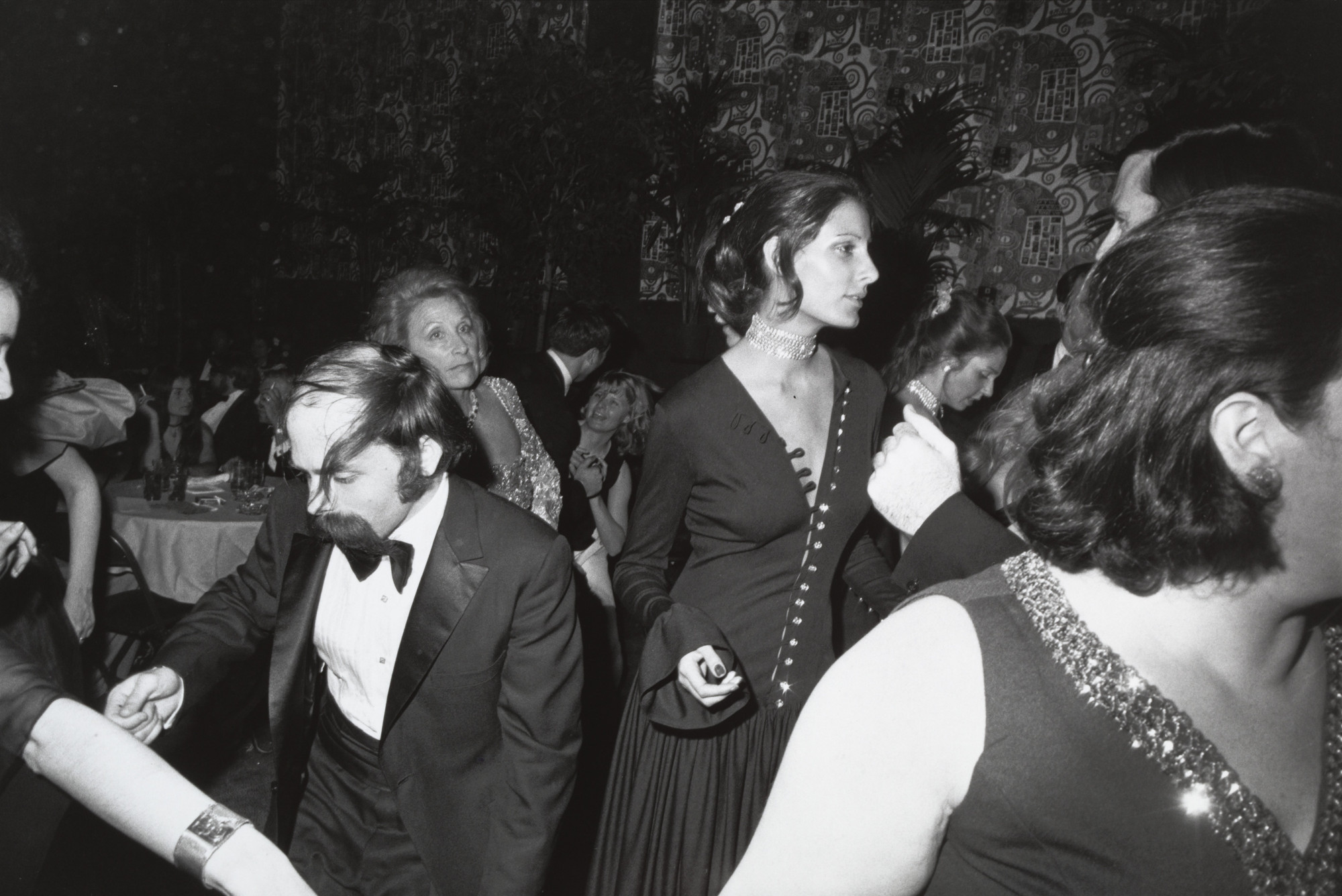
- photograph by Garry Winogrand (Beverly Hills, 1979) via

Sunday, 31 December 2023

Party like there's no tomorrow ...

... but hopefully there will be many tomorrows and a future everybody can look forward to: old and young, no matter what class or financial status, no matter how able-bodied, what skin tone, gender, religion, no matter who they love... Wishing you all the best for 2024!

photograph via

Saturday, 30 December 2023

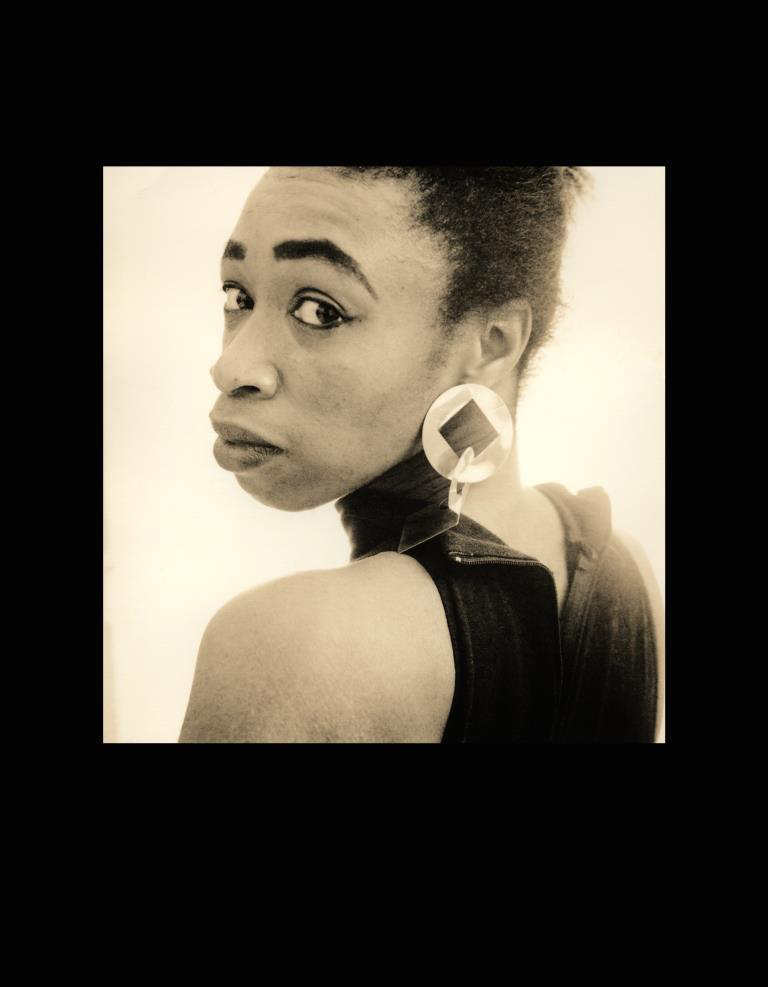
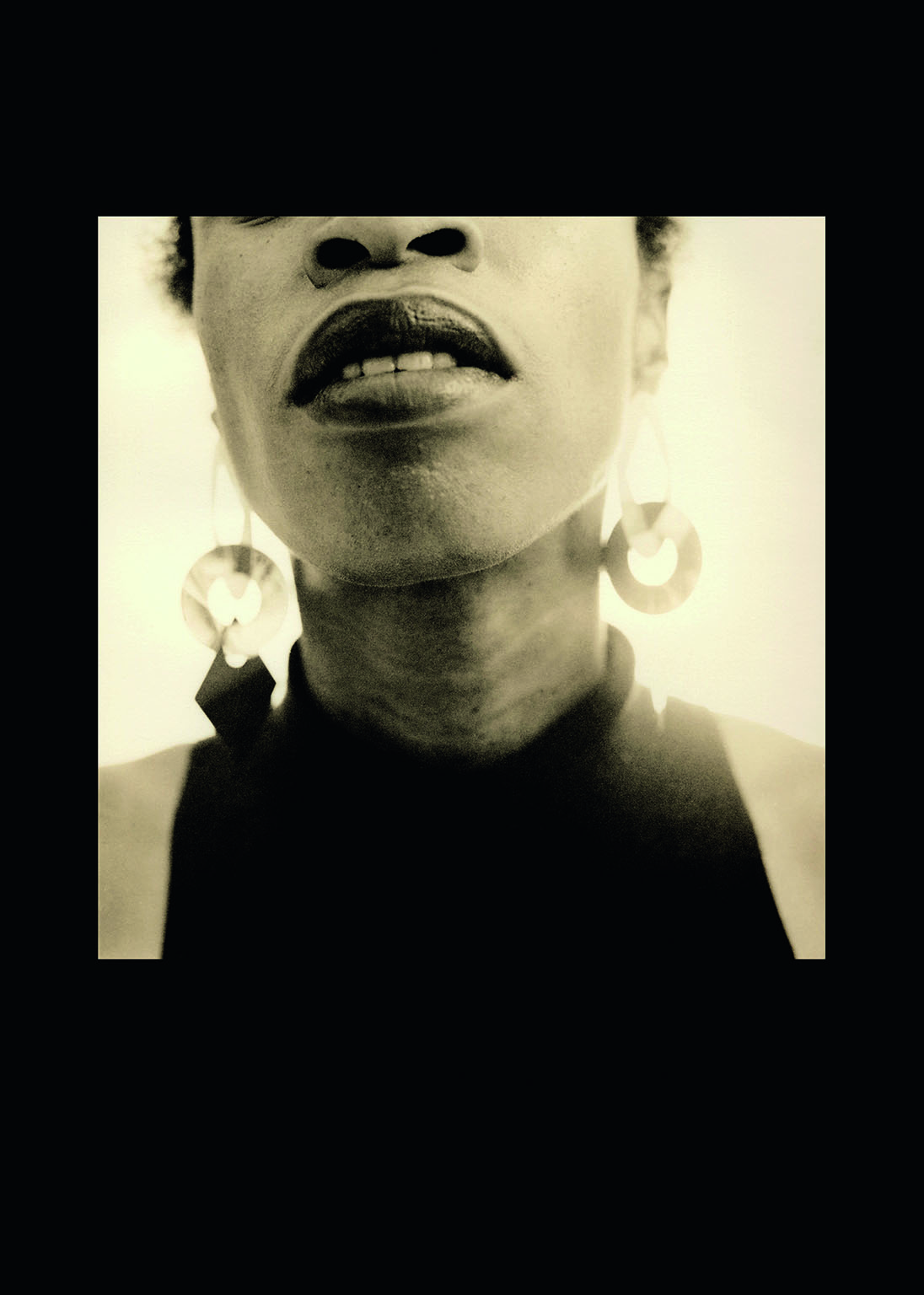
Autoportraits. By Joy Gregory.

Joy Gregory is a British artist whose series "Autoportraits 1989-1990" consists of nine multiple selves. The series is a response to the lack of visibility of Black women in  the British fashion industry, a lack she noticed when she was a teenager (Sealy 2005:203f).

Aged 13, she started consuming so-called women's magazines which showed how life was to be lived. Gregory dreamt of seeing someone like herself in these magazines and became more and more disappointed since there were hardly Black women shown (Impressions Gallery, n.d.).

As a subject, Gregory occupies different locations within the actual photographic frame; it is as if she is physically and temporally moving through the laboured positionality of the camera’s long, historical, racist resting place. It is an act stating that she refuses to be fixed as a subject. Gregory slides across the frame, entering it and presenting to it however she so chooses. The making of the self-portrait here is a mark of control across the actual exposure and focal length of the photographic moment. It is also a moment that marks for Gregory the end of absence and pacificity. This is done in what appears to be a double act of playfulness and challenge. Nothing in this work is stable. The reading is uncertain because it is Gregory who caresses and controls the camera and the moments of release and capture. She is simultaneously in your face while covering hers. Her eyes, lips, ears, hair and hands, which in one of the frames cover her face, all play a central role in the abstracted notion of the multiple framed selves that she presents to the camera. Within this sequence of images it is as much the object of the camera as a mechanism for recording that comes under scrutiny as the subject that is positioned in front of its lens. The subtle interchange between the subject as photographer and camera as recorder becomes confused for the reader because the work performed by these images leads ultimately to subvert the traditional role that the black woman plays within photography. As representations these images become markers of the individual survival strategies employed by the photographer to disrupt the indexicality of the photographic medium. The subject in this ‘Autoportrait’ series wilfully refuses in an unruly but playful manner to behave in front of the cameras lens. What is ruptured formally here is the unspoken conservative code that demands the visual comfort of centrality of the subject when presented in front of the camera. At work within this photography is the breaking of the orthodoxies of anthropology and fashion photography. In the making of a single portrait through a series of nine fragmented works, all the traditional rules of photography portraiture are subverted. Therefore, as photographs they are a politically and culturally defiant act; they place the questions of gender and race centre stage in the contested field of representational politics in the 1990s. They break with tradition as nothing of what is presented within the sequence of images offers the reader the chance to settle on the idea of a definitive black woman. Within the process of unsettling the viewer, it is the viewer’s subject position that is ‘under threat’ (Burgin 1982, p.150). This photographic work invites the viewer to consider and deconstruct the actual act of seeing the black woman. (Sealy 2005:203f)


- Impressions Gallery (n.d.). Joy Gregory. Lost languages and other voices. Exhibition Guide, online.
- Sealy, M. A. (2005). Decolonizing the Camera: Photography in Racial Time. Thesis, Durham University.
- photographs by Joy Gregory via and via and via

Wednesday, 27 December 2023

"The freedom is being able to produce whatever you like."

"I remember when I was a student I was invited to participate in an exhibition which was about ‘Black art’. I sent my pictures in and they sent them back because they weren’t ‘Black enough’. They were interiors, because at that time that’s what I did – made pictures of interiors and still lifes. I was confused. I think, because of having grown up outside the metropolis, I wasn’t aware that my work needed to look or be a certain way. For me, it was really interesting because by building those walls around what you should and shouldn’t be, you’re doing exactly what people have decided you should be. The freedom is being able to produce whatever you like."


photograph by Joy Gregory from her series "Autoportraits" via

Tuesday, 26 December 2023

Trends in Loneliness Among Older Adults from 2018-2023

In January 2023, the University of Michigan National Poll on Healthy Aging carried out a survey asking US-Americans aged fifty to eighty questions about loneliness. One in three adults (34%) reported feeling isolated from others, a greater proportion than the 27% in 2018. Among older adults the percentage was higher (37% compared to 34% in 2018). 

One in three older adults (33%) reported infrequent contact with people from outside their home (14% once a week, 10% every two to three weeks, 9% once a month or less). The feeling of isolation was much more common for those who reported fair or poor mental health (77% vs. 29% of those reporting good mental health). They were also more likely to report feeling a lack of companionship (73% of those with poor mental health vs 33% of those with better mental health). Lack of companionship was also more of an issue among people who were unemployed, lived alone or had an annual household income less than 60,000 dollars. Chronic loneliness can have a negative impact on mental and physical health, and on life expectancy (via).

- Malani P, Singer D, Kirch M, Solway E, Roberts S, Smith E, Hutchens L, Kullgren J. Trends in Loneliness Among Older Adults from 2018-2023. University of Michigan National Poll on Healthy Aging. March 2023. Available at: https://dx.doi.org/10.7302/7011
- photographs by Garry Winogrand via and via

Monday, 25 December 2023

Empathy trumps prejudice: The longitudinal relation between empathy and anti-immigrant attitudes in adolescence

Abstract: Although research has shown the effects of empathy manipulations on prejudice, little is known about the long-term relation between empathy and prejudice development, the direction of effects, and the relative effects of cognitive and affective aspects of empathy. Moreover, research has not examined within-person processes; hence, its practical implications are unclear. In addition, longitudinal research on development of prejudice and empathy in adolescence is still scarce. 

This 3-wave study of adolescents (N = 574) examined a longitudinal, within-person relation between empathy and anti-immigrant attitudes. The "standard" cross-lagged model showed bidirectional effects between empathic concern, perspective taking, and anti-immigrant attitudes. In contrast, the Random-Intercept Cross-Lagged Panel Model showed that only perspective taking directly predicted within-person changes in anti-immigrant attitudes. Empathic concern predicted within-person changes in anti-immigrant attitudes indirectly, via its effects on perspective taking. No effects of anti-immigrant attitudes on within-person changes in empathy were found. The relations between empathic concern, perspective taking, and anti-immigrant attitudes were significant at the between-person level. In addition, the results showed changes in anti-immigrant attitudes and perspective taking and a change in empathic concern in mid- but not late adolescence. The results provide strong evidence for the effects of perspective taking on development of anti-immigrant attitudes in adolescence. They also suggest that the link between empathic concern and adolescents' anti-immigrant attitudes can be explained by indirect, within-person effects and by between-person differences. The findings suggest that programs aimed at reducing anti-immigrant attitudes in adolescence should work more closely with youth perspective taking and empathic concern. (Miklikowska, 2018)

- - - - - - - - - - -

- Miklikowska, M. (2018). Empathy trumps prejudice: The longitudinal relation between empathy and anti-immigrant attitudes in adolescence. Developmental Psychology, 54(4), 703-717.
- photograph by Joseph Szabo via

Sunday, 24 December 2023

The Hardest Day of the Year

2.3 million older people in the United Kingdom wish they had someone to spend time with at Christmas. For 1.6 million people, Christmas is the hardest day of the year. According to Age UK, 1.3 million people will feel lonely this Christmas (via).

photograph via

Saturday, 23 December 2023

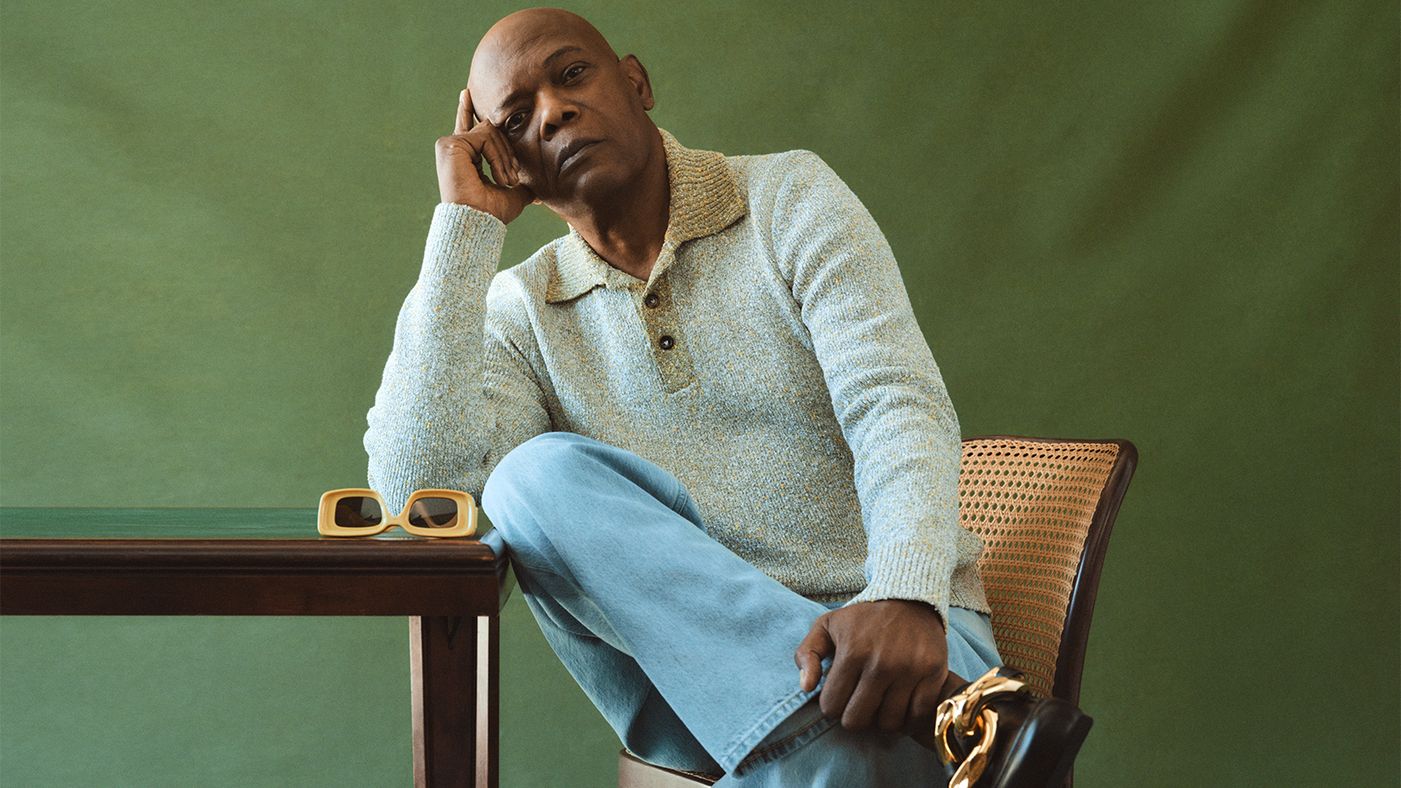
Quoting Samuel L. Jackson

“When I grew up in segregation, I knew which white people didn’t want to be bothered with me, and I knew how they felt about me. When I see Trump, I see the same rednecks I saw when I was growing up … [who] tried to keep me in my place.” 
Samuel L. Jackson

The world seems to be in as hard a place as it’s always been. As a child of the ’60s, watching what happened at the 1968 Democratic Convention, and seeing the police beating those demonstrators — and those were young white kids — I learned there’s a certain kind of thing that the powers that be don’t want us doing. One of them is protesting what they think they want us to do. So when George Floyd happened, it was great to see all the different faces of kids out there fighting the injustice and what the power was doing once again to keep you from having an open mind or keep you from creating change that is not the change they want made. That part has not changed. In my opinion, it’s kind of worse. They used to hide it. Now, they don’t hide it anymore!”
Samuel L. Jackson

- - - - - - - - -
photograph via