
 Age |
 Disability |
 Ethnicity |
 Queer |
 Religion |
 Gender |
 Stereotypes |
 -isms |
 Quotes |
 World days |
 Music |
 Space |
 Sports |
 Health |
 Marketing |
 Urban planning |
 Narrative images |
 Birthday |
 Language |
 Segregation |
 School |
Saturday, 9 November 2024
9 November 1938


Saturday, 8 June 2024
World Oceans Day & Environmental Injustice in the Anthropocene Ocean
In the 1980s, the concept of environmental justice emerged in the United States recognising the disproportional distribution of environmental pollution and hazardous waste with Black communities and socio-economically disadvantaged populations experiencing more environmental burdens and having less access to benefits. Comparably little attention has, so far, been paid to environmental justice issues in connection with marine and coastal environments. Here, too, impacts are "unequally distributed geographically and produce socially differentiated impacts across racial, ethnic, gender, age and socio-economic groups". One of the reasons why marginalised groups experience worse impacts is that they are often inadequately considered and mostly excluded from the deciscion-making process (Bennett et al., 2022).

These colonial and racist acts fail to recognize ancestral ocean ownership and tenure rights, inclusion of marginalized communities in decisions, respect for human rights, and consideration of social and health impacts in the formulation of pollution prevention approaches. (Bennett et al., 2022)
Bennett et al. (2022) discuss five key hazards in the marine and coastal environment affecting some communities and populations more than others: (1) pollution and toxic waste, (2) plastics and marine debris, (3) climate change, (4) ecosystem, biodiversity and ecosystem service degradation, and (5) fisheries declines.
Liboiron (2021) challenges us to think about plastics as a form of colonialism enabled by global capitalist expansion. The amount of plastic waste generated per capita by individuals in many low- and middle-income countries is substantially less than individuals from high-income countries (Euromap, 2016; UNEP, 2021a). Fifteen countries account for 73.9% of the plastic waste that is exported, 11 of these countries are from the OECD (Pedra & Gonçalves, 2020). However, many Low- and Middle-Income Countries are unable to adequately manage their own plastic waste let alone the burgeoning amount of plastic waste shipped from High-Income Countries (Ritchie & Roser, 2018). The UN Special Rapporteur on Toxics underscored how this issue compounds due to the lack of adequate reception and processing facilities in lower income countries (Orellana, 2021). When combined with local gaps in waste management, this leads to substantially greater land-based inputs of plastics into the ocean with associated increases in environmental and societal impacts for populations in lower income countries (Pedra & Gonçalves, 2020; UNEP, 2021b, 2021a). (Bennett et al., 2022)
Some interesting excerpts:
emerged in the 1980s in the United States from concerns about the disproportionate burdens of pollution that were being placed on and experienced by Black communities and socio economically disadvantaged populations (Bullard, 1994; Cutter, 1995). Environmental justice research demonstrated that polluting infrastructure, such as oil refineries, mining and factories, as well as air pollution emissions and toxic waste disposal sites, were often situated near Black, Indigenous, and Latino communities (Bullard, 2018; Walker, 2012). Such environmental discrimination and racism was shown to be producing numerous negative health effects and wellbeing outcomes for these populations (Brulle & Pellow, 2006). The field of environmental justice has since grown globally and expanded to focus on a broader set of environmental hazards and harms, including climate change, biodiversity and habitat loss, and declines in ecosystem services (Boyd, 2022; Chaudhary et al., 2018; Mutz et al., 2002; Sikor, 2013; Sze & London, 2008; Tsosie, 2007). Environmental justice has also come to refer broadly to both the distribution of environmental burdens and access to benefits, as well as the recognition, meaningful involvement and fair treatment of people in environmental decision making and legal frameworks emerged in the 1980s in the United States from concerns about the disproportionate burdens of pollution that were being placed on and experienced by Black communities and socioeconomically disadvantaged populations (Bullard, 1994; Cutter, 1995). Environmental justice research demonstrated that polluting infrastructure, such as oil refineries, mining and factories, as well as air pollution emissions and toxic waste disposal sites, were often transform-situated near Black, Indigenous, and Latino communities (Bullard, 2018; Walker, 2012). Such environmental discrimination and racism was shown to be producing numerous negative health effects and wellbeing outcomes for these populations (Brulle & Pellow, 2006). The field of environmental justice has since grown globally and expanded to focus on a broader set of environmental hazards and harms, including climate change, biodiversity and habitat loss, and declines in (Boyd, 2022; Chaudhary et al., 2018; Mutz et al., 2002; Sikor, 2013; Sze & London, 2008; Tsosie, 2007). Environmental justice has also come to refer broadly to both the distribution of environmental burdens and access to benefits, as well as the recognition, meaningful involvement and fair treatment of people in environmental decision making and legal frameworks. Historically marginalized groups, groups that rely on subsistence harvesting or small-scale fisheries, and low-income nations tend to be disproportionately exposed to and impacted by increasing chemical and biological contamination in the ocean (Landrigan et al., 2018; Liboiron, 2021), a problem which perpetuates and exacerbates pre-existing inequalities. For example, the worst social-environmental impacts and public health effects of pollution are often experienced and absorbed by Indigenous people, people of color, and women (Landrigan et al., 2018; Liboiron, 2021). Inuit women from the Arctic are still among the most contaminated humans with POPs such as PCB and PFAS, while struggling for food safety and security and being affected by underlying health risks due to chronic and emerging diseases such as breast cancer and endocrine disruption in the face of climate change (AMAP, 2021; Ghisari et al., 2014; Wielsøe et al., 2017). Indigenous populations and small-scale fishers who consume high amounts of fish or mammals are exposed to the effects of methylmercury on their health (Donatuto et al., 2011; Probyn, 2018). Afro-American communities, who have tolerated the burden of colonialism and impacts of top-down government policies for generations, have been disproportionately impacted by offshore oil and gas exploitation in coastal Louisiana where they have faced persistent industrial hazards from the myriad of old pipeline infrastructure that impair coastal marshes and produce health and livelihood impacts (Maldonado, 2018; Randolph, 2021). The golbal nature of the disposal of pollution and other wastes in the ocean reveals patterns of environmental racism, with the dumping of wastes and the breaking of ships often occurring in the lower income countries in Africa and Asia (Frey, 2015; Okafor-Yarwood & Adewumi, 2020; Wan et al., 2021). Oil exploration and exploitation also tends to be more polluting in lower income countries - such as Ecuador, Nigeria or Nicaragua - where corporations take advantage of governance gaps (Alava & Calle, 2013; Allen, 2011; Andrews et al., 2021; Arif, 2019; O’Rourke & Connolly, 2003). (Bennett et al., 2022)
Wednesday, 29 June 2022
World Industrial Design Day


Friday, 17 June 2022
World Day to Combat Desertification and Drought
According to a report published by the United Nations, women - who account for about half of agricultural employment across low-income countries - are more susceptible than men to negative consequences of desertification and drought ... the very reason: sexism.

A lack of land rights (in more than 100 countries, women are denied the right to inherit property belonging to their husbands) and social equity bars women fom accessing capital, training and assistance which in turn makes or keeps them powerless. Often, they are not recognised as farmers due to gender norms. The lack of recognition keeps them from having access to protection against climate-related damages (e.g. access to information: climate forecasts are often shared in meetings women cannot attend). Women struggle to secure loans and credit to recover from these damages particularly if they have no land titles or assets. Having no financial resources and no technology also mean that there is no adaptation to sustainable land management practices to prevent further climate damages. Despite playing a vital role in the global food system, women's contribution is often unrecognised and unpaid (via).
- - - - - - - -
photograph of a Dust Bowl refugee taken by Dorothea Lange ("A mother in California who with her husband and her two children will be returned to Oklahoma by the Relief Administration. This family had lost a two-year-old baby during the winter as a result of exposure.") via, caption via

Sunday, 13 February 2022
World Radio Day

photograph (Tony Blackburn, Stuart Henry, Ed "Stewpot" Stewart, John Peel, Dave Lee; Radio 1 first airing on 30 September 1967 with the inaugural disc "Flowers in the Rain") via

Friday, 3 December 2021
International Day of Persons with Disabilities

"I urge all countries to fully implement the Convention on the Rights of Persons with Disabilities, increase accessibility, and dismantle legal, social, economic and other barriers with the active involvement of persons with disabilities and their representative organizations."
Antonio Guterres
- - - - -
photograph via

Saturday, 20 November 2021
Black Awareness Day

After more than 300 years of slavery, Brazil abolished slavery only in 1888, it was the last country in the Western Hemisphere to do so despite its mostly black and mixed population which again was and is a result of Portuguese settlers having been primarily male and often seeking out African or indigenous femals as mates. Brazil was also the largest importer of African slaves "bringing in seven times as many African slaves to the country, compared to the United States" (via).

"Miscegenation and intermarriage suggest fluid race relations and, unlike the United States or South Africa, there were no racially-specific laws or policies, such as on segregation or apartheid, throughout the twentieth century. For these reasons, Brazilians thought of their country as a "racial democracy" from as early as the 1930s until recent years. They believed that racism and racial discrimination were minimal or non-existent in Brazilian society in contrast to the other multiracial societies in the world. A relatively narrow view of discrimination previously recognized only explicit manifestations of racism or race-based laws as discriminatory, thus only countries like South Africa and the United States were seen as truly racist. Moreover, there was little formal discussion of race in Brazilian society, while other societies were thought to be obsessed with race and racial difference." (via)

"At the time of the abolition, Brazil's population was mostly black or mixed race until the 1930s, when Brazil encouraged and received a large number of European immigrants as it sought to find new sources of labour. In the context of the scientific racism of the time, which deemed a non-white population as problematic to its future development, Brazilian officials explicitly encouraged European immigration while blocking Chinese and African immigrants. The growing population of European origin was also expected to mix with the non-white, further "whitening" the Brazilian population." (via)

"More than just a celebration, it is a day to think about the position that Black people have in society then and now. The past generations who have suffered (and still suffer) through racist acts, despite the abolition of slavery in 1888, discrimination still continues. It’s a day dedicated to fight racism and defend Black people’s rights and respect in society." (via).

photographs by Pierre Verger via and via and via and via and via


Saturday, 13 November 2021
World Kindness Day + Two Abstracts

Respect and kindness are core principles of nursing practice, yet little is known about how they are experienced by nursing home (NH) residents at the end of life. The aim of this study was to examine the factors associated with being treated with respect and kindness in the last month of life as an NH resident. A retrospective survey of 208 bereaved family members was conducted in 21 NHs located in a city in central Canada. The majority of participants indicated that the resident had always been treated with respect or kindness. However, significant differences emerged, with not all family members believing that their loved one had always been treated with respect or kindness. The apparent lapses in care practices are troubling and indicate that steps must be taken to address them. (Thompson et al., 2011)
- - - - - -
- Hinton, D. E, Ojserkis, R. A., Jalal, B., Peou, S. & Hofmann, S. G.
(2013). Loving-kindness in the treatment of traumatized refugees and
minority groups: a typology of mindfulness and the nodal network model of
affect and affect regulation. Journal of Clinical Psychology, 69(8),
817-828.
- Thompson, G. N., McClement, S. E. & Chochinov, H. M. (2011). How
respect and kindness are experienced at the end of life by nursing home
residents. Canadian Journal of Nursing Research, 43(3), 96-118.
- photograph (Steve McQueen with his son Chad on the set of Le Mans,
1971) via

Sunday, 17 October 2021
International Day for the Eradication of Poverty
Dorothea Lange

On 17 October 1987, a hundred thousand people gathered in Paris, where the Universal Declaration of Human Rights was signed in 1948, to "honour the victims of extreme poverty, violence and hunger" as poverty is a violation of human rigts. Since then, 17 October has been the day dedicated to the eradication of poverty, the day we show solidarity with the poor, acknowledge the struggle of people living in poverty, make their concerns heard, and use their expertise to fight poverty (via).
- - - - - - - - -
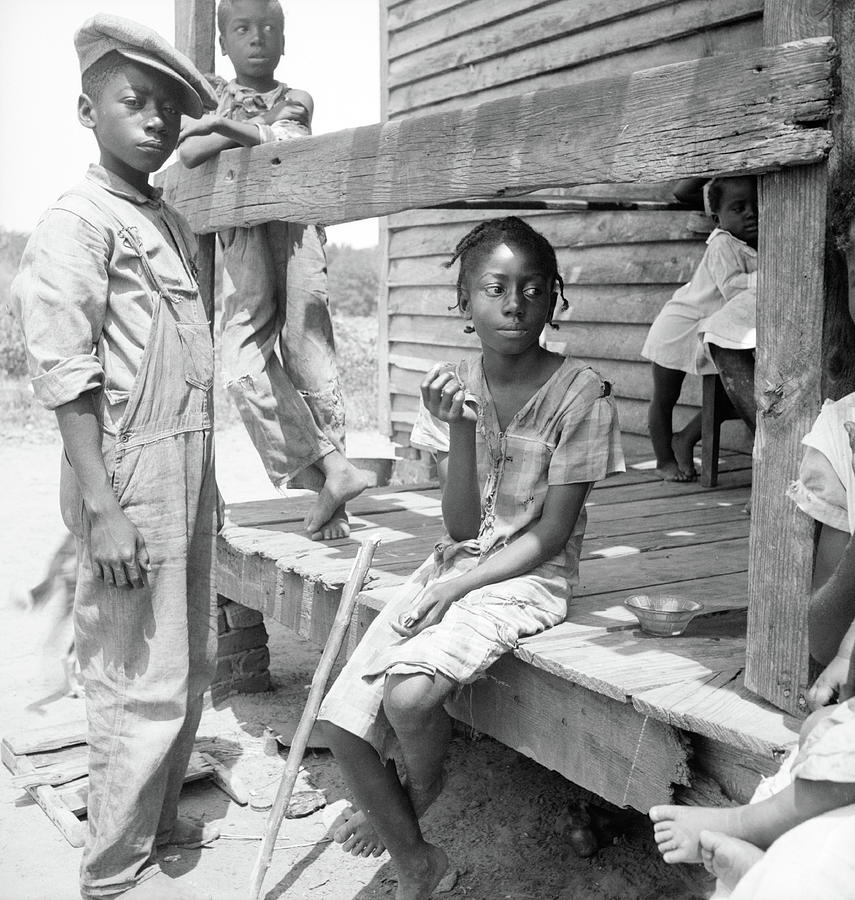
photograph by Dorothea Lange via
Monday, 8 March 2021
International All Women's Day

Older women are not counted in statistics, overlooked by the police, marginalised by services and many are left dangerously at risk in a relationship because the few exits available to them are barred by ageism, stereotyping, underfunding and ignorance.Women over 60 are killed, the homicide toll is "horrifying", cases often dismissed as accidents. Until three years ago, they were not counted in the Crime Survey for England and Wales which had a cap of 59 years, now it is raised to 74. Institutions such as care homes and refuges are excluded creating a hidden death toll. One in four domestic homicides involve people over 60, half of the victims are killed by their sons (parricide), grandsons, and relatives. Older women are missing in police data on abuse, rape, and murder. The crimes are either not looked at or treated as a "safeguarding issue, gender neutral, 'elder abuse' with no perpetrator". Doubt is quickly cast on the older victim's mental capacity or veracity removing her to residential care making her lose her home. In some cases, extreme violence is involved, older women are "more likely to have suffered five or more injuries than younger women, known as 'overkill'". Nine out of 13 victims aged 80 plus were victims of sexual assault, their murderers "the least likely to express remorse or empathy". Older women also tend to stay in abusive relationships longer than younger women which again increases the chances of fatal violence. But they don't really have many options. In 2017, only one out of 276 refuges offered services for women aged 45 and over (via). So, yes, "happy" International Women's Day ... but let's celebrate all women.
"Once a woman reaches 60, the response from agencies and families to abuse is completely different. That's a violation of older women's human rights. It denies them justice."
"If you are found at the bottom of the stairs at 40, the police are probably going to ask questions. Deeply entrenched ageism means that if you are 80, it’s, ‘Well, she probably fell.’"
Tuesday, 1 December 2020
World Aids Day, Tilda Swinton, Love, and Dance
Blanca Li, choreographer

In 2003, the ICCARRE (Intermittents en Cycles Courts les Anti Rétriviraus Restent Efficaces) programme was founded to replace the presently recommended seven anti-viral pills a week by two to three aiming to improve patients' quality of life (via).
ICCARRE - 4min30 SANS ST from St Louis on Vimeo.
"It’s something that we can all be truly grateful for that a diagnosis of HIV is no longer the same terrifying threat it once felt for so many of us in the Eighties and Nineties. It’s something that younger generations may not be aware of, the extent of that threat and its realities. For the sake of perspective, let’s just say that I, myself, remember in 1994 attending, with many others, the funerals of 43 friends. My grandmother who was born in 1900 and lost her brothers in France in 1915 and drove an ambulance in the Blitz was sincerely empathetic. She called it my generation’s war. Happily, things have progressed. Many of us now live full and fulfilled lives having been diagnosed with the virus for decades. This fact is wonderful to remind ourselves of: so many friends have left us too early, others have lived for too long with the debilitating effects of treatment that has impaired their ability to fully engage with their lives. What ICCARRE offers is a chance to work with HIV in harmonious collaboration, naturally and with an attitude self possession and self determination."Tilda Swinton
photograph of Tilda Swinton via
Saturday, 24 October 2020
World Polio Day

"(...) there are notable variations where immunization coverage is higher for girls in some countries and higher for boys in others. This is why the polio programme regularly collects sex-disaggregated data to enable it to track gender-related discrepancies and take swift corrective action. Overall it is important to note that data from the polio-endemic countries (Afghanistan, Nigeria and Pakistan) in the past two years shows that girls and boys have been equally reached in house-to-house vaccination campaigns. For instance, in Afghanistan, out of all girls surveyed after vaccination campaigns in 2017, 92.6% were recorded as vaccinated, compared to 92.5% of boys. This high level of coverage is the tangible result of targeted and context-specific communications for awareness raising and behaviour change activities, combined with well-trained health workers recruited from local communities." Global Polio Eradication Initiative
_ _ _ _
photograph via
Tuesday, 20 October 2020
World Osteoporosis Day

- Rao, S. S., Budhwar, N. & Ashfaque, A. (2010). Osteoporosis in Men. American Family Physician, 82(5), 503-508.
- photograph by the amazing Vivian Maier via
Wednesday, 6 May 2020
International No Diet Day. An Abstract.

- Whale, K., Gillison, F. & Smith, P. (2014). "Are you still on that stupid diet?" Women’s experiences of societal pressure and support regarding weight loss, and attitudes towards health policy intervention. Journal of Health Psychology, 19(12), 1536-1546.
- photograph by Harry Meerson via
Monday, 27 January 2020
Survivor

"The series features portraits from individuals of various ages, genders and nationalities, based in Australia, Israel, the U.K. and U.S. Each portrait is shot with minimal staging and equipment in the subjects’ homes. 'It would have been easier to set up a studio and photograph lots of people at the same time,' Borden said, 'but I wanted the pictures to be an authentic record of our meeting on that day.'" (literally via)


photographs by Harry Borden via and via and via
Tuesday, 1 October 2019
International Day of Older Persons

"Older people have always played a significant role in society, as leaders, caretakers and custodians of tradition. Yet they are also highly vulnerable, with many falling into poverty, becoming disabled or facing discrimination." (via)
- - - - - - - - -
photograph by Vivian Maier (Chicagoland, June 1978) via
Monday, 6 May 2019
International No Diet Day
According to a 2002 survey, 28% of girls in grade 9 and 29% in grade 10 engaged in weight-loss behaviours. In addition, 30% of girls and 24% of boys in grades 7-12 reported teasing about their weight. From a young age we are faced with harmful messages that influence the way that we feel about our own and others’ bodies, and these messages only intensify as we become adults." (literally via)

At the heart of International No Diet Day is the celebration of body acceptance. In a society that is fixated on appearance and size, this day helps us refocus on what is truly important – a healthy lifestyle and self love.
In celebrating International No Diet Day, participants are encouraged to:
• Challenge the idea of one “right” body shape and embrace body diversity.
• Declare a day free of dieting and obsessions about weight and shape.
• Learn the facts about the diet industry and understand the inefficacy of commercial diets.
• Help end weight discrimination, sizeism and fat phobia.
In a world that is obsessed with losing weight and that celebrates excessive exercise and yoyo dieting, how do we change and challenge our current way of thinking? (more/literally via)

- An Apology Letter to My Body: READ
- photographs of Doris Day via and via, copyright by respective owners
Thursday, 25 April 2019
World Malaria Day

photograph "Central Africa. CAMEROON. Yaounde. The children of Madame Delphine TSANGA, president of the OFUNC and deputy minister of public health and population. Monday 30th March, 1970" by Guy Le Querrec via
Thursday, 11 April 2019
World Parkinson's Day
Jane Hill

More men than women are diagnosed with Parkinson's. When women develop Parkinson's, the age of onset is, on average, two years later than in men. There are also differences concerning the symptoms with, e.g., women showing a tendency to experience a higher rate of depression (via) and dyskinesias than men while rigidity and rapid eye movement behaviour disorder appear in men more often than women (Miller & Cronin-Golomb, 2010). Generally, symptoms such as tremor, rigidity, fumblingness, fatigue, sleep and writing problems are reported by men and women. In a study, women mentioned neck-pain and low back pain more often then men while men had to cope with writing difficulties, fumblingness, gait problems, speech problems, and lack of initiative more often. About 30% did not report having tremor and rigidity (Scott et al., 2000).
::: More: Parkinson's UK
::: More: Parkinson's Foundation
- - - - - - -
- Miller, I. N. & Cronin-Golomb, A. (2010). Gender Differences in Parkinson's Disease: Clinical Characteristics and Cognition. Movement Disordorders, 25(16), 2695-2703.
- Scott, B., Borgman, A., Engler, H., Johnels, B. & Aquilonius, S.M. (2000). Gender differences in Parkinson's disease symptom profile. Acta Neurologica Scandinavica, 102(1), 37-43.
- photograph of Bob Hoskins (1942-2014) and Michael Caine via
Friday, 8 March 2019
"the time seems to have come for happy changes in conditions of women"
Bodil Begtrup (1946)

Begrop was the first Chairperson of the Sub-Commission dedicated to the Status of Women (which became the Commission on the Status of Women), established under the Commission on Human Rights.
Happy International Women's Day (with happy changes)!
- - - - - - -
photograph via