Showing posts with label children. Show all posts

Tuesday, 12 August 2025

Bullying Towards a Same-Country or Immigrant Peer

Abstract: This study investigated students' perspectives about bullying towards same-country and immigrant peers. Thirty-five Italian and immigrant students (age range: 11–15) took part to the study. Participants were probed with two bullying scenarios, depicting respectively a new classmate from another Italian city and from a foreign country. A Grounded Theory approach was adopted to examine participants' perspectives about the motives for bullying. 

Findings showed that a process of socializing deviance is at the core of both forms of bullying. This social process refers to a series of shared beliefs within the peer group about the victim's deviant features. Three sub-categories related to both forms of bullying emerged from the core concept: (a) Rejecting the newcomer deviance, (b) Rejecting physical deviance, (c) and Rejecting personality deviance. These sub-categories were related to the sub-categories of bullying towards immigrant peers: (d) Rejecting cultural deviance, (e) and Learned racism. Findings are discussed in terms of their theoretical and practical relevance. (Mazzone et al., 2018)

- - - - - - - - -

- Mazzone, A., Thomberg, R., Stefanelli, S., Cadei, L., & Caravita, S. C. S. (2018). "Judging by the cover": A grounded theory study of bullying towards same-country and immigrant peers. Children and Youth Services Review, 91, 403-412.
- photograph by Rob Brenner via

Monday, 22 July 2024

Camp I Am

Years ago, a mother of a gender non-conforming child in a rural area in the United States organised a small summer camp where her child and children of three other families could openly wear the clothes they want and be who they are. Their siblings realised that they were not the only ones whose brothers (almost all campers were assigned male at birth) wanted to be princesses and the parents found support. More families started going to the camp. The organisers insisted on avoiding advertising and kept long interviews with families interested in participating since they did not want to attract anti-queer trolls. The camp closed in 2016. Today, there are dozens of camps in the U.S. and many of the campers are young adults (via and via).

Lindsay Morris was one of the parents. She took her child, Milo, then aged seven, there and spent eight years photographing the summer camp.

These kids didn’t believe that other kids like themselves even existed. It still gives me chills thinking about [these kids] meeting each other for the first time. They were all so similar, all so alike in what they loved — and the parents just cried and cried.
Lindsay Morris

I came to this project not just as a documenter, but as a participant. When my son was three years old, we began to notice his fascination with his reflection, teetering in my heels, the higher the heel the brighter he shone. It was through observing him as he anxiously and joyously layered on and tore off bright fabrics, all the while despairing that he was not born a girl, that I began to seek out other families with like-minded children. This resulted in my deeply personal engagement with this pioneering community.
Lindsay Morris

"It's really just a very safe place for them where they don't have to look over their shoulders and where they're experiencing 100 percent support from their family members and siblings. It's very important to us that the siblings attend camp so that they can see their brother or sister being celebrated.​ (...) 

(Asked about anxieties parents have) I think the biggest concern is bullying at school. Often the children might be excluded from activities—especially sleepovers and birthday parties—because the other parents aren't really open to having a child who is atypical in their midst. That's why the parents of these kids have become the most incredible advocates. They just hope to normalize gender non-conformity.

A lot of these kids experience low-grade bullying. It creates a lot of stress and anxiety about going to school or being in public places because of the fear of being excluded. However, if the school is very progressive and keeps an open dialogue, it can be great. Schools have such power to normalize gender non-conformity; some choose to and some really push against it.

(...) The images don't really convey the wild frenzy of camp. They're more flowing and poetic while the camp is kind of a beautiful chaos. The kids are constantly changing clothes and dolls; they're like immediate kin and friends. It's very moving for the parents, most of all.

The parents spend a lot of time together and they realize it isn't just their child. But not every parent who goes there is fully on board. It's difficult, it's a transition. If you're there you're there because you love your child, they know it's a move in the right direction. I hate to say it but a lot of the fathers—especially the fathers—come in a little bit shell shocked. This is not the little boy they anticipated raising and they're doing the best they can because they want their children to have a healthy life and a healthy mental state that comes from the support of your parents."

Lindsay Morris

- - - - - - - - - - - - - - -
photographs by Lindsay Morris via and via and via and via and via

Friday, 3 May 2024

The Deaf Snow White. By Kanika Agarwal. An Excerpt.

The great king and his queen were married for five years and were still waiting for a child. The mother often prayed for a girl whose skin and heart would be white and pure as snow. In their sixth year, their prayers were answered and they finally got a baby girl. However, the queen died a month after the birth of the child. The king was left to care for their only daughter and put his heart and soul into it. He named her Snow White in remembrance of his wife’s wishes.


As the years passed by, Snow White blossomed into a beautiful girl fair as snow. She had a gentle heart and a soothing voice. She grew up playing in the gardens of their palace, and most of her friends were the plants, bushes and her favourite three little birds – Brownie, Bluie and Ruie. She talked to them endlessly as her father presided over his court. Days turned into months and months turned into years. In the blink of an eye, Snow White was ten years old. It was then that she started losing her hearing. Her father knew that he would not be able to care for Snow White alone now. So, he remarried – primarily to provide care to his deaf daughter. But no one knew what fate had in store for Snow White.

(..) 
Snow White started sensing that her stepmother was using her deafness to fill her father’s ears against her. She observed that her father had become sterner towards her. He once came and sat beside her to talk. She saw his lips moving: “My dear little child, you need to work harder and make sure you treat your mother and your sisters fairly.”

(...) 
Snow White woke up to the pecks of her little birds on her body. “How did you find me?” she asked. They rubbed their beaks against her nose sweetly. Suddenly, Snow White realised that someone was in the house. She peeped out of the bedroom door to find seven little people sipping wine by the fire. She was scared of what awaited her and wanted to run out. So, she tried tiptoeing, only to realise that she was too big to escape the house unnoticed.

She spoke up hesitantly, apologising to them for her intrusion and tried walking away. They moved their lips but they were too tiny for her to read. That is when she had to tell them about her deafness. While many of them did not believe her and accused her of lying, one of them, Sheram, gestured to her to sit and explain her story. Tabish and Sheram listened patiently. By the time she finished her story, her fear had turned into grief and she sobbed inconsolably.


An excerpt taken from Parita Dholakia's version of Rapunzel (via): 
The prince falls in love with Rapunzel and invites her to his palace ...

“I can’t. There is no ramp from the room to the garden.”
“We will find a way. I can carry you down,” says the prince.
“Carry me? I don’t think I would like that. I always go everywhere wheeling my own chair.”

- - - - - - - - - - - - -
- Agarwal, K. (2024). The Deaf Snow White. In: Rising Flames (ed.) And They Lived ... Ever After: Disabled Women Retell Fairy Tales. HarperCollins India.
- More: The Guardian, link
- photograph of Nikki Giovanni (1972) via

Saturday, 11 November 2023

Dear Child, Draw A Scientist!

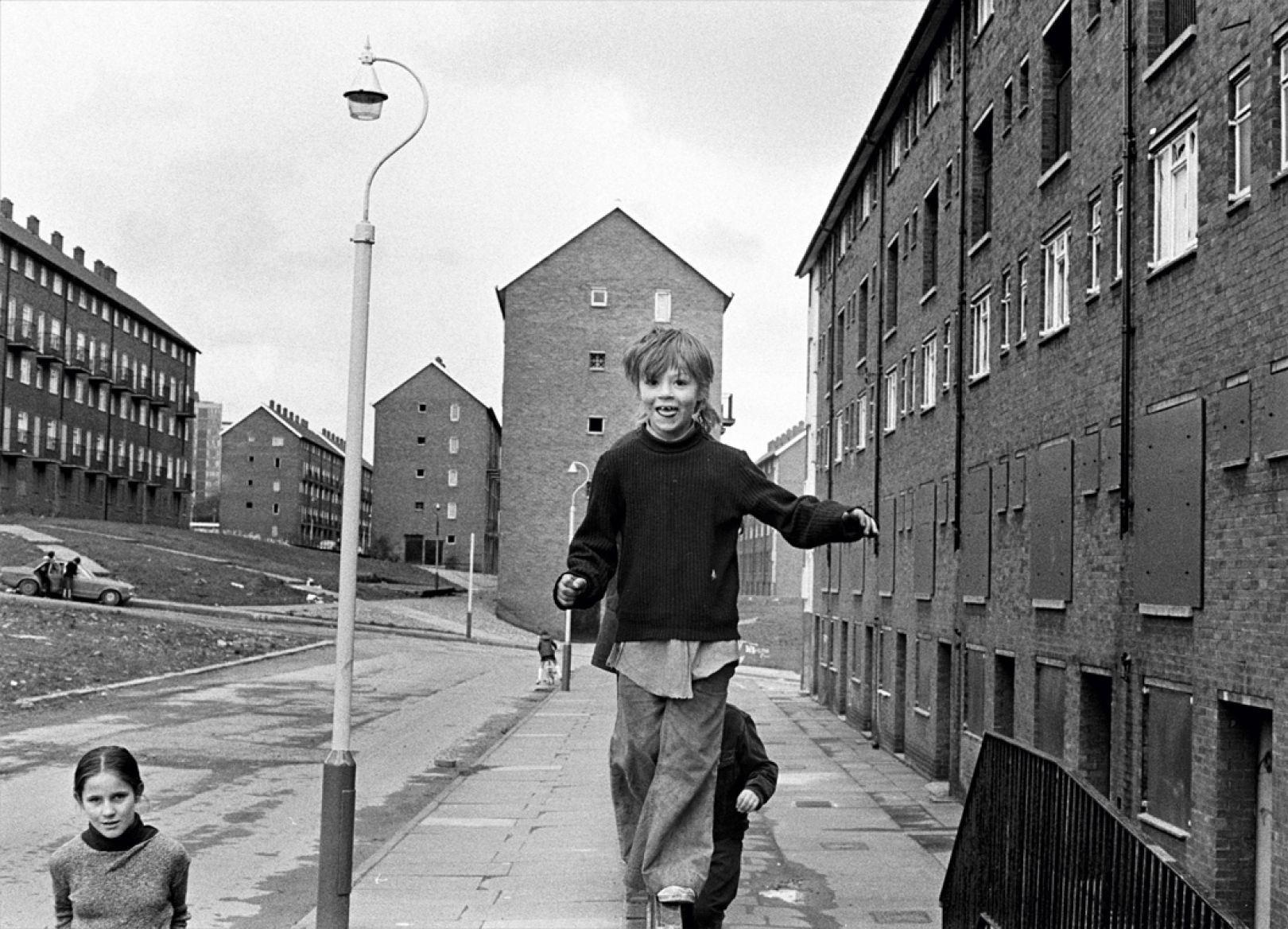
When, from 1966 to 1977, about 5,000 elementary school students from the United States and Canada were asked to draw a scientist, only 0.6% (28 children) of the sample drew a female scientist. All the others drew the then stereotypical male scientist with lab coat, eyeglasses and facial hair. Fast forward  2018: A meta-analysis (based on 78 studies, n=20,860) spanning five decades examined gender-science stereotypes prevailing in the United States. 

Results show that children's depictions of scientists has become more gender diverse over time. The tendency to draw male scientists decreased over historical time but increased with children's age.  

One concern about cross-sectional age comparisons is the confound with birth cohort (e.g., 8-year-olds in 2010 were born later in time than 14-year-olds in 2010). For instance, younger children might have drawn fewer male scientists than older children in the same data collection year because younger children were born and grew up later in historical time. In other words, the estimated effect of age might not represent developmental change but instead a confound with birth cohort. However, this alternative explanation was unlikely because the magnitude of the age effect was much greater than the historical time effect (...). In other words, change over age happened more rapidly than what historical change would alone predict. These results were therefore consistent with rapid change over children's development in addition to slower change over historical time.

In the study carried out from 1966 to 1977, 99,4% of children drew scientists as male. The percentage dropped to 72% in later studies (1985 to 2016). Both girls and boys drew male scientists less often in later decades compared to earlier ones (e.g. girls drew 98,8% of scientists as male in earlier vs 55% in later studies) (Miller et al., 2018).

- - - - - - - - - -

- Miller, D. I., Nolla, K. M., Eagly, A. H. & Uttal, D. H. (2018). The Development of Children's Gender-Science Stereotypes: A Meta-analysis of 5 Decades of U.S. Draw-A-Scientist Studies. Child Development, 89(6), 1943-1955.
- photograph by Tish Murtha (UK, 1970s) via

Tuesday, 19 September 2023

“Helpless and a cripple”: the disabled child in children’s literature

For more than a century, children described as "cripples" were part of children's literature. Othered and constructed as objects of pity, they were there for other child characters and child readers to sympathise with them. Only the child who was disabled as a result of disobedience was not an object of pity. That way, authors sent the clear message that you shall always obey your elders otherwise this horrible fate might be yours. A great many nineteenth-century books asked child readers to either pity the disabled child or to see the temporary disability as a sort of punishment and lesson since suffering would turn them into better persons.

The able-bodied characters and able-bodied readers were superior to the disabled child. A physical norm was communicated, the disabled child was a deviation from the ideal. The Romantic Child was "innocent, unspoiled", often physically attractive and rather contrasted the child whose disability was described in detail.

In Evangelical writing, the attractive innocent often served as a role model for the reader. "Daisie's Pocket Money" from 1902 is a good illustration: 

Daisie is described as ’a dear little creature, with flaxen hair and blue eyes’ – wouldn’t all readers want to be like her - and, if they couldn’t be like her physically, they could emulate her goodness. She saves her pocket money in order to pay for an operation for her friend Edith, who ‘fell and hurt her spine’ and cannot sit up. Her money, of course, is not enough but the ‘great doctor’ is touched by Daisie’s innocent appeal and visits (and cures) Edith anyway.

According to Perry Nodelman, "children's literature represents a massive effort by adults to colonise children to make them believe that they ought to be the way adults would like them to be". Hugh Cunningham sees a manipulation of the public using sentimental appeals on behalf of children, of the homeless, of the disabled. Both, in fact, children's and adult literature did this equally. Robert Pattison points out that these books are political since the child character and the child reader are used "to expose the imperfections of the world" around them and to foster the author's ideologies.

Many of these writers for children were thus doing as Peter Hollindale points out Charles Dickens did for adults, in using the child as ‘a lens or measure by which adult practices can be socially and morally exposed.’  Authors wanted to develop compassionate (and generous) children, but they wanted this to continue into adulthood; the compassionate children of today were to become the child rescuers of tomorrow. (Hillel, 2005)

- - - - - - - - - - - - - - -
- Hillel, M. (2005). "Helpless and a cripple": the disable child in children's literature. In (eds) R. Finlay & Salbayre, S. Stories for Children, Histories of Childhood, Volume 2, (127-137), link
- photograph by Simon Pope (London, 1973-1975) via

Tuesday, 21 February 2023

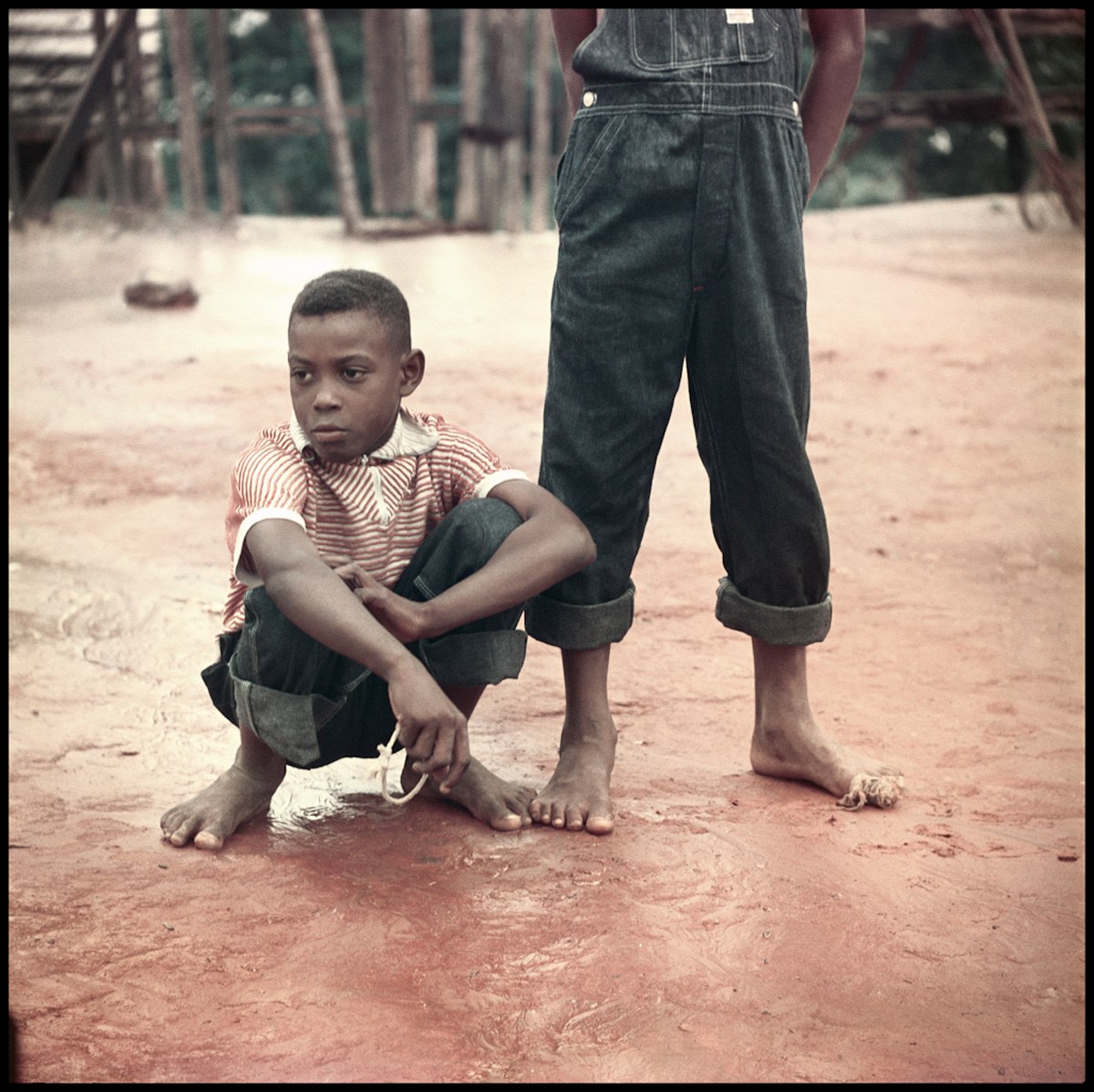
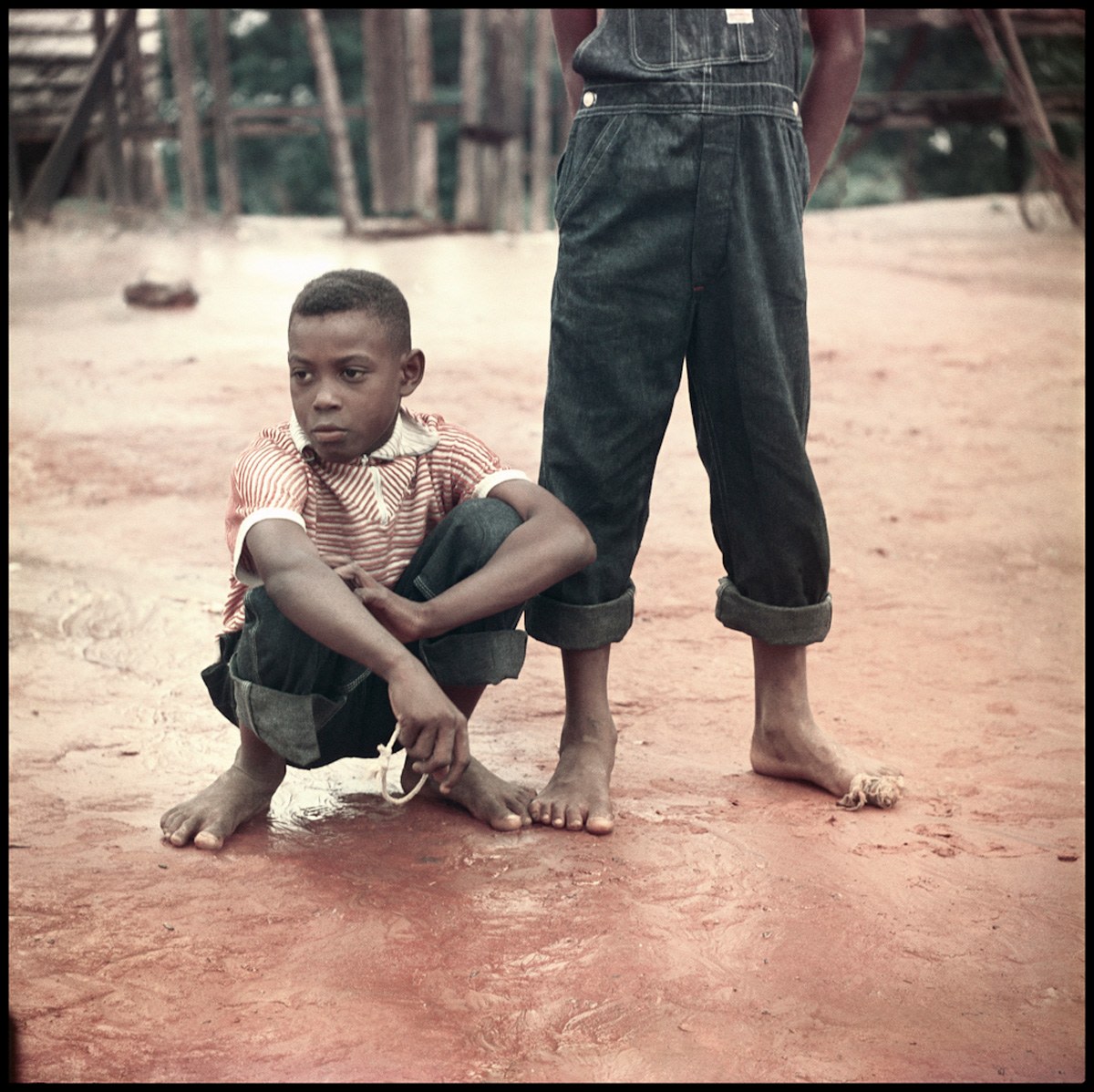
The Child Opportunity Index

The Child Opportunity Index (COI) was developed in 2014 to measure and map "the quality of resources and conditions that matter for children to develop in a healthy way" in the neighbourhoods they grow up, and to spark conversations about inequality and encourage actions to increase equity. In 2020, COI 2.0 was launched including updated data (via) from 29 neighbourhood-level indicators covering three domains: education (quality and access to early childhood education, social resources related to educational achievement), health and environment (access to healthy food and green space, pollution from industry, exposure to extreme heat), social and economic domain.

Good schools, parks, playgrounds, healthy food, clean air, safe housing, health care are some aspects crucial for children to become healthy adults. In the United States, many children live in these "high opportunity" neighbourhoods that provide access to the conditions mentioned before. Many, however, live in "low opportunity" neighbourhoods, many of these "many" being Black, Hispanic and Native American children (via).

For example, (...) in the Milwaukee metro the typical White child enjoys a neighborhood with a Child Opportunity Score of 85, while the typical Black child lives in a neighborhood with a score of only 6. As another point of comparison, this racial gap in Milwaukee represents about four opportunity levels (the maximum possible): the typical Black child lives in a very low-opportunity neighborhood, while the typical White child lives in a very high-opportunity neighborhood. (via)

As of 2017...

While only 9 percent of white children live in the 20 percent of neighborhoods ranked as lowest in opportunity, 32 percent of Hispanic and 40 percent of black children live in such neighborhoods. These disparities remain after controlling for children’s own poverty status. Looking just at poor children, 22 percent of white children live in the 20 percent of neighborhoods ranked as lowest in opportunity, but 45 percent of Hispanic and 57 percent of black children live in such neighborhoods (...). As in our analysis of neighborhoods by poverty status, we find that racial/ethnic inequities in neighborhood opportunities for children are larger in metro areas with higher levels of segregation. (McArdle & Acevedo-Garcia, 2017:5)

Summing up... 

Segregation is not benign. The neighborhoods where children live and grow are both separate and greatly unequal along racial/ethnic lines in ways that have profound impacts on opportunities for healthy child development and wellbeing. The differences in neighborhood characteristics and opportunities between racial/ethnic groups are dramatic not just on average, but for large majorities of their populations. (McArdle & Acevedo-Garcia, 2017:4)

- - - - - - - - - - - - - - -

- McArdle, N. & Acevedo-Garcia, D. (2017). Consequences of Segregation for Children's Opportunity and Wellbeing; via
- photograph by Gordon Parks (Alabama, 1956) via and via

Tuesday, 15 November 2022

“Poverty is a very complicated issue, but feeding a child isn't.” Jeff Bridges

“35 million people in the U.S. are hungry or don't know where their next meal is coming from, and 13 million of them are children. If another country were doing this to our children, we'd be at war.”
Jeff Bridges, spokesperson for the No Kid Hungry campaign

photograph via

Monday, 18 July 2022

Single Fathers: A Growing and Neglected Population

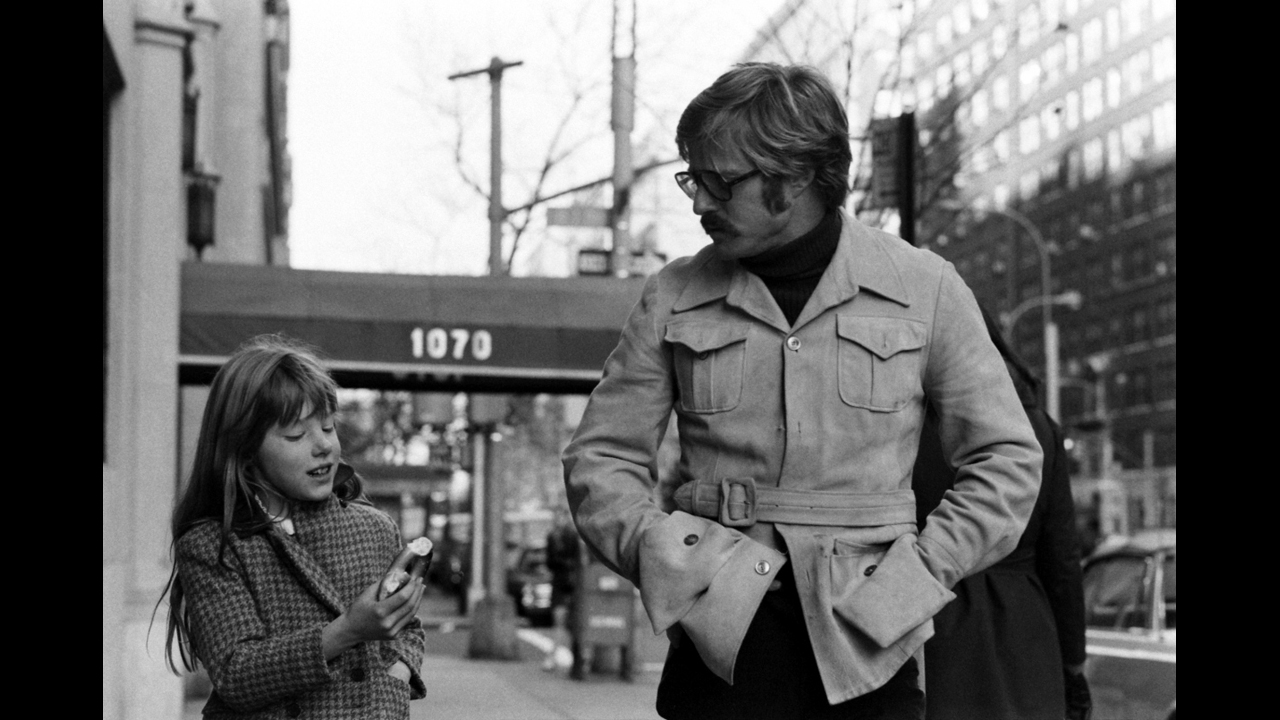
The number of single-parent families is rising and most of them are headed by single mothers. Nevertheless, single fathers represent a sizeable proportion and are both a growing population and largely understudied since research on single parenthood mostly focuses on single mothers, their greater risk of mortality, poorer self-rated (mental) health and lower socio-economic status. "What do we know about these fathers, and their health and wellbeing? Alarmingly, the answer is: not very much."


40.000 people (single and partnered fathers, single and parthnered mothers) took part in the Canadian Community Health Survey. Single fathers - after a median follow-up of eleven years - were more likely to die than single or partnered mothers or partnered fathers. Their mortality risk was more than two times higher than other parents'. Single fathers were also more likely to lead unhealthy lifestyles (eating fruit and vegetables, binge drinking).
Interestingly, the study could not determine the leading cause of death. This might partly be due to the fact that there are differences in the pathways leading to single parenthood. Single fathers, for instance, were more likely to be separated, divorced or widowed compared to single mothers. The latter could point to grief and a specific stress exposure. Gender stereotypes, stigma and social support usually more availabe for single mothers may be further factors. 
We need to take single fatherhood much more seriously as a public health issue. Understanding the way families have evolved and are likely to evolve is crucial to meet their needs and for policy planning. Families do not exist in a vacuum. They depend on the social and economic environments around them. Issues of isolation (real or perceived) and grief may be as important for health as traditional risk factors. We need to ensure that there is better community and social support for single fathers. Social and life circumstances of single parents are crucial to getting the fuller picture of their health. (via)        
- - - - - - - - - -
- Editorial (2018). Single fathers: neglected, growing, and important. The Lancet, 3(3), link
- photograph of Robert Redford with his daughter Shauna, 1969 via

Friday, 10 September 2021

The Tiger Mum

The most prevailing stereotype of Chinese parenting in the United States is the Tiger Mum described as being strict, harsh, severe and very controlling. The Tiger Mum forces her child to parentally-defined success instead of persuing the child's dreams leading to unhappiness in children.

Chinese parents, however, beg to differ and define their parenting styles neither as tiger mum parenting, nor are they convinced that this model would create the most successful children. Their styles, in fact, cover a wide range of beliefs and approaches.

The concept of the tiger mom as Americans perceive it represents an attempt to use American cultural beliefs of parenting as a baseline from which to make sense of Chinese parenting. The “Tiger mom” has become the go-to phrase for Americans when referring to traditional Chinese parenting styles. This attempt to categorize cultural differences into discrete boxes fails to capture the complex nature of Chinese parenting.

Most of the research carried out to study Chinese parenting styles are based on a culturally-biased theory that was derived from White middle classe samples, a theory that most likely does not capture differences in cultural  beliefs. 

Studies that focus on exploring Chinese parenting beliefs often focus on the cultural notion of training, Chiaoshun, which is rooted in the teachings of Confucius (Chao, 1994, 2001). The most important emphasis in Confucius’s school of thought is respect for the social order, including relationships between individuals as well as relationships between an individual and society (Bond & Hwang, 1986). Based on this idea of consideration for social order, the notion of “training” in Chinese culture encourages parents to teach their children the quality of respect in all of their relationships. As a result, Chinese parents subscribing to this practice reinforce harsh and strict discipline, and hope that their children will learn from their instruction. Thus, parenting practices that appear harsh and strict to others are often simply a culturally-based attempt to train children to act in a socially acceptable manner (Chan et al., 2009). Moreover, when adopting harsh language and strict discipline, Chinese parents assume the children will understand the connotation behind the harsh language. Rather than ruthless punishment, the harsh language and discipline indicates parental trust and high expectations of children’s performances (Chan, Bowes, & Wyver, 2009; Chao, 1994, 2001; Chen & Luster, 2002; Cheung & McBride-Chang, 2008).

The parenting style is not about strictness but about instilling Confucian qualities in children. The priority is that the child becomes "a good person", academic achievement is a close second. Since US-Americans do not know this base and only focus on what they see or believe to see, i.e., harsh practices. Chinese immigrant families combine both, US-American and Chinese approaches creating a cohesive parenting style (via).

- - - - - - -
- Wang, S. (n.d.). The "Tiger Mom": Stereotypes of Chinese Parenting in the United States, link
- photograph by Wang Fuchun via

Friday, 25 June 2021

War is not healthy for children and other living things

According to "Save the Children" estimations, every day, about 300 babies die worldwide due to the effects of war, including indirect effects such as hunger, denial of aid, poor sanitation. In 2017, 420 million children were living in conflict zones (via and via). 

In the past ten years, in Syria alone, one child was injured or killed every eight hours, in other words, 12.000 since 2011 (via). The countries hit the hardest are Afghanistan, Yemen, South Sudan, the Central African Republic, the Democratic Republic of Congo, Syria, Iraq, Mali, Nigeria, and Somalia. Often, children who survive are targetet to become children soldiers or suicide bombers (via). This year, more than two million Yemeni children are expected to suffer extreme malnutrition, 400.000 of them are likely to starve to death (via).

photographs of the amazing Vanessa Redgrave via and via

Friday, 23 April 2021

Children Vanishing

Every day, about 17 unaccompanied child migrants go missing in Europe. Most of them come from Morocco, Algeria, Eritrea, Guinea, and Afghanistan, 90% of them are boys. Among the migrants, these children are the ones most vulnerable to violence, trafficking, and exploitation (via).


photograph (UNICEF, Sanadiki) via

Wednesday, 3 March 2021

Stereotype Threat in Black US-American Children

In a study, black US-American children (n=190, age 10 to 12) completed the Stereotype Awareness Task (participants were asked to list all stereotypes they knew about Black people). One to two weeks later, they were asked to read a target word list and choose which two out of five words fit best the concept represented by the list. For this purpose, they were randomly assigned to one of two groups: a) threat condition, i.e. the children were told the test was a measure of intelligence and the scores of Black and White children would be compared, b) neutral condition, i.e., no reference to skin tone.


Some results: The most common stereotype listed by 44% of the children was that Backs are less intelligent than Whites. The children in the stereotype threat condition performed more poorly on the academic task compared to the control group; the stereotype threat effect was moderated by both the awareness of stereotypes and Black identity (measured using the Multidemensional Inventory of Black Identity-Teen, children were asked about their feelings toward Blacks as a group, their view of society's beliefs about Blacks as a group, the importance of being Black to their self-concept, and their approach to dealing with issues about Blacks).

- - - - - -

- Hines Shelvin, K., Rivadeneyra, R. & Zimmerman, C. (2014). Stereotype threat in African American children: The role of Black identity and stereotype awareness. Revue Internationale de Psychologie Sociale, 3-4(27), 175-204.

- photograph via

Saturday, 21 November 2020

Nobody is Normal

"Working alongside [UK charity] Childline to help young people feel better in their own skin energized all of us at the agency, as well as our partners. It’s a campaign that speaks to children in a way that is natural to them. To walk through the usual walls these types of messages face, we needed an emotional story that intrigued people enough to pay attention and moved them enough to make them reflect and change their perspective."
Lucas Peon


Client: Childline 
Agency: The Gate 
CCO: Lucas Peon Creatives: John Osborne, Rickie Marsden, Sam Whatley 
Producer: Susie Innes 
Production: Blink Productions, Rowdy Films 
Producer: Daisy Garside Blink 
Producer: Joe Byrne 
DOP: George Warren 
Animator: Tim Allen, Tobias Fouracre 
Puppets: Adeena Grubb 
2D animator/compositor: Tom Fisher Rig removal: Ieuan Lewis 
BTS: Joe Eckworth 
Art Department Runners: Feiyang Yin and Stella Chapman Shot at Clapham Road Studios 
Sound: Major Tom, Grand Central 
Music: Radiohead “Creep” 
Label: Beggars, Warner Chappell, Concord

- - - -
image via

Thursday, 25 April 2019

World Malaria Day

The World Health Organization estimates that about half of the world's population is at risk of malaria (via); 90% of malaria cases occur in Sub-Saharan Africa. According to UNICEF, Malaria kills one child every 30 seconds, in other words, about 3000 children every day. Each year, more than one million people die from malaria. Most of them are children under five years of age. Those who do survive often develop physical and mental impairment. In addition, Malaria is a major cause of poverty and a barrier to children's schooling and social development (via). In the period 2015 to 2017, no significant gains were made in reducing malaria cases (via).


photograph "Central Africa. CAMEROON. Yaounde. The children of Madame Delphine TSANGA, president of the OFUNC and deputy minister of public health and population. Monday 30th March, 1970" by Guy Le Querrec via

Thursday, 22 November 2018

Every Child Should Have the Right to Rise

It all began with a boy in a long sleeve t-shirt...
It was only a few months before the 1994 Lillehammer Winter Olympics, when Norwegian speed skater Johann Olav Koss led a humanitarian trip to the newly formed African country of Eritrea. There, he came face-to-face with the realities of life in a country emerging from decades of war.


As children played amidst burned out tanks, surrounded by the images of war martyrs, one boy stood out and crystallized an idea for Johann that would write the future of Right To Play
He met the President of Eritrea and said, 'You need food and I have brought sports equipment. I made a mistake. I'm sorry.' The President looked at Johann and said, 'This is the greatest gift we have ever received. For the first time, we are being treated like human beings–not just something to be kept alive. For the first time, my children can play like any child.'
For Johann it felt like the starting point for something bigger. Since then, the power of play has helped millions of children to rise and recapture hope.


Literally via/More: LINK

Monday, 23 July 2018

ADHD: Culture-Bound Diagnoses

"Our findings reveal that doctors in the UK are far less likely to deploy the ADHD label than their US counterparts. This difference may be a result of cultural factors. For example, more stringent criteria for diagnosing ADHD are used in the UK, or it may be that parental concerns over using drugs such as Ritalin to treat younger patients mean that they resist diagnosis for their children.
It is important to identify diagnostic trends and the reasons behind them, as various criteria in different cultural contexts may mean that children are missing out on health services -- the diagnostic label may determine the support families receive. Equally, it is important that children are not over-diagnosed."
Ginny Russell, University of Exeter Medical School


In the U.S., 6.3 % (other studies speak of 9%) of children are diagnosed with ADHD, in the UK, only 1.5% (via), in France, less than 0.5%. Figures are not the only difference. In the U.S., ADHD is seen as a biological dysfunction that needs medication such as Ritalin, the focus is a clearly pharmaceutical one. In France, it is viewed as a medical condition with psycho-social and/or situational causes. Instead of prescribing medication, psychiatrists "look for the underlying issue that is causing the child distress" in the child's social context - not in their brain - and offer psychotherapy or family counselling. Psychiatrists do not used the DSM but a French alternative that aims to identify the underlying psychosocial cuases of the symptoms. ADHD is defined in a less broad manner, hence, fewer children qualify for the diagnosis. Diet and parenting styles are also discussed as aspects contributing to the differences in France and the U.S. (via).

- - - - - - -
photograph by Willy Ronis (1952) via

Friday, 20 October 2017

Bacha Posh: Gender-bending girls in Afghanistan

"They say your life becomes complete only if you have a son."
Azita Rafhat


"Whoever came [to our house] would say: 'Oh, we're sorry for you not having a son.' So we thought it would be a good idea to disguise our daughter, as she wanted this too." Azita Rafhat
For both social and economic reasons, many girls aged between five and twelve are disguised as boys and, for instance, sent to the market to sell water or chewing gum. Having a Bacha Posh is a matter of honour or reputation for some families since families without sons are pitied. It is also a means of economic survival as daughter turned into a son is sent to work and can add to the family income. In some cases, the girls decide to become Bacha Posh because living a boy's life can be an empowering experience in Afghanistan.
These girls are dressed as boys and get a male name they use when they are outside of the home. They are brought up as boys until they are about 17 or 18. At that age they are supposed to switch back to the traditional Afghan female role model. This change is not always an easy one. Disguised daughters can attend better schools and play sports, they have more freedom, freedom they lose the moment they turn into females (via and via).
"People use bad words for girls. They scream at them on the streets. When I see that, I don’t want to be a girl. When I am a boy, they don’t speak to me like that." a 15-year-old girl

"When I was a kid my parents disguised me as a boy because I didn't have a brother. Until very recently, as a boy, I would go out, play with other boys and have more freedom." Elaha
Elaha, for instance, lived as a boy for 20 years and reverted shortly before going to university. She does not "feel fully female" as her habits are not "girlish" - as a boy she used to go out, play with boys and have more freedom. She does not want to get married (via).
"If my parents force me to get married, I will compensate for the sorrows of Afghan women and beat my husband so badly that he will take me to court every day." Elaha


"I experienced both the world of men and of women and it helped me to be more ambitious in my career."
Azita Rafhat

"The tradition has had a damaging effect on some girls who feel they have missed out on essential childhood memories as well as losing their identity.
For others it has been good experiencing freedoms they would never have had if they had lived as girls.
But for many the key question is: will there be a day when Afghan girls get as much freedom and respect as boys?" BBC


::: She is My Son: WATCH


Photographs of Tamana Airways, 11, a Bacha Posh who every day after school dresses as a boy and sells biscuits, candles and drinks in Kabul's streets (via).

- - - - - - -
photographs by Casper Hedberg via and via and via and via and via, copyright by owner

Thursday, 29 June 2017

Lucy likes tomato sauce and I have smaller toes than Artie.

"From lettuce love (and hate!) to hard-hitting opinions on ketchup and toe size, these kids know what’s important ― friendship, openness and respecting each other’s differences, a lesson we can all learn from.
Their unscripted and natural responses is just what you would expect and demonstrates that children don’t make assumptions about people and their differences in the way that all too often grown-ups do."

Alice Webb, BBC Children’s Director


This video is part of the BBC campaign "Everyone's Welcome" that celebrates the beauty of diversity. It has reached more than 20 million views on the Facebook pages of CBeebies and BBC Family and Education News Facebook (via).


image via

Tuesday, 20 June 2017

World Refugee Day: Ahmed and Harry

"Every minute 20 people leave everything behind to escape war, persecution or terror."
United Nations


"I’ve met so many who have lost so much. But they never lose their dreams for their children or their desire to better our world. They ask for little in return – only our support in their time of greatest need"
António Guterres, UN Secretary-General

Tuesday, 4 April 2017

International Day for Mine Awareness and Assistance in Mine Action

In 2005, the General Assembly of the United Nations declared that 4 April of each year shall be observed as the "International Day for Mine Awareness and Assistance in Mine Action" (via).


More than 100 million mines are scattered across ca. 68 countries. In Egypt, the country most contaminated by landmines, there are approximately 23 million landmines. Every year, tens of thousands of people are killed, injured or permanently disabled by landmines. Between 1999 and 2012, 88.331 people living in about 60 countries were reported to be killed or injured by landmines or explosive remnants of war. Most of the victims are civilians. Many are children (in Cambodia, children account for up to 50% of landmines casualties). Some 1.000 children are killed or injured every year. Other children lose a family member as a result of a mine blast and face challenges from the loss of the care giver or household breadwinner. While boys and men form the largest groups of mine victims, girls and women often experience greater difficultires in getting the medical and psychosocial care they need. Landmines continue to threaten lives years after hostilities have officially ended and cause injuries that are much more severe than those caused by other weapons.
"When a person steps on a buried anti-personnel mine, the detonation is likely to rip off one or both of his or her legs and drives soil, grass, gravel, metal and plastic fragments of the mine casing, pieces of shoe and shattered bone up into the muscles and lower parts of the body. If it explodes while being handled, a mine can blow off fingers, hands, arms, and injure parts of the face, abdomen and chest."
Usually, health and social structures in mine-affected countries are devastated by years of conflict. Mine victims, therefore, often do not receive the care needed. Most of them live in the poorest countries that have not yet recovered from years - or sometimes decades - of war. In addition, removing mines is costly. Mines cost between 3 and 30 dollars, removing them costs between 300 and 1.000 dollars. If we continue at this pace, it will take nearly 1.100 years to clear all the mines in the world (via and via and via and via and via and via). But it does not have to take that long. Mozambique is a "compelling example" of how the problem can be tackled. After more than 30 years of conflict, more than 200.000 landmines were scattered across the country. Around 80% (171.000 mines) of them were destroyed in the past twenty years helping the country to recover (via). With support, every country can be mine free.


::: U.N. Landmine Removal Commercial: WATCH/LISTEN
::: "Lend Your Leg", United Nations (2012): WATCH/LISTEN
::: UNICEF commercial: WATCH/LISTEN
::: "Betty", a Marco Grob film narrated by Daniel Craig: WATCH/LISTEN

- - - - - - - - - - - - - -
photographs via and via