Friday, 2 October 2026

Being needed, staying alive

There is a link between feeling needed and mortality. According to a study, carried out in Japan (Okamoto & Tanaka, 2004) among people aged 65 or older, those not given the feeling to be useful were twice as likely to die over a six-year-follow-up period. Results of a study carried out in Finland (Pitkala et al., 2004) among people aged 75 or older are similar. Those feeling needed were, in fact, less likely to die within the following ten years (and less likely to end up in institutionalised care over a five-year-follow-up period). Just to mention two studies...


- Gruenewald, T. L., Karlamanga, A. S., Greendale, G. A., Singer,  B. H. & Seeman T. E. (2007) Feelings of Usefulness to Others, Disability, and Mortality in Older Adults: The MacArthur Study of Successful Aging., Journal of Gerontology, 62B, 1, 28-37.
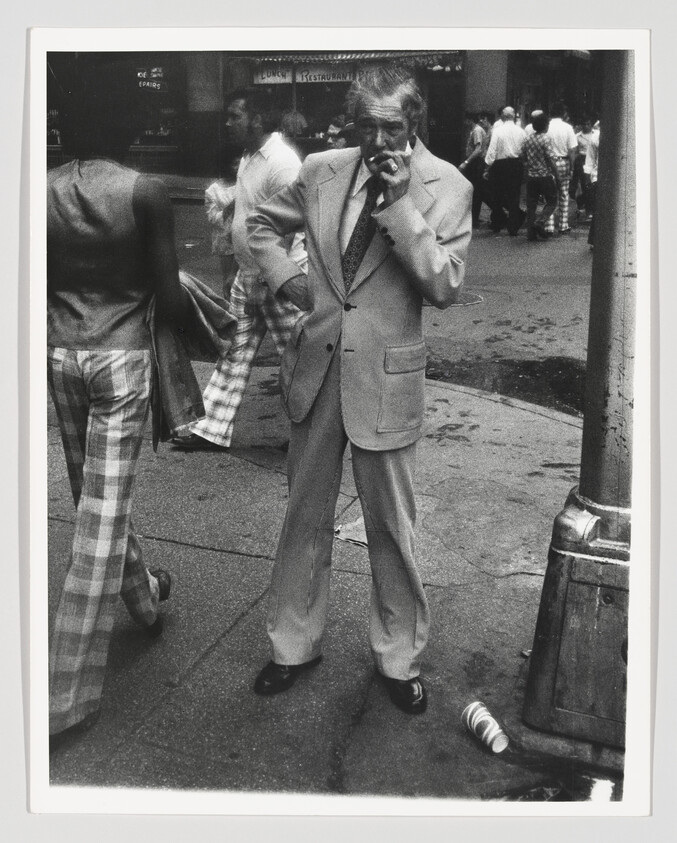
- photograph by Leon Levinstein, Whitney Museum of American Art, copyright by artist or artist's estate, via

Wednesday, 4 February 2026

Impression Management in Job Interviews and Ageism

 Abstract: The increasingly aging population in most industrialized societies, coupled with the rather age-diverse current workforce makes discrimination against older employees a prevalent issue, especially in employment contexts. This renders research on ways for reducing this type of discrimination a particularly pressing concern. Drawing on theories of social identity and impression management, our research examines the role of impression management, aimed at refuting common older worker stereotypes, in diminishing bias against older job applicants during the job interview. 

The study consisted in an experimental hiring simulation conducted on a sample of 515 undergraduate students. Results show that older applicants who used impression management to contradict common older worker stereotypes were perceived as more hirable than those who did not. However, despite this positive effect, discrimination persisted: older applicants were consistently rated as less hirable than their younger counterparts when displaying the same IM behavior. Taken together, this research demonstrates that older job seekers can indeed ameliorate biased interview outcomes by engaging in impression management targeting common age stereotypes; however, it also shows that this strategy is insufficient for overcoming age discrimination entirely. The current study has important implications for theory, by expanding research on the use of impression management in mitigating age discrimination, as well as for practice, by offering older employees a hands-on strategy to reduce bias and stereotyping against them (Gioaba & Krings, 2017).

- - - - - - - - - - - -

- Gioaba, I. & Krings, F. (2017), Front Psychol., link
- photograph (Senior Citizen Walking Club at Alki Playground, Seattle, 1980) via