Showing posts with label United Nations. Show all posts

Tuesday, 8 August 2023

Raphael Lemkin and the Concept of Genocide

"Murder had a name. Why was it named crime for one person to kill another, but not for a government to kill millions of people? Shouldn't states be held accountable for trying to destroy entire peoples - their lives, cultures and histories?"
Raphael Lemkin

Raphael Lemkin (1900-1959) was a Polish lawyer of Jewish descent. When he learned about the massacres of Armenians he developed a general interest in religious and ethnic persecution (via). Lemkin also cited "Quo Vadis", written by Polish author Henryk Sienkiewicz, as a source of inspiration to protect minorities (via).

Here was a group of people collectively senteced to death for the only reason that they believed in Christ. And nobody could help them. I became so fascinated with the story that I looked up all the similar instances in  history. Raphael Lemkin

Lemkin was convinced that there was an international law needed that protected groups. In the 1930s, he tried to introduce legal safeguards at international forums but did not succeed (via). Presenting a paper at the Leagute of Nations legal committee in Madrid lost him his job (via). In the corridors of the United Nations, he was considered "unpleasant company", socially he was often ignored. Upon learning about the executions in Poland, in 1942, he wrote Roosevelt a letter asking him to take action and received the disappointing reply to be patient (via).

He became obsessed with a crime that, at that point, had no name: the mass murder of groups, simply because of their identity. He was aware of the Turkish massacre of Armenians and of the Assyrians murdered in Iraq – unpunished crimes that would allow Hitler to believe his final solution could be achieved without international intervention. Lemkin identified the stages that led to mass murder: the demonisation of a group, the destruction of its culture, restriction of its freedoms and rights, the small rehearsals of extermination. (via)

In his book "Axis Rule in Occupied Europe", published in 1944, Lemkin introduced the term "genocide", consisting of the Greek prefix genos ("race", tribe) and the Latin suffix cide (killing) (via), a new word for an old practice.

By ‘genocide’ we mean the destruction of a nation or of an ethnic group. This new word, coined by the author to denote an old practice in its modern development, is made from the ancient Greek word genos (race, tribe) and the Latin cide (killing)…. Generally speaking, genocide does not necessarily mean the immediate destruction of a nation, except when accomplished by mass killings of all members of a nation. It is intended rather to signify a coordinated plan of different actions aiming at the destruction of essential foundations of the life of national groups, with the aim of annihilating the groups themselves. Genocide is directed against the national group as an entity, and the actions involved are directed against individuals, not in their individual capacity, but as members of the national group. (via)

When Germany invaded Poland, Lemkin fled from Europe and sought asylum in Sweden, then in the United States. The parting words of his mother were:

You realize, Raphael, that it is you, not we, who needs protection now … of all of us only you do not live the life of love. You are the lonely and the loveless one. Still, you have been carrying the burden of your idea, which is based on love … We know you will continue your work, for the protection of peoples. Unfortunately, it is needed now more than ever before. (via)

Lemkin started teaching at Duke University. He joined the War Department in Washington, DC, as an analyst documenting Nazi atrocities. Later, he was part of the legal team preparing the Nuremberg Trials where he made sure the word "genocide" - although not yet a legal crime - was at least included in the indictment against the Nazi leaders. In Nuremberg he also learned about the death of 49 family members including his parents, who had been killed in death camps, the Warsaw ghetto and death marches or starved to death (via). The fact that genocide was not legally considered to be crime made Lemkin believe that the Nuremberg Trial did not serve complete justice (via)

His efforts and campaigns to see "genocide" added to the international law continued and finally, in December 1948, the United Nations approved the Convention on the Prevention and Punishment of Genocide (via).

Genocide "embodies the social ontology of ‘groupism’, because genocide is about the destruction of groups per se, not individuals per se. Lemkin thought that the Nazi policies were radically new, but only in the context of modern civilization. Wars of extermination have marked human society from antiquity until the religious conflagrations of early modern Europe, after which the doctrine that dominated was that war should be conducted against states rather than populations. Given that forty-nine members of his family died in the Holocaust, Lemkin's ecumenical approach to human suffering is at once astonishing and exemplary." (Moses, 2012)

He spent his last years in poverty in a New York flat, his funeral was attended by only a few people (via). Despite the key role he played in the creation of international laws, despite changing "the world with one word" (via)  and the numerous awards he received and having been nominated for the Nobel Peace Prize twice, he is "virtually unknown" (via), and a "prophet without honors" (via), 

The United States, Lemkin's adopted country, did not ratify the Genocide Convention during his lifetime. He believed that his efforts to prevent genocide had failed. "The fact is that the rain of my work fell on a fallow plain," he wrote, "only this rain was a mixture of the blood and tears of eight million innocent people throughout the world. Included also were the tears of my parents and my friends." (via)

- - - - - - - - - - -
- Moses, A. D. (2012). Raphael Lemkin, and the Concept of Genocide.
- photograph (UN photo) of Raphael Lemkin via

Friday, 3 December 2021

International Day of Persons with Disabilities

Some facts... There are one billion persons with disabilities, 80% of them living in developing countries, 46% of people aged 60 years and over are people with disabilities, one in five women is likely to experience disability in her life, one in ten children is a child with disability. No matter where and what gender, people with disabilities are among the hardest hit by the pandemic (via).


"I urge all countries to fully implement the Convention on the Rights of Persons with Disabilities, increase accessibility, and dismantle legal, social, economic and other barriers with the active involvement of persons with disabilities and their representative organizations."
Antonio Guterres

- - - - -
photograph via

Monday, 4 October 2021

United Nations Decade of Healthy Ageing: 2021-2030

"To foster healthy ageing and improve the lives of older people and their families and communities, fundamental shifts will be required not only in the actions we take but in how we think about age and ageing." (WHO)

Four areas of action are addressed: combatting ageism, creating age-friendly environments, ensuring integrated care and long-term care. 

Ageism:

Ageism affects how we think, feel and act towards others and ourselves based on age. It imposes powerful barriers to the development of good policies and programmes for older and younger people, and has profound negative consequences on older adults’ health and well-being. WHO is working together with key partners on a Global Campaign to Combat Ageism—an initiative supported by WHO's 194 Member States. The Campaign aims to change the narrative around age and ageing and help create a world for all ages. (liteerally via)

Age-friendly environments: 

Health and well-being are determined not only by our genes and personal characteristics but also by the physical and social environments in which we live our lives. Environments play an important role in determining our physical and mental capacity across a person’s life course and into older age and also how well we adjust to loss of function and other forms of adversity that we may experience at different stages of life, and in particular in later years. Both older people and the environments in which they live are diverse, dynamic and changing. In interaction with each other they hold incredible potential for enabling or constraining Healthy Ageing. (literally via)

Integrated care:

Older people require non-discriminatory access to good-quality essential health services that include prevention, promotion, curative, rehabilitative, palliative and end-of-life care, safe, affordable, effective, good-quality essential medicines and vaccines, dental care and health and assistive technologies, while ensuring that use of these services does not cause the user financial hardship. (literally via)

Long-term care 

Older people continue to have aspirations to well-being and respect regardless of declines in physical and mental capacity. Long-term-care systems enable older people, who experience significant declines in capacity, to receive the care and support that allow them to live a life consistent with their basic rights, fundamental freedoms and human dignity. These services can also help reduce the inappropriate use of acute health-care services, help families avoid catastrophic care expenditures and free women – usually the main caregivers – to have broader social roles. While global data on the need and unmet need for long-term care do not exist, national-level data reveal large gaps in the provision of and access to such services in many low- and middle-income countries. (literally via)

- - - - - -
photograph by Gundula Schulze Eldowy via

Tuesday, 18 December 2018

International Migrants Day

"Migration is a powerful driver of economic growth, dynamism and understanding. It allows millions of people to seek new opportunities, benefiting communities of origin and destination alike.


But when poorly regulated, migration can intensify divisions within and between societies, expose people to exploitation and abuse, and undermine faith in government.
This month, the world took a landmark step forward with the adoption of the Global Compact for Safe, Orderly and Regular Migration.
Backed with overwhelming support by the membership of the United Nations, the Compact will help us to address the real challenges of migration while reaping its many benefits.
The Compact is people-centered and rooted in human rights.
It points the way toward more legal opportunities for migration and stronger action to crack down on human trafficking.
On International Migrants Day, let us take the path provided by the Global Compact: to make migration work for all."
António Guterres

- - - - - - - - -
photograph by Dorothea Lange via

Friday, 5 October 2018

World Teacher's Day

World Teachers’ Day 2018 will mark the 70th anniversary of the Universal Declaration of Human Rights (1948) that recognizes education as a key fundamental right and establishes an entitlement to free compulsory education, ensuring inclusive and equitable access for all children.


This year’s theme, “The right to education means the right to a qualified teacher,” has been chosen to remind the global community that the right to education cannot be achieved without the right to trained and qualified teachers. Even today, a continuing challenge worldwide is the shortage of teachers. There are an estimated 264 million children and youth still out of school globally. To reach the 2030 Education Goals of universal primary and secondary education, the world needs to recruit almost 69 million new teachers. This ‘teacher gap’ is more pronounced among vulnerable populations, such as girls, children with disabilities, refugee and migrant children, or poor children living in rural or remote areas.

Held annually on 5 October since 1994, World Teachers’ Day commemorates the anniversary of the signing of the 1966 ILO/UNESCO Recommendation concerning the Status of Teachers. It is co-convened in partnership with UNICEF, UNDP, the International Labour Organization, and Education International. (literally via)

- - - - - -
photograph via

Monday, 24 September 2018

Quoting Kofi Annan

“Ignorance and prejudice are the handmaidens of propaganda. Our mission, therefore, is to confront ignorance with knowledge, bigotry with tolerance, and isolation with the outstretched hand of generosity. Racism can, will, and must be defeated.”
Kofi Annan (1938-2018)


photograph of Kofi Annan and his wife Nane Lagergren via

Monday, 30 April 2018

International Jazz Day

"This is a day to honour jazz and its enduring legacy, as well as to recognize the power of this music to bring people together."
Audrey Azoulay, UNESCO Director-General


Why Jazz? (literally via United Nations)

- Jazz breaks down barriers and creates opportunities for mutual understanding and tolerance;
- Jazz is a vector of freedom of expression;
- Jazz is a symbol of unity and peace;
- Jazz reduces tensions between individuals, groups, and communities;
- Jazz fosters gender equality;
- Jazz reinforces the role youth play for social change;
- Jazz encourages artistic innovation, improvisation, new forms of expression, and inclusion of traditional music forms into new ones;
- Jazz stimulates intercultural dialogue and empowers young people from marginalized societies.


Related postings:

::: "Just a little impromptu thing": LINK
::: Ella & Marilyn: LINK
::: A jazz orchestra is no place to find a husband: LINK
::: Narrative images: The Duke plays baseball: LINK
::: Vote Dizzy: LINK
::: What a Wonderful World: LINK

- - - - - - - -
Photographs (Ella Fitzgerald, Dizzy Gillespie, Ray Brown, Milt Jackson, Timmie Rosenkrantz 1947) via and via
Wednesday, 20 December 2017

International Human Solidarity Day

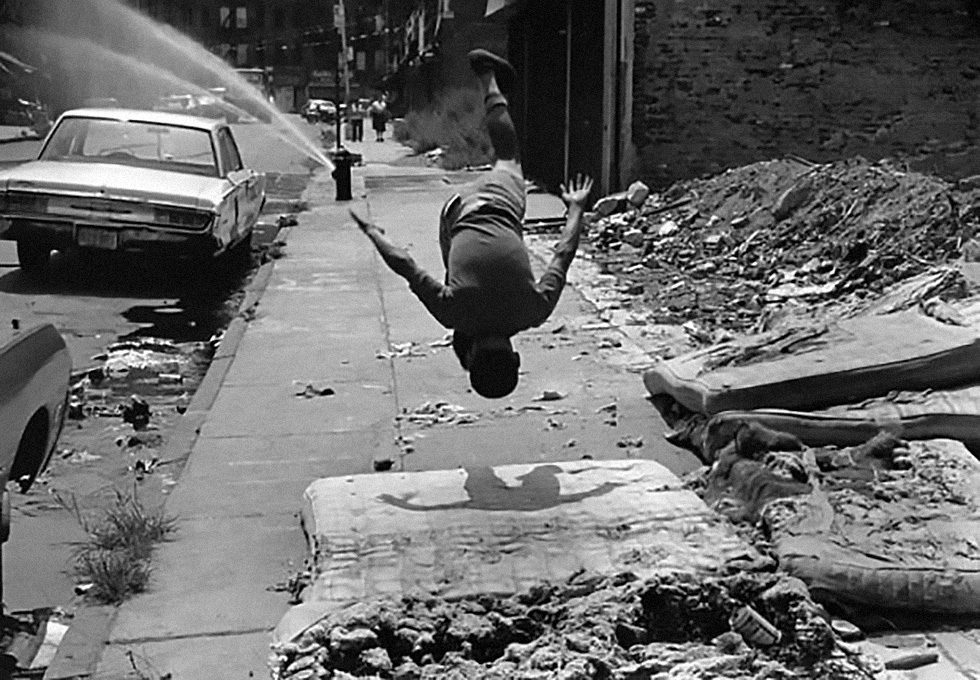
This day is "a day to celebrate our unity in diversity; a day to remind governments to respect their commitments to international agreements; a day to raise public awareness of the importance of solidarity; a day to encourage debate on the ways to promote solidarity for the achievement of the Sustainable Development Goals including poverty eradication; a day of action to encourage new initiatives for poverty eradication." (United Nations)


Solidarity means that those wo suffer or benefit least deserve help from those who benefit most. Since the day the United Nations were founded, their work has been led by the concept of solidarity. Without solidarity there is no peace and security (via).

- - - - - - - - - - -
photograph taken in the Bronx by Mel Rosenthal (1940-2017) via

Wednesday, 9 August 2017

United Nations Declaration on the Rights of Indigenous Peoples

...Affirming that indigenous peoples are equal to all other peoples, while recognizing the right of all peoples to be different, to consider themselves different, and to be respected as such,

Affirming also that all peoples contribute to the diversity and richness of civilizations and cultures, which constitute the common heritage of humankind,


Affirming further that all doctrines, policies and practices based on or advocating superiority of peoples or individuals on the basis of national origin or racial, religious, ethnic or cultural differences are racist, scientifically false, legally invalid, morally condemnable and socially unjust,

Reaffirming that indigenous peoples, in the exercise of their rights, should be free from discrimination of any kind,

Concerned that indigenous peoples have suffered from historic injustices as a result of, inter alia, their colonization and dispossession of their lands, territories and resources, thus preventing them from exercising, in particular, their right to development in accordance with their own needs and interests,


Recognizing the urgent need to respect and promote the inherent rights of indigenous peoples which derive from their political, economic and social structures and from their cultures, spiritual traditions, histories and philosophies, especially their rights to their lands, territories and resources,

Recognizing also the urgent need to respect and promote the rights of indigenous peoples affirmed in treaties, agreements and other constructive arrangements with States, (...)

Recognizing that respect for indigenous knowledge, cultures and traditional practices contributes to sustainable and equitable development and proper management of the environment, (...)

Bearing in mind that nothing in this Declaration may be used to deny any peoples their right to self-determination, exercised in conformity with international law,

Convinced that the recognition of the rights of indigenous peoples in this Declaration will enhance harmonious and cooperative relations between the State and indigenous peoples, based on principles of justice, democracy, respect for human rights, non-discrimination and good faith, (...)

Recognizing and reaffirming that indigenous individuals are entitled without discrimination to all human rights recognized in international law, and that indigenous peoples possess collective rights which are indispensable for their existence, well-being and integral development as peoples,

Recognizing that the situation of indigenous peoples varies from region to region and from country to country and that the significance of national and regional particularities and various historical and cultural backgrounds should be taken into consideration,

Solemnly proclaims the following United Nations Declaration on the Rights of Indigenous Peoples as a standard of achievement to be pursued in a spirit of partnership and mutual respect:

Article 1 - Article 46: DOWNLOAD

- - - - - - - -
photographs via and via, copyright by respective owners

Tuesday, 20 June 2017

World Refugee Day: Ahmed and Harry

"Every minute 20 people leave everything behind to escape war, persecution or terror."
United Nations


"I’ve met so many who have lost so much. But they never lose their dreams for their children or their desire to better our world. They ask for little in return – only our support in their time of greatest need"
António Guterres, UN Secretary-General

Friday, 7 April 2017

International Day of Reflection on the Genocide in Rwanda

"For some European commentators, the question is simple: African 'tribes' are possessed by 'ancestral hatreds' and periodically slaughter each other because it is in their nature to do so."
Prunier (2002)

"Rwanda was definitely not a land of peace and bucolic harmony before the arrival of the Europeans, but there is no trace in its pre-colonial history of systematic violence between Tutsi and Hutu as such."
Prunier (cited in Grünfeld & Huijboom, 2007)


When Europe "generously" divided Africa among European powers in 1884, Rwanda was ascribed to Germany. At that time, the Rwandan population was divided into three groups: Twa (1%), Tutsi (17%), Hutu (vast majority). These groups were not seen as different tribes, they "spoke the same language, shared the same religion, told the same myths and lived in the same places". They differed in appearances.
Then Belgium took over the German rule in Rwanda and implemented its colonisation policies. The Belgians reinforced the Tutsi dominance and supremacy over the Hutu and as they needed to know who was a Tutsi and who was not, in 1933, they gave all Rwandans identity cards classifying them as Hutu, Tutsi or Twa.
"Depending on their appearance, looking like a Tutsi, Hutu or Twa, they were classified as belonging to one group or the other. As a result of inter-marriages that in certain parts of Rwanda were very common, it was impossible to divide many Rwandans into certain groups on the basis of their physical features alone. Wealth could also be a decisive factor in gaining one identity card or another. People who had lot of money or many cows were often able to obtain a Tutsi card. The cards caused discrimination against the Hutu population in all aspects of life, which forced hundreds of thousands of Hutu to flee to neighboring countries."  (Grünfeld & Huijboom, 2007)
The Belgians fixed group identities differentiating between the physical features of the Hutu and Tutsi. They measured nose and skull size, described skin colour, head and body ... measures that decades later erased a Rwandan population.
"Physically different from Tutsis, Longman observes how the Hutus had broader features and were noticeably heavier, shorter, and darker. In contrast, Tutsi were thin, tall, and appeared to look more European. Gnomic differences between the Hutu and Tutsi tribes divided people of the same race, who pre-colonization and pre-genocide, were physically akin." (Nardone, 2010)
"The obsession with physical appearance, aided and abetted by the Tutsi ruling class, led the Europeans to all manner of humiliating folly: measuring of skulls and noses and all the discredited junk of the race theorists who thrived in the heyday of African colonialism. One Belgian doctor wrote: [The Tutsi] ... have a distant, reserved, courteous and elegant manner ... The rest of the population is [Hutu]. They are negroes with all the negroid characteristics ... they are childish in nature both timid and lazy, and as often as not, extremely dirty."  (Keane
It is highly debated among critics, whether the European colonisation incited the violence between the Hutu and the Tutsi that led to the genocide in the 1990s. The categories of Hutu and Tutsi were not invented by the colonisers but the policies Europeans introduced surely exacerbated them leading to an ethnic split "and ensured that the important feeling of belonging to a social group was fuelled by ethnic, indeed racial, hatred" (Grünfeld & Huijboom, 2007). The identity cards which once served to guarantee privilige to the Tutsi were later used to discriminate against them (Verpoorten, 2005).
"The role played by group classification on national identity cards in crimes of genocide in Rwanda and in Nazi Germany should trouble all persons concerned with prevention of genocide. In Nazi Germany in July 1938, only a few months before Kristallnacht, the infamous "J-stamp" was introduced on ID cards and later on passports. The use of specially marked "J-stamp" ID cards by Nazi Germany preceded the yellow Star of David badges. (...) Ethnic classification on ID Cards in Rwanda instituted by the Belgian colonial government and retained after independence, was central in shaping, defining and perpetuating ethnic identity. Once the 1994 genocide in Rwanda began, an ID card with the designation "Tutsi" spelled a death sentence at any roadblock. No other factor was more significant in facilitating the speed and magnitude of the 100 days of mass killing in Rwanda." Jim Fussell, Prevent Genocide International
According to a census carried out by Rwanda's Ministry of Youth, 937.000 Tutsi (almost 80% of the Tutsi population) and politically moderate Hutus were killed during the 100-day period from April to June 1994 (via and via).


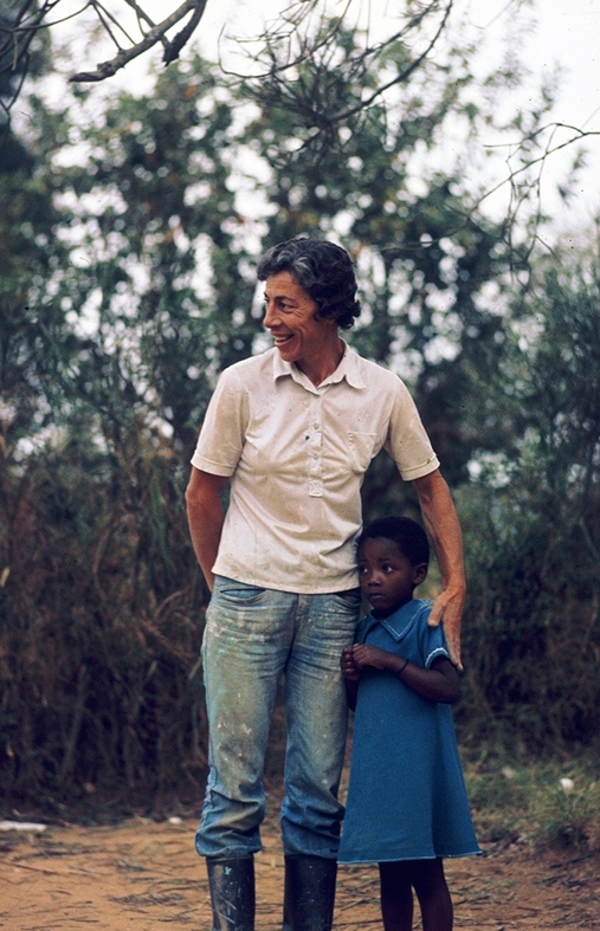
- photographs of Antonia Locatelli (1937-1992), an Italian Roman Catholic missionary educator who had lived in Africa since 1968 and in Rwanda since the early 1970s. Locatelli was shot dead by a group of presidential guards in March 1992 after witnessing massacres on the Tutsi and while trying to save the lives of her pupils (via and via); according to Amnesty International she was killed while assisting thousands of Tutsi who were fleeing violent attacks (via), images via and via
- Grünfeld, F. & Huijboom, A. (2007). The failure to prevent genocide in Rwanda: The role of bystanders. Leiden & Boston: Martinus Nijhoff Publishers
- Prunier, G. (2002). The Rwanda Crisis. History of a Genocide. London: Hurst & Company

Tuesday, 4 April 2017

International Day for Mine Awareness and Assistance in Mine Action

In 2005, the General Assembly of the United Nations declared that 4 April of each year shall be observed as the "International Day for Mine Awareness and Assistance in Mine Action" (via).


More than 100 million mines are scattered across ca. 68 countries. In Egypt, the country most contaminated by landmines, there are approximately 23 million landmines. Every year, tens of thousands of people are killed, injured or permanently disabled by landmines. Between 1999 and 2012, 88.331 people living in about 60 countries were reported to be killed or injured by landmines or explosive remnants of war. Most of the victims are civilians. Many are children (in Cambodia, children account for up to 50% of landmines casualties). Some 1.000 children are killed or injured every year. Other children lose a family member as a result of a mine blast and face challenges from the loss of the care giver or household breadwinner. While boys and men form the largest groups of mine victims, girls and women often experience greater difficultires in getting the medical and psychosocial care they need. Landmines continue to threaten lives years after hostilities have officially ended and cause injuries that are much more severe than those caused by other weapons.
"When a person steps on a buried anti-personnel mine, the detonation is likely to rip off one or both of his or her legs and drives soil, grass, gravel, metal and plastic fragments of the mine casing, pieces of shoe and shattered bone up into the muscles and lower parts of the body. If it explodes while being handled, a mine can blow off fingers, hands, arms, and injure parts of the face, abdomen and chest."
Usually, health and social structures in mine-affected countries are devastated by years of conflict. Mine victims, therefore, often do not receive the care needed. Most of them live in the poorest countries that have not yet recovered from years - or sometimes decades - of war. In addition, removing mines is costly. Mines cost between 3 and 30 dollars, removing them costs between 300 and 1.000 dollars. If we continue at this pace, it will take nearly 1.100 years to clear all the mines in the world (via and via and via and via and via and via). But it does not have to take that long. Mozambique is a "compelling example" of how the problem can be tackled. After more than 30 years of conflict, more than 200.000 landmines were scattered across the country. Around 80% (171.000 mines) of them were destroyed in the past twenty years helping the country to recover (via). With support, every country can be mine free.


::: U.N. Landmine Removal Commercial: WATCH/LISTEN
::: "Lend Your Leg", United Nations (2012): WATCH/LISTEN
::: UNICEF commercial: WATCH/LISTEN
::: "Betty", a Marco Grob film narrated by Daniel Craig: WATCH/LISTEN

- - - - - - - - - - - - - -
photographs via and via

Friday, 24 March 2017

International Day for the Right to the Truth Concerning Gross Human Rights Violations and for the Dignity of Victims

On 21 December 2010, the United Nations General Assembly proclaimed 24 March as the International Day for the Right to the Truth concerning Gross Human Rights Violations and for the Dignity of Victims.


The purpose of the Day is to:

- Honour the memory of victims of gross and systematic human rights violations and promote the importance of the right to truth and justice;
- Pay tribute to those who have devoted their lives to, and lost their lives in, the struggle to promote and protect human rights for all;
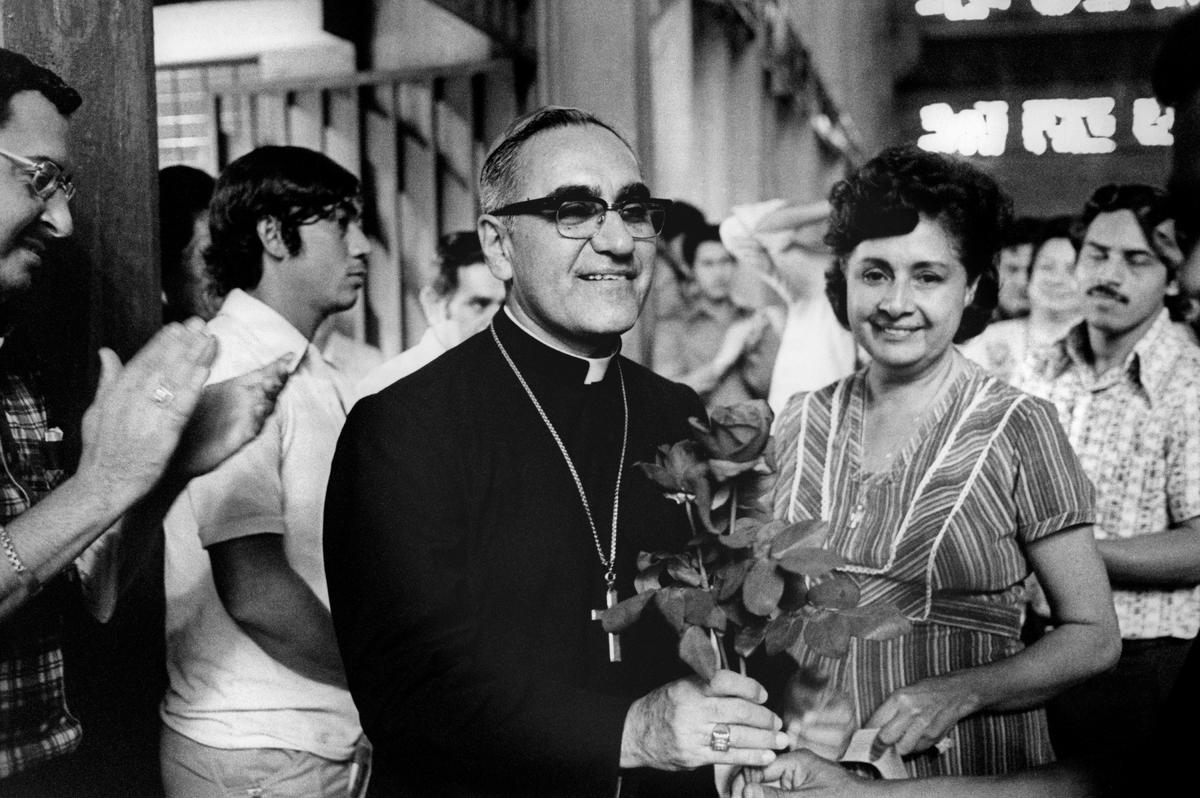
- Recognize, in particular, the important work and values of Archbishop Oscar Arnulfo Romero, of El Salvador, who was assasinated on 24 March 1980, after denouncing violations of the human rights of the most vulnerable populations and defending the principles of protecting lives, promoting human dignity and opposition to all forms of violence. (literally via)


Óscar Arnulfo Romero y Galdámez (1917-1980) was the fourth Archbishop of San Salvador. He spoke out "against poverty, social injustice, assassinations and torture" and was assassinated while offering Mass in the chapel of a cancer hospital in 1980 - one year after the Revolutionary Government Junta came to power. A sniper from a right-wing death squad shot him in the heart. Three years before, his friend Rutilio Grande, a Jesuit priest who created self-reliance groups among the poor, was assassinated (via and via).
"When I looked at Rutilio lying there dead I thought, 'If they have killed him for doing what he did, then I too have to walk the same path'". Oscar Romero
Romero was the "voice of those witout voice", the "most outspoken voice against the death squad slaughter", a priest who told the poor to seek justice in this world and not to wait for the next. His assassination plunged El Salvador into a civil war that left 80.000 dead and 8.000 disappeared. Little was done to investigate his murder, details went to grave with him and thousands of others who were killed (via and via).
"For me, though, Archbishop Oscar Romero is not just the greatest bishop in Christian history, he is one of the greatest human beings in history — right up there with the likes of Jeremiah and Isaiah, Francis and Clare, Mahatma Gandhi and Dorothy Day, Martin Luther King, Jr. and Rosa Parks, Thich Nhat Hanh and Archbishop Tutu. Oscar Romero is the epitome of what it means to be a Christian — a prophet of peace, justice and nonviolence.
And that’s precisely the problem. That’s why he was killed. That’s why so many church authorities ignore him, resent him, even hate him." John Dear
In 2015, Pope Francis declared Romero a martyr for his faith (via). What Óscar Romero and Pope Francis very much have in common is the philosophy of liberation theology which says that the Gospel contains a preference for the poor and that the Church has the duty to work for political, economic and spiritual change. This theology is not appreciated by conservatives in the Catholic Church who regarded the pro-poor movement as a Marxist Trojan horse and spent more than three decades blocking Romero's path to sainthood (via).
"For centuries, the Church had been telling the poor that their sufferings were God’s will, but now young priests were coming to rural areas to tell them that an unjust political and economic system, not God, was to blame for their miserable condition. God wanted them to live decent lives in this world, before they went to Heaven. The church was there to help them. It was a radical change, a revolution. The poor now had religious support to organize and defend themselves against the landowners, the oligarchy, the wealthiest people in one of the most unequal regions in the world, and against their repressive military apparatus." Carlos Dada
- - - - - - - - - - - - - -
photographs via and via

Friday, 2 December 2016

International Day for the Abolition of Slavery

"Slavery did not end with abolition in the 19th century."
Anti-Slavery International

"The focus of this day is on eradicating contemporary forms of slavery, such as trafficking in persons, sexual exploitation, the worst forms of child labour, forced marriage, and the forced recruitment of children for use in armed conflict."
United Nations


According to the International Labour Organisation, about 21 million men, women and children are in a form of slavery. These contemporary forms of slavery comprise forcing women into prostitution, forcing girls into marriage with older men and forcing children and adults to work for nothing (via). The use of children in armed conflicts is a lucrative contemporary manifestation of slavery. Recruiting children for participation in armed conflict or for sexual exploitation falls under the ambit of "trafficking in persons." Child soldiering interferes with a child's "fundamental right to education, health, and development" and is one of the worst forms of child labour. As if combats were not traumatic enough, the exploitation of child soldiers is usually accompanied by torture, sexual violence, sexual exploitation and sadistic treatment that desensitizes children to both the sight and commission of atrocities ... which finally may turn them into "killing machines" (Tiefenbrun, 2007). The reintegration of the children who had been subject to abuse in this highly pathological environment into civilian life is complex and difficult (via), but possible. From 2008 to 2009, Unicef helped to reintegrate more than 24.000 former child soldiers (via). In some countries, almost a third of the child soldiers are girls who additionally encounter forced pregnancy.
"Child soldiers serve within militaries and armed groups in which complete cooperation and obedience is demanded, in contexts where moral and legal safeguards against their abuse may have broken down. In this context sexual violence becomes sexual exploitation."
"Child soldiers are brainwashed thoroughly and brutally until their ethics and moral values become so distorted that they believe doing evil is good."
Child soldiering is a widespread phenomenon. During the civil war in Sierra Leone, for instance, about 25.000 children - some as young as six - were abducted and fored to join armed groups (Tiefenbrun, 2007). From 2009 to 2012, 18.000 children were forced to join guerrilla groups and paramilitaries in Colombia. While extreme poverty is the common denominator, indigenous Colombians are particularly vulnerable (via). Of the 31 countries where there were armed conflicts in 1998, 87% used child soldiers (via). It is estimated that there are currently 300.000 children in armed groups around the world. Many of them are child soldiers, others are "Children Associated with Armed Forces and Groups" who are used as cooks, spies, porters or "wives" for adult fighters (via).


- Tiefenbrun, S. (2007). Child Soldiers, Slavery and the Trafficking of Children. Fordham International Law Journal, 31(2), 413-486.
- photographs (first one by Marcus Bleasdale) via and via

Friday, 25 November 2016

International Day for the Elimination of Violence against Women

"Violence against women takes many forms – physical, sexual, psychological and economic. These forms of violence are interrelated and affect women from before birth to old age. Some types of violence, such as trafficking, cross national boundaries."
United Nations


"Violence against women - particularly intimate partner violence and sexual violence - are major public health problems and violations of women's human rights.
Recent global prevalence figures indicate that about 1 in 3 (35%) of women worldwide have experienced either physical and/or sexual intimate partner violence or non-partner sexual violence in their lifetime.
Most of this violence is intimate partner violence. Worldwide, almost one third (30%) of women who have been in a relationship report that they have experienced some form of physical and/or sexual violence by their intimate partner.
Globally, as many as 38% of murders of women are committed by an intimate partner. Violence can negatively affect women’s physical, mental, sexual and reproductive health, and may increase vulnerability to HIV.
Factors associated with increased risk of perpetration of violence include low education, child maltreatment or exposure to violence in the family, harmful use of alcohol, attitudes accepting of violence and gender inequality.
Factors associated with increased risk of experiencing intimate partner and sexual violence include low education, exposure to violence between parents, abuse during childhood, attitudes accepting violence and gender inequality. (...)
Situations of conflict, post conflict and displacement may exacerbate existing violence, such as by intimate partners, and present additional forms of violence against women."
World Health Organization

"An estimated 133 million girls and women have experienced some form of female genital mutilation/cutting in the 29 countries in Africa and the Middle East where the harmful practice is most common.
Worldwide, more than 700 million women alive today were married as children, 250 million of whom were married before the age of 15. Girls who marry before the age of 18 are less likely to complete their education and more likely to experience domestic violence and complications in childbirth."
United Nations

"In Australia, Canada, Israel, South Africa and the United States, 40 to 70 per cent of female murder victims were killed by their partners, according to the World Health Organization.
In Colombia, one woman is reportedly killed by her partner or former partner every six days."
United Nations

"(B)etween 15% of women in Japan and 71% of women in Ethiopia reported physical and/or sexual violence by an intimate partner in their lifetime."
World Health Organization

"The costs and consequence of violence against women last for generations."
United Nations

"The social and economic costs of intimate partner and sexual violence are enormous and have ripple effects throughout society. Women may suffer isolation, inability to work, loss of wages, lack of participation in regular activities and limited ability to care for themselves and their children."
World Health Organization

"The cost of intimate partner violence in the United States alone exceeds $5.8 billion per year: $4.1 billion is for direct medical and health care services, while productivity losses account for nearly $1.8 billion.
A 2004 study in the United Kingdom estimated the total direct and indirect costs of domestic violence, including pain and suffering, to be £23 billion per year or £440 per person."
United Nations


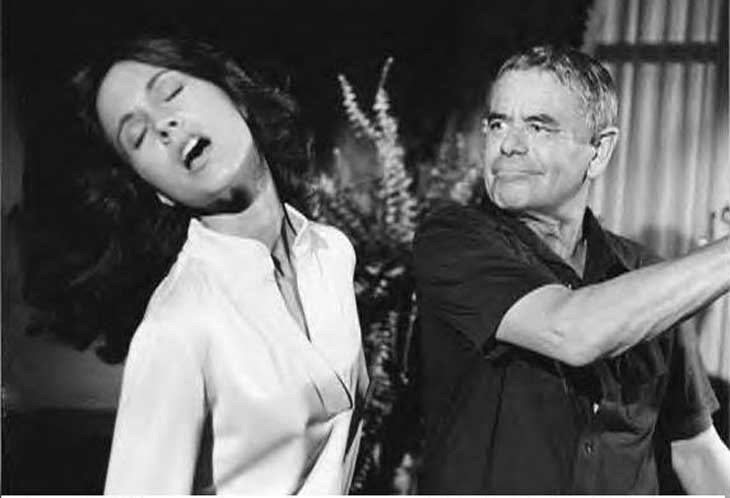
::: Luca Lavarone's clip "Slap her": WATCH

- - - - - -
image via

Thursday, 13 October 2016

Honorary Ambassador for the Empowerment of Women and Girls

"Women's strong qualities have become despised because of their weakness. The obvious remedy is to create a feminine character with all the strength of Superman plus all the allure of a good and beautiful woman."
William Moulton Marston

Wonder Woman - the comic character, not actress Lynda Carter - will be honoured at her 75th birthday by becoming the United Nations' new Honorary Ambassador for the Empowerment of Women and Girls. The US Postal Service marks her birthday with the issue of four Wonder Woman stamps.


"Not even girls want to be girls so long as our feminine archetype lacks force, strength, and power."
William Moulton Marston

Wonder Woman was created by William Moulton Marston (1893-1947) and had her debut on 21 October 1941. According to DC, the story was "meant to test her appeal at a time when female superheroes were rare”, but the character “quickly broke out and headlined her own title by the next year".


On 21 October 2016, Wonder Woman will officially be designated for the position at a ceremony at the UN headquarters in New York City. Diane Nelson, DC Entertainment President, will accept the designation on behalf of Wonder Woman; Ban Ki-moon will attend the announcement.
Wonder Woman's 75th birthday will also be the day, the UN's global campaign achieving gender equality and empowering all women and girls will be launched (via).


"Seventy-five years ago, while most comic book damsels in distress helplessly awaited rescue by their male protectors, Wonder Woman confidently brushed aside this established gender barrier. In groundbreaking tales, Wonder Woman continues to defuse the havoc of a male-dominated world—always with justice, equality, and peace. The U.S. Postal Service® celebrates her diamond anniversary by chronicling her evolution in comics, from her World War II origins to today.
In the wake of Superman’s phenomenal launch in 1938, hordes of copycat Super Heroes appeared in the pages of comic books. Most were short-lived, some endured, and virtually all were male characters. Then, in 1941, came Wonder Woman. With her peaceful ways and fearlessness, Wonder Woman stood out from the pack.
Creator William Moulton Marston was a psychologist who contributed toward the development of the polygraph—“lie detector”—and whose theories about women’s potential were atypical of his era. The middle-aged Ivy Leaguer was unlike most creators of Super Heroes in the genre’s early days: typically scrappy young sons of immigrants, seeking opportunity during the Depression. In comic books Marston recognized a powerful medium for his message. For this mission he assumed a secret identity: Charles Moulton.
Marston’s Wonder Woman was unique in its throwback visual style and its fast-forward intentions for society. He expressed a view that women’s power lies in their superior capacity to love and believed that women should rule the world—and would do a better job of it than men.
Although Wonder Woman was preceded by a handful of female characters who could be deemed Super Heroes, she quickly eclipsed them all. (...)"
USPS


Images via and via and via and via

Tuesday, 9 August 2016

International Day of the World's Indigenous Peoples: The Right to Education

This year's International Day of the World's Indigenous Peoples is devoted to the right to education.
“Indigenous peoples have the right to establish and control their educational systems and institutions providing education in their own languages, in a manner appropriate to their cultural methods of teaching and learning.” (United Nations)

Photograph: School children stand on the deck of boat near St. Michael's Indian Residential School, Alert Bay, B.C. (National Centre for Truth and Reconciliation Archives) (via)

- The present:

"Barriers to education for indigenous students include stigmatization of indigenous identity and low selfesteem of indigenous learners; discriminatory and racist attitudes in the school environment, including in textbooks and materials and among non-indigenous students and teachers; language barriers between indigenous learners and teachers; inadequate resources and low prioritization of education for indigenous peoples, reflected in poorly trained teachers as well as lack of textbooks and resources."

"In Nunavut, the northernmost territory in Canada, Inuit high-school graduation rates are well below average, and only 40 per cent of all school-age indigenous children are attending school full time.
In Australia, participation of indigenous 15-19 year-olds in higher education stood at 60 per cent in 2013, well below the 80 per cent participation for all Australians in the same age group.
In the Latin America and Caribbean region, on average, 85 per cent of indigenous children attend secondary education, but only 40 per cent complete that level of education."
(United Nations)

- The link:

"The present plight, in terms of health, employment, education, living conditions and selfesteem, of so many Aborigines must be acknowledged as largely flowing from what happened in the past. The dispossession, the destruction of hunting fields and the devastation of lives were all related. The new diseases, the alcohol and the new pressures of living were all introduced. True acknowledgment cannot stop short of recognition of the extent to which present disadvantage flows from past injustice and oppression …"
(Human Rights and Equal Opportunity Commission Australia, 1997)

- The past:

"The aim of education is to destroy the Indian."
Nicholas Flood David Report, 1879

"Canada’s residential school system for Aboriginal children was an education system in name only for much of its existence. These residential schools were created for the purpose of separating Aboriginal children from their families, in order to minimize and weaken family ties and cultural linkages, and to indoctrinate children into a new culture—the culture of the legally dominant Euro-Christian Canadian society, led by Canada’s first prime minister, Sir John A. Macdonald. The schools were in existence for well over 100 years, and many successive generations of children from the same communities and families endured the experience of them."

"In justifying the government’s residential school policy, Canada’s first prime minister, Sir John A. Macdonald, told the House of Commons in 1883:
When the school is on the reserve the child lives with its parents, who are savages; he is surrounded by savages, and though he may learn to read and write his habits, and training and mode of thought are Indian. He is simply a savage who can read and write. It has been strongly pressed on myself, as the head of the Department, that Indian children should be withdrawn as much as possible from the parental influence, and the only way to do that would be to put them in central training industrial schools where they will acquire the habits and modes of thought of white men.
(Truth and Reconciliation Commission of Canada, 2015)

As Missionary Hugh McKay put it in 1903, the Indian residential school system was established to "kill the Indian in the child" (via).

- The future:

"Efforts should be made to ensure that indigenous peoples have access to education that is culturally and linguistically appropriate and that does not aim at or result in unwanted assimilation.
Instruction in the mother-tongue language is recommended for indigenous children, youth and adults. Where indigenous language is not the mother language (i.e. where the language is not being transmitted), language revitalization programmes should be integrated into the education system.
The educational attainment of indigenous women and girls often lags behind that of other segments of the population. Special priority must be given to ensuring that indigenous women and girls have access to and benefit from education.
Second chance, vocational training and adult literacy education programmes are an important element of inclusive education with many long-lasting benefits for indigenous peoples."
(United Nations)


Photograph: Girls brushing teeth in residential school (via)

- - - - - - - - - - -
- Human Rights and Equal Opportunity Commission Australia (1997) Bringing them home. National Inquiry into the Separation of Aboriginal and Torres Strait Islander Children from Their Families, 524 pages (pdf)
- Truth and Reconciliation Commission of Canada (2015) Honouring the Truth, Reconciling for the Future. Summary of the Final Report of the Truth and Reconciliation Commission of Canada, 536 pages (pdf)

Monday, 20 June 2016

World Refugee Day: Message by Ban Ki-moon

"Forced displacement has reached unprecedented levels, with more than 65 million people uprooted from their homes globally. New and recurring conflicts, and ever-more disturbing forms of violence and persecution, are driving people to flee in search of safety within their own countries, or to cross international borders as asylum seekers or refugees. Others are living in long-term exile, as solutions to protracted conflicts remain elusive. At the end of 2015, there were 21.3 million refugees, 3.2 million people in the process of seeking asylum, and 40.8 million people internally displaced within their own countries.


World Refugee Day is a moment for taking stock of the devastating impact of war and persecution on the lives of those forced to flee, and honouring their courage and resilience. It is also a moment for paying tribute to the communities and States that receive and host them, often in remote border regions affected by poverty, instability and underdevelopment, and beyond the gaze of international attention. Nine out of ten refugees are today living in poor and middle income countries close to situations of conflict.


Last year, more than 1 million refugees and migrants arrived in Europe across the Mediterranean, in unseaworthy dinghies and flimsy boats. Thousands did not make it — tragic testimony to our collective failure to properly address their plight. Meanwhile, divisive political rhetoric on asylum and migration issues, rising xenophobia, and restrictions on access to asylum have become increasingly visible in certain regions, and the spirit of shared responsibility has been replaced by a hate-filled narrative of intolerance. We see a worrisome increase in the use of detention and in the construction of fences and other barriers.


With anti-refugee rhetoric so loud, it is sometimes difficult to hear the voices of welcome. But these do exist, all around the world. In the past year, in many countries and regions, we have witnessed an extraordinary outpouring of compassion and solidarity, as ordinary people and communities have opened their homes and their hearts to refugees, and States have welcomed new arrivals even while already hosting large numbers of refugees. (...)


We must stand together with the millions of men, women and children who flee their homes each year, to ensure that their rights and dignity are protected wherever they are, and that solidarity and compassion are at the heart of our collective response."

Ban Ki-moon, Secretary-General message on World Refugee Day 20 June 2016


“It was quite a hot day. The policeman took his (or his colleague’s) wedding ring and played a game with the girl. He hid the ring in a hand and the girl was asked to guess which hand held the ring. They played together for a short while.”
Claus Fisker

photographs of Danish police officer playing with Syrian refugee girl taken by Claus Fisker near the German-Danish border in September 2015 via and via and via and via and via

Saturday, 21 May 2016

World Day for Cultural Diversity for Dialogue and Development

"In a diverse world, the destruction of cultures is a crime, and uniformity is a dead-end: our aim must be to enhance, in one movement, the diversity that enriches us and the human rights that bring us together."
Irina Bokova, Director-General of UNESCO


In 2002, UNESCO declared 21st of May to be the World Day for Cultural Diversity for Dialogue and Development. Since 2011, the grassroots campaign "Do One Thing For Diversity and Inclusion" has been celebrating the world day encouraging people and organisations from around the world to take action, to raise awareness about the importance of intercultural dialogue, diversity and inclusion, to build a world community of individuals committed to support diversity, to combat polarisation and stereotypes (via).


Universal Declaration on Cultural Diversity, excerpts:

IDENTITY, DIVERSITY AND PLURALISM

Article 1 – Cultural diversity: the common heritage of humanity

Culture takes diverse forms across time and space. This diversity is embodied in the uniqueness and plurality of the identities of the groups and societies making up humankind. As a source of exchange, innovation and creativity, cultural diversity is as necessary for humankind as biodiversity is for nature. In this sense, it is the common heritage of humanity and should be recognized and affirmed for the benefit of present and future generations.

Article 2 – From cultural diversity to cultural pluralism

In our increasingly diverse societies, it is essential to ensure harmonious interaction among people and groups with plural, varied and dynamic cultural identities as well as their willingness to live together. Policies for the inclusion and participation of all citizens are guarantees of social cohesion, the vitality of civil society and peace. Thus defined, cultural pluralism gives policy expression to the reality of cultural diversity. Indissociable from a democratic framework, cultural pluralism is conducive to cultural exchange and to the flourishing of creative capacities that sustain public life.

Article 3 – Cultural diversity as a factor in development
Cultural diversity widens the range of options open to everyone; it is one of the roots of development, understood not simply in terms of economic growth, but also as a means to achieve a more satisfactory intellectual, emotional, moral and spiritual existence.

CULTURAL DIVERSITY AND HUMAN RIGHTS

Article 4 – Human rights as guarantees of cultural diversity

The defence of cultural diversity is an ethical imperative, inseparable from respect for human dignity. It implies a commitment to human rights and fundamental freedoms, in particular the rights of persons belonging to minorities and those of indigenous peoples. No one may invoke cultural diversity to infringe upon human rights guaranteed by international law, nor to limit their scope.

Article 5 – Cultural rights as an enabling environment for cultural diversity

Cultural rights are an integral part of human rights, which are universal, indivisible and interdependent. The flourishing of creative diversity requires the full implementation of cultural rights as defined in Article 27 of the Universal Declaration of Human Rights and in Articles 13 and 15 of the International Covenant on Economic, Social and Cultural Rights. All persons have therefore the right to express themselves and to create and disseminate their work in the language of their choice, and particularly in their mother tongue; all persons are entitled to quality education and training that fully respect their cultural identity; and all persons have the right to participate in the cultural life of their choice and conduct their own cultural practices, subject to respect for human rights and fundamental freedoms.

Article 6 – Towards access for all to cultural diversity

While ensuring the free flow of ideas by word and image care should be exercised so that all cultures can express themselves and make themselves known. Freedom of expression, media pluralism, multilingualism, equal access to art and to scientific and technological knowledge, including in digital form, and the possibility for all cultures to have access to the means of expression and dissemination are the guarantees of cultural diversity. 

CULTURAL DIVERSITY AND CREATIVITY

Article 7 – Cultural heritage as the wellspring of creativity

Creation draws on the roots of cultural tradition, but flourishes in contact with other cultures. For this reason, heritage in all its forms must be preserved, enhanced and handed on to future generations as a record of human experience and aspirations, so as to foster creativity in all its diversity and to inspire genuine dialogue among cultures.

Article 8 – Cultural goods and services: commodities of a unique kind

In the face of present-day economic and technological change, opening up vast prospects for creation and innovation, particular attention must be paid to the diversity of the supply of creative work, to due recognition of the rights of authors and artists and to the specificity of cultural goods and services which, as vectors of identity, values and meaning, must not be treated as mere commodities or consumer goods.

Article 9 – Cultural policies as catalysts of creativity

While ensuring the free circulation of ideas and works, cultural policies must create conditions conducive to the production and dissemination of diversified cultural goods and services through cultural industries that have the means to assert themselves at the local and global level. It is for each State, with due regard to its international obligations, to define its cultural policy and to implement it through the means it considers fit, whether by operational support or appropriate regulations.

- - - - - - - - - - - - - - - - - - -
photographs by Leonard Freed (Harlem fashion show, 1963) via and via

Tuesday, 8 March 2016

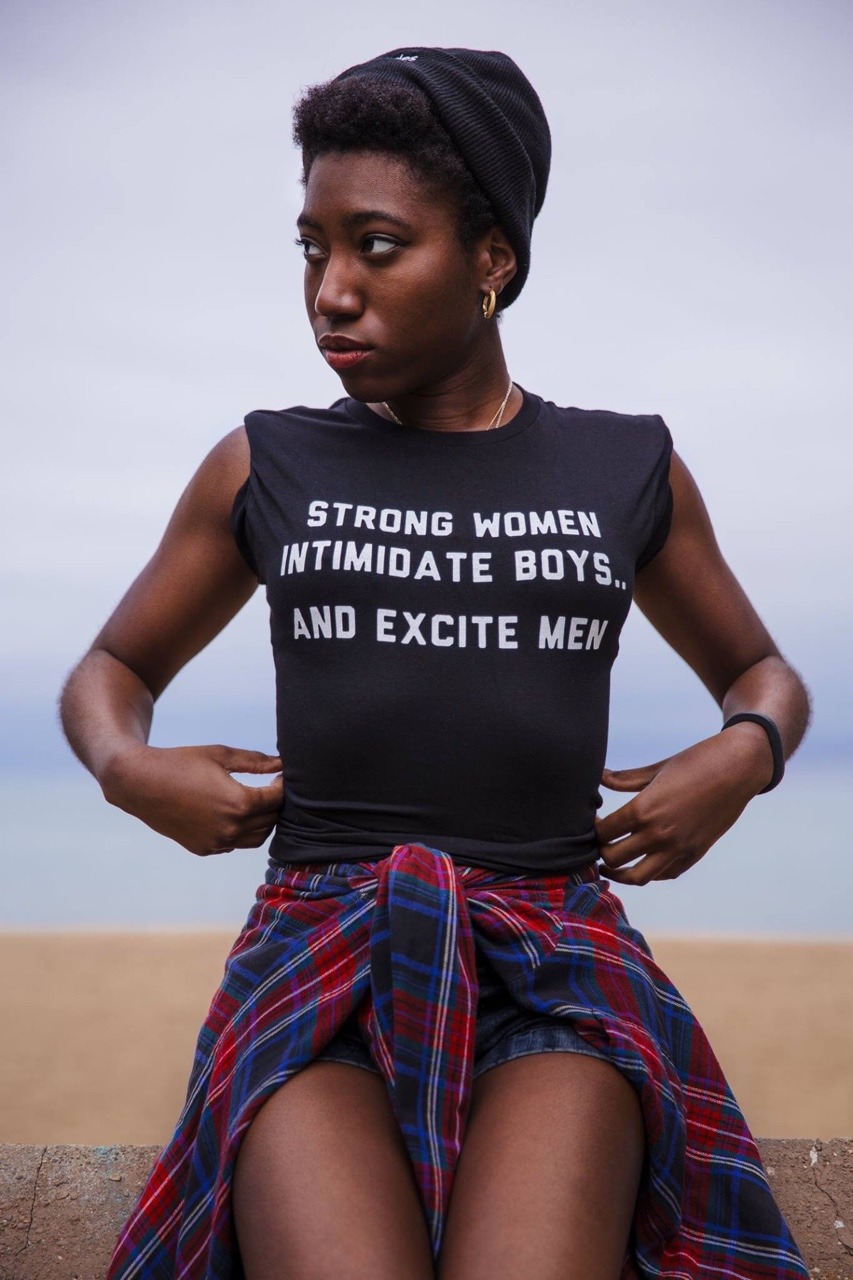
International Women's Day: From the Glass Ceiling to a Carpet of Shards

As a boy growing up in post-war Korea, I remember asking about a tradition I observed: women going into labour would leave their shoes at the threshold and then look back in fear. “They are wondering if they will ever step into those shoes again,” my mother explained.


More than a half-century later, the memory continues to haunt me. In poor parts of the world today, women still risk death in the process of giving life. Maternal mortality is one of many preventable perils. All too often, female babies are subjected to genital mutilation. Girls are attacked on their way to school. Women’s bodies are used as battlefields in wars. Widows are shunned and impoverished.

We can only address these problems by empowering women as agents of change.

For more than nine years, I have put this philosophy into practice at the United Nations. We have shattered so many glass ceilings we created a carpet of shards. Now we are sweeping away the assumptions and bias of the past so women can advance across new frontiers.
(...) 

Confucius taught that to put the world in order, we must begin in our own circles. (...)

On this International Women’s Day, I remain outraged by the denial of rights to women and girls – but I take heart from the people everywhere who act on the secure knowledge that women’s empowerment leads to society’s advancement. Let us devote solid funding, courageous advocacy and unbending political will to achieving gender equality around the world. There is no greater investment in our common future.

Ban Ki-moon

- - - - - - - - - -
photograph via