![]() Age |
![]() Disability |
![]() Ethnicity |
![]() Queer |
![]() Religion |
![]() Gender |
![]() Stereotypes |
![]() -isms |
![]() Quotes |
![]() World days |
![]() Music |
![]() Space |
![]() Sports |
![]() Health |
![]() Marketing |
![]() Urban planning |
![]() Narrative images |
![]() Birthday |
![]() Language |
![]() Segregation |
![]() School |
Saturday, 26 October 2024
The Demolition of Ableism. By Linda Williams.
Sunday, 16 June 2024
"Early in the morning, there's tolerance and later in the day it disappears." On Stress and Stigma.
Friday, 22 March 2024
The Tenor of American Emotional Life
Friday, 3 November 2023
Personality Disorders, Eccentricities or Ageism?
Abstract: Personality disorders, especially in older adults, are among the most difficult psychiatric disorders for nurses to assess. When aging further complicates these disorders, nurses' therapeutic skills are challenged. It has long been thought that personality disorders "age out," but new research indicates that personality disorders may in fact continue throughout the life span.
In addition, the primary and secondary changes of aging further complicate assessment. Assessment of personality disorders in older adults may also be distorted by ageist stereotypes and a lack of understanding of cultural context. Likewise, nurses must be careful about misinterpreting "eccentric" older adult behavior as a personality disorder. In this article, we focus on assessment challenges in older adults to help nurses distinguish between characteristics of personality disorders, stereotypes, and eccentricities in this population. (Magoteaux & Bonnivier, 2009)
- - - - - - - - - - - - - -
- Magoteaux, A. L. & Bonnivier, J. F. (2009). Distinguishing between personality disorders, stereotypes, and eccentricities in older adults. Journal of Psychosocial Nursing and Mental Health Services, 47(7), 19-24, link
- photograph of Bette Davis via
Thursday, 17 November 2022
When did you forget how to fly? By Samira Saidi.
Samira Saidi
photographs via
Saturday, 8 October 2022
Gender Dysphoria
The DSM-5-TR defines gender dysphoria as an incongruence between one’s experienced gender and their assigned gender. It lasts at least six months and is manifested by at least two of the following criteria:
- - - - - - - -
photograph by Bruce Gilden via
Monday, 18 July 2022
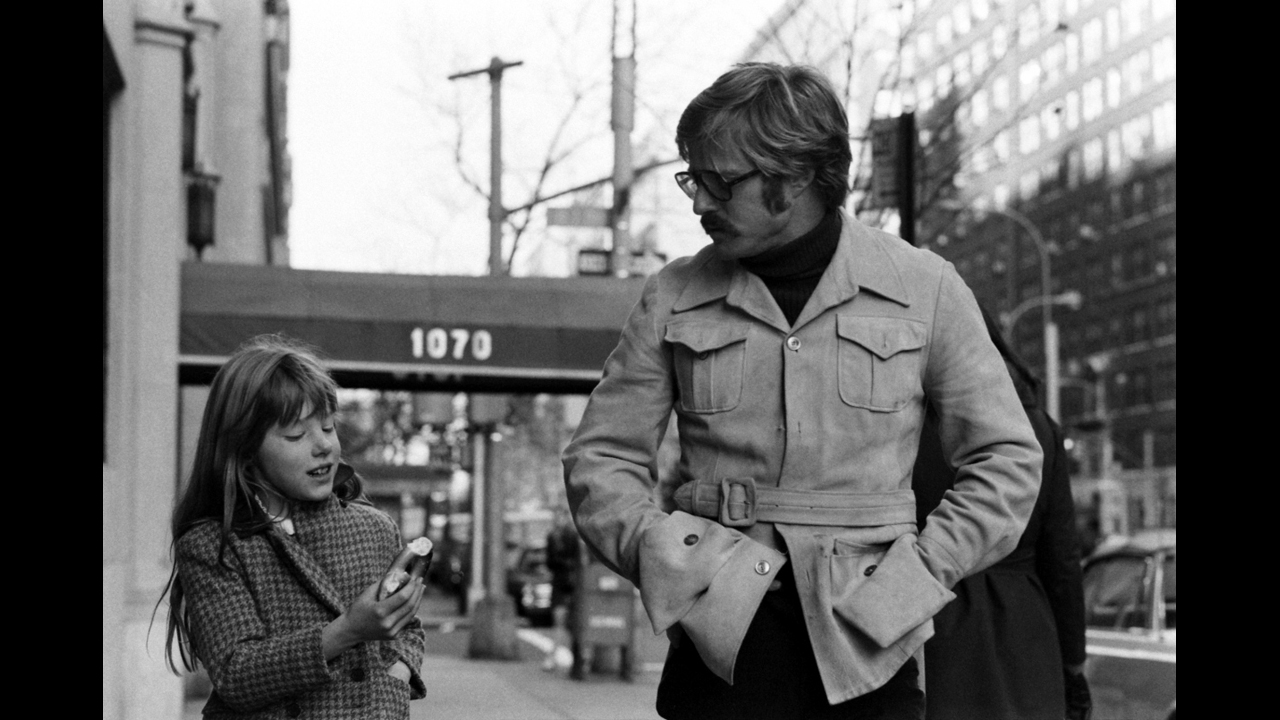
Single Fathers: A Growing and Neglected Population
The number of single-parent families is rising and most of them are headed by single mothers. Nevertheless, single fathers represent a sizeable proportion and are both a growing population and largely understudied since research on single parenthood mostly focuses on single mothers, their greater risk of mortality, poorer self-rated (mental) health and lower socio-economic status. "What do we know about these fathers, and their health and wellbeing? Alarmingly, the answer is: not very much."
We need to take single fatherhood much more seriously as a public health issue. Understanding the way families have evolved and are likely to evolve is crucial to meet their needs and for policy planning. Families do not exist in a vacuum. They depend on the social and economic environments around them. Issues of isolation (real or perceived) and grief may be as important for health as traditional risk factors. We need to ensure that there is better community and social support for single fathers. Social and life circumstances of single parents are crucial to getting the fuller picture of their health. (via)
Thursday, 13 January 2022
Pandemic Depression + Age
"The COVID-19 pandemic has had a disproportionated impact on older adults, with groups of people who were already marginalized feeling a far greater negative impact." Parminder Raina
- - - - - -
- Raina, P., Wolfson, C., Griffith, L., Kirkland, S., McMillan, J., Basta, N. Joshi, D., Erbas-Oz, U., Sohel, N., Maimon, G., Thompson, E. & CLSA team (2021). A longitudinal analysis of
the impact of the COVID-19 pandemic on the mental health of middle-aged and
older adults from the Canadian Longitudinal Study on Aging. Nature Aging,
1, 1137- 1147; link
- photograph by Harvey Stein
via
Monday, 15 November 2021
Somewhere along the line, music and photography picked me up.
"I just want my images out there. Being homeless and not having a family unit, or people to help you, can create depression and push people further away from society. Perhaps people might see this and recognise a friend experiencing something similar and reach out to them." Wayne
"Lots of things were not going well for me at the time but it helped to take out a camera. Some of the pictures remind me that I need to ignite the fire within me to survive. Mentally, I am in a very nervous and scared place right now. No day is ever easy." Wayne
"I guess my interest in photography comes from not being able to communicate." Wayne
"When I take photographs, I think about something other than being homeless or wanting to use.” Wayne
"I was trying to show survival, whatever that looks like. The struggle and how I get by day-to-day; how I maintain my humanity." Wayne
"I look just like a normal person, so in a way that brings a normality to it. It makes it easy for people to forget. But I want people to know – especially those living in London – that these are the problems that people are facing. It is very real.” Wayne
Wednesday, 7 October 2020
Homogenising the Way the World Goes Mad
We have the uneasy feeling that our influence over the rest of the world is coming at a great cost, loss of the world's diversity and complexity. For all our self-incrimination, however, we have yet to face our most disturbing effect on the rest of the world. Our golden arches do not represent our most troubling impact on other cultures, rather, it is how we are flattening the landscape of the human psyche itself. We are engaged in the grand project of Americanizing the world's understanding of the human mind.
(...) Particularly telling are the changing manifestations of mental illnesses around the world. In the past two decades, for instance, eating disorders have risen in Hong Kong and are now spreading to inland China. (...) In addition, a particularly Americanized version of depression is on the rise in countries across the world.
(...) Over the past thirty years, we Americans have been industriously exporting our ideas about mental illness. Our definitions and treatments have become the international standards. Although this has often been done with the best of intentions, we've failed to foresee the full impact of these efforts. It turns out that how a people in a culture think about mental illnesses - how they categorize and prioritize the symptoms, attempt to heal them, and set expectations for their course and outcome - influences the diseases themselves. In teaching the rest of the world to think like us, we have been, for better and worse, homogenizing the way the world goes mad. (excerpts)
- - - - - - -
- Watters, E. (2010). Crazy Like Us. The Globalization of the American Psyche. New York, London, Toronto & Sydney: Free Press.
- photograph (America Seen Through Stars and Stripes, New York City, 1976, by Ming Smith) via
Friday, 17 July 2020
Using Design to Redefine an Empathetic Mental Health Assessment
"When I was 17 I became unwell for a year. Accessing and using mental health services was a very traumatic experience which I buried and felt ashamed of for a long time. Years after I discovered many people had had similar experiences and we all shared the same thoughts. That is why I decided to use design to redefine what an empathetic mental health assessment can look like, as done by people who had gone through it."
Sarah Lopez Ibanez
- - - - - - -
photograph via
Monday, 23 December 2019
Quoting Joker
Joker
- image (Joaquin Phoenix, Joker, 2019) via
(partly) interesting read:
- Joker's depiction of mental illness, The Guardian, link
- Impressive dramatic performances aside, Independent, link
- 'Joker' makes an explicit connection, Business Insider, link
- Trying to diagnose the 'Joker', Insider, link
Monday, 12 November 2018
If Your Mate's Acting Differently, Ask Twice
Monday, 2 July 2018
Anthropology and the Abnormal, by Ruth Benedict (1934)
It is a point that has been made more often in relation to ethics than in relation to psychiatry. We do not any longer make the mistake of deriving the morality of our own locality and decade directly from the inevitable constitution of human nature. We recognize that morality differs in every society, and is a convenient term for socially approved habits. Mankind has always preferred to say 'It is morally good' rather than 'It is habitual,' and the fact of this preference is matter enough for a critical science of ethics. But historically the two phrases are synonymous."
"The problem of understanding abnormal human behavior in any absolute sense independent of cultural factors is still far in the future. The categories of borderline behavior which we derive from the study of the neuroses and psychoses of our civilization are categories of prevailing local types of instability. They give much information about the stresses and strains of Western civilization, but no final picture of inevitable human behavior. Any conclusions about such behavior must await the collection by trained observers of psychiatric data from other cultures. Since no adequate work of the kind has been done at the present time, it is impossible to say what core or definition of abnormality may be found valid from the comparative material. It is as it is in ethics: all our local conventions of moral behavior and of immoral are without absolute validity, and yet it is quite possible that a modicum of what is considered right and what wrong could be disentangled that is shared by the whole human race."
- Benedict, R. (1934). Anthropology and the Abnormal via
- photographs by Leon Levinstein via and via and via
Tuesday, 21 November 2017
Is Extreme Racism a Mental Illness?
Alvin F. Poussaint

"The American Psychiatric Association has never officially recognized extreme racism (as opposed to ordinary prejudice) as a mental health problem, although the issue was raised more than 30 years ago. After several racist killings in the civil rights era, a group of black psychiatrists sought to have extreme bigotry classified as a mental disorder. The association's officials rejected the recommendation, arguing that because so many Americans are racist, even extreme racism in this country is normative—a cultural problem rather than an indication of psychopathology." Alvin F. PoussaintAccording to US-American psychiatrist Alvin Francis Poussaint, perceiving extreme racism as not pathologic means lending it legitimacy. He calls it a delusional symptom as (extreme) racists seek to resolve their internal conflicts by scapegoating a whole group of people. Poussaint also points out positive correlations between extreme prejudice and indicators of psychopathology and mentions the danger of violence (via). It is unclear how "extreme racism" is operationalised. In addition, if Poussaint is right (and there is something logical about seeing racism as a disorder), legal consequences need to be considered if extreme racism is classified as a mental disorder. In 1981, for instance, a white man killed his Chinese American neigbhour and constructed his defense on his "anxiety neurosis" (he seriously claimed to be afraid of "Orientals" and their martial arts capabilities). There have been attempts to classify racism as a mental illness (e.g. prejudice personality, intolerant personality disorder, pathological bias) for decades. Individualising racism completely may make it more difficult to tackle social inequalities (via). On the other hand, racism could perhaps be made less acceptable by labelling it as a disorder, as "not normal" in a normative sense... More discussion is needed.
"Examining racism’s shifting definition and subsequent treatment as cause and consequence of mental illness asks that we consider what psychologist Steven Bartlett terms the “social consequences of disease labeling.” Framing racism as a mental illness — and therefore an individual problem to be tackled psychologically — makes it harder for policymakers create effective policies to combat everyday social and political inequalities." W. Carson Byrd & James M. Thomas
"As a clinical psychiatrist, I have treated several patients who projected their own unacceptable behavior and fears onto ethnic minorities, scapegoating them for society's problems. Their strong racist feelings, which were tied to fixed belief systems impervious to reality checks, were symptoms of serious mental dysfunction. When these patients became more aware of their own problems, they grew less paranoid—and less prejudiced." Alvin F. Poussaint
"To be suspicious of a man because of the color of his skin, the texture of his hair, his place of origin, the way he speaks the language, or the area in which he lives, is to be paranoid."
Earle L. Biassey, 1972
Sharon Tate, 26 and eight months pregnant, was one of the nine victims brutally killed by the Manson Family. The slaughtering was orchestrated by Charles Manson, "one of the most virulent racists that ever walked the planet", a psychopath with a swastika etched into his forehead. In order to incite the "race war" he was tired of waiting for, he ordered his followers to carry out the murders leaving words used by black power groups (which his devotees did with the blood of the victims). His followers did as they were told since otherwise they themselves would have been butchered by the remaining blacks who would finally win as they were "essentially savages" (via).
"Black men, thus deprived of the white women whom the political changes of the 1960s had made sexually available to them, would be without an outlet for their frustrations and would lash out in violent crimes against whites. A resultant murderous rampage against blacks by frightened whites would then be exploited by militant blacks to provoke an internecine war of near-extermination between racist and non-racist whites over blacks' treatment. Then the militant blacks would arise to sneakily finish off the few whites they would know to have survived; indeed, they would kill off all non-blacks.In this holocaust, the members of the enlarged Family would have little to fear; they would wait out the war in a secret city that was underneath Death Valley that they would reach through a hole in the ground. As the only actual remaining whites upon the race war's true conclusion, they would emerge from underground to rule the now-satisfied blacks, who, as the vision went, would be incapable of running the world. At that point, Manson "would scratch [the black man's] fuzzy head and kick him in the butt and tell him to go pick the cotton and go be a good nigger"." (via)
"His overriding fantasy was of a race war. He was a loser who would become a winner, and he would do it through white supremacy. The thing he called Helter-Skelter would ignite this war. This was the rationale for the slayings. It was a holy war then against the rich and the powerful. The racial aspects seem to me to be forgotten by those who sought to understand him and who gave him the attention he craved." Suzanne Moore
- Biassey, E. L. (1972). Paranoia and Racism in the United States. Journal of the National Medical Association, 64(4), 353-358.
- Poussaint, A. F. (2002). Is Extreme Racism a Mental Illness? Western Journal of Medicine, 176(1), 4.
- photographs of Sharon Tate (1943-1969) via and via and via and via
Thursday, 31 August 2017
Carrie Fisher & the Gold Bikini: Intersection of Sexism, Weightism and Ageism.
Unfortunately, for a woman, the side effects of this condition include: reduced employment, phone calls from terrified PR flacks and tremendous difficulty getting myself down to a weight that's acceptable to some 35 year old studio executive whose deepest fantasy and worst nightmare somehow both involve me in a gold bikini."
Carrie Fisher
"There was this thing on Fox News about this father not being able to explain to his daughter what the outfit was. What, that my character was forced to put on that outfit against my will, and I took it off as soon as I could kill the guy who picked out the outfit? I had so much fun killing [Jabba]. They asked me if I wanted my stunt double to kill him, but I wanted to. I sawed his neck off with that chain. I really wanted to kill him."
Carrie Fisher
"To the father who flipped out about it, 'What am I going to tell my kid about why she’s in that outfit?' Tell them that a giant slug captured me and forced me to wear that stupid outfit, and then I killed him because I didn’t like it. And then I took it off. Backstage."
Carrie Fisher, 2015
"I didn’t even think it was going to be in the movie. She’s a princess. What the hell is she doing walking around in a bikini?"
Harrison Ford
"My favorite one to see is the metal bikini — on men! That is what has been happening a lot. A lot. And not thin men, by the way! So that makes me feel good about myself, kind of a before-and-after thing — this is way after. Not only is Princess Leia fatter, she's a guy!"
Carrie Fisher on her favourite Comic Con Princess Leia costume
"Where am I in all of this? … I have to stay with the slug with the big tongue! Nearly naked, which is not a style choice for me. … It wasn’t my choice. When [director George Lucas] showed me the outfit, I thought he was kidding and it made me very nervous. I had to sit very straight because I couldn’t have lines on my sides, like little creases. No creases were allowed, so I had to sit very, very rigid straight.
What redeems it is I get to kill him, which was so enjoyable. ... I sawed his neck off with that chain that I killed him with. I really relished that because I hated wearing that outfit and sitting there rigid straight, and I couldn't wait to kill him."
Carrie Fisher, 2016
"Don't be a slave like I was. You keep fighting against that slave outfit."
Carrie Fisher to Daisy Ridley
"Fisher tells a story of how George Lucas asked her to come out to San Francisco to discuss the script for Return of the Jedi. When she arrived, he pulled out a picture of Leia in that iconic bikini, and she remarked, “No, George, but seriously.” The slave bikini, chosen by Jabba the Hutt, left her vulnerable to the occasional wardrobe malfunction, too. “If I lay like this”—she arches her back flat—“and it doesn’t adhere, it is like plastic, so that is a problem here”—she points to you-know-where—“because if I lay down, it doesn’t go with me. I didn’t inform him, but I always thought that if Boba Fett were of a mind, he could see all the way to Florida.”" (The Daily Beast) George Lucas told Fisher to lose weight to wear the bikini (Yahoo).
"I started checking for any bounce or slip after takes. It was, !CUT. Hey, how they doin'? The hooters in place?'"
Carrie Fisher, 1983
The gold bikini was auctioned for $96.000,- in 2015 (via).
photographs via and via and via and via and via and via and via and via
Monday, 15 May 2017
Franco Basaglia, Democratic Psychiatry & the Closure of Psychiatric Hospitals in Italy
John Foot (2014)
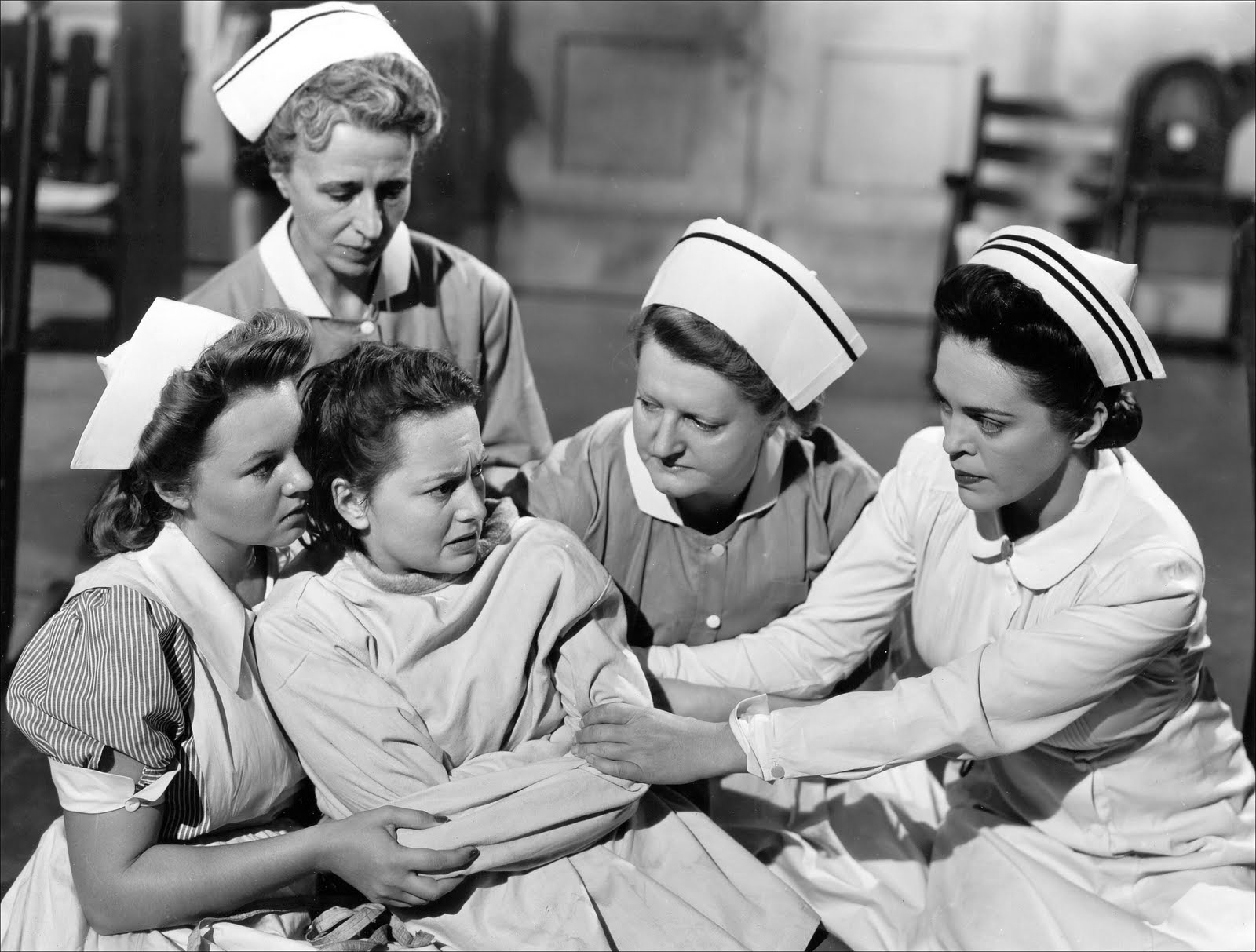
Franco Basaglia (1924-1980) - "the most influential Italian psychiatrist of the 20th century" - studied medicine and surgery at the prestigious university of Padua and spent the years after his graduation studying the philosophical ideas of Sartre, Husserl, Heidegger, and Jaspers, as well as critics of psychiatric institutions such as Michel Foucault and Erving Goffman. He worked at university and specialised in the field of "nervous and mental diseases", then left university as he was "too sharp, too unorthodox, too original, not servile enough" to progress within the university system. Basaglia left and became the director of the provincial asylum of Gorizia which had about 500 patients (after this position he became the director of asylums in other cities). When he arrived at the Lunatic Asylum of Gorizia in 1961, he was "revolted by what he observed": locked doors, straits jackets, ice packs, bed ties and insulin-coma shock therapies in response to human suffering. Basaglia refused to bind patients to their beds and abolished isolation methods. He introduced democracy within the asylum: doctors did not wear white coats and mingled with patients, locked wards were opened, bars and strait-jackets were removed.
Thanks to his initiative, a debate started all over Italy that finally resulted in a paradigm shift seeing recovery as participation and citizenship, a shift that led to the gradual closure of mental hospitals. The so-called "Basaglia Law" (Law 180, Italian Mental Health Act) was passed in 1978 which restructured mental health care and closed all psychiatric hospitals in Italy.
Basaglia's main criticism was that psychiatry's approach was to oppress persons instead of curing and liberating them. He was convinced that the entire asylum system was morally bankrupt and reducing inmates to "non-persons" or "hollow men" (via and via and via and via).
"We want to change the pattern that makes the patient a dead body and strive to transform the dead mental patient in the asylum into a living person, responsible for his own health." Franco Basaglia, cited in Roberto MezzinaFor Basaglia, stereotypes of madness were consequences of institutional conditions. In other words, some eccentric behaviour patterns were exacerbated or even created by the institutions themselves. Inmates were "the excluded", a "deviant majority" that was interned against their will and broken down by this very system. Psychiatric hospitals were prison-like, oppressive institutions. Both architecturally and functionally they were similar to prisons. Basaglia himself, by the way, had spent six months in prison after being arrested for being an anti-fascist activist (via and via).
This was a collective ‘no’. And this ‘no’ changed the world. It was not acceptable to treat people in that way – without rights, without autonomy, without knives and forks, without hair, without any control over their own treatment. It was wrong to electrocute these people, cut out bits of their brains or tie them up for years on end. This movement was a struggle for liberation, for democracy and for equality. These 100,000 inmates of mental asylums had disappeared from history.
They needed to re-emerge – to be given back their own identity and dignity. This generation of politicians and psychiatrists was a post-war, anti-fascist generation. There was something profoundly anti-fascist about the anti-asylum movement. It was a movement about human rights. The people inside the asylums were people.
John Foot (2014)
"Democratic Psychiatry", created by Franco Basaglia, was never "antipsychiatric" but a movement to liberate the ill from segregation in mental hospitals (via). Its implementation was and is not easy and it is debated to what extent the reform has made changes in the general picture of psychiatric care (Palermo, 1991). Literature on Basaglia either tends towards idealisation or demonisation portraying him as a secular saint or an irresponsible radical (via). Basaglia was not a saint but he surely "helped to transform the way we see mental illness" and it was his work that "saved countless people from a miserable existence". His "legacy persists, as an object lesson in the struggle against the brutality and ignorance that the establishment peddles to the public as common sense" (John Foot, 2015).
The history, biography and practice of Franco Basaglia and the psichiatria democratica (democratic psychiatry) movement he partly led and inspired has, with a few exceptions, been consistently misinterpreted in the English-speaking world (and in particular in the UK, although one exception is Ramon, 1988). Let us take, for example, the judgements of two of the leading historians of ‘madness’ and ‘asylums’. In 2002, Roy Porter wrote: ‘In Italy, leadership of the movement was assumed by the psychiatrist Franco Basaglia, who helped engineer the rapid closure of institutions (chaos resulted)’ (Porter, 2002: 210). In 1994, Porter referred to Basaglia as ‘Enrico Basaglia’ and labeled him as a ‘boisterous anti-psychiatrist’ (Porter and Micale, 1994: 20). Andrew Scull’s judgement on Basaglia was similarly brief, in 2011: ‘In Italy, led by the charismatic Franco Bassaglia [sic], the political left led the charge’ (Scull, 2011: 113). A more balanced and well-informed account (although with some errors) can be found in Burns (2013: xlvi, 148–9, 183). However, even here, Basaglia is described as a ‘Gramscian Marxist’.“Tomorrow morning, at visiting time, when without any lexicon you try to communicate with these men, you will be able to remember and recognise that, in comparison with them, you are superior in only one way: force.”
The origins of these snap and inaccurate judgements lie in a series of areas. First, Basaglia’s work was not translated into English, including (and most importantly) L’istituzione negata (Basaglia, 1968). This book was, however, quickly translated with success into numerous other languages.
John Foot (2014)
Franco Basaglia
- - - - - - - - - - - - - -
photographs via and via
Monday, 20 March 2017
Sorry
image via
Thursday, 10 October 2013
World Mental Health Day
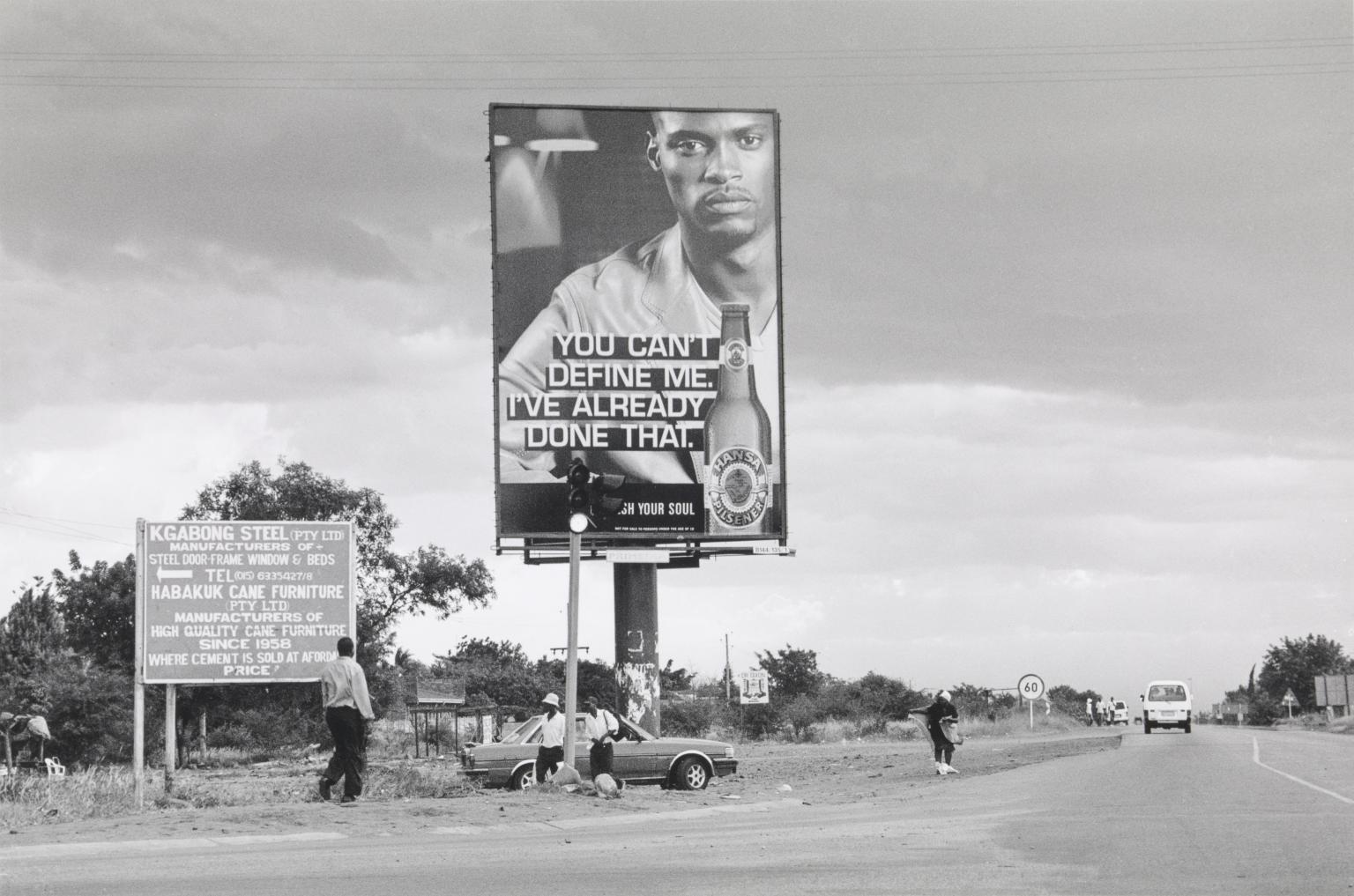
The aim of the day is raising awareness as the social stigma attached to mental disorders can make problems worse. According to the Mental Health Foundation, about nine out of ten say that stigma and discrimination have a negative impact on their lives. Problems are related to finding work, being in a long-term relationship, living in decent housing, and being socially included in mainstream society (via). In the UK, the campaign Time to Change aims to challenge mental health stigma and discrimination.
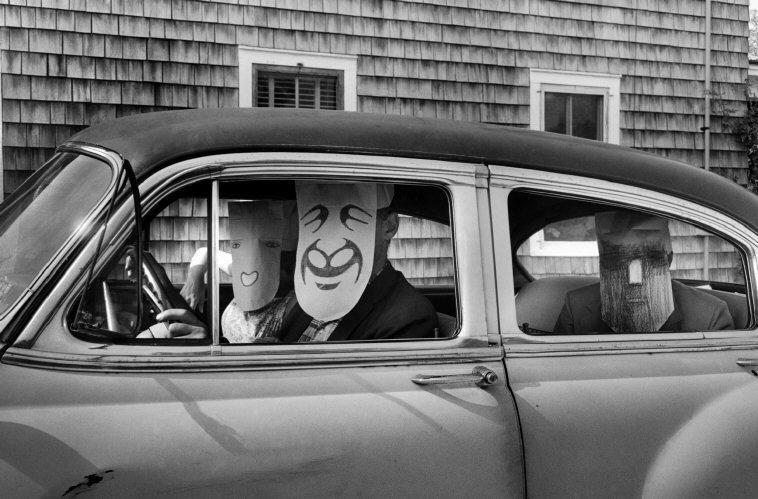
Invisible disabilities are not readily apparent. Those whose disabilities are invisible might even have to convince other people that they are impaired not knowing what consequences their disclosure might have. In line with the "seeing is believing" attitude, readily visible impairments are said to be the ones that are taken more seriously (Coté, 2009).
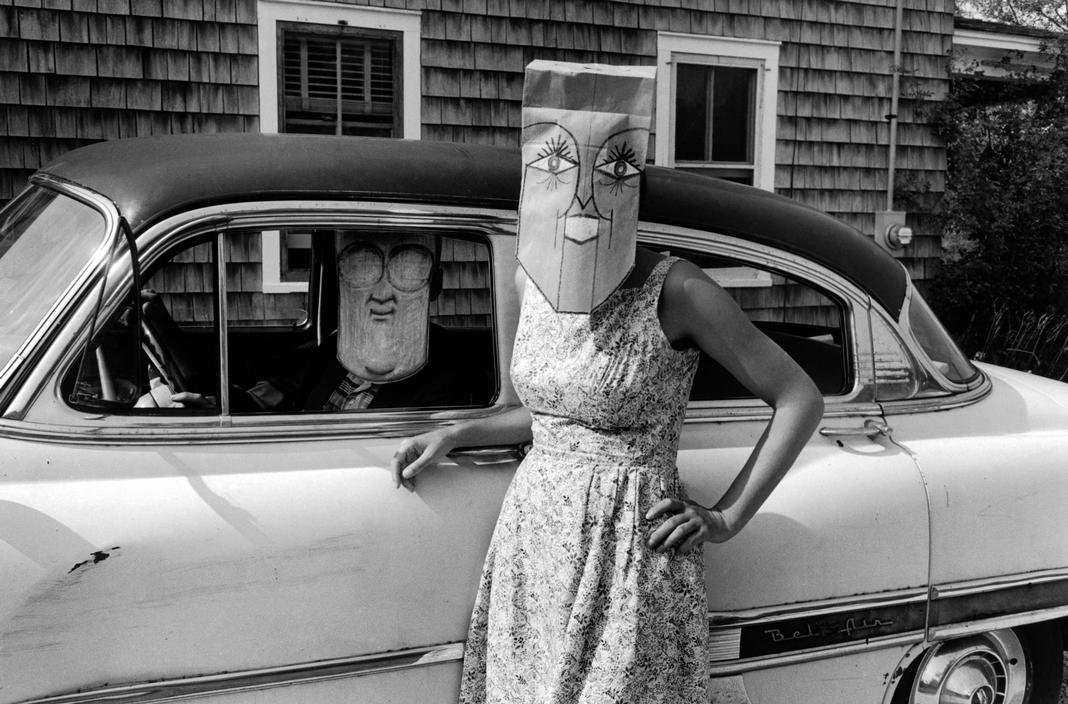
The Mask Series was a collaboration between the Austrian photographer Inge Morath (1923-2002) and The New Yorker cartoonist Saul Steinberg (1914-1999). They started the project in the 1950s and continued it into the 1960s.
Coté, J. (2009) Invisible Disability Disclosure. Athabasca: MA
National Mental Health. Development Unit. (n.y.) Stigma and discrimination in mental health (via); photos via and via and via and via and via and via and via