Showing posts with label Harlem Renaissance. Show all posts

Tuesday, 18 October 2016

Strange Fruit

Billie Holiday (1915-1959) first sang "Strange Fruit" in Cafe Society in 1939. It was, according to Nina Simone, "the ugliest song I have ever heard", ugly "in the sense that is it violent and tears at the guts of what white people have done to my people in this country". "Strange Fruit" was something completely new, the first song with an explicit political message, a song that "cut conversation stone dead, left drinks untouched, cigarettes unlit". Reactions ranged from people clapping their hands until they were sore to walking out in disgust (via). The song was written by Abel Meeropol (1903-1986), a Jewish "white"teacher, writer, song-writer, poet and social activist. Meeropol was "very disturbed at the continuation of racism". He once saw the photograph of Thomas Shipp's and Abe Smith's lynching (Indiana, 1930) that haunted him for days and then wrote a poem about it. Later, he set words to his music and played it for a club owner who gave it to Billie Holiday (via).


In 1999, Time magazine called "Strange Fruit" the "song of the century". That was decades after Meeropol was called to testify before a committee investigating communism in public schools whether he had been paid by the American Communist Party to write the song in 1940. In 1945, he left his teaching job at Dewitt Clinton and started using the pseudonym "Lewis Allen" when writing poetry and music (via).

"Strange Fruit"

Southern trees bear a strange fruit
Blood on the leaves and blood at the root
Black bodies swingin' in the Southern breeze
Strange fruit hangin' from the poplar trees

Pastoral scene of the gallant South
The bulgin' eyes and the twisted mouth
Scent of magnolias sweet and fresh
Then the sudden smell of burnin' flesh

Here is a fruit for the crows to pluck
For the rain to gather, for the wind to suck
For the sun to rot, for the tree to drop
Here is a strange and bitter crop

::: Billie Holiday sings Strange Fruit: WATCH/LISTEN
::: Nina Simone sings Strange Fruit: LISTEN
::: Nina Simone talks about Strange Fruit: WATCH/LISTEN (song played with graphic content)
::: Diana Ross sings Strange Fruit: WATCH/LISTEN
::: Annie Lennox sings Strange Fruit: WATCH/LISTEN
::: Sting sings Strange Fruit: WATCH/LISTEN
::: UB40 sing Strange Fruit: WATCH/LISTEN


"Billie Holiday described the song to Maya Angelou's son Guy Johnson in 1957, as told in Angelou's The Heart of a Woman:

On the night before [Holiday] was leaving New York, she told Guy she was going to sing "Strange Fruit" as her last song. We sat at the dining room table while Guy stood in the doorway.
Billie talked and sang in a hoarse, dry tone the well-known protest song. Her rasping voice and phrasing literally enchanted me. I saw the black bodies hanging from Southern trees. I saw the lynch victims' blood glide from the leaves down the trunks and onto the roots.
Guy interrupted, "How can there be blood at the root?" I made a hard face and warned him, "Shut up, Guy, just listen." Billie had continued under the interruption, her voice vibrating over harsh edges.
She painted a picture of a lovely land, pastoral and bucolic, then added eyes bulged and mouths twisted, onto the Southern landscape.
Guy broke into her song. "What's a pastoral scene, Miss Holiday?" Billie looked up slowly and studied Guy for a second. Her face became cruel, and when she spoke her voice was scornful. "It means when the crackers are killing the niggers. It means when they take a little nigger like you and snatch off his nuts and shove them down his goddamn throat. That's what it means."
The thrust of rage repelled Guy and stunned me.
Billie continued, "That's what they do. That's a goddamn pastoral scene."
Guy gave us both a frozen look and said, "Excuse me, I'm going to bed." He turned and walked away." (literally via)

"During the 50s, she performed it [Strange Fruit] less often and, when she did, it could be agonising to watch. Her relationship with it became almost masochistic. The worse her mood, the more likely she was to add it to the set, yet it pained her every time, especially when it prompted walkouts by racist audience members." (via)


Photographs via and via and via

Saturday, 9 April 2016

Narrative images: Behind the scenes, a Harlem legend

During "Black History Month", The New York Times started the series "Unpublished Black History" revealing moments in black history with unpublished photographs from their archives. The oldest one in their series is "Behind the Scenes, a Harlem Legend" from 1946.

"A girl skips rope amid a crowd of children on a lazy summer afternoon. But what is most striking is the woman who was not captured by the camera’s lens."


"That woman was Zora Neale Hurston, the novelist and folklorist known as the Queen of the Harlem Renaissance, and she was helping to organize outdoor activities for the children. She had joined forces with a group of women who were trying to combat juvenile delinquency in the community, showing the world that black people were willing and able “to do things for themselves,” she said."

"This photograph never appeared in the newspaper; it was shot for an article about the program in Harlem and Ms. Hurston that ran on Page 14 without an image. But in the faces of those children, Ms. Hurston may well have seen something of herself." The New York Times

Zora Neale Hurston (1891-1960) was an anthropologist, folklorist, short story writer and novelist closely associated with the Harlem Renaissance.
"Sometimes, I feel discriminated against, but it does not make me angry. It merely astonishes me. How can any deny themselves the pleasure of my company? It's beyond me."  Zora Neale Hurston
- - - - - - - - - - - -
photograph (Fred Sass/The New York Times) and information (Swarns, Eveleigh & Cave) via The New York Times

Monday, 27 October 2014

Follow Up: Harlem Renaissance

“The day of ‘aunties,’ ‘uncles,’ and ‘mammies’ is …gone. Uncle Tom and Sambo have passed on….” 
Alain Locke


Harlem and ideas related to African American culture and achievement were closely wedded together by the early 1920s. Though emancipation and the Civil War (1861-1865) had brought an end to slavery, African Americans continued to face widespread discrimination, particularly in the South. During the first half of the twentieth century, hundreds of thousands of Americans migrated to northern industrial and urban centers, in search of employment and better living conditions. Termed the “Great Migration,” this movement brought numerous African Americans to Harlem in Northern Manhattan. Harlem was originally a Dutch settlement that had been overdeveloped by real estate speculators at the turn of the twentieth century. The lack of readily available urban transportation discouraged residents from moving to some areas of Harlem. Sensing opportunity, African American real estate developer Philip A. Payton began purchasing properties and leasing them to tenants (literally via Harlem Renaissance Docent/Educator Resource Guide).


It was only a matter of time before African American businesses, churches, and other communal organizations moved to Harlem, forming a “Negro metropolis.” By the 1920s, Harlem became a symbol of pride and achievement, and also a place of opportunity and fantasy. Jazz, cabarets, and Prohibition-era speakeasies brought numerous whites to Harlem, many fascinated with African American culture and their notions of the “primitive” and “exotic.” White “patrons,” such as Carl Van Vechten, author, critic, and avid photographer, encouraged the “vogue” of Harlem (literally via Harlem Renaissance Docent/Educator Resource Guide).


Though it served as a creative stimulus of sorts, this external interest in Harlem represents only one aspect of the period; it is also the era of the “New Negro.” In use since the turn of the twentieth century, the term “New Negro” came to epitomize the quest for self-identity and desire to move beyond the stereotypes that remained from the era of slavery. Critics such as Alain Locke and W.E.B. Du Bois urged artists and writers throughout the United States to explore themes of African American life and culture and to look beyond caricature and stereotyping in their works. Artists were also encouraged to explore African art as a source of inspiration (literally via Harlem Renaissance Docent/Educator Resource Guide).


The cultural and artistic climate of the Harlem Renaissance also paved the way for later developments, such as AfriCobra and the Black Arts movement of the sixties, which prioritized an expression of the African American experience, African heritage, racial [sic] pride, and the black image (including slogans such as “Black is Beautiful”), as well as racial politics. The lasting legacy of the Harlem Renaissance lies in the continued interest in exploring, modernizing, and visualizing the African American experience, both contemporary and historical (literally via Harlem Renaissance Docent/Educator Resource Guide).


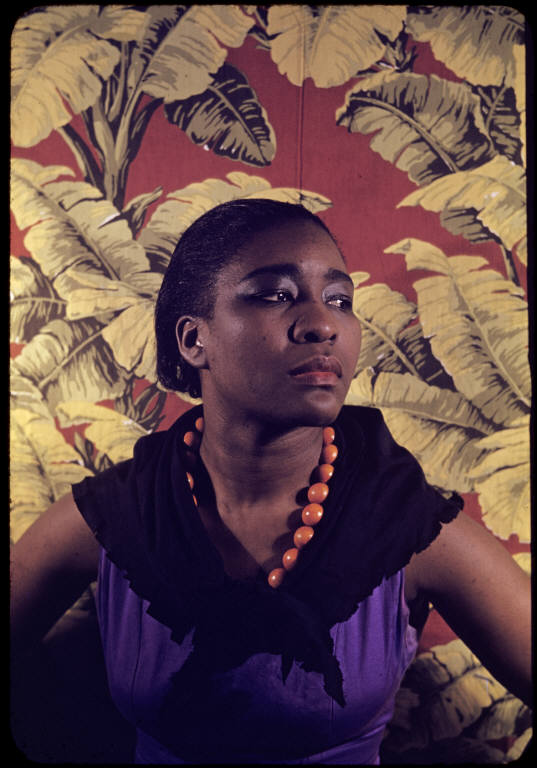
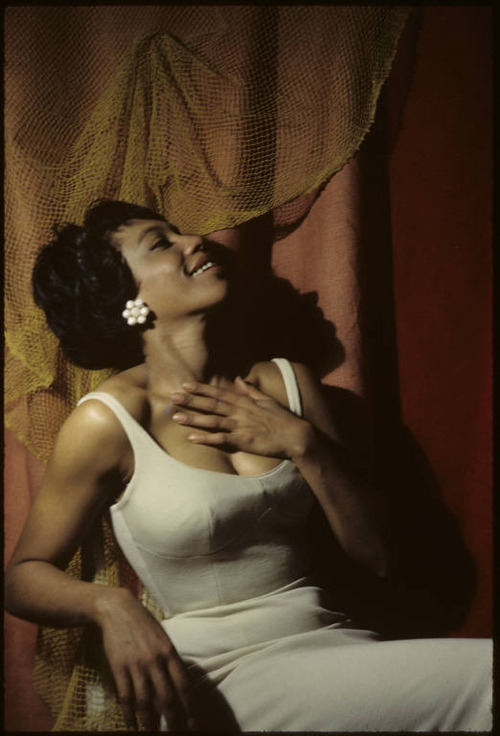
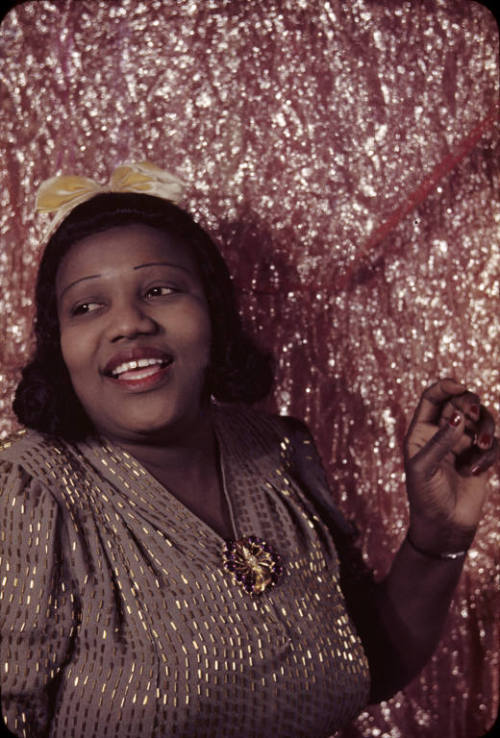
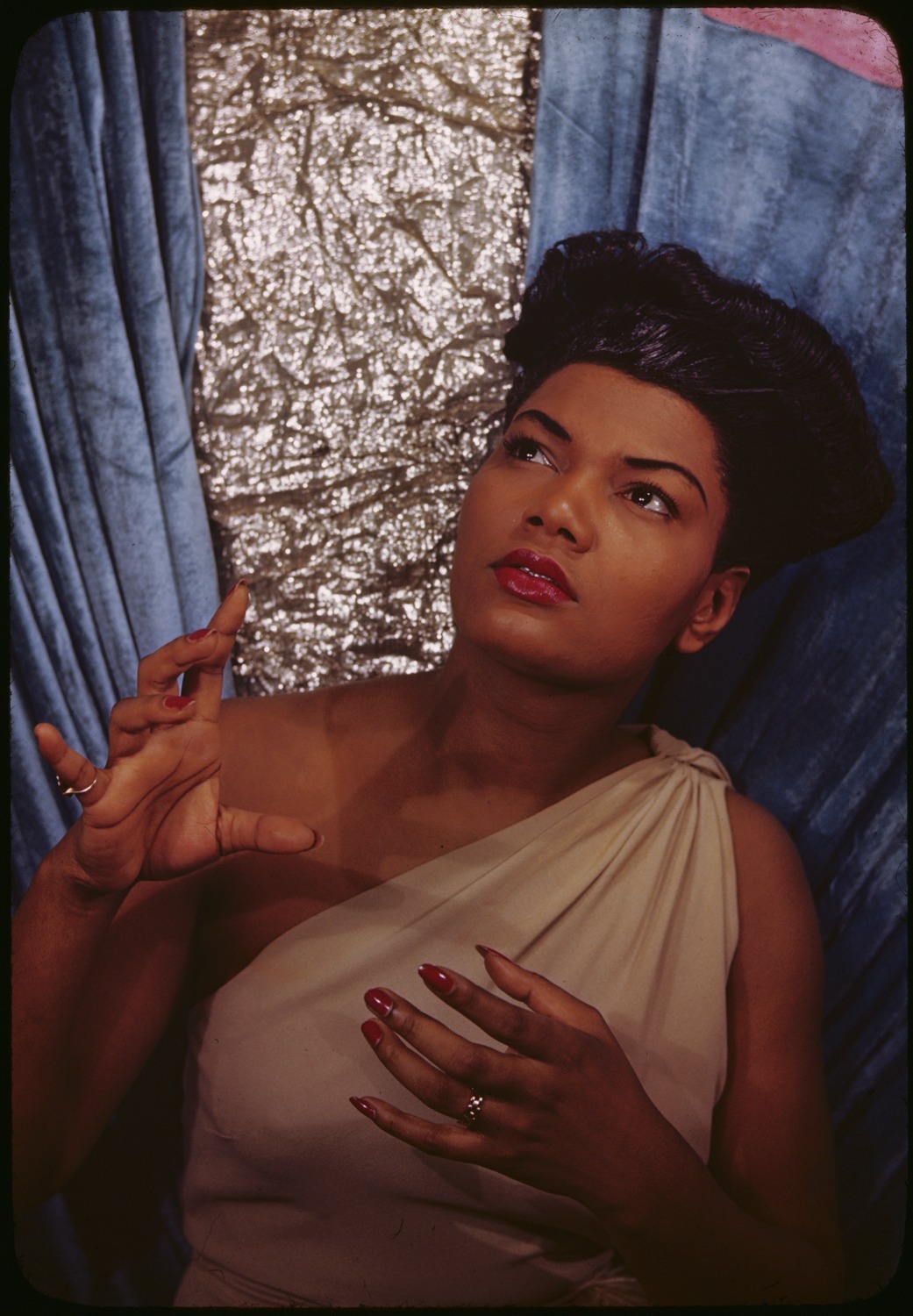
photos by Carl Van Vechten via and via and via and via and via and via and via and via and via and via and via and via and via and via and via and via and via and via and via and via and via and via and via and via and via and via and via and via and via and via and via and via and via and via and via and via and via and via and via and via and via and via and via and via and via; copyright by their respective owners