Showing posts with label city. Show all posts

Sunday, 2 November 2014

Walking Contest

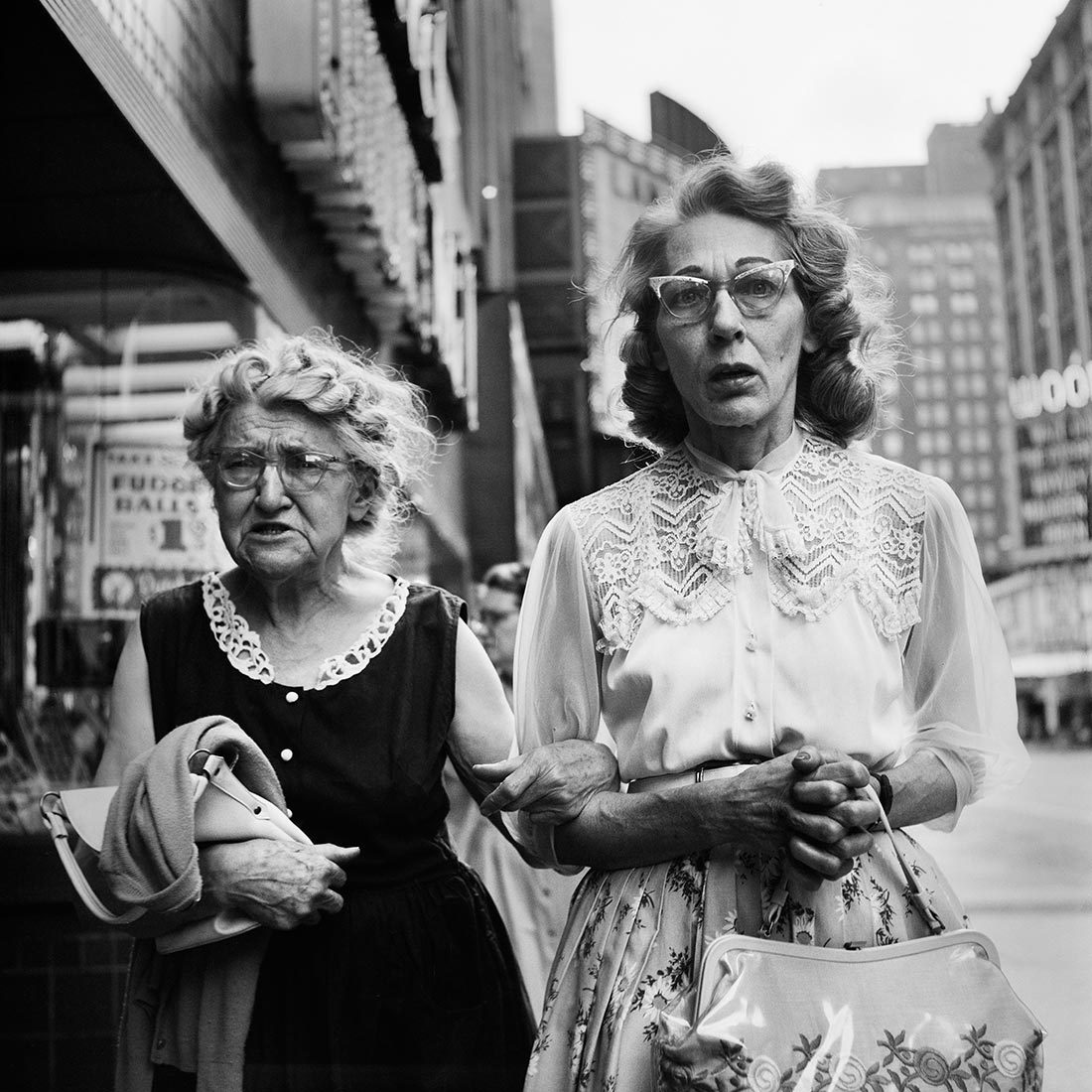
An individual's walking speed is determined by several factors ranging from personal ones, such as age, gender, health, mood etc., to cultural ones, such as country or size of the city. In empirical studies, walking speed is often regarded as one indicator of the speed of life. Early studies from the 1970s revealed a link between the average walking speed and the number of inhabitants; i.e., the more inhabitants a city has, the higher their average walking speed. Levine developed the concept of "Type-A-Cities" which are characterised by large size, high speed, mild climate, high gross domestic product, specific cultural values ... and higher rates of coronary heart disease (Morgenroth, 2008).


Richard Wiseman's study of 32 cities ranks Singapore first place (10.55 seconds for 60 feet/about 20 metres), followed by Copenhagen (10.82s), Madrid (10.89s), Guangzhou (10.94s), Dublin (11.03s), Curitiba (11.13s), Berlin (11.16s), New York (12s), Utrecht (12.04s) and Vienna (12.06s). The Swiss city of Bern is on place 30 (17.37s), followed by Maname in Bahrain (17.69s) and Blantyre in Malawi (31.60s) (via). Bern has the image of being comparably more "slow-paced" than other Swiss cities. A comparison between Zürich and Bern shows that on average people in Zürich walk 5.3 metres more per minute than those in Bern (via). Morgenroth's study of 20 German cities carried out in 2003 ranks Hannover (5.38 km/h) first place and Trier (4.97 km/h) last. One interpretation of the results the authors offer - on the basis of Max Weber's (controversially discussed) concept of the "Protestant Work Ethic" and its closer link to capitalism - is that cities with a higher percentage of Protestant inhabitants have a higher walking speed than "Catholic cities" (via).


::: Daniel Koren's beautiful Walking Contest: watch


- Morgenroth, O. (2008) Zeit und Handeln: Psychologie der Zeitbewältigung. Stuttgart: Kohlhammer
- photographs by Vivian Maier (1926-2009) via and via and via

Thursday, 9 January 2014

Urban Planning and Active Ageing

Statistics showing the two trends that in general a) society is getting older and b) the number of older people is increasing are not new and more or less well known. The need to adapt is a notion that seems to be comparatively less widely spread. In the field of urban planning that means that older people need to be involved as they often feel a stronger sense of isolation in cities than other age groups. One possible explanation is that older people are among the last to be included when it comes to decisions concerning urban development (via).

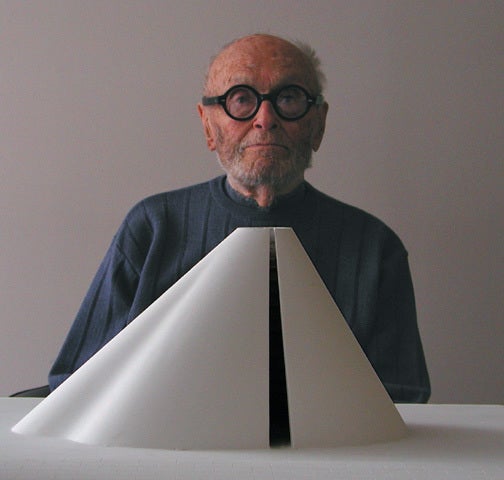
Philip Johnson wearing a model of his 1984 Pittsburgh landmark via


In 2011, the Dublin Declaration on Age-Friendly Cities and Communities was signed by more than forty cities, inspired by the World Health Organization's definition of active ageing as "the process of optimising opportunities for health, participation and security in order to enhance quality of life as people age, allowing people to realise their potential for physical, social and mental well-being throughout their lives and to participate in society according to their needs, desires and capabilities, while providing them with adequate protection, security and care when they require assistance" (via).


In the UK, Manchester is the first Age Friendly City. The projects comprise e.g. housing support, neighbourhood regeneration, cultural programmes, road safety, public health (e.g. free swimming and physical activity), local work, age-friendly design, and civic representation (via).


Beth Johnson Foundation & Manchester City Council Creating (2011) Age-friendly Places. A guide for cities, boroughs, towns or counties, councils, partners and communities (via)
Photos of Philip Johnson (1906-2005) via and via