Sunday, 2 August 2015

Special Olympics 2015

The Special Olympics 2015 opened in Los Angeles on 25 July and after nine days of opening doors to "unimagined possibilities" (via), the closing ceremony will be held today. The games' empowering mission is "to provide year-round sports training and athletic competition in a variety of Olympic-type sports for children and adults with intellectual disabilities, giving them continuing opportunities to develop physical fitness, demonstrate courage, experience joy and participate in a sharing of gifts, skills and friendship with their families, other Special Olympics athletes and the community" (via).


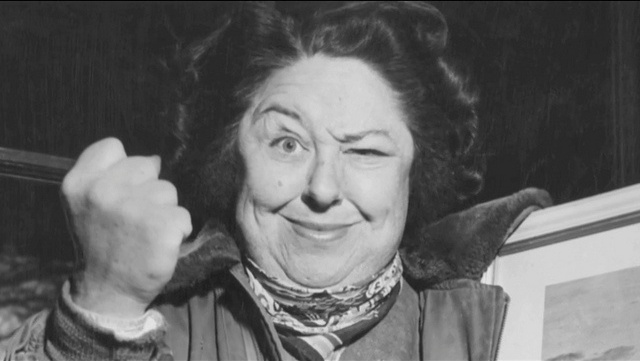
In the 1950s, Eunice Kennedy Shriver (1921-2009) saw that a great many children did not have a place to play and reacted by holding a summer day camp for young people with intellectual disabilities in her own backyard. Her vision grew into the Special Olympics which were for the first time held in Chicago in 1968 (via).


“[Eunice Kennedy Shriver] will be remembered ... as an extraordinary woman who, as much as anyone, taught our nation - and our world - that no physical or mental barrier can restrain the power of the human spirit. ” 
Barack Obama


Maria Shriver's commentary on the 2015 Special Olympics:

"Growing up, my house was filled with political leaders, spiritual leaders, social justice leaders, countless friends of my four brothers and I, and people with intellectual disabilities. It was definitely an eclectic mix, and I must admit that initially no one seemed quite sure what to make of this, including me. But soon, hesitation gave way to interactions, which began to give way to open-minded (and open-hearted) conversations between groups of people who initially seemed to have little in common.
Thanks to my mother Eunice Kennedy Shriver’s fierce will, enormous vision, and relentless drive, I grew up believing that people with intellectual disabilities -like her sister Rosemary - were not to be feared or warehoused in institutions. I grew up hearing how these people and their families struggled in isolation. I grew up seeing my mother fight for their civil rights—their rights to an education and their human rights to be seen as valuable and important members of our larger global family. I grew up being told, and being shown, that people with intellectual disabilities were capable and able beings who could not only out-perform my siblings and our friends in athletic competition, but could also teach us lessons in family unity, perseverance, courage, and love.
We have come a long way since my mother’s backyard summer camp evolved into the global movement now known as the Special Olympics. But we still have a long way to go. In the just-published Shriver Report Snapshot: Insight into Intellectual Disabilities in the 21st Century, we learned that while the institutions that warehoused people in the 60s and 70s have closed, nearly half of our country’s adult population still say they don’t know a single person with intellectual disability, and a stunning 1 in 5 don’t even know what an intellectual disability is.


As the U.S. prepares to welcome 6,500 athletes and coaches from 165 countries to Los Angeles this weekend to compete in 25 sports at the Special Olympics World Games and celebrate the 25th anniversary of the historic Americans with Disabilities Act, these facts should ignite us all to “Change the Game.”
How do we do that? Well, the Shriver Report Snapshot reveals that the more than half of Americans who do know someone with intellectual disability, who have had a personal experience, can show us the way. They report progressive attitudes and high levels of empathy when it comes to educating people with intellectual disabilities, when it comes to where they should work, and whom they should marry and date. They are more likely to understand the hurtful implications the R-word (retard) has on this community, their family members and their supporters.
These game changers, primarily millennial women, can lead the more than 40% of the country who said they do not personally know a person with an intellectual disability. This nearly half of our country continues to hold onto outdated views laced with fear and misunderstanding.
I believe this is possible because we have witnessed the remarkable speed with which Americans can change long-held attitudes. Most recently, we’ve seen our society’s rapid evolution regarding marriage equality, and we are seeing it now on the subject of transgender rights. We are a nation that can and does change, and we owe nothing less to our citizens with intellectual disabilities.


I believe we will change as a nation when we find out that just more than 1 in 10 Americans say they count a person with intellectual disabilities as a friend. I believe we will change as a nation when we find out 22% of Americans think people with intellectual disability should not be allowed to vote. I believe we will change as a nation when you hear the stories of so many families who say their child with intellectual disabilities is not welcome on their school sports teams. I believe we will change our language when we hear from people like Eddie Barbanell who talks openly of the devastating and humiliating impact the R-Word has. I believe we will change when we hear the countless stories families around the globe tell of the positive influence their child with intellectual disabilities has had on the family unit. (...)
So this week, let these Special Olympics World Games serve as a catalyst for change. (...) Have a dialogue with your children about inclusion, acceptance, and language. If you live in LA, come and watch. Reach out to someone you know with an intellectual disability or a family with a child with intellectual disabilities. If you don’t know someone, as my mother would say, go find someone. They’re here. They probably live near you. If you pass a person on the street with intellectual disabilities, instead of averting your glance and walking by, stop. Smile. Start a conversation. Share what you learn. These simple actions will begin to change the game.
Then, the next time we take the pulse of this country, I’m confident those excluding and isolating numbers will have shifted. I’m confident that we will be a better, stronger and more compassionate country if we include and value everyone in it."

Maria Shriver


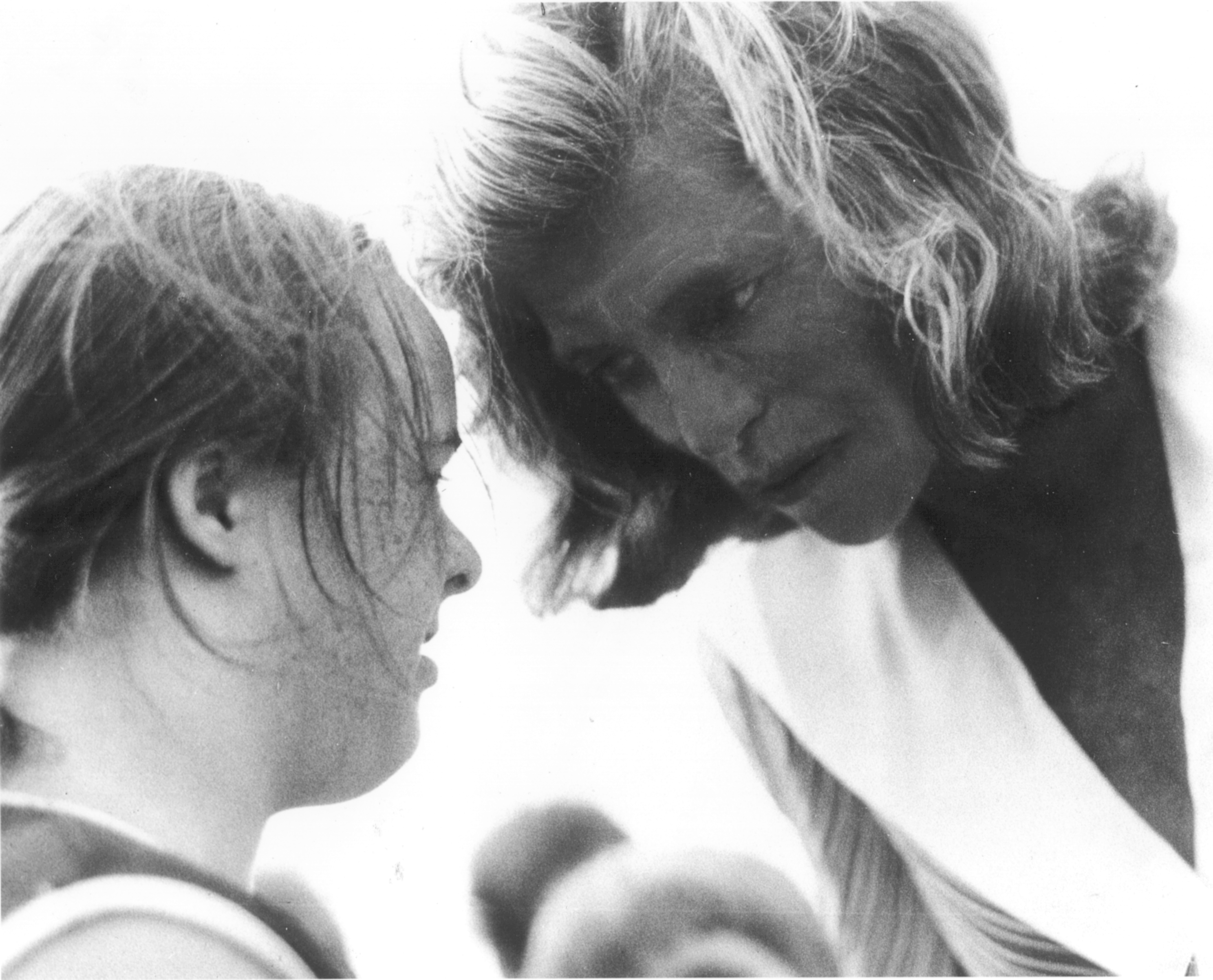
photographs of Eunice Kennedy Shriver via and via and via and via and via and via and via and via and via

Friday, 31 July 2015

Meryl, the Witch

"I'm older. There's some sort of seniority. As a matter of fact, the seniority ebbs as you get older."
Meryl Streep

"America doesn't reward people of my age, either in day-to-day life or for their performances."
Meryl Streep


"Our culture is pretty youth-obsessed, especially people that pass 40. I was not offered any female adventurers, or love interests, or heroes or demons. I was offered witches because I was ‘old’ at 40."  Meryl Streep
Meryl Streep, three-time Oscar winner, 18 times nominated for the Academy Award, in other words, the most nominated actress, number 73 on the Forbes list of the world's highest-paid celebrities in 2013, number 92 in 2014 (via) and according to Forbes one of the highest paid actresses (via) experienced a turn in her career as soon as she turned 40: She was offered three witch parts within one year ... and turned them all down (via).

On why she takes issue with witch depiction in pop culture:
“I just have had a political sort of reaction against the concept of old women being demonized and age being this horrifying, scary thing. I just didn’t like that. I didn’t like it when I was a little girl. I don’t like it now."
On why male movie decisonmakers have defaulted to witch characters:
"Once women passed childbearing age they could only be seen as grotesque on some level."
On how a witch role seemed different at 65 than at 40:
"Before that, I had been playing interesting parts. I just thought that it was emblematic of what Hollywood thought of women who pass a certain age: that now they are old crones. It made me mad, so I didn't want to do that or play into it. Now, it's age-appropriate. I am an old crone, I'm 65 and I'm thrilled I get the chance to play such a … big, challenging musical part."
On feeling comfortable in a witch role because Hollywood has improved:
"Things have changed since. That was 25 years ago. Now there’s so much more interesting stuff available.”

- - - - - - - - - - - -
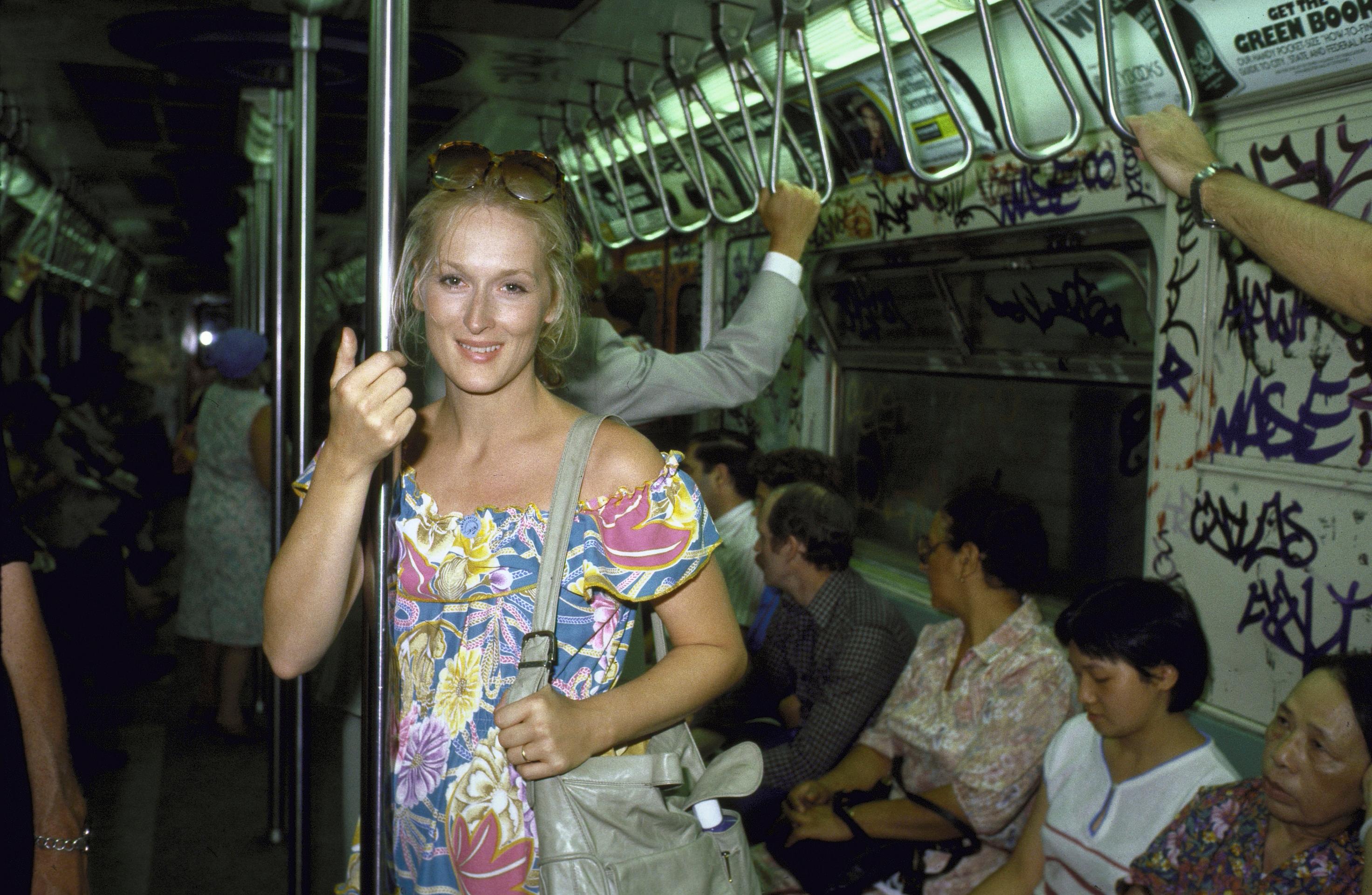
photograph of Meryl Streep on the subway in August 1981 via

Wednesday, 29 July 2015

Cartography for the Blind

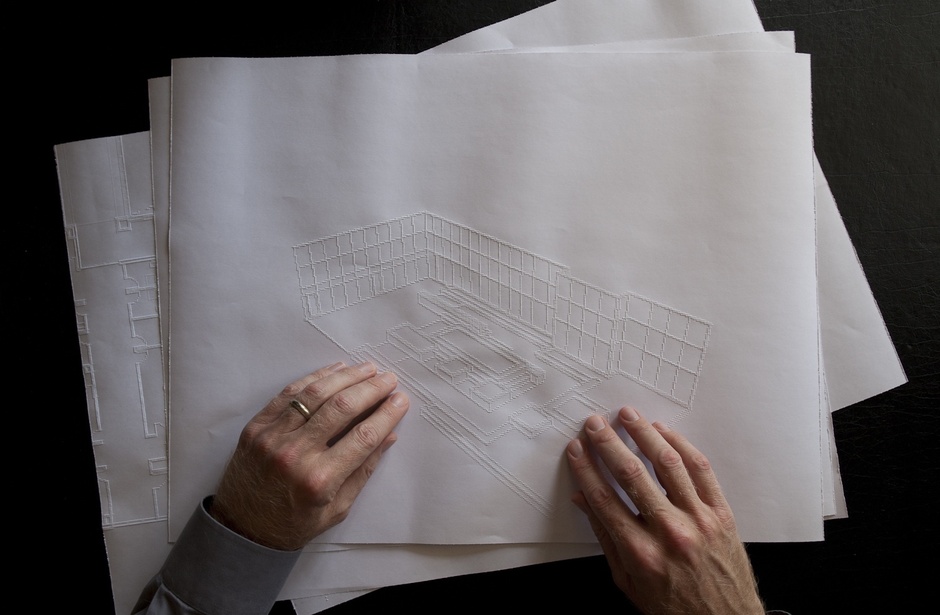
A group of scientists, architects, and advocates has worked on new methods of wayfinding for visually impaired persons. The maps created are tactile and have an audio component. In other words, they convey information through touch and sound. Users can tap on icons and listen to more detailed information since using Braille only may limit a map's effectiveness (via).


"This is really the first time [a visually impaired person] can sit in their living room and orient themselves to a BART station that they plan on visiting, plan a path of travel from the entrance, to the turnstyles, to the platform, and then off the train and to the bus stop. That's really special."
Joshua Miele (Smith-Kettlewell Eye Research Institute, lost his sight at four)

"For a very long time, there was research out there implying blind people couldn't use tactile maps. As a blind person, and as a researcher, I'm sort of shocked at this, because it's just not true. Blind people with good orientation and mobility skills have excellent spatial cognition, because we have to."
Joshua Miele

"My biggest goal is for blind people to not only be able to use maps like these universally, but to expect them, want them, ask for them, and use them in a way that improves their ability to get out there in the world and do the things they want to do."
Joshua Miele


photographs via and via

Monday, 27 July 2015

House of One

“We have noticed, as a community here in the middle of the city, that a lot of people want to meet people from different backgrounds and religions and that there is a strong desire to show that people from different religions can get along. We want to make a point and show that religions can be a cause of peace.”
Pastor Gregor Hohberg


Berlin will be home to a special house of worship. Christians, Jews, and Muslims are planning House of One, a place of worship and contemplation that brings a church, a synagogue, and a mosque under one roof (via). The idea was born in 2009 when archeologists discovered the remnants of Berlin's earliest church and the city's Latin school dating back to 1350. Protestant pastor Gregor Hohberg, who initiated the project (Wilfried Kühn is the architect), said: "We quickly agreed that something visionary and forward looking should be built on what is the founding site of Berlin." Imam Kadir Sanci saw a chance to encourage a conscious dialogue between different faiths to discourage prejudices (via): “It is very important for us to overcome all the negative news in the world. I have the wish, for my children, my family, for myself and for everyone, that diversity becomes a reality and that people will accept each other in their otherness.” (via). For Rabbi Tovia Ben-Chorin Berlin is the city of wounds and miracles (via). A pastor, a rabbi and an imam realise their shared dream. Beautiful.


A communal room will link these three separate sections and serve as a meeting place where people can come together and learn from each other (via).


Fundraising started in 2014, the building work is to start in 2016. Believers of different faiths have already started using the future site of House of One for joint open-air prayers (via).


photographs via and via and via and via and via; (c) by their respective owners

Thursday, 23 July 2015

Architecture for the Blind

"Great architecture for the blind and visually impaired is just like any other great architecture, only better: it looks and works the same while offering a richer and better involvement of all senses. With this expanded understanding, I offer the potential to enhance the experience in all environments serving a greater proportion of the visually impaired."
Chris Downey


"So my final takeaway for you is that not only is the city good for the blind, but the city needs us. And I'm so sure of that that I want to propose to you today that the blind be taken as the prototypical city dwellers when imagining new and wonderful cities, and not the people that are thought about after the mold has already been cast. It's too late then. So if you design a city with the blind in mind, you'll have a rich, walkable network of sidewalks with a dense array of options and choices all available at the street level. If you design a city with the blind in mind, sidewalks will be predictable and will be generous. The space between buildings will be well-balanced between people and cars."
Chris Downey

Christopher Downey lost all sight in 2008 after a surgery to treat a brain tumor. His loss of sight, however, "proved an unexpected strength". He is now one of the few practicing blind architects in the world and teaches accessibility and universal design at UC Berkeley.


Excerpts from an interview (by Peter Slatin)

The surgery left you without sight. What projects have you worked on since you resumed practicing?

"I resumed work exactly one month after losing my sight. It was a little crazy, as I had not started any of the rehabilitation training for sight loss, and there I was back in the office. But the leadership and staff were all incredibly encouraging and supportive. Eventually, the rehabilitation services started, including the orientation and mobility skills that I needed and the computer skills that I needed to engage in our technology-driven profession. It was all coming together late that fall when the economy tanked. As layoffs mounted, I too had to go in December 2008.
Starting 2009 unemployed as an architect who had been blind for less than ten months was not particularly auspicious. Within a month, however, I was connected with the Design Partnership in San Francisco, which was working on a Polytrauma and Blind Rehabilitation Center for the Department of Veterans Affairs in Palo Alto, together with SmithGroup out of San Francisco. The project was in design development, yet the client and the team were becoming aware that they really didn’t understand how space and architecture would be experienced and managed by users who would not see the building. When I showed up as a newly blinded architect with 20 years of experience, there seemed an opportunity to bridge that gap. The fact that I was a rookie at being blind was even better, as I was not that far removed from the experience of the veterans who were dealing with their new vision loss.
The project quickly illuminated a spectrum of practice where my blindness could be harnessed as a strength. I started to focus my professional interest on projects for the blind such as schools, service providers, and rehabilitation centers. Along with the continuing VA project, I’m working with Starkweather Bondy Architecture in Oakland on an expansion of the Guide Dogs for the Blind school in San Rafael, California. I’m also consulting with Magnusson Architecture and Planning in New York for the renovation of the Associated Blind Housing project, a 220-unit residential building on West 23rd Street in Manhattan
I’m also exploring work on other project types that can be difficult for blind users, such as transit centers, airports, and museums. These places can be made accessible in ways that are not simply a band-aid or an applied adaptation. At cultural and science centers, accessibility codes have removed barriers to independent physical entry and mobility, yet for the blind that simply gets us into the space, where we are free to roam around. Little has been done to provide further guidance to those with sensory impairments."


How has your understanding of space, light, and materials changed? And has being blind changed your approach to design?

"Becoming a fully actualized blind person doesn’t happen overnight. It is commonly understood that 80 percent of the architectural interface is through vision. When sight is lost, the mind starts to rely more heavily on the remaining senses. In my case, I also lost all sense of smell, so it’s down to acoustics and touch, as well as muscle memory and other more subtle sensory cues.
I rely on a cane for mobility and not a dog, in part because I appreciate the acoustic feedback of space. The cane helps me discover things around me. Quite often when walking through town, people try to steer me around obstacles yet that's exactly what I'm looking for. If I don't hit it with my cane, how do I know where I am? You quickly learn to catalogue a lot of stuff and it becomes quite surprising when you realize that you know exactly where you are with a simple tap of an object or a wall with a cane. You can often tell how high a ceiling is by listening for the reverberation of a tap or a clap off the ceiling or the bounceback off a distant wall. These aren't supersensory levels but rather the product of the mind not overwhelmed with visual inputs. The brain simply processes the same impulses with a different bias.
Light, however, is a very poetic part of architecture that brings space to life. The rules and the calculations are all the same, and I still build mental models using images from 45 years of sight.
Materials have taken on new significance for me. Traditionally, material palettes are developed for their visual composition. I now like to expand choices to a textural, tactile palette. I like to think of the front-door handle as the handshake of the building - the feel of the grip speaks volume. Handrails at the stair or ramp are the same. There are so many places in a building that are meant for touch, yet architects are so inundated with drawings and production that they can forget what it’s really like to inhabit a building. With all the technological development around us, architecture remains a full sensory experience. You can’t get it on your iPhone or on the web. Perhaps that makes it nostalgic - or perhaps it actually makes it more vital and alive."

- - - - - - - - - - - - - - - - - - -
- photographs via and via and via
- another interview with Chris Downey: The Architects' Take

Wednesday, 22 July 2015

Born this day: Pancho Barnes

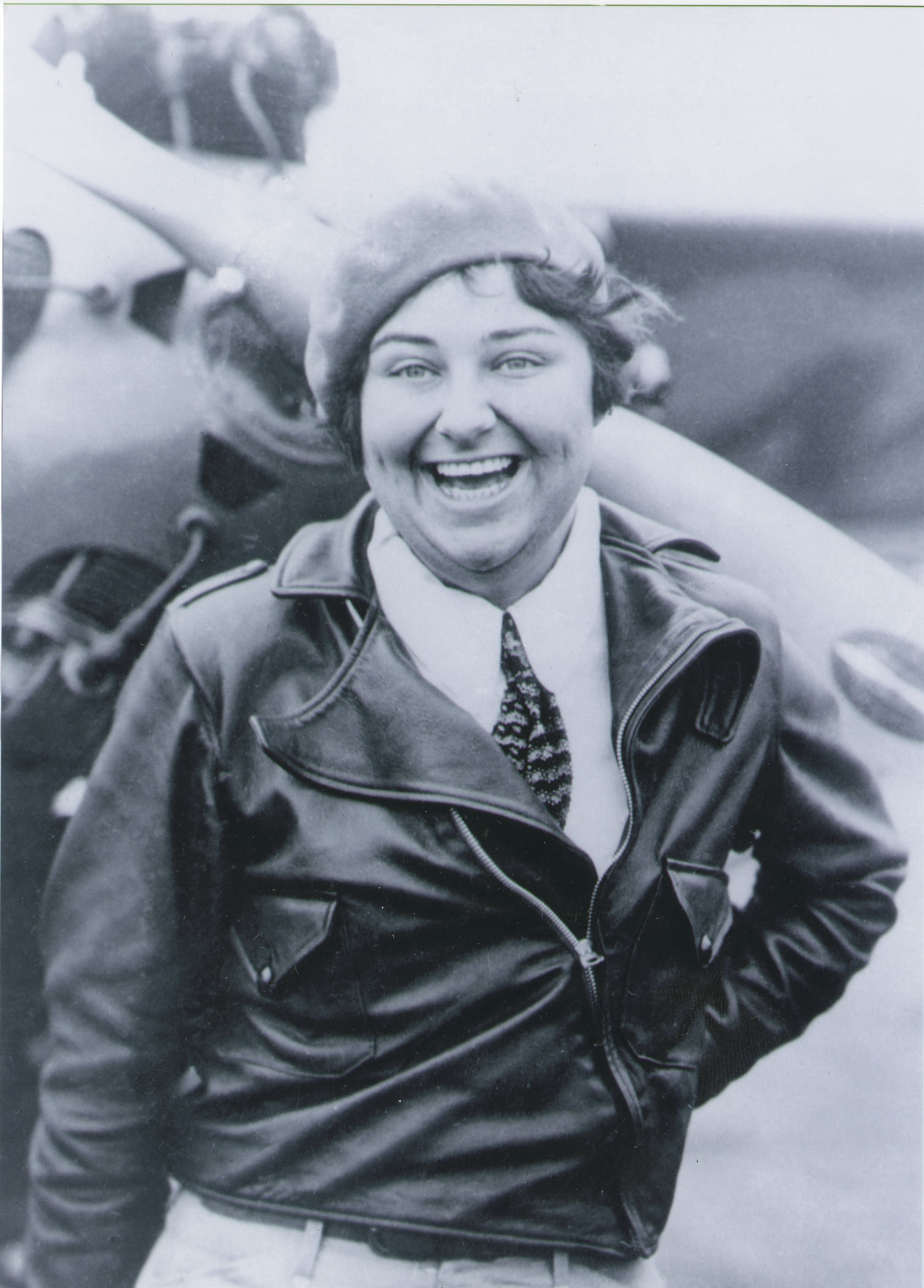
Pancho Barnes (née Florence Leontine Lowe) was born on 22 July 1901. She was one of the first female pilots to be licensed in the U.S., Lockhead's first female test pilot, a stunt pilot during the Silent and Sound eras, the founder of the "Associated Motion Picture Pilots" (the first movie stunt pilots' union), and a member of the Ninety-Nines (the International Organization of Women Pilots). In 1930, she broke Amelia Earhart's world women's speed record and became the first woman to fly into the interior of Mexico. Pancho Barnes set speed records and was considered "America's fastest woman flyer" (via and via).


"After she graduated, Barnes announced that she wanted to be a veterinarian. That was such an appalling idea to her mother that she promptly enrolled the teenager in Stickney School of Art for a more ladylike course of study. This did not offer any real long term prospects, however, so Barnes’ maternal grandmother arranged for her to marry the rector of the local Episcopal church. It seemed like a win-win situation, if not a perfect match. The groom would be appeasing a major contributor to the church and get a new bell tower. The bride would be able to stop living with her parents and have a shot at independence. (...) As was to be expected, Barnes was totally bored being a poor pastor’s wife, but she tried to fill the role for a while.
(...) In addition to the usual carousing, in June 1952 Barnes was involved in planning another bash, her fourth wedding, to Mac. The bride was 51 years old, and the groom was 32. (...)  The 58 second ceremony was presided over by Judge J. G. Sherrill and witnessed by 650 guests. Then the couple exchanged vows again in a Native American ceremony officiated by Chief Lucky and Little Snow White of the Blackfoot tribe. The wedding banquet included four whole roasted pigs, 80 pounds of potato salad, 16 gallons of Jell-O and a 50 pound wedding cake. One of the entertainers at the reception was Lassie."
(literally via


"When some friends got the idea to get hired on as crew on a banana boat bound for South America, Barnes, the only woman, didn’t hesitate to join them. She dressed as a man and signed on as “Jacob Crane.” As soon as the boat left the dock, the adventurers discovered they were running guns and ammunition to revolutionaries in Mexico. When they arrived in San Blas, the ship was boarded by armed guards who used the vehicle to shelter the town’s money from the rebels. The crew was held hostage for six weeks. Barnes and the helmsman, Roger Chute, were the only two courageous enough to escape.
The pair stole a horse and burro and set out through the Mexican countryside. Barnes quipped that her partner looked like Don Quixote, and he said that made her “Pancho.” She corrected his reference, saying the character’s name was “Sancho Panza,” but Chute liked “Pancho” better. Barnes liked the sound of Pancho Barnes, and the name stuck."
 (literally via)


"Amelia Earhart got all the publicity and Bobbie Trout made all the money, but I was the best pilot."
Pancho Barnes

Later, Pancho Barnes was mainly recalled as the the owner of the "Happy Bottom Riding Club", a dude ranch near Edwards Air Force Base in California that became "a slice of American history". In the 1940s, it was a favoured hangout for test pilots and Hollywood celebrities. In 1953, it burned down and her plans to re-open never came to fruition (via and via). Pancho Barnes passed away in 1975.


photographs via and via and via and via

Thursday, 16 July 2015

Quoting Hayao Miyazaki

"Is someone different at age 18 or 60? I believe one stays the same."
Hayao Miyazaki


photograph via

Monday, 13 July 2015

The Stepford Wives (1975)

Joanna: It'll happen to me before then. When you come back, there will be a woman with my name and my face, she'll cook and clean like crazy, but she won't take pictures and she won't be me! She'll be... like the robots at Disneyland.
Dr. Fancher: Here's what I'm going to do. I'm going to give you a prescription that you get filled, then you get your children and GET THE HELL OUT! Don't tell your husband, don't tell anybody, just get in your car and drive somewhere you feel safe. (via)


"The Stepford Wives" is a novel written by Ira Marfin Levin (1929-2007, author of "Rosemary's Baby). His satirical thriller had a film adaption three years after being published, in 1975 (the 2004 remake with "the almost complete erasure of the powerful feminist message" shall be ignored here...). The protagonist, Joanna Eberhart, a photographer from New York City, moves to Stepford with her husband and children. She notices something strange about the people living there, i.e. all wives being "zombie-like" submissive to their husbands (via).
"THE STEPFORD WIVES is probably the only viable, intelligently conceived movie about women and their future made in the past decade … (it) is one of the select few genre films more important fo [sic] its ideas than its genre excitements." David Bartholomew
At the beginning, there was a backlash and feminists criticised the film for reinforcing "the patriarchal view of gender" (Ruben, 2012). Then, the film was neglected in film criticism for decades. According to Krugovoy Silver (2002), the "themes of The Stepford Wives dovetail so closely with those of second wave feminism that the film can be viewed  as a popularization of some of the most persistent concerns of the women's liberation movement of the 1960s and early 1970s. The film's examination of the plight of the dissatisfied middle-class housewife, its parody of the fetishization of housework, its explicit critique of the nuclear family, and its relentless focus on the constructedness and artificiality of female beauty are key issues to which second wave feminists - particularly radical feminists - drew public attention."


Director: Bryan Forbes
Screenplay: William Goldman
Cast: Katharine Ross (Diane Keaton turned down the lead role because her analyst did not like the script), Paula Prentiss, Peter Masterson, Mary Stuart Masterson, Patrick O'Neal
Awards: Academy of Science Fiction, Fantasy & Horror films, American Film Institute Films (via)


The term "Stepford wife" entered common use and is "usually applied to a woman who seems to conform blindly to an old-fashioned subservient role in relationship to her husband, compared to other, presumably more independent women. It can also be used to criticise any person, male or female, who submits meekly to authority and/or abuse; or even to describe someone who lives in a robotic, conformist manner without giving offense to anyone" (via).


- Krugovoy Silver, A. (2002) The Cyborg Mystique. The Stepford Wives and Second Wave Feminism. Women's Studies Quarterly, 60-
- Ruben, J. L. (2012) Illusionary Strength: An Analysis of Female Empowerment in Science Fiction and Horror Films in Fatal Attraction, Aliens, and the Stepford Wives. Master Thesis: Wright Sate University
- images/screen shots via and via and via and via

The full movie on YouTube: WATCH

Friday, 10 July 2015

Chili Klaus, Gender & Spicy Food

Consuming capsaicin, an irritant component of chili peppers, is linked with health benefits. Its burning and stinging sensation, however, makes the consumption of spicy foods rather difficult. Health benefits are surely not the only driving force making people choose one food or the other and in the case of spicy foods it is assumed that (apart from taste phenotype, oral anatomy, prior exposure and familiarity) personality and affective responses may play an additional major role. Spicy foods are associated with strength and machismo in some cultures which may create social forces making men more susceptible to rating the liking of spicy foods comparably higher as these social forces do not exist for women.


In a laboratory setting, participants (n=246) rated food preference (10 ml. of 25 uM capsaicin was part of the stimuli) and sensations on a liking scale (analyses of affective ratings focused on three of the 27 food items) and later filled out personality surveys (Private Body Consciousness, Arnett's Inventory of Sensation Seeking, Sensitivity to Punishment and Sensitivity to Reward Questionnaire).

One of the interesting results was the observation of differential effects of men versus women. In men, Sensation Seeking or Sensitivity to Punishment did not predict annual chili intake... neither was there a correlation between chili intake and most of the other personality constructs measured. However, men showed a tendency to like spicy foods when there was an association with Sensitivity to Reward (the items describe reactivity to rewarding situations comprising money, sex, social power, and approval). Women, however, liked spicy foods when they showed higher scores in Sensation Seeking (with the limitation that this was only true when consuming spicy BBQ ribs).
Translated into conclusions, these divergent mechanisms mean that women tend to respond to intrinisc factors when consuming spicy foods while men are rather led by extrinsic factors. The authors point out that their conclusions are tentative and that further work is necessary.

H I L A R I O U S :

::: Chili Klaus and Danish singer Michael Caroe perform Sinatra's My Way while eating the world's hottest chili peppers: WATCH/LISTEN

::: Chili Klaus and the Danish National Chamber Orchestra play Tango Jalousie while eating the world's hottest chili peppers: WATCH/LISTEN


- Byrnes, N. K. & Hayes, E. (2015). Gender differences in the influence of personality traits on spicy food liking and intake. Food Quality and Preference, 42, 12-19.
- photographs of the Red Hot Chili Peppers via and via

This posting was originally published on Science on Google+ on 31 May 2015

Wednesday, 8 July 2015

Life of Leisure

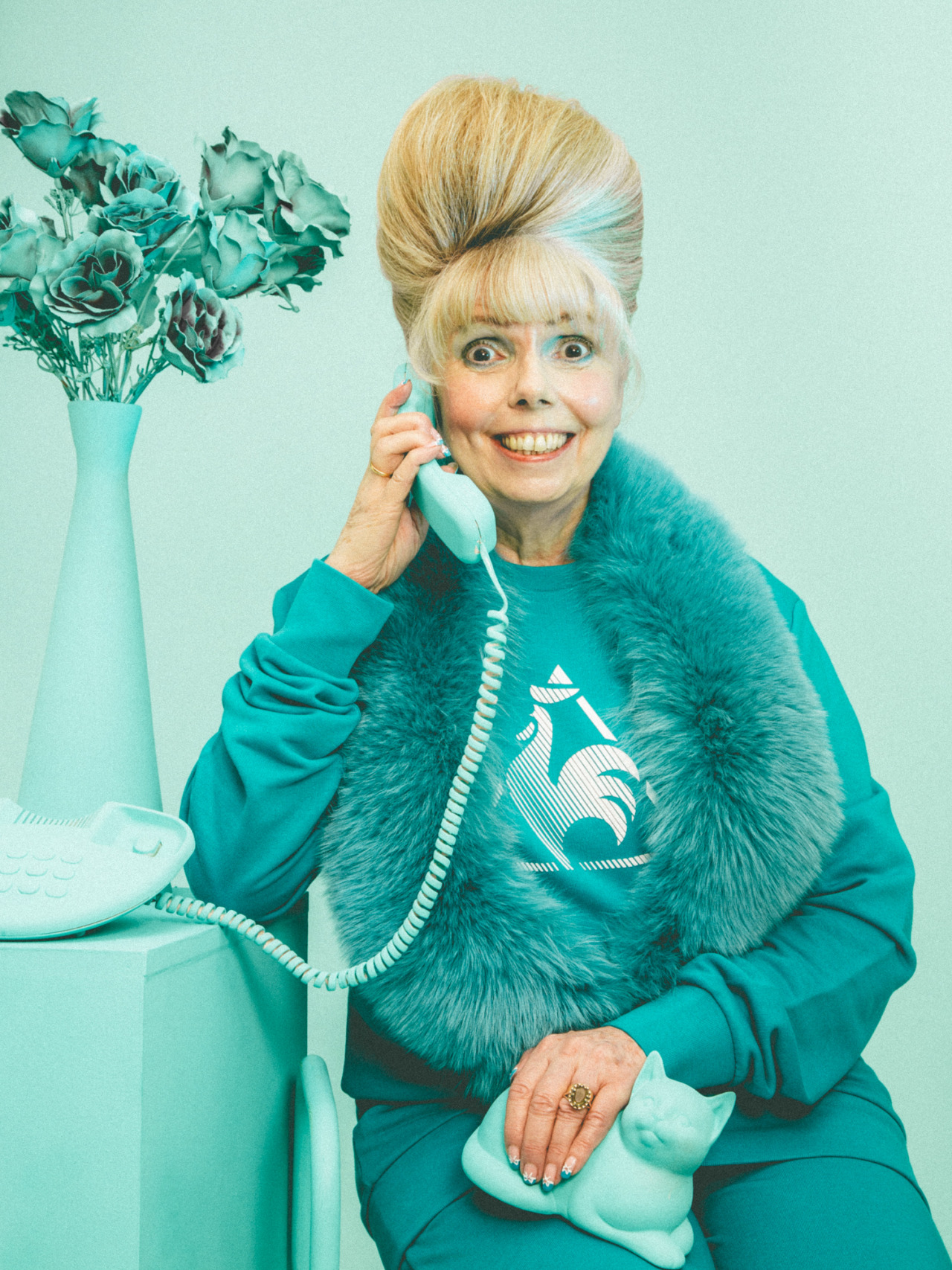
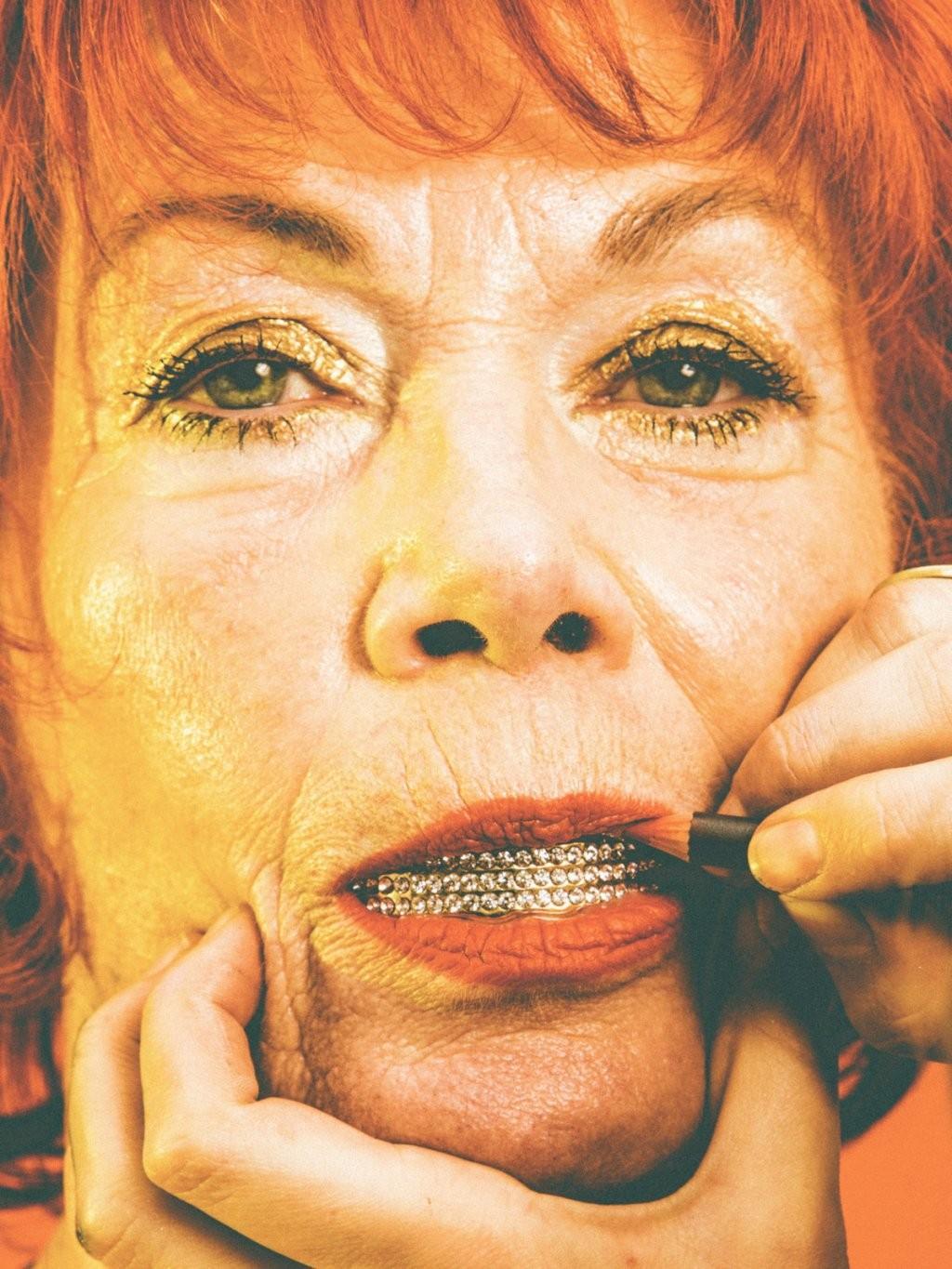
"I chose to cast people over the age of 60 for a fashion shoot because they are more interesting to me than young, skinny models."
Alex de Mora


"I was inspired by the character I saw when taking personal photos of my Grandmother, and I thought why not transform this into an fashion editorial, so I pitched the idea to Vice Magazine."
Alex de Mora


"I had been wanting to shoot a “leisurewear” series for a while, and wanted to give a hip hop angle to the idea. I thought of Snoop Dogg going shopping in his velour tracksuit. The shoot itself took place in my studio in London and we decided to color match the background, clothes and set for each shot, to give it a surreal, stylized tone."
Alex de Mora


photographs via and via and via and via and via and via and via and via