Thursday, 22 June 2023

"Since the event I've become half a person." The person in the disabled body.

In their paper, Agmon, Sa'ar and Araten-Bergman (2016) explore the experiences of newly diagnosed persons with disability. Since these individuals lived to adulthood as able bodied people before becoming disabled, their experiences may "offer a unique perspective on both normative and aberrant personhood".

Research on the disabled body is characterised by three assumptions: 1) Disability is a distressing and stigmatised experience that often leads to exclusion, 2) the disabled body is "a stopping point on a continuum of health", and 3) disability is a social construct which becomes more obvious when considering cross-cultural variations in approaches.

The authors come to the conclusion that visibly damaged bodies are assumed to entail cognitive disability. Doctors, for instance, tend to direct explanations to relatives and not to the individuals with disability despite them being present. their abilities are often underestimated, their independence is far from being nurtured reinforcing their exclusion. Persons with disability lose sexuality and gender, usual "codes of interaction between men and women" are disregarded by caregivers in the institution where the study was carried out. Individuals with disability are infatilised, at birthdays they are "allowed" to have some candies.

Since the event I’ve been half a person—half is saying too much: a living dead person. On one side you see how he’s dead. The tonus goes higher and higher, the hand is completely paralyzed, the leg is splinted. Dr. Zaiger told me on my last visit to Leowinstein, that if it doesn’t improve we’ll have to give injections to release the tonus.
Aryeh

Results: 

The analysis reveals the agonizing experience of individuals who have become disabled in adulthood, who undergo symbolic diminution and social exclusion after their former acceptance as whole and normative persons. This ongoing multifaceted process includes infantilization, denial of their sexuality/sensuality, transgression of gender boundaries, and their construction as categorically different from the "healthy" people around them. At the same time, the analysis also demonstrates the ways in which daily routine at the daycare center also complicates the normative healthy-disabled binary, indicating a continuum on which attendees may attempt to reposition themselves.

- - - - - - - - - - - - - - - 

- Agmon, M., Sa'ar, A., Araten-Bergman, T. (2016). The person in the disabled body: a perspective on culture and personhood from the margins. International Journal for Equity in health, 147, link
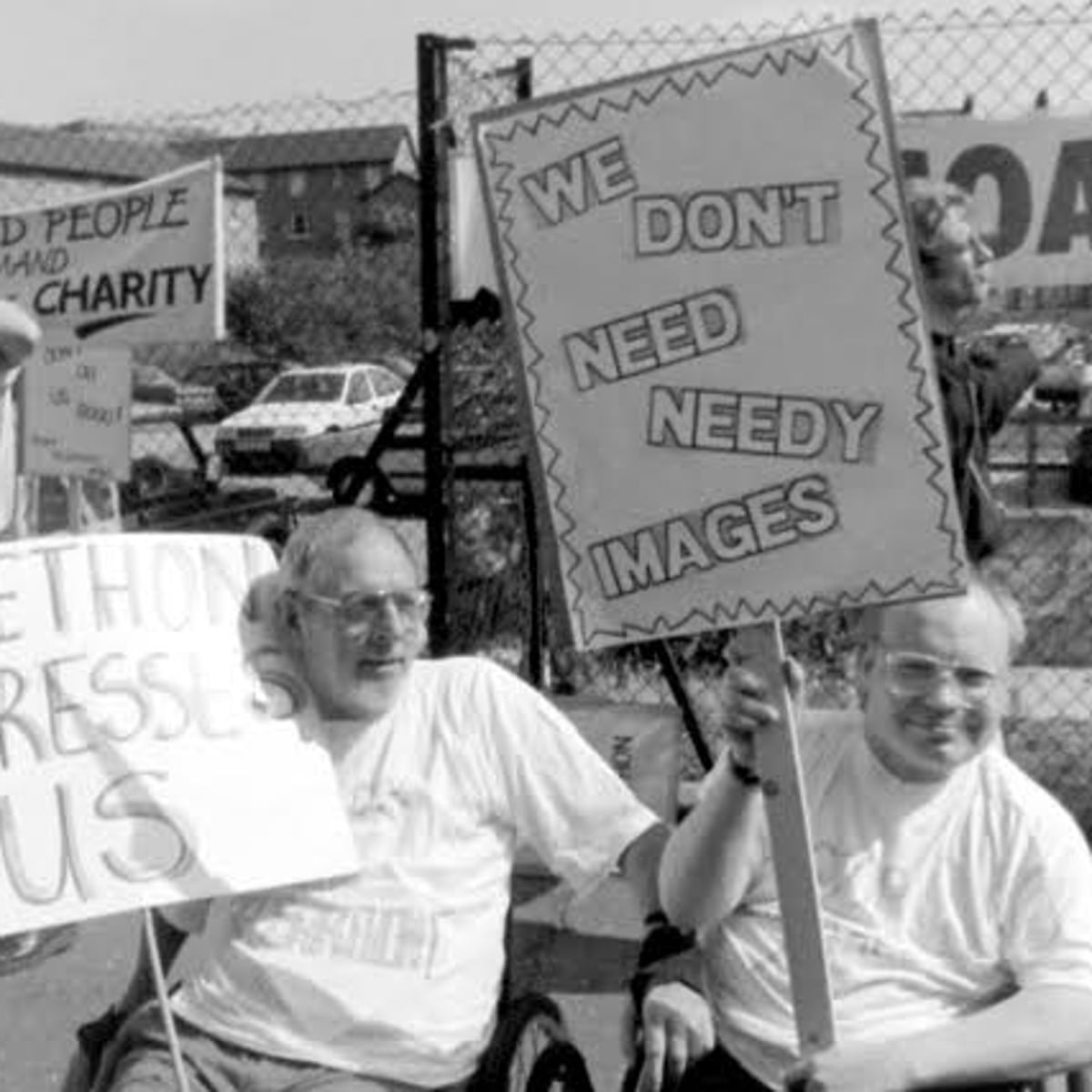
- photograph (protesting against the 1992 ITV Telethon, by People's History Museum) via

Saturday, 17 June 2023

Individualism/collectivism and personality in Italian and American Groups

Abstract: Italian (n = 129) and American (n = 86) samples were evaluated with the Five Factor Inventory of personality and a measure of individualism/collectivism. Greater individualism was seen in the American group than the Italian group, as in the Hofstede (2019) data. For the Italian sample only, greater individualism was associated with greater neuroticism and greater collectivism was associated with lower neuroticism. This may reflect poor culture fit for Italians with a very individualistic orientation given that Italy falls between the United States and Asian countries in terms of the individualism/collectivism dimension. 


Other studies have shown better personal adjustment being associated with having a personality that fits with the culture in which one is embedded. For both Italian and American groups, higher collectivism was associated with higher extraversion, agreeableness, and conscientiousness consistent with other reports. Additional findings included higher openness in the Italian group and higher conscientiousness in the American group. (Burton et al., 2021)

- - - - - - - - -
- Burton, L., Delvecchio, E., Germani, A. & Mazzeschi, C. (2021) Individualism/collectivism and personality in Italian and American Groups. Curr Psychol 40, 29–34 
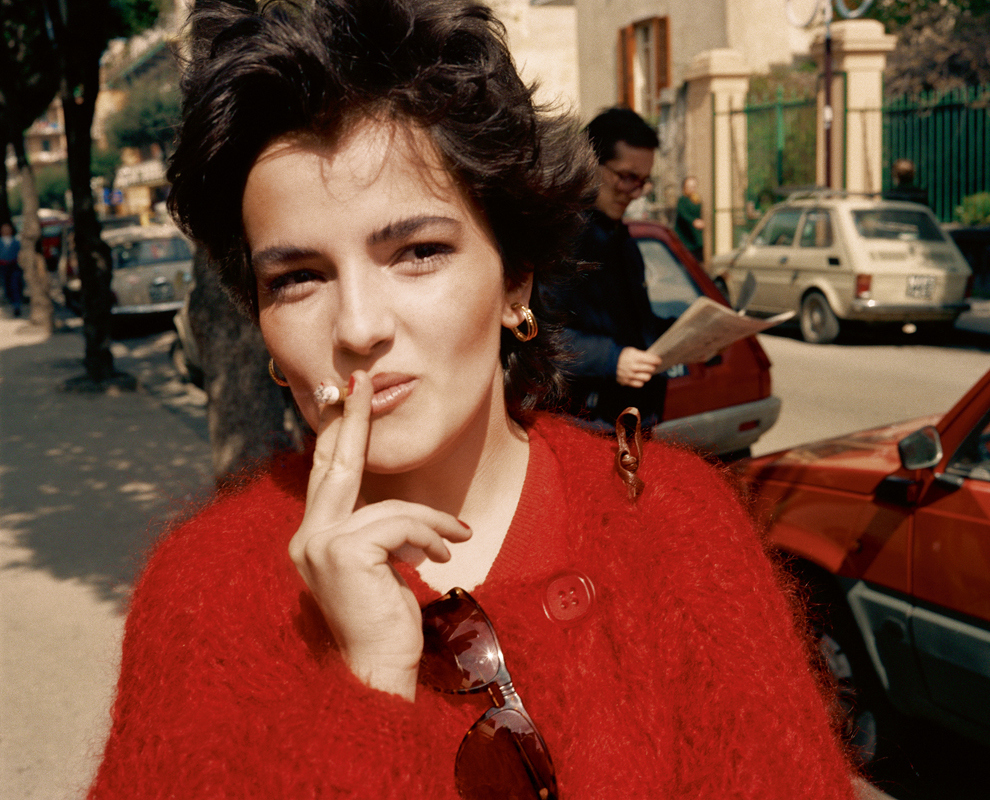
- photograph by Charles H. Traub (Naples, 1985) via

Tuesday, 30 May 2023

Quoting Lena Horne

"(M)y and (Walter) White's concern was that in the period while I was waiting for Cabin in the Sky they would force me to play roles, as I have said, that most N*groes were forced to play in the movies at that time. It was not that I felt I was too good or too proud to play them. But Walter felt and I agreed with him, that since I had no history in the movies and therefore hand not been typcast ... it would be essential for me to try to establish a different kind of image for N*gro women."
Lena Horne (cited in Sim, 2006)

- Sim, Y. D. (2006). Women of Blaxploitation. How the Black Action Film Heroine Changed American Popular Culture. Jefferson & London: McFarland & Company, Inc. Publishers.
- photograph of Lena Horne via

Sunday, 21 May 2023

Now I know what he means.

"You’re 80. Do you still have that fire to get right back behind the camera and get the next one going?"


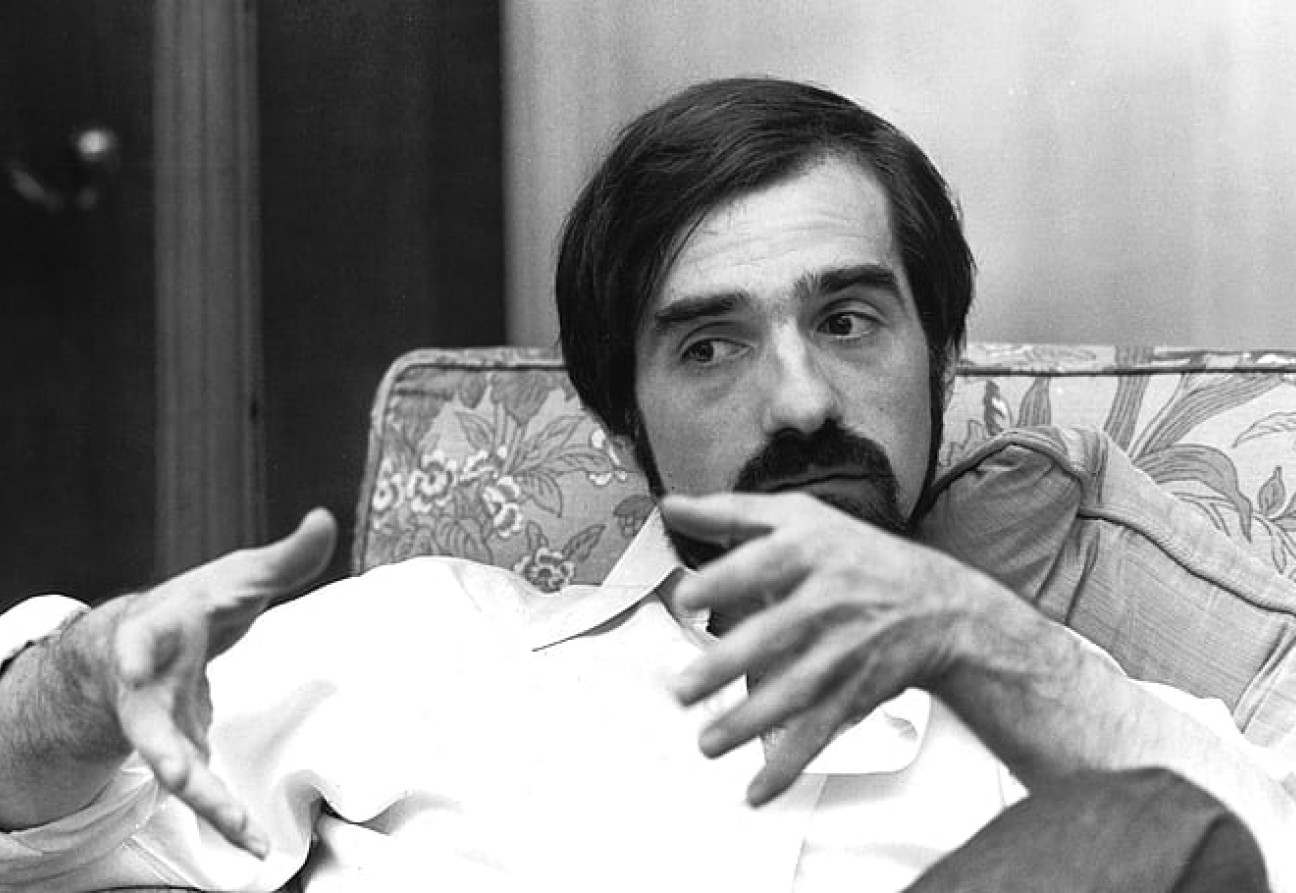
"Got to. Got to. Yeah. I wish I could take a break for eight weeks and make a film at the same time [laughs]. The whole world has opened up to me, but it’s too late. It’s too late. I’m old. I read stuff. I see things. I want to tell stories, and there’s no more time. Kurosawa, when he got his Oscar, when George [Lucas] and Steven [Spielberg] gave it to him, he said, 'I’m only now beginning to see the possibility of what cinema could be, and it’s too late.' He was 83. At the time, I said, 'What does he mean?' Now I know what he means."

- - - - - - - - -
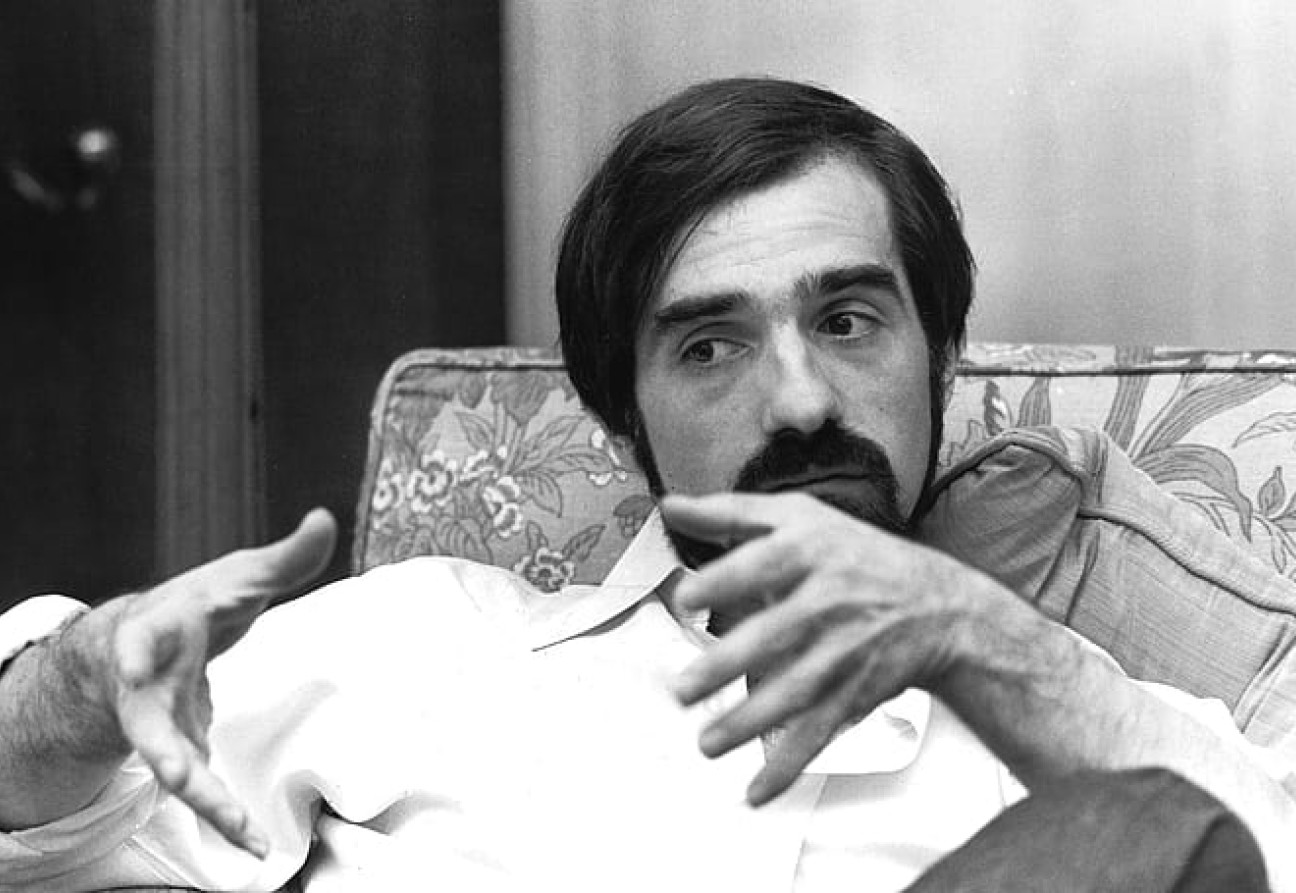
photograph via

Monday, 15 May 2023

1940, 1958, 1964 vs Today

In 1940, 60% of employed Black women in the US worked as domestic servants. Today, the number is 2.2%, 60% hold so-called white-collar jobs.

In 1958, 44% of whites said they would move to a different neighbourhood, if a Black family became their neighbour. Today, the figure is 1%.

In 1964, 18% of whites claimed to have a Black friend. Today, 86% of whites say they have a Black friend while 87% of Blacks say they have white friends (via).

- - - - - - - - - - -

photograph via

Sunday, 14 May 2023

Narrative images: South of the River

"Growing up in Britain as a child of immigrants, I would hide certain elements of my everyday existence. As an adult and a photographer, I actively seek out and champion the very things I obscured and disregarded as a youngster. From the multicultural melting pots of Southwark and Lewisham to the brutalist blocks and postwar council estates of Thamesmead, south-east London is home to some of the most ethnically and culturally diverse communities in Britain."


photograph by Nico Froehlich via

Saturday, 13 May 2023

Disney Movies, Gender Stereotypes, and a Mongolian Sample

In a survey carried out in 2020 at the National University of Mongolia, 500 Mongolian people aged 18 to 33 were asked questions to see how Disney films influenced "the personal view of modern nomads on images of gender". One of the questions was how Elsa (main character of Frozen) can turn her life into a perfect one. About 60% answered that Elsa would have to find true love, 33% thought a new adventure and challenges would be the right choice and 8.3% said that Elsa would need to govern her kingdom and make progress as a queen. 

According to the answers of the people, females’ stereotyped desire is to find true love and happy marriage disregarding individual’s talent and capacity. Disney films may have shown that the solution for young females to overcome difficulties is in finding a man as her protector. Seemingly, most of the Disney films such as the fairy-tales illustrated that the one and only aspiration and dream for females is finding a perfect man to marry. And for this, a feminine personality and attractive physical features (more often than not represented by White women) are conducive.

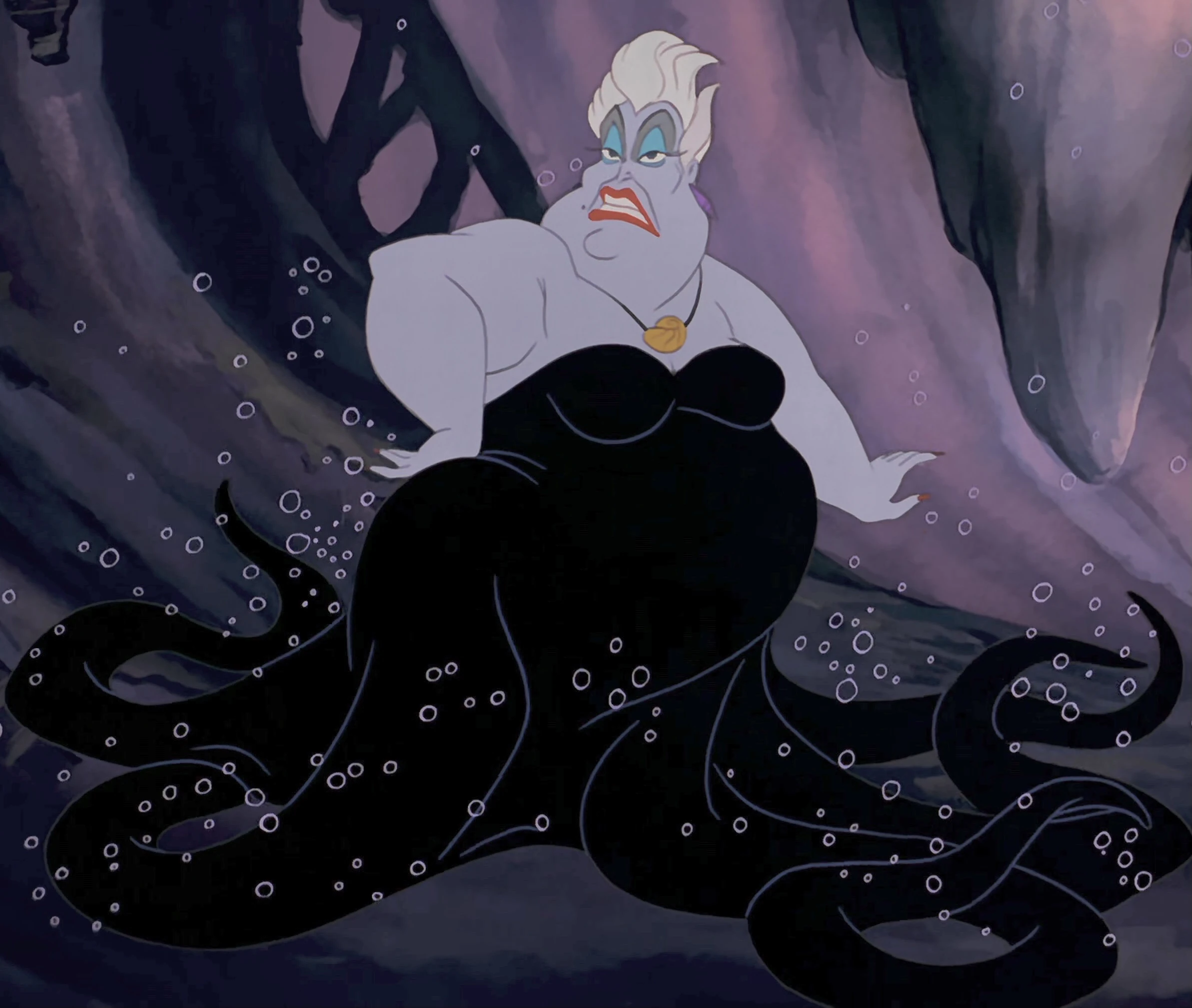
Another question regarded The Little Mermaid and its character Ursula. Almost 60% said they found her appearance unpleasant, 16.7% thought she was "super ugly". 74.8% agreed that her appearance made her more hateful. 

Different shapes and sizes of female roles in films maybe dedicated to highlight the contrast between evil and good by their looks. While Ariel is small, thin, and white, in contrast, Ursula is overweight, bigger, and purple. Thus, their appearances could express radical differences between the characterisation of Ariel and Ursula to the audience. Accordingly, Disney films may have been giving the message that unpleasant appearance is equal to an unpleasant personality thus reconfirming the existing stereotypes around the constructs of perfect beauty and body image. (Tergel Bold Erdene)

- - - - - - - - - - -
photograph (Darhad Valley Nomadic Family by Jun Hwan Sung) via

Friday, 12 May 2023

Asylum Seekers vs Refugees vs War Refugees vs Economic Refugees

Language matters. In their study, Kotzur, Forsbach and Wagner (2017) asked university students to share their thoughts associated with the group labels "asylum seekers", "refugees", "war refugees" and "economic refugees": “When you hear the term [label], whom do you think of? Please write down everything that comes to your mind. Please also indicate where you think [label] come from and why they’ve come to Germany. To do so, please complete the following sentence: When I think of [label], I think of…”


Refugees were more often associated with fleeing due to war and the intention to escape from persecution than asylum seekers were. The results for war refugees mostly echoed the results for refugees. When it came to economic refugees, however, a different pattern emerged. They were significantly more often categorised as well educated and comparably little need of help and experiences of loss and trauma.
[…] It makes me angry that the majority of refugees are economic refugees and now share our wealth, and will not give anything back to the state in the future (asylum seekers condition)
- - - - - - - 
- Kotzur, P. F., Forsbach, N. & Wagner, U. (2017). Choose Your Words Wisely. Stereotypes, Emotions, and Action Tendencies Toward Fled People as a Function of the Group Label. hogrefe, link
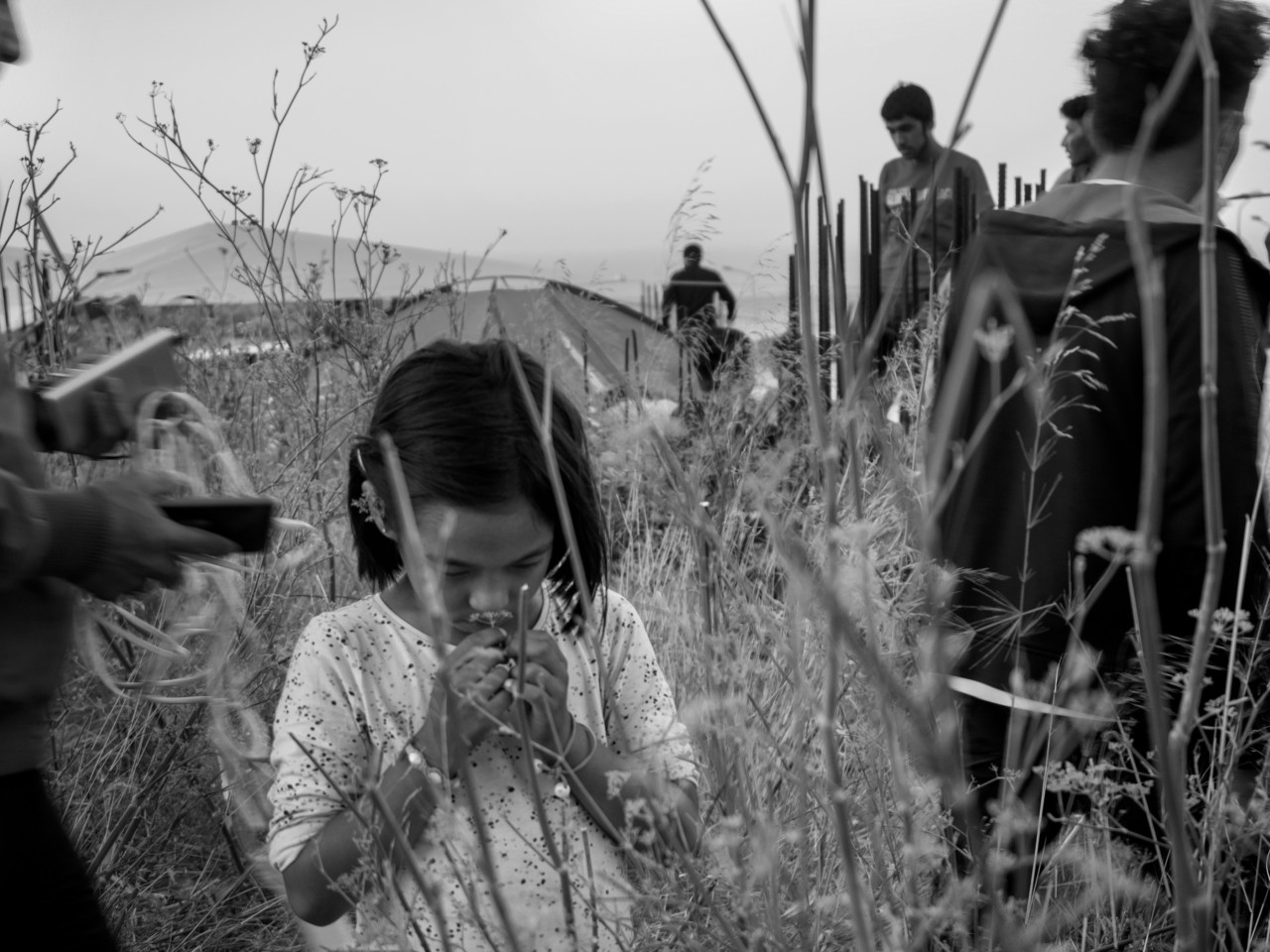
- photograph by Magnum photographer Enri Canaj via

Thursday, 11 May 2023

Tony Heaton on the Work of Disabled Artists

Tony, your practice is widely established and your work is recognised internationally. However, the work by disabled artists is too often restricted to the community they represent and struggle to reach the mainstream art debate. Do you agree with this thought? If so, what are in your opinion the reasons of this phenomenon?


Well, perhaps the question is, why does the so-called ‘mainstream’ marginalise disabled artists and actually disabled people generally? Should we be forced to knock on those closed doors or should the ‘mainstream’ be opening up and looking beyond their elitist and frankly conservative narrow view of what is art and who makes it, and extending their intellect to engage with disabled artists and disability arts. If they did they would find some amazing work. Ultimately it's about power and rank, disabled people are marginalised and oppressed through poverty, lack of access to goods and services, limited access to transport and the built infrastructure and prejudice. The ‘mainstream’ were not interested in showing or collecting the work of disabled artists, this is the main reason that I initiated NDACA (National Disability Arts Collection and Archive), because if we as disabled people don't make it happen for ourselves then it won’t. NDACA will help to show and promote that history, a history that would have otherwise been lost because that work is not in ‘mainstream’ collections. The mainstream are also reluctant to help us into positions of power and rank, there are very few disabled people promoted onto decision-making boards or in arts institutions, this needs to change, but those with power are always reluctant to change, just as there is institutionalised racism there is an inherent ableism throughout society.

- - - - - - - - - - - - - -
photograph of Tony Heaton in front of the sculpture of a map of Great Britain made of wheelchair parts of one single NHS wheelchair (Great Britain form a Wheelchair, 1994), photo by Hilary Porter via