Showing posts with label dementia. Show all posts

Sunday, 1 September 2024

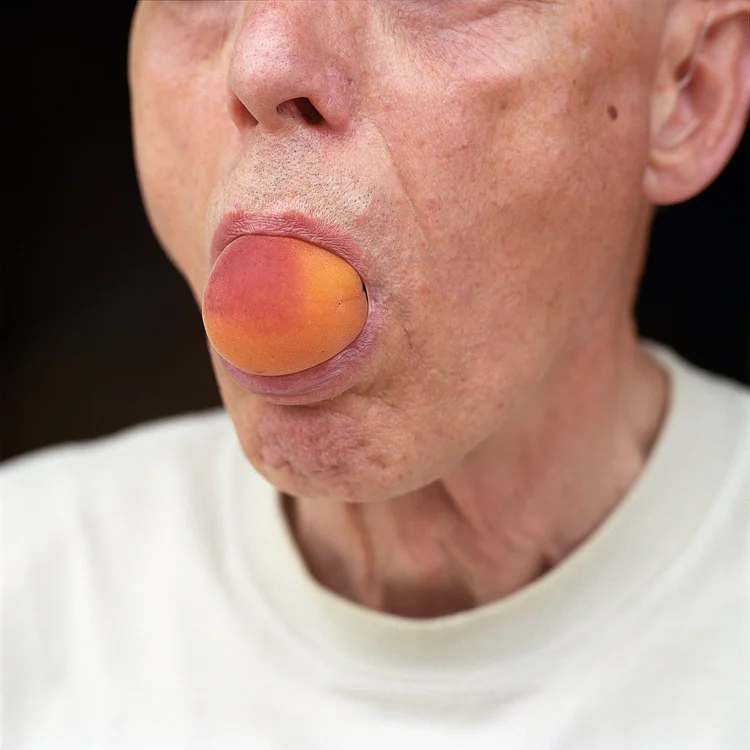
Dementia in Transgender Population: Case Vignette

In their paper, Beehuspoteea and Badrakalimuthu (2021) shortly discuss the lack of research on dementia in the transgender population and the specific need for carers to be provided with the psychoeducation necessary to better understand the impact dementia possibly has on transgender persons. They also mention the higher level of stress carers of transgender people might experience and the higher level of stress transgender persons might have when developing dementia. In order to illustrate the complexity of this intersection, the authors present a case vignette:

"A 76-year-old female transgender person was diagnosed with Alzheimer's dementia in 2014 with MOCA (MOntreal Cognitive Assessment) score of 17/30. She was treated with donepezil 10mg OD and prescribed mirtazapine 15mg ON to treat insomnia and low mood. She underwent male to female gender reassignment surgery, including bilateral breast surgery completed in 1960s, and hormonal treatment with estradiol. She considered her sexual orientation to be towards the same sex, and she was in a long-term relationship with a female partner. Her medical history included migraine and she was on propranolol 80mg OD. There was no other significant psychiatric history. She resided in her own flat and her partner lived in a separate flat in the same block. The couple had two of three surviving adopted daughters, both in their forties. The patient's primary carer was her partner and there was no formal care input. In 2016, her MOCA score dropped to 11/30 and she had impaired hygiene and nutrition. In 2018, she started wandering and bringing men to her flat and engaging with them in sexual activities leading to a high risk of vulnerability to abuse culminating in Mental Health Act assessment and admission to a dementia unit. MOCA was not performed due to receptive and expressive dysphasia. In the unit, she presented with insomnia, agitation, dysphasia, having sexually inappropriate conversations with staff about being interested in men, which was a continuation of new behaviour that was identified in the community, as well as making innuendos to female members of staff while talking about herself as a ‘man’. She presented with toileting behaviour that would identify her as male gender, for example standing to urinate as if using a urinal, interpreted as reversal towards biological gender identification. Her partner felt devastated by behaviours exhibited by the patient, which could be identified as male-gender based behaviour aligned with biological gender by birth."

- - - - - - - - - - - -
- Nirja Beehuspoteea & Vellingiri Raja Badrakalimuthu (2021). Dementia in transgender population: case vignette. Progress in Neurology and Psychiatry, link
- photograph by Lissa Rivera via

Wednesday, 10 July 2024

Days With My Father. By Phillip Toledano.

"My Mum died suddenly on September 4th, 2006 After she died, I realized how much she’d been shielding me from my father’s mental state. He doesn’t have alzheimers, but he has no short-term memory, and is often lost. I took him to my mother’s funeral, and to the burial, but when we got home, he’d ask me every 15 minutes where my mother was. I’d explain carefully that she had died, and we’d been to her funeral. This was shocking news to him Why had no-one told him? Why hadn’t I taken him to the funeral? Why hadn’t he visited her in the hospital? He had no memory of these events. After a while, I realized I couldn’t keep telling him that his wife had died. He didn’t remember, and it was killing both of us, to re-live her death constantly. I decided to tell him she’d gone to Paris, to take care of her brother, who was sick. And that’s where she is now.


 (...) I have so many memories of him listening to opera, sketching, painting, sculpting. Although he doesn't paint anymore, he still sees. He still has the artistic impulse. (...) The urge is still there, even if the physical ability is not ...


(...) For just a few minutes, everything almost feels normal again. My mum isn't dead, and we're not pretending she's gone to Paris. She's popped out to the store, and she'll be back shortly. How sweet that would be.


(...) It's amazing. My father is so appreciative of the love he receives. Each visit is an incredible gift, to  him, and to me, as though we're both drinking deeply from the same well, for one last time. He's always talking about how much he loves me. What a genius he thinks I am. How glad he is that Carla is part of our (tiny) family. These are things he's never told me before. I'm so glad we have this time together.

(...) Sometimes when we are talking, my dad will stop and sigh, and close his eyes. It's then that I know that he knows. about my mum. About everything.


My dad died yesterday. I spent the whole night with him, holding his hand (...). Just last week, on his 99th birthday, I asked him how old he thought he was. Grinning, he said: "22 and a half?" Now he's gone to Paris, to meet my mum."


photographs by Philipp Toledano via

Monday, 1 July 2024

Abendlied. By Birthe Piontek.

I worked on the series for about seven years – from 2011 until 2018. In the first two years, I wasn’t sure what I was doing; little was I aware that the project might end up in a book. I just had the urge to express what I saw and felt when I visited my family in Germany. It was the time where my mother showed the first signs of Dementia; however, we weren’t sure about that back then, or better: we were in denial. 


But something was shifting; she was slowly slipping away, and so was the house I grew up in. After two years of working on the project, I found that I had started to develop a visual language for what was going on, and I also knew what I wanted to say. However, like with any project, it takes a lot of trial and error and a lot of time to refine ideas and images. It was especially challenging as I wasn’t physically present on an ongoing basis and only had a few weeks each year to work on it. But in many ways, the breaks were also useful to digest what I worked on and let ideas simmer.


(...) For a long time, while working on the series, I was afraid that this might not be the case, that the images would be “too personal” and the viewer wouldn’t be able to access it. I think, as much as this project is a personal one, it is also very universal. In many ways, the materials I’m working with are universal, too, even though they might have a specific meaning for my family. But the viewer knows what these materials are. One knows about the symbolic meaning of collected teeth, hair, or precious porcelain. We all have versions of these mementos in our homes. And, at some point in our lives, we all encounter losses and the accompanying grief. We understand the power and workings of change and we understand when something comes to an end. Maybe, it’s not so much the materials, but the universality of these experiences that make it possible for the viewer to enter the work – and feel it.

- - - - - - - - - - - - - - - - - - - - - -
photographs by Birthe Piontek via and via and via and via and via

Tuesday, 25 June 2024

Calling the Birds Home. By Cheryle St. Onge.

My mother and I have lived side by side on the same farm for decades. Our love was mutual and constant. She developed vascular dementia, and so began the flushing away of her emotions and her memory. At first I stopped making pictures with her, then I stopped making pictures at all. 


Perhaps as a counterbalance to her conversations of why she wanted to die, of how she imagined she could die. And because I needed some happiness, some light in the afternoon, these portraits of my mother began. At first made with any camera within reach, phone-camera, or 8” x 10” view camera. Made in the moment, as a distraction from watching her fade away. I would make a picture of her, then share that picture of her with others I love. Sharing the act of being in the moment, sharing the ephemeral nature of my looking and her seeing.


Now, when I leave our home, when I leave my mother behind, people find me. They want to tell me their stories and they want to hear mine. It's a beautiful back and forth, much like a true portrait.. Because of the dementia, we have no conversations. But we do still have this profound exchange - the making of a portrait. 


She must recall our history and the process of picture making. Because she brightens up and is always up for what my children would refer to as the long effort with the long camera. That best describes sitting before an 8” x 10” view camera, on top of a tripod with its bellows extended out. My mother does her best and I do mine. And then in turn, I give the picture away to anyone who will look. It is an excruciating form of emotional currency.

- - - - - - - - - - - - - -
photographs by Cheryle St. Onge via

Saturday, 25 May 2024

Twice As Likely

"Women are twice as likely to be diagnosed with dementia. 
They are also far more likely to care for a person with dementia."
Alzheimer's Society

photograph of Monica Vitti (1968) via

Sunday, 3 September 2023

The Dementia Friendly Environment Checklist

This checklist, of course not an exhaustive one, aims to create a more inclusive environment and has been developed by the Alzheimer's Society UK (via).

Quiet space 
- Do you have a quiet space for someone who might be feeling anxious or confused? A few minutes with a supportive person might be all that’s needed. 

Signage 
- Are signs clear, in bold face with good contrast between text and background? 
-  Is there a contrast between the sign and the surface it is mounted on? This will allow the person to recognise it as a sign. 
- Are the signs fixed to the doors they refer to? They should not be on adjacent surfaces if at all possible. 
-  Are signs at eye level and well-lit? 
-  Signs should not be abstract images or icons 
-  Are signs placed at key decision points for someone who is at the building/area for the first time? 
-  Are signs for toilets and exits clear? These are particularly important. 
-  Are glass doors clearly marked? 

Lighting 
-  Are entrances well-lit and make as much use of natural light as possible? 
-  Avoid using areas with bright light or deep shadows

Flooring 
-  Are there any highly reflective or slippery floor surfaces? Reflections can cause confusion. 
-  Do you have bold patterned carpets? Plain or mottled surfaces are easier; patterns can cause problems to people with perceptual problems. 
-  Are changes in floor finish flush rather than stepped? Changes in floor surfaces can cause some confusion due to perceptual problems. If there is a step at the same time you also introduce a trip hazard. 

Changing rooms and toilets 
-  Do you have a changing room (where applicable) where an opposite sex carer or partner can help out if the person needs help with their clothes? 
-  Do you have a unisex toilet or other facility which would allow someone to have assistance without causing them or other user’s embarrassment? 
-  Toilet seats that are of a contrasting colour to the walls and rest of the toilet are easier to see if someone has visual problems. 

Seating 
-  Do you have a seating area where people are waiting? This can be a big help. 
-  Does your seating look like seating? People with dementia will find this easier (for example a wooden bench would be preferable to an abstract metal Z-shaped bench). 

Navigation 
-  Have you had a good look round and thought about these landmarks? Research shows that people with dementia use “landmarks” to navigate their way around, both inside and outside. The more attractive and interesting the landmark (which could be a painting, or a plant) the easier it is to use it as a landmark.

- - - - - -
photograph by Steven Edson (New York City, 1970s) via

Saturday, 19 August 2023

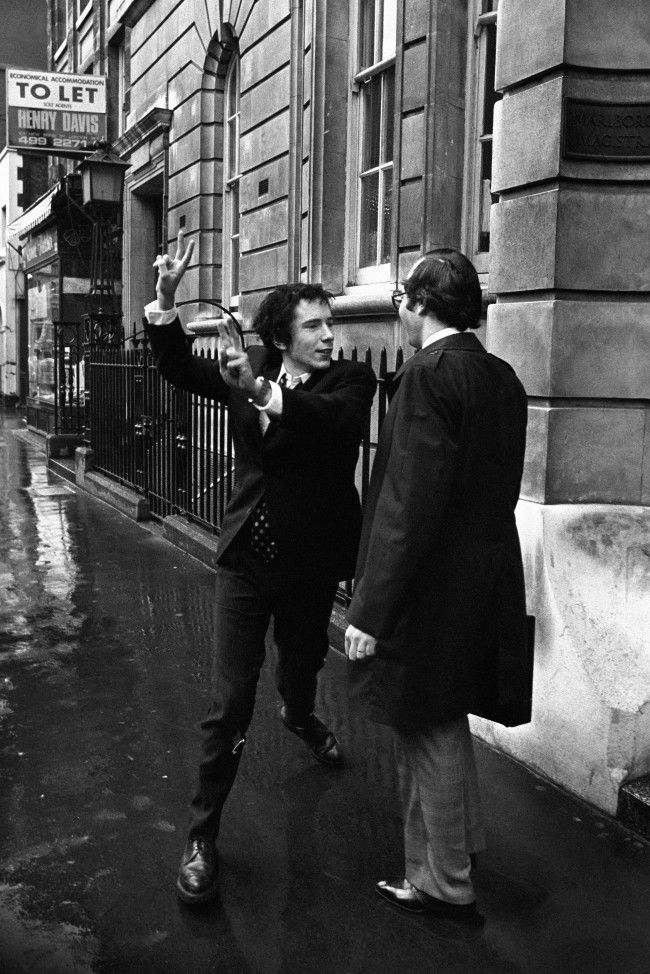
John Lydon, His Wife, and Alzheimer's

John Lydon competed to represent Ireland at the 2023 Eurovision song contest to raise awareness of Alzheimer's since his wife, Nora Forster (1942-2023), had been diagnosed with Alzheimer's in 2018.

I’m doing it to highlight the sheer torture of what Alzheimer’s is. It gets swept under the carpet, but in highlighting it, hopefully we get a stage nearer to a cure.
John Lydon

“Forty-eight years together isn’t enough. But even in illness we’re still finding out new and great things about each other. With Alzheimer’s, they can’t always formulate the words but the real person is still in there. The saddest thing you can do is cut them off.”
John Lydon

“As I say in the song, old journeys end and some begin again, but this is the beginning of a new journey with us."
John Lydon

“And, oddly enough, as bad as Alzheimer’s is, there are great moments of tenderness between us. And I tried to capture that in the song, and so it’s not all waiting for the Grim Reaper."
John Lydon

“I can see her personality in her eyes, she lets me know that it’s the communication skills that are letting her down."
John Lydon

“And I’m just blessed really that I can be there and catch on to that and maybe share that information as this progresses, as we know it will, to its ultimate sad demise. "
John Lydon

“Pass something useful on to other people. It’s a subject now that I’m so firmly tied up and wrapped up and connected to that I care now for all of its victims. Particularly to spouses that have to endure this.”
John Lydon

“We’re not dealing with the walking dead. It’s a matter of memory fusing in and out."
John Lydon

“I had those issues when I was younger, coming out of meningitis. So I’m absolutely in the right place for it. It makes us love one another even more, no question." 
John Lydon

“We’d never be: ‘Oh dear, time to lock you away’. No.” But locating advice as to how to cope with the mental decline of his “significant other” has not been easy. "
John Lydon

“It’s tough to deal with advice from people who absolutely mean well. But I have people who talk to me about their mother or their aunt, who are going through dementia. And it’s not the same for me because Nora’s my significant other. It’s a huge world of difference. And there’s no real literature out there or expert advice to help me.” 
John Lydon

“We find a place in comedy. We’ve always had a good sense of humour. That’s absolutely vital. I think humour keeps you smart.” 
John Lydon

“Alzheimer’s is dreadful. She has to relearn things every day and you must never lose your patience with it."
John Lydon

“No matter how many times you ask the same question, give the right answer. Don’t fob them off. I’m learning a lot about myself this way. It’s a strange blessing, I suppose, because oddly enough it’s bringing us closer together. "
John Lydon

- - - - - - - -

photograph (1977) via

Monday, 20 February 2023

Diagnosing Alzheimer's Disease: Black vs White Patients

In the U.S., Black Americans are about 1.5 to 2 times more likely to develop Alzheimer's or related dementias than whites are. Nevertheless, fewer Black than white Americans are diagnosed with Alzheimer's or related dementias. In a study carried out by Lennon et al. (2022), 15 years (ranging from 2005 to 2020) of data on 5.700 Black and 31.225 white participants were tracked. While 36.1% of white participants were diagnosed with Alzheimer's, only 26.8% of Black participants received the diagnosis. Relative to white participants, Black participants had 35% lower odds of having the diagnosis at the initial visit (via).

Black study participants showed higher rates concerning cognitive impairment (particularly processing speed, language, executive function) than white participants, higher rates of hypertension and diabetes - in other words, more potential risk factors for Alzheimer's. In addition, they were twice as likely to experience delusions and hallucinations and generally more likely to show symptoms such as abnormal sleep, appetite or eating changes, irritability, agitation or aggression.

According to the research team, the results are further evidence that - compared to white patients - Black patients usually need more severe clinical presentations to receive a diagnosis of dementia from physicians. The results are backed by the tendency found in numerous studies showing that Black individuals are only diagnosed with Alzheimer's or related dementias when the disease process is more advanced.

Apart from the differences in diagnostic thresholds applied by providers, the scientists believe that these trends are partly due to social attitudes within Black communities in which memory problems are viewed as a normal part of ageing and medical treatment is only sought when neuropsychiatric symptoms (hallucinations, delusions, personality changes) are encountered. 

- - - - - - - - - - - - - -
- Lennon, J. C., Aita, S. L., Del Bene, V. A., Rhoads, T., Resch, Z. J., Eloi, J. M. Walker, K. A. (2022). Black and White individuals differ in dementia prevalence, risk factors, and symptomatic presentation. Alzheimer's & Dementia, The Journal of the Alzheimer's Association, 18(8), 1461-1471.
- photograph by Gordon Parks via

Thursday, 26 January 2023

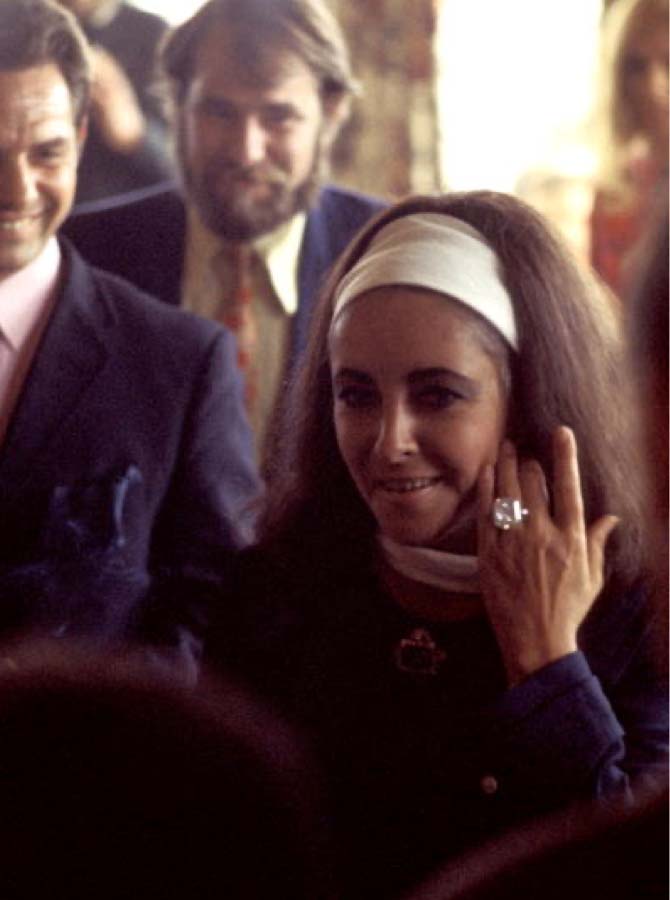
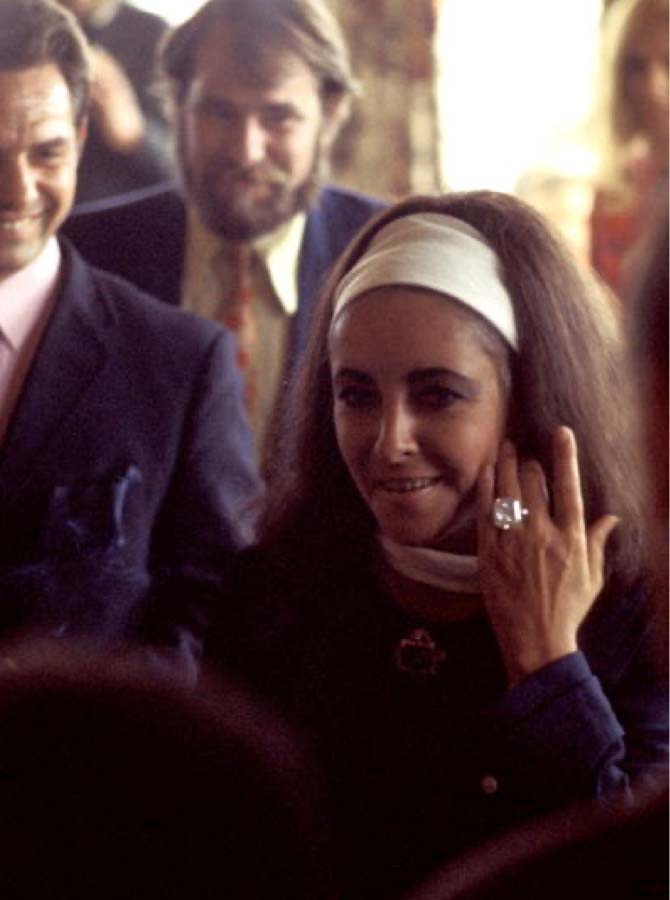
The Impact of Wearing Finger Rings on Symptoms of Dementia

In a study, seven female Japanese dementia (Alzheimer's disease) patients (two discontinued wearing the ring since they thougt they might be forced to buy, data is based on five subjects) living in five small-scale nursing homes were asked to put rings (average price eight dollars) on their fingers from 9:00 to 19:00 for seven days. According to a majority of nursing care providers, the "irritability/lability" disappeared during the ring-wearing intervention period in those patients (n=3) showing an interest in rings. There was no effect in the two subjects not displaying an interest in rings.

Without having been asked, the nursing staff told the patients that they looked so beautiful when they saw them wearing rings. The researchers explain the decrease in irritability and lability with the women knowing about their own status of collapsing intellect and words such as "you look so beautiful" having a positive effect on self-esteem alleviating irritability and lability (Yokoi et al., 2017).

- - - - - - - - - - - - -

- Teruo Yokoi, Hitoshi Okamura, Tomoka Yamamoto, Katsuya Watanabe, Shigeko Yokoi, Hitoshi Atae, Masayuki Ueda, Takahiro Kuwayama, Shigekazu Sakamoto, Saaya Tomino, Hideo Fujii, Takefumi Honda, Takayosi Morita, Takafumi Yukawa, & Nobuko Harada (2017). Effect of wearing fingers rings on the behavioral and psychological symptoms of dementia: An exploratory study. SAGE Open Medicine, Vol. 5, link
- photograph of Elizabeth Taylor via