Showing posts with label mass media. Show all posts

Wednesday, 20 July 2016

The Writers Lab

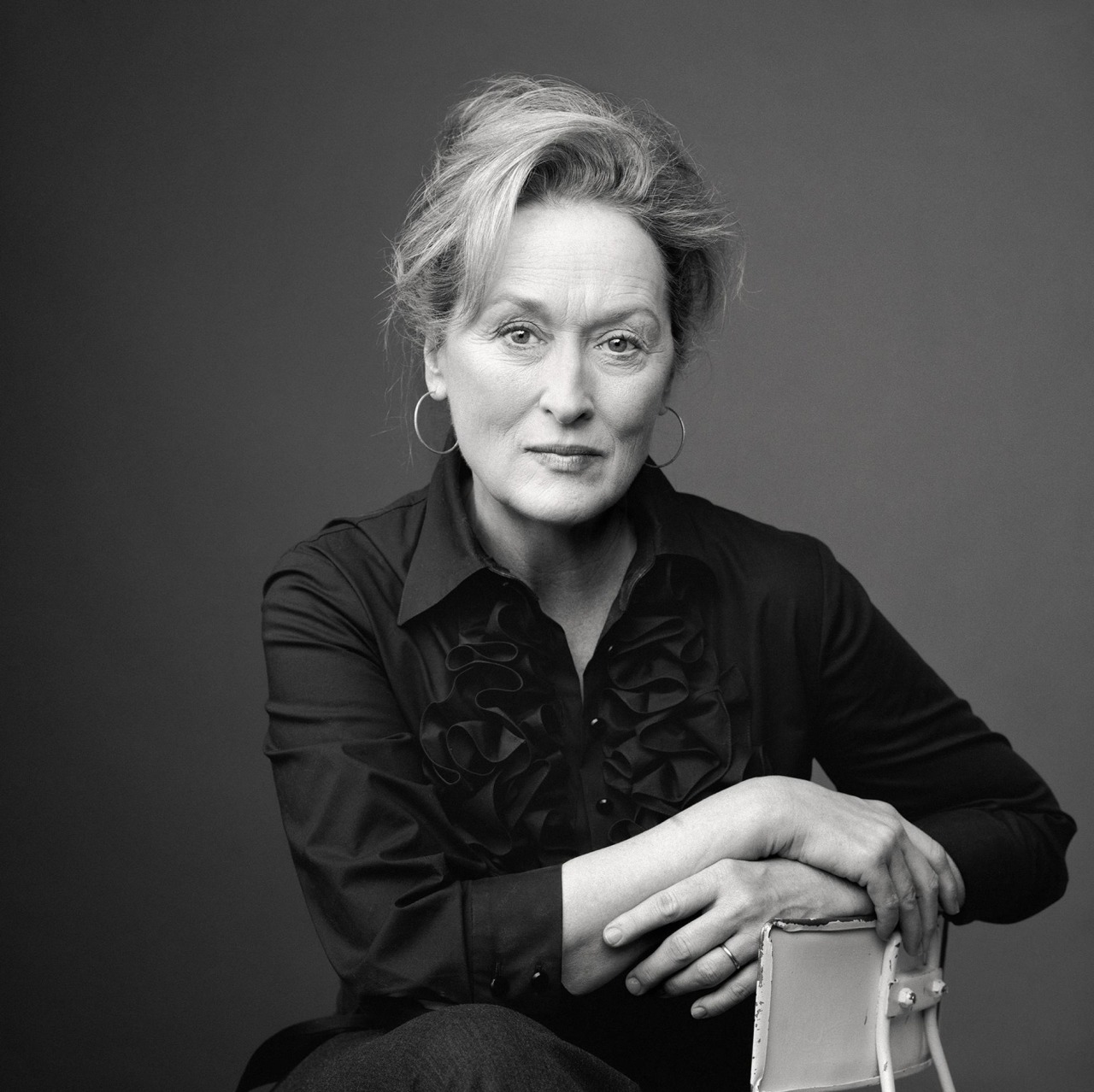
Meryl Streep, together with New York Women in Film and Television and other female filmmakers, helped fund a screenwriting lab for female writers over 40 to bring in more diverse writers and more female roles on screen (via). As figures clearly show, age discrimination in Hollywood (and not only there) is worse for women and things do not seem to get better.


"The Writers Lab is dedicated to developing narrative feature screenplays written by women over the age of 40. We feel it is critical to nurture the voices of mature women that have not been heard and are in danger of being lost entirely. We look forward to a new landscape where the female narrative is in equal proportion to the male narrative, sharing our stories to strengthen our ties to one another and empower younger generations." The Writers Lab
During the 2013-14 TV season, women composed 29% of employed TV writers, a decline from 30.5% in the 2011-12 season. Of the top 250 US-films, only 10% are female screenwriters. When women are not represented behind the scene, they are not represented on screen, or - if they are - often in limited stereotypical ways. Women over 40, for instance, are almost non-existent or "often stale stereotypes". According to director and casting director Risa Bramon Garcia, "The problem happens when writers and producers don't see women as being sexual after 40 - by sexual I mean complex human beings who are attractive and appealing, vital and powerful, in their 40s and 50s and beyond." (via).

<

According to a study conducted by the Writers Guild of America, West, "(w)omen and minorites have actually lost ground as compared to their white male counterparts". Minority writers saw a 7% decline, employment of female writers fell 5%. Concerning writers in general, no matter which gender, the study came to the conclusion:
“Although writers over 40 continued to claim a majority of all staff writer positions, data from the most recent TV season show that their employment prospects drop dramatically after age 50. Such stark statistics continue to illustrate that the entertainment industry remains a glaringly unlevel playing field.” (via)
- - - - - - - - - - - - - - - -
photographs of Meryl Streep via and via and via

Monday, 14 September 2015

Selecting Headlines, Constructing Reality

More than 200.000 crimes are reported to the police in Vienna every year, less than 2.000 of them are communicated to media. According to an analysis of 3.726 incidents passed to media by the police in 2013 and 2014, there seems to be a pattern in the selection of what is to be reported and what not. While robbery is number one on the list, only every 43rd rape is communicated to media which creates a distortion of reality. The nonrendering of assistance to persons in danger and racist violence are non-existent in media although being reported to the police. At the same time, almost every single robbery or assault in connection with jewellers, banks or taxi drivers is passed to journalists. Drug-related crime, number six on the list, is communicated to journalists every second day. The analysis also shows a correlation between the amount of incidents reported to the press and the districts in which they happen.
Selections do have an impact on our conception of reality and they are also shaped by what the police reports. After all, between 80 and 90% of all the crimes we read about were originally reported by the police (via).


photograph by William Helburn (1960) via

Wednesday, 12 February 2014

Lois Lane is Curious and Black

"Are you sure you want to go through with this, Lois?"
"Yes, Superman! Close the body mold and switch on the power! It's important that I live the next 24 hours as a black woman!"


The Civil Rights movement had an impact on mass media and comic books were no exception. Marvel created "Black Panther" in 1966, DC's superheroes started supporting minorities and "rarely missing an opportunity to make some sort of comment on state of race-relations". Superman stories had hardly included African Americans for some decades. In the early 1970s, however, mutual respect became one of "the" messages.


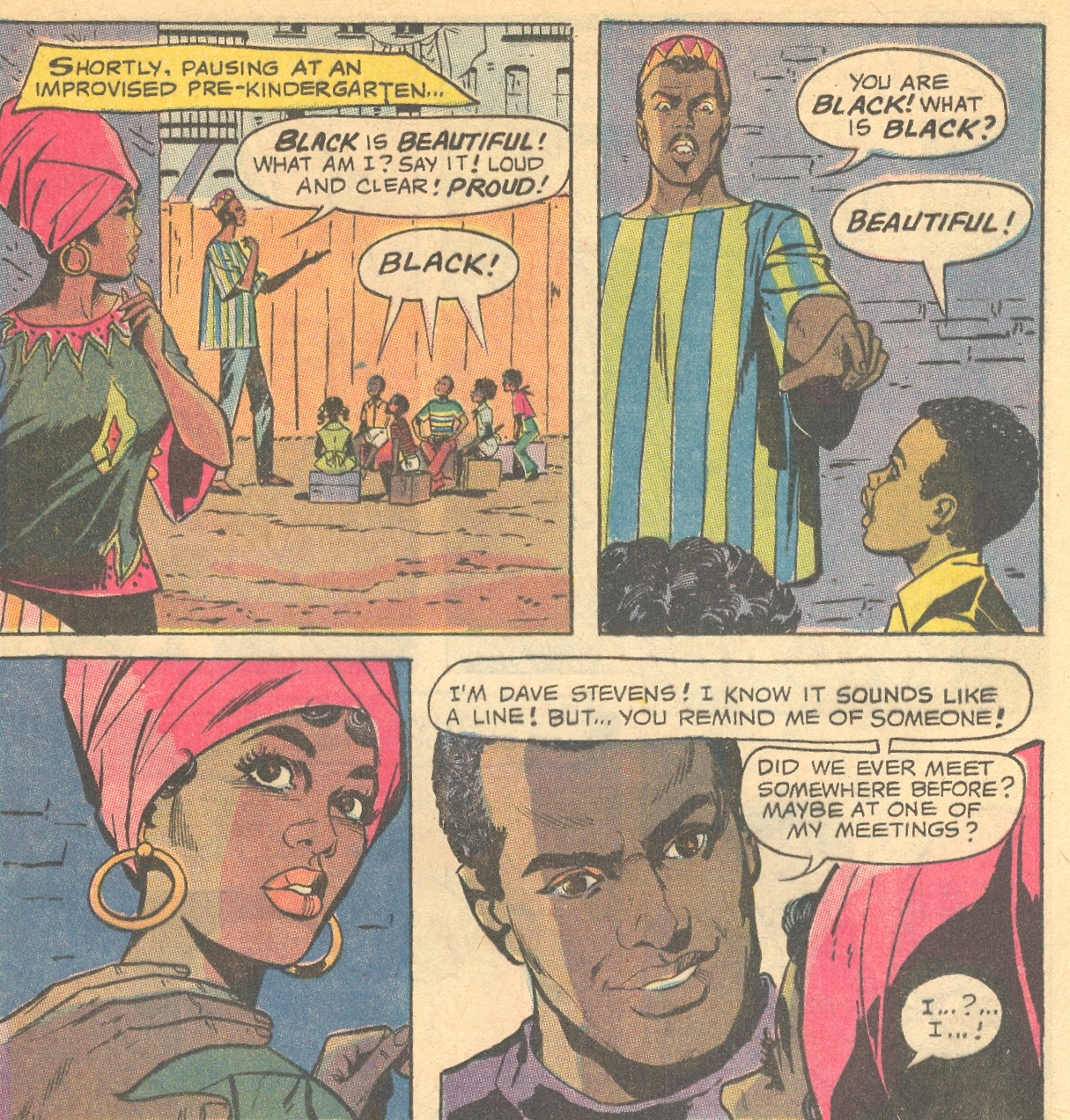
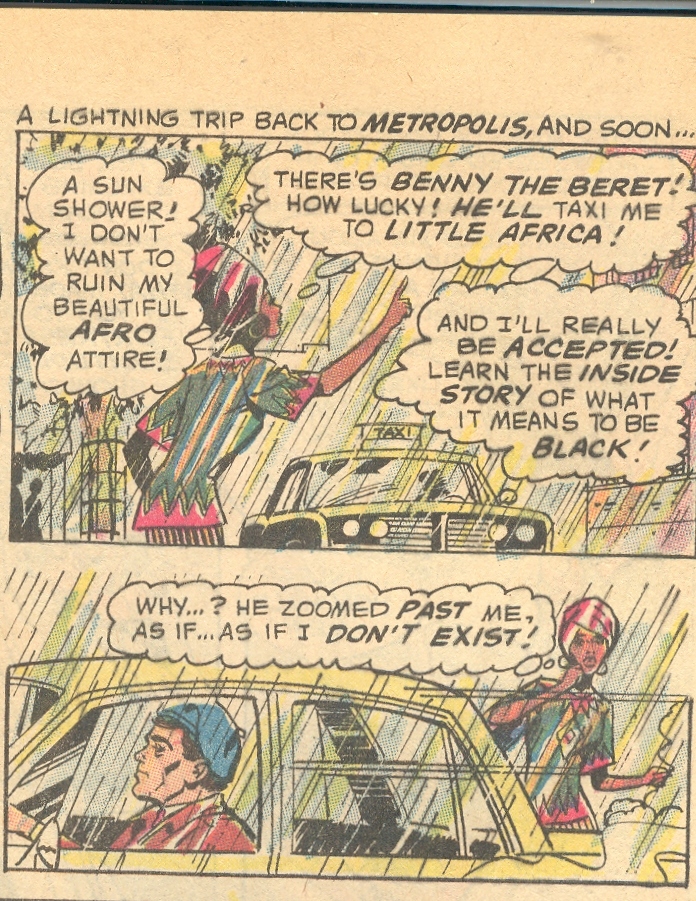
In Superman's Girl Friend Lois Lane #106 (Nov. 1970) "I am Curious (Black)!", Lois Lane wants to write an article on Metropolis district "Little Africa" but has difficulties finding African Americans to interview as they reject her because of her ethnicity. Superman offers her to enter his Plastimold and change her skin colour for 24 hours. With her altered skin colour, Lois Lane finds acceptance among African Americans and rejection among her former friends. The story portrayed Black Power, tended to reinforce some stereotypes but had a clear diversity message and was a large success (Zeichmann, 2012).


Lois Lane decides to take the underground.


Zeichmann, C. B. (2012) Black Like Lois. Confronting Racism, Configuring African American Presence. In: Darowski, J. J. (ed.) The Ages of Superman. Essays on the Man of Steel in Changing Times. Jefferson: McFarland & Company, 78-90
Images via and via and via and via and via