Wednesday, 30 October 2013

Moonrise Kingdom, Scouting & Religion

In 1906 and 1907, the military officer Robert Baden-Powell wrote a book for boys about scouting, a few years later a new organisation for girls (the "guides") was created. Today, Scouting and Guiding is practiced in many countries worldwide, such as Indonesia, Uganda, France, the Philippines, Pakistan, Nigeria or Japan (via).


The Boy Scouts of America recognises a wide range of religious affiliations (e.g. Zoroastrianism, Judaism, Islam, Hinduism) (via). Recent controversy rather refers to the non-religious than to the "different"-religious. Scouting has been criticised by the National Secular Society for putting non-believers off joining. The society quotes the obligatory scout promise that includes the line "to do my duty to God".


Nevertheless, the Scout Association seems to become more accessible. It launched a new range of clothing in 2012 following requests from a growing number of Muslim girl members (via). British designer Sarah Elenany created it with the aim "to highlight how the scouts are modernising, increasing diversity and responding to members". In UK Chief Scout Bear's words: "Scouting has something to offer everyone, no matter your religion, ethnicity or belief" (via). And the non-believers? While the core Scout Promise remains in place, this year, Guide leaders said that the promise to "love my God" was discouraging some girls and volunteers from joining and decided to change it. Instead, new Guides now pledge "to be true to myself" (via).


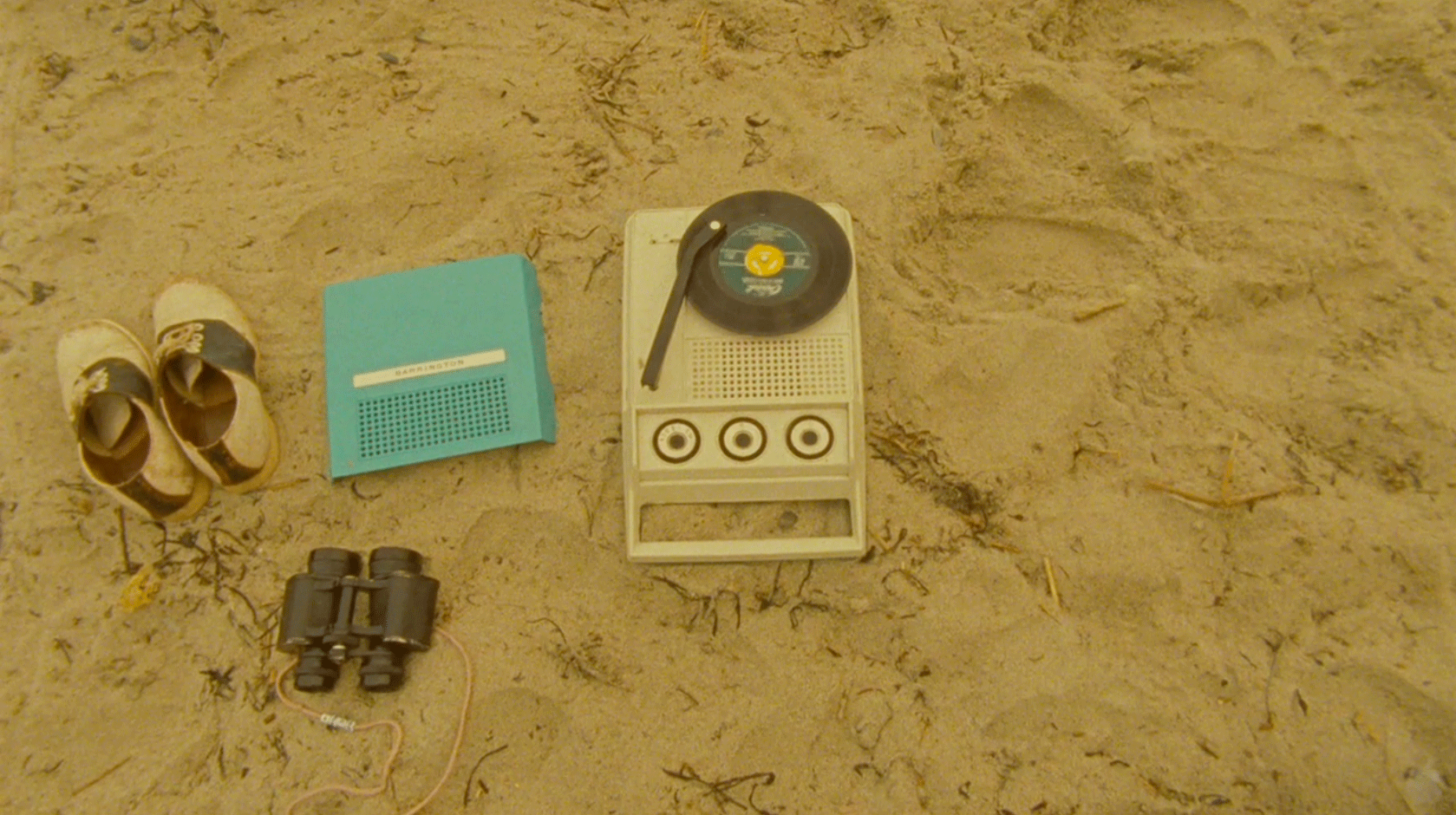
Photos (from Wes Anderson's Moonrise Kingdom, 2012) via and via and via

Tuesday, 29 October 2013

Post No. 50. Or: Your Comments are Beautiful

Dear Kenneth, Derek, Karen, Sam, Abbie, Tim, Macy, Erin, Noah, Terryl and Anonymous I to Anonymous VIII, many thanks for your wonderful feedback. And again a big thank you for turning my blog monologue into a lovely dialogue. Your comments are beautiful :-)


Photo (c) Moazedi

Friday, 25 October 2013

Volvo, Welfare, Alcohol, Cold, Blonde and Blue-Eyed: The Swedish Stereotype and a Tribute to Ingrid Bergman

In 2003, the Council for the Promotion of Sweden decided to launch the Study of Sweden's Image Abroad and included 23 countries and the city of Brussels in its study. Knowledge and attitude differed from country to country, the content of the stereotypes varied as well ranging from "welfare model and gender equality" in Spain to "god-fearing, suicide prone and promiscuous" in the US. In general, the attitudes were rather positive.


According to the study, the most common perceptions and clichés about Sweden are 1) welfare, 2) music, literature and films such ABBA, Astrid Lindgren and Ingmar Bergman, 3) beautiful women and sexual lieberation, 4) nature, 5) cars, particularly Volvo, c) sports, 7) IKEA, 8) good neighbours (coming from the Nordic countries), 9) the cold, 10) sparsely populated country, 11) neutrality, 12) meatballs, 13) alcohol, 14) Nobel, and 15) high taxes and extensive prohibitions.


Positive attributions to the Swedish are: open, well organised, efficient, punctual, thorough, law-abiding, well educated, knowledgeable, pro-technology, modern, honest, reliable, correct, skilled in languages, urbane, nature-loving, peace-loving, faithful friends, friendly, kind-hearted and possessing strong work ethic.
The negative ones are: gloomy, lacking in humour, rather boring, coldly remote, introvert, too controlled, provincial, impolite, boorish, naive, insensitive to the subtleties of the English language, know-alls, impious, depressed, shy, and inclined to drink.


Ministry for Foreign Affairs Sweden (2003) Images of Sweden abroad. A study of the changes, the present situation and assessment methods (via)

Photos of Ingrid Bergman via and by Bob Landry for Life Magazine (1941) via and via

Tuesday, 22 October 2013

International Stuttering Day & The Michael Palin Centre for Stammering Children

"Anyone who knows what it is to stammer either personally or, as in my case, through a loved one's experience, will know the effect it can have on a life. To know what you want to say and be unable to say it is almost intolerably frustrating. All the patience in the world cannot prevent it affecting the self-confidence and self-esteem. Much of the problem stems from public ignorance of stammering and stammerers (...)." Michael Palin

The Michael Palin Centre for Stammering Children was opened in 1993. Palin agreed to the centre being named after him after he had portrayed the stammering character "Ken" in "A Fish Called Wanda". His support has helped create a high profile for the centre (via).


Stammering is prevalent worldwide. And so is - generally speaking - its negative stereotype. It is defined as a disorder in which the fluency of speech is disrupted. To the person affected, however, it can be much more than that. Stammering individuals often deal with shame, guilt and fears about speaking. They might feel that their speech has a negative impact on their performance evaluations leading to inaccurate judgements of their abilities or even to not being hired for a job. The most frequent stereotypes they are faced with is that stammering people are quiet, shy, avoiding, fearful, unpleasant, and nervous (Hofmann, 2008).


Hofmann, N. (2008) Critical Review: The Effects of Education Regarding Stuttering on the Attitudes of Individuals Towards People Who Stutter (via); photos via and via

Friday, 18 October 2013

The Cultural Construal of Happiness

Happiness is subjective, what constitutes happiness can be different from individual to individual. In addition - and to make it even more complex - there are also cross-cultural differences. In the past years, research approaches emerged that take greater account of indigenous factors. One example is Bhutans's Gross National Happiness Index which reflects Bhutan's cultural and religious ideas and orientations and does not measure subjective happiness only, but also collective and societal factors. This is surely a positive trend as there are still scales widely used which are invalid in some cultures since they measure European and US-American ideas of happiness.


In Japan, for instance, interdependent orientation is salient. Being much happier than others is therefore taken as disharmonious within relationships. Japanese wellbeing indicators need to include "interdependent happiness". By contrast, the Western model of happiness is defined in terms of independence.


Several studies suggest that within European and US-American cultures, positivity and negativity are seen as rather contradictory, whereas they are understood as complimentary facets of happiness in East Asian cultures. According to some findings, US-Americans believe that happiness is an enduring positive state while Japanese are likely to believe that it is a positive, transitory moment with negative consequences.


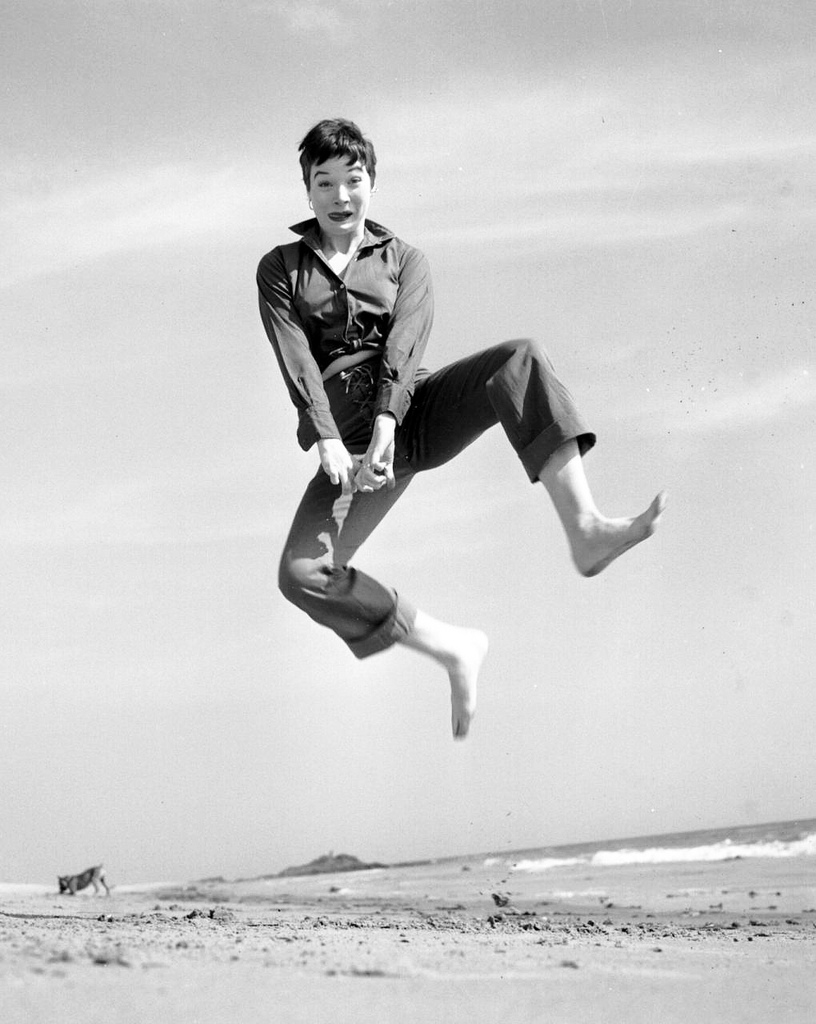
Leaping for joy? "Starting in the early 1950s I asked every famous or important person I photographed to jump for me. I was motivated by a genuine curiosity. After all, life has taught us to control and disguise our facial expressions, but it has not taught us to control our jumps. I wanted to see famous people reveal in a jump their ambition or their lack of it, their self-importance or their insecurity, and many other traits." Philip Halsman


Uchida, Y. & Ogihara, Y. (2012) Personal or Interpersonal Construal of Happiness: A Cultural Psychological Perspective. International Journal of Wellbeing, 2(4), 354-369, photos via

Wednesday, 16 October 2013

Pansy

pansy ('pænzi) n., pl. -sies. 1. any violaceous garden plant that is a variety of Viola tricolor, having flowers with rounded velvety petals, white, yellow, or purple in colour. See also wild pansy. 2. Slang. an effeminate or homosexual man or boy. 3. a. a strong violet colour. b. (as adj.: a pansy carpet. [C15: from Old French pensée thought, from penser to think, from Latin pensare]


Eight years ago, Paul Harfleet started The Pansy Project. Since then, he has been planting flowers at sites of homophobic crimes in London, Manchester, Liverpool, Birmingham, Istanbul, New York City, Berlin, Graz and many more. Thousands of pansies have been planted, many of them in cities where homophobic crime has risen.
Harfleet describes the cathartic effect of this very project. The public nature of these incidents was a crucial aspect as the crimes often occurred during the day in full view of passers by. He was interested in the memories he would associate with the locations and wanted to manipulate the associations. When he planted his first pansy, his feelings towards the location changed. Harfleet says he overlayed the memory with something positive.

Whitechapel Road, London


Hurst Street, Birmingham


Upper Brook Street, Manchester

Herrengasse, Graz


Definition from: Collins English Dictionary, 3rd edition, Harpers Collins Publishers
Information and photos via The Pansy Project, The Pansy Project BlogThe Huffington Post and BBC

Monday, 14 October 2013

Steve McQueen's Driving Licence & The Friendly Car in Ethiopia

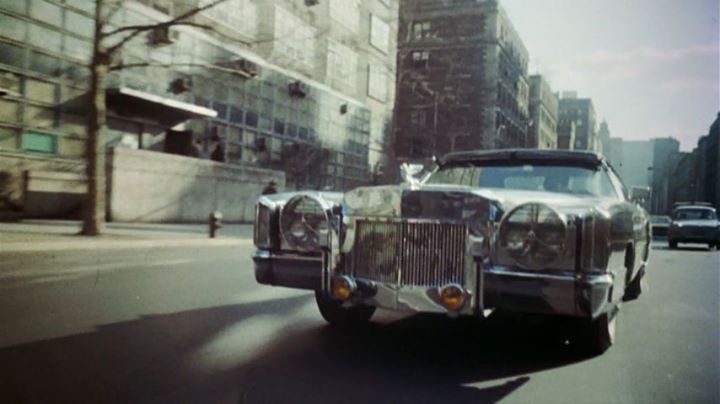
The analogy between cars and facial shape is not a new one. Car advertisements and the entertainment media (e.g. Pixar's "Cars" or Disney's "Herbie") utilise our tendency to anthropomorphise objects. Windhager et al. (2012) assume that if there is a biologically determined overgeneralsisation from faces to cars, there would be a generalisation across cultures. The authors tested differences between Ethiopia, a culture that is not exposed to car marketing, and Austria.


Consistencies between the attributions child-adult, female-male, and submissive-dominant to cars were examined through changes in design, e.g. a manipulation of the grille (e.g. the wider and taller the grille, the more maleness, dominance and higher age were attributed). Despite differences in street scenery in Austria and Ethiopia, a high cross-cultural consisteny in child-adult, female-male and submissive-dominant attributions to cars was found which might be due to a common psychological mechanism.


However, the authors found differences between Austrian and Ethiopian ratings in items with emotional valence. In Austria, there was a high differentiation between cars ranging from negative to positive descriptions (e.g. "angry", "afraid", "happy") while in Ethiopia, all cars were judged positively (e.g. "happy", "friendly", "open"). Various reasons could explain this finding. For instance, Ethiopians are very polite and could wish to avoid negative attributions. Another explanation could be that interactions with real cars are generally positive in Ethiopia. Or: The missing traits are not perceived as they are lacking in local marketing strategies (Windhager et al., 2012). In general, it is considered as crucial to integrate cultural aspects in the design of products (Syed Mohamed et al., 2013).


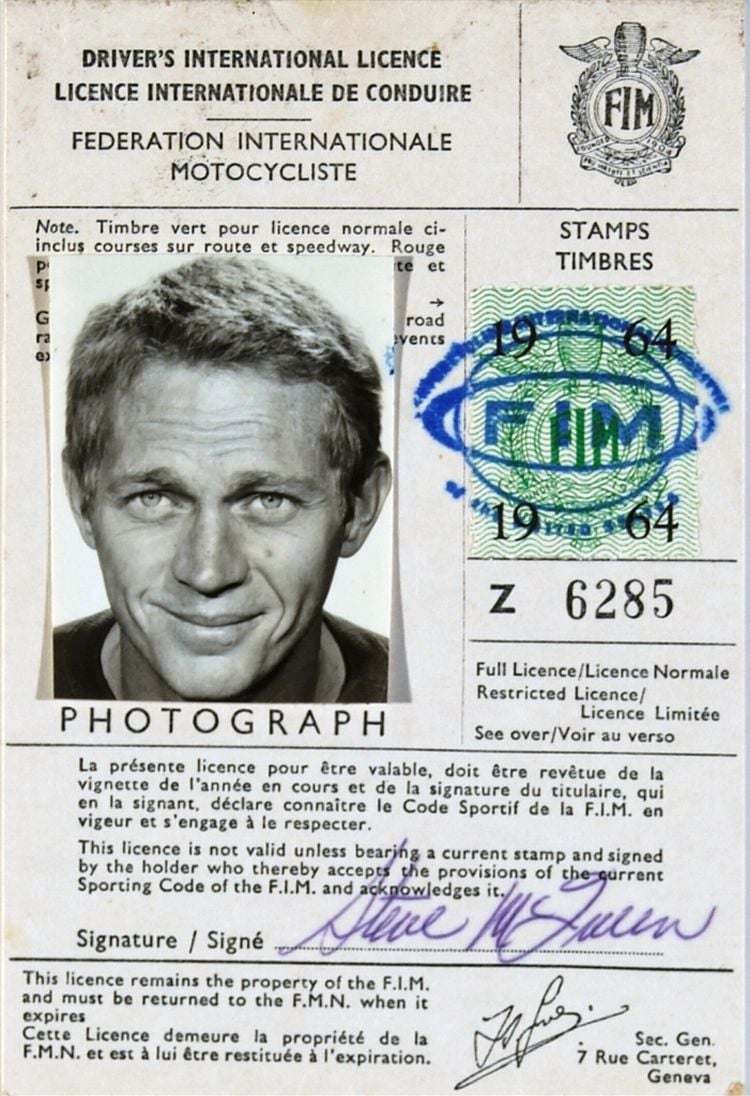
Steve McQueen, "King of Cool", (1930-1980) was a motorcycle and racecar enthusiast - he even considered a professional career in race car driving. His motorcycle licence from 1964 was sold at an auction in 2009 (via).


Syed Mohamed, M. S., Shamsul, B. M. T., Rahman, R. (2013) Cultural Model in Predicting Car Center Stack Design Preferences. International Journal of Education and Research, 1(6), 1-12
Windhager, S., Bookstein, F. L., Grammer, K., Oberzaucher, E., Said, H., Slice, D. E., Thorstensen, T. & Schaefer, K. (2012) "Cars have their own faces": cross-cultural ratings of car shapes in biological (stereotypcial) terms. Evolution and Human Behavior, 33, 109-120
Photos via and via and via and via

Friday, 11 October 2013

International Day of the Girl Child

"Empowering girls, ensuring their human rights and addressing the discrimination and violence they face are essential to progress for the whole human family. One of the best ways to achieve all of these goals is to provide girls with the education they deserve.
Yet too many girls in too many countries are held back simply because of their gender. Those whose mother was also deprived of an education, who live in a poor community, or who have a disability face an even steeper climb. Among girls who do make it to school, many face discrimination and violence.
I launched the Global Education First Initiative to accelerate progress in getting every child into school, especially girls. We are aiming to teach more than reading and counting; we are striving to raise global citizens who can rise to the complex challenges of the 21st century."


Photo (c) Moazedi

Thursday, 10 October 2013

World Mental Health Day

At the initiative of the World Federation of Mental Health and with the support of the WHO, on 10 October World Mental Health Day is celebrated. Prevalence estimates vary but have in common that experiencing some kind of mental health problem (e.g. depressive, eating or anxiety disorder, schizophrenia etc.) during lifetime or even in the course of a year is not as far-fetched as one might think (e.g. via). In Austria, a country with 8.5 million inhabitants, 900.000 people are currently in treatment. On a global scale, estimates range between 400 million and 1.5 billion people who are affected (via).


The aim of the day is raising awareness as the social stigma attached to mental disorders can make problems worse. According to the Mental Health Foundation, about nine out of ten say that stigma and discrimination have a negative impact on their lives. Problems are related to finding work, being in a long-term relationship, living in decent housing, and being socially included in mainstream society (via). In the UK, the campaign Time to Change aims to challenge mental health stigma and discrimination.


Invisible disabilities are not readily apparent. Those whose disabilities are invisible might even have to convince other people that they are impaired not knowing what consequences their disclosure might have. In line with the "seeing is believing" attitude, readily visible impairments are said to be the ones that are taken more seriously (Coté, 2009).


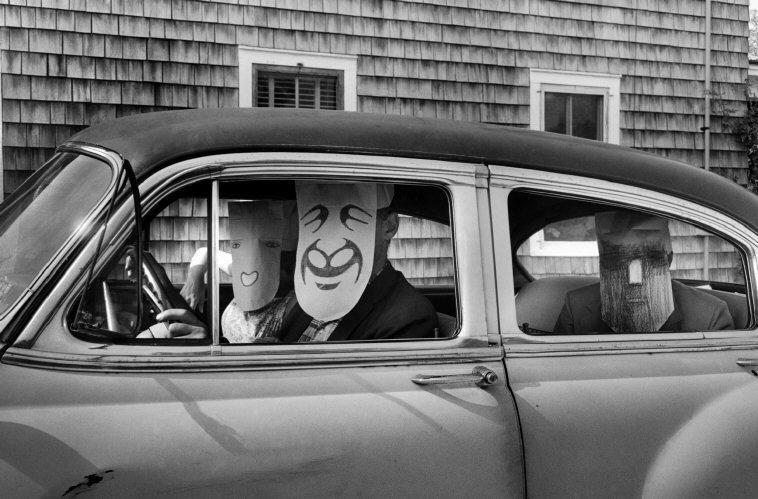
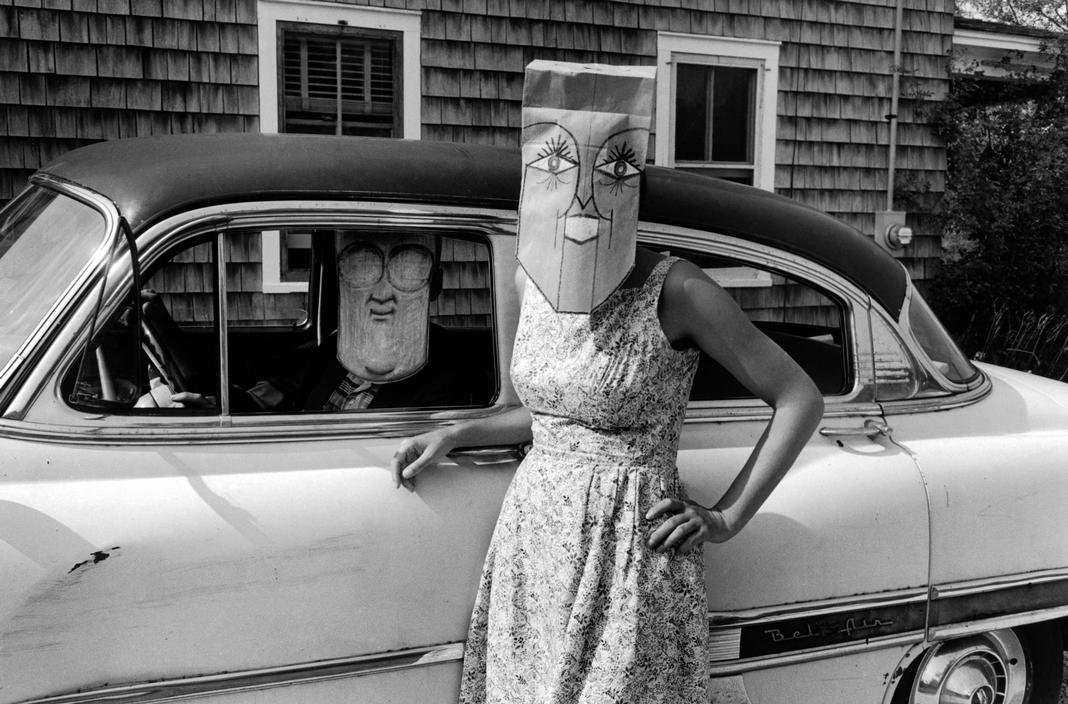
The Mask Series was a collaboration between the Austrian photographer Inge Morath (1923-2002) and The New Yorker cartoonist Saul Steinberg (1914-1999). They started the project in the 1950s and continued it into the 1960s.


Coté, J. (2009) Invisible Disability Disclosure. Athabasca: MA
National Mental Health. Development Unit. (n.y.) Stigma and discrimination in mental health (via); photos via and via and via and via and via and via and via

Monday, 7 October 2013

Blaxploitation

Roughly between 1969 and 1974, the first blaxploitation period, blaxploitation films were released showcasing new and powerful images to the black public. In order to understand the exploitation era it is crucial to understand the era that preceded it which was marked by turbulences, segregation, the struggle to change the circumstances, the murder of Martin Luther King and other leaders (Walker, 2009). The rising socio-political consciousness and the critical dissatisfaction with Hollywood's degradation of African Americans in films made this genre possible (Guerrero, 1993). The films employed black narratives and more black actors, directors and writers than any other period had before (Graham, 2003).


Blaxploitation was an attempt to reconstruct blackness in a positive mode. The films were meant to empower the black community. However, the urban, black hero fighting the system did not seem to substantially improve the images of blacks in society. The films were criticised for their simplicity, violence, reinforcement of stereotypes and limitation in women's roles (Graham, 2003). Black female identity, in particular, is discussed as invisible and neglected in both gender discourse and black histories (Wayne, 2009), female leads have been ignored in critical discussions of the genre (Kraszewski, 2002).
The criticism is not to be denied. But it was also blaxploitation that for the first time provided black heroes and icons. Walker (2009) comes to the conclusion: "The reality is that blaxploitation is neither positive nor negative; it simply is what it is."


Films such as Sweet Sweetback's Baadasssss SongShaftSuper FlyBlaculaCleopatra JonesCoffyFoxy BrownWillie DynamiteBlack Shampoo and Dolemite (for a detailed list see) are examples of blaxploitation films.


Gordon Park's Shaft (1971) is probably one of the most popular blaxploitation films. As the film begins, the audience is presented with the image of Shaft for more than three minutes before the lyrics of Isaac Hayes' theme song begin (Graham, 2003).
::: Shaft opening (five minutes) WATCH


- Graham, O. C. (2003) Brown Sugar and Spice: A Textual Analysis of the Intersection of Race and Gender in Blaxploitation Films. Athens: MA Thesis
- Guerrero, E. (1993) Framing Blackness: the African American Image in Film. Philadelphia: Temple University Press, 69-111
- Kraszewski, J. (2002) Recontextualizing the Historical Reception of Blaxploitation: Articulations of Class, Black Nationalism and Anxiety in the Genre's Advertisements. the Velvet Light Trap, 50, 48-61
- Walker, D. (2009) Introduction, in Walker, D., Rausch, A. J. & Watson, C. (eds.) Reflections on blaxploitation. Actors and directors speak. Lanham: Scarecrow Press, vii-x
- Wayne, C. (2009) "Baad Bitches" and Sassy Supermamas: Black Power Action Films. Review. Journal of International Women's Studies, 11(2), 239-242
- Images via and via and via and via