Wednesday, 27 November 2013

Follow-Up: The Diversity Coalition & The Fashion Industry

The discussion about a possible link between fashion and racism is not a completely new one. Five years ago, Vogue published an article titled "Is Fashion Racist?". The magazine sold out overnight (via). Bethann Hardison, supermodel of the 1970s, activist, founder and spokeswoman of the Diversity Coalition, recently drew attention to the Fashion Week. In an open letter to e.g. the Council of Fashion Designers of America (via) she named fifty fashion houses that used "one or no model of color" (via).
"No matter the intention, the result is racism," it read. "Not accepting another based on the color of their skin is clearly beyond aesthetic when it is consistent with the designer's brand. Whether it's the decision of the designer, stylist or casting director, that decision to use basically all white models reveals a trait that is unbecoming to modern society. It can no longer be accepted, nor confused by the use of the Asian model." (via)
According to Jezebel, 80% of the models at the New York Fashion Show were "white", the remaining 20% were "black, Asian and Latina" (via); 6% of the models appearing in February's Fashion Week were black (via).


Donyale Luna (1945-1979), the first African American model on the cover of British Vogue, via and via


In her letter, Hardison pointed out that designers were trying to get around diversity by using Asian models who were closer to "white". In an interview, she stated that the prospects for black models used to be better in the past (via). Hardison appeared on ABC with Iman and Naomi Campbell who both actively support the Diversity Coalition (via), other models such as Jessica White joined the chorus of criticism concerning a lack of diversity. Apparently, there have also been positive reactions to the letter. Good news, as fashion is about creating trends that are often not limited to clothes ...

Monday, 25 November 2013

Audrey, Givenchy and Diversity in Fashion

For about forty years, Audrey Hepburn (anim. gif via) was the muse and a close friend of the French aristocrat and fashion designer Hubert James Marcel Taffin de Givenchy. 


Hubert founded The House of Givenchy in 1952, since 2005 Givenchy has been headed by the Italian creative director Riccardo Tisci. Tisci caused a media stir in 2010 when he cast his transgender assistant Lea T. for an ad campaign (via). For the Givenchy 2011 spring campaign he chose albino model Stephen Thompson (via) and presented an "All Asian Models" cast.


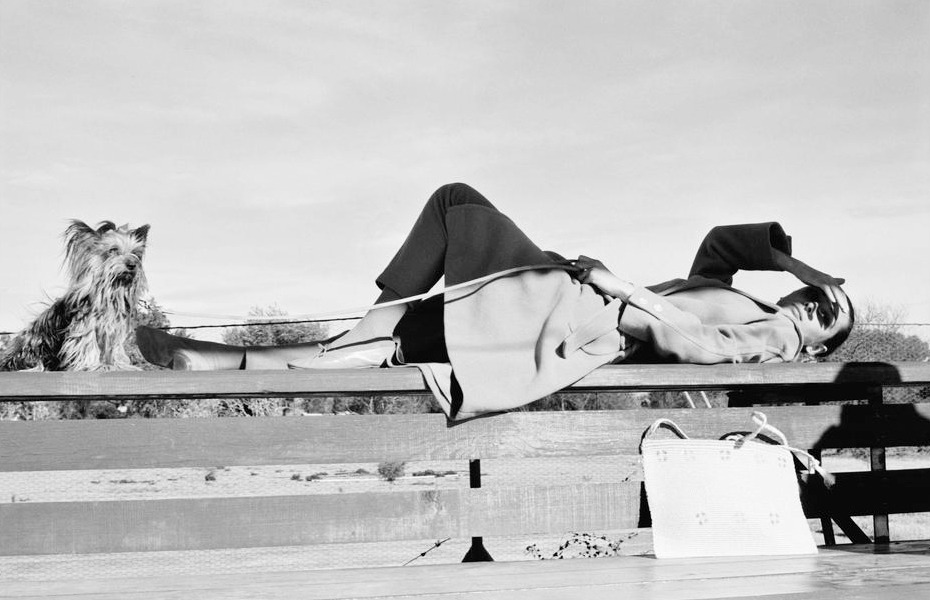
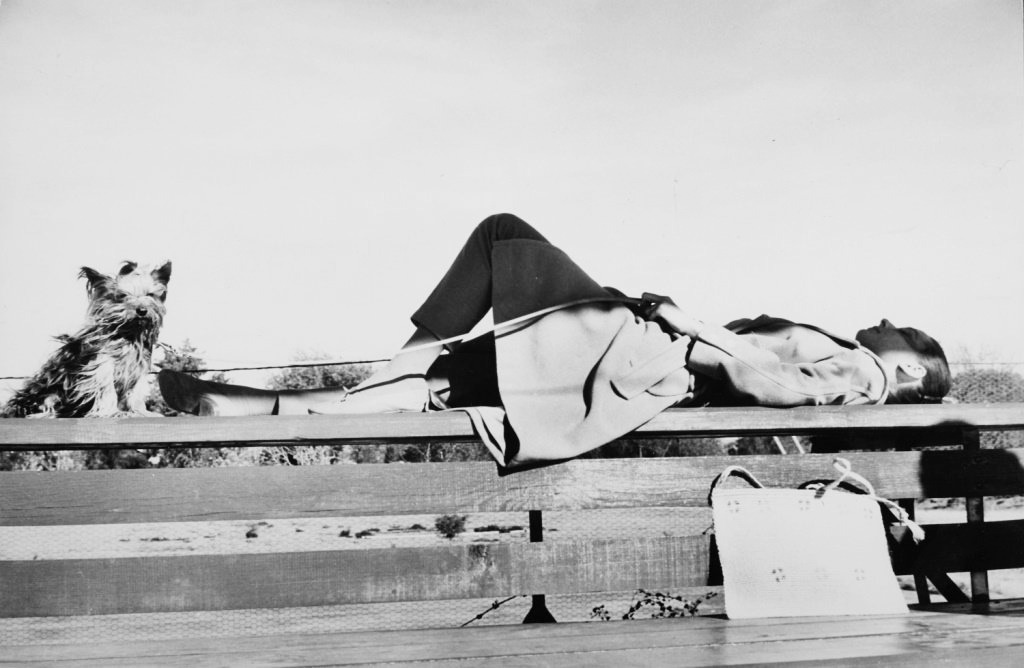
Audrey and her dog Mr. Famous photgraphed by Inge Morath (1959) via and via


These might seem rather modest steps. At the same time, however, they are not that insignificant considering the "diversity standards" of the fashion industry. This year, for instance, Prada made headlines by casting Malaika Firth for a campaign - the first non-white model after almost twenty years (via). Naomi Campbell was the last black model chosen by Prada. That was back in 1994, the very year Firth was born (via).


Fashion and diversity ... to continue click here

Friday, 22 November 2013

The Bechdel Test, Goats, Sweden Again & Time for Another Tribute to Ingrid Bergman

The Bechdel test is named after a character by the American cartoonist Alison Bechdel that only goes to the cinema if the film satisfies three basic requirements, i.e.: 1) It has to have at least two (named) women in it 2) who talk to each other 3) about something besides a man (via).


Recently, cinemas in Sweden introduced the Bechdel rating to highlight gender bias, to draw attention to the fact that only a few films pass the test and to ensure that more female stories will be seen on screens in future. Movies have to pass the Bechdel test in order to get an A rating. Limitations are discussed since the test does not rate the quality. It is, however, certainly one of Sweden's clear moves to promote gender equality (via).


Photos via and via

Tuesday, 19 November 2013

International Men's Day & Movember

International Men's Day focuses on improving men's and boy's health, gender relations, gender equality, and highlighting positive male role models. The initiative tackles male suicide, male life expectancy, and violence against men and boys (via).


Movember is a month-long event involving the growing of moustaches in November in order to raise awareness of men's health issues, such as male cancers. Its goal is to "change the face of men's health" (via).


Photos (National Beard and Moustache Championships) by Greg Anderson via and via

Saturday, 16 November 2013

International Day for Tolerance

On the day of its fiftieth anniversary, 16 November 1995, UNESCO's Member States adopted a Declaration of Principles on Tolerance. Among other things, the Declaration affirms that tolerance is neither indulgence nor indifference. It is respect and appreciation of the rich variety of our world's cultures, our forms of expression and ways of being human. Tolerance recognises the universal human rights and fundamental freedoms of others. People are naturally diverse; only tolerance can ensure the survival of mixed communities in every region of the globe (literally via United Nations).


Tolerance is considered to be a social cohesion indicator. According to the Gallup World Poll conducted in over 140 countries in 2011, Canada was the most tolerant country regarding average community acceptance of the minority groups (ethnic minorities, migrants and queer individuals were included) (OECD, 2011).


OECD (2011) Society at a Glance 2011. OECD Social Indicators. OECD Publishing
Photos (Harlem in 1978) via and (Detroit in 1973) via

Thursday, 14 November 2013

Gossip & World Diabetes Day

Rumour has it that Elizabeth Taylor was one of the "famous diabetics", a speculation she refuted but nevertheless spread online. It is, however, not a rumour that a high number of individuals is affected by diabetes. According to the International Diabetes Federation, 366 million people had diabetes in 2011 and about 552 million people will have diabetes by 2030 (via). Diabetes UK calls it a hidden disability consciously using this very term in order to protect diabetics' rights (via). In fact, individuals with diabetes are more likely to have work limitations (via) and to be discriminated against than those without (via). World Diabetes Day aims to make more people aware of what diabetes is and to prevent it where possible.


photo via

Saturday, 9 November 2013

Dirty Harry & The Disability Act

US-American states differ in their rules governing gun permits. Kansas altered its laws three years ago to prohibit carrying guns to anyone "suffering a physical  infirmity which prevents the safe handling of a weapon" (via). Some, such as Nebraska and South Carolina, require applicants for gun permits to show proof of vision. Others, such as Texas, pass measures to help legally blind people hunt.


And Iowa permits visually impaired people to carry firearms in public (via). A state law passed in 2011 prohibits sheriffs from denying residents the right to carry weapons due to their physical disability (via). According to Disability Rights Iowa, keeping visually impaired individuals from getting weapons would violate the Disabilities Act (via). A rather irritating interpretation of disability rights ...


Music by Lalo Schifrin and Ennio Morricone

Thursday, 7 November 2013

Ethnomusicology as an Intercultural Tool

In 1885, the Bohemian-Austrian musicologist Guido Adler used the term ethnomusicology for the first time. It was founded as "comparative musicology" with the aim to compare music cultures of different peoples, countries, and territories for ethnographic reasons (Hemetek, 2010).


As ethnomusicology involves research into music of non-Western cultures, it requires an understanding of the social, religious, historical and political background of the people (Natalia, 1978).


Comparing different music cultures means trying to understand them which again can be seen as a point of departure for interculturality. At the beginning, European classical music was defined as the standard, as the foundation for all comparisons. Due to this eurocentric view, all except European was seen as primitive.


Today, ethnomusicology is defined by an interculturally comparative perspective, an important aspect of its application is: for the benefit of the people that are studied. Ethnomusicologists bridge the gap to the cultural "other". The former concept of homogeneity was replaced by a concept of heterogeneity (Hemetek, 2010).


Hemetek, U. (2010) Applied ethnomusicology as an intercultural tool: Some experiences from the last 25 years of minority research in Austria. Proceedings of cAIR10, the first Conference on Applied Interculturality Research (Graz, Austria, 7-10 April 2010), 1-9
Natalia (1978) Ethnomusicology and its relationship to some aspects of music in Cetshwayo's time. Natal Society Foundation, 61-68; photos via and via and via and via

Monday, 4 November 2013

Perspective Taking, Diversity & Creativity

According to research findings, heterogeneous teams perform more creatively than homogeneous teams. This seems to be particularly true when they engage in perspective taking. In other words, taking perspectives of teammates and investing cognitive energy in understanding one's teammates' approaches seem to enable diverse teams to bring out their creative potential by engendering a comprehensive evaluation of the ideas and integrating the different perspectives.


Hoever, I. J. (2012) Diversity and Creativity. In Search of Synergy. Rotterdam: ERIM PhD Series in Research in Management

Artwork by Javier Pérez via

Wednesday, 30 October 2013

Moonrise Kingdom, Scouting & Religion

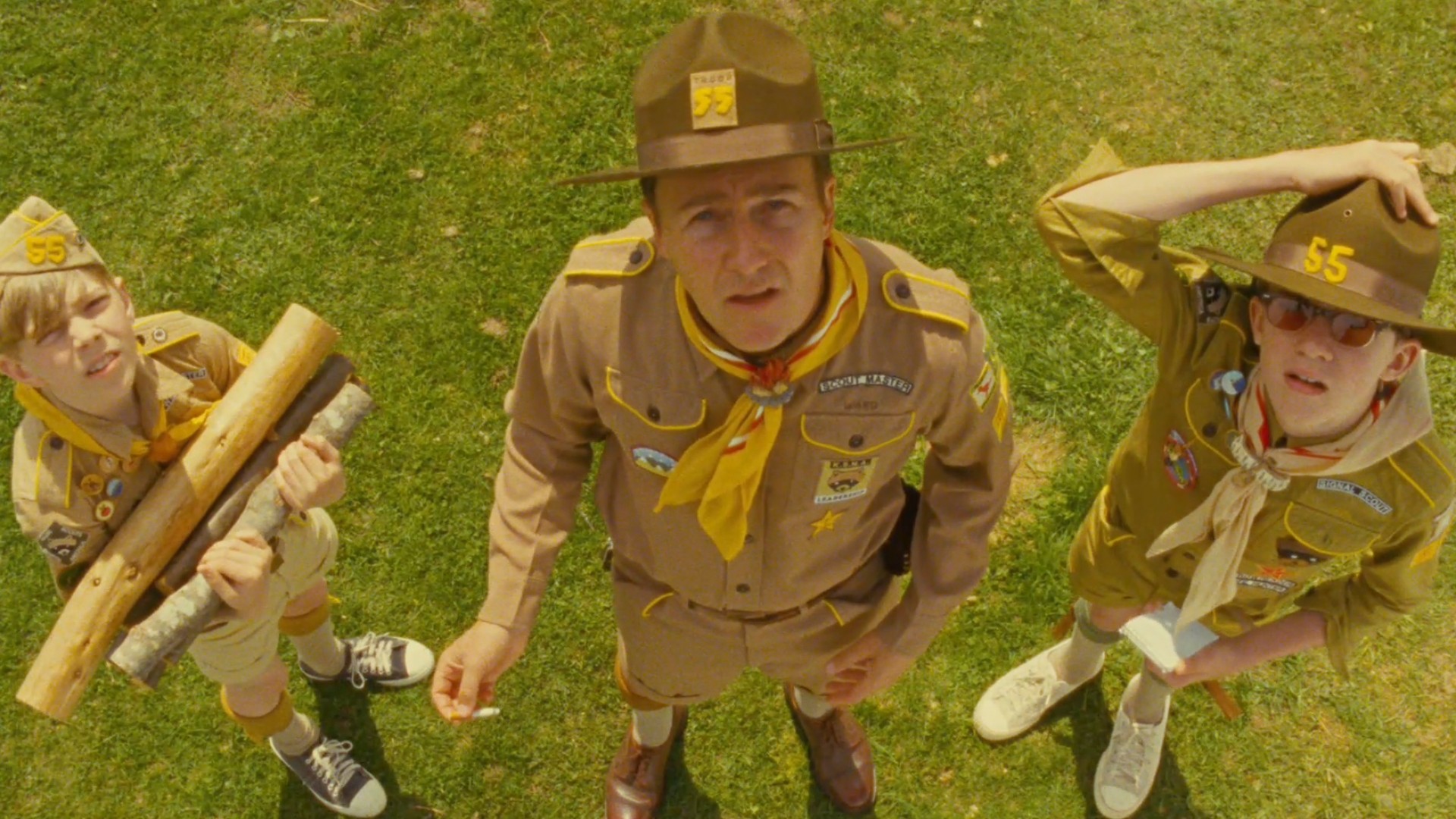
In 1906 and 1907, the military officer Robert Baden-Powell wrote a book for boys about scouting, a few years later a new organisation for girls (the "guides") was created. Today, Scouting and Guiding is practiced in many countries worldwide, such as Indonesia, Uganda, France, the Philippines, Pakistan, Nigeria or Japan (via).


The Boy Scouts of America recognises a wide range of religious affiliations (e.g. Zoroastrianism, Judaism, Islam, Hinduism) (via). Recent controversy rather refers to the non-religious than to the "different"-religious. Scouting has been criticised by the National Secular Society for putting non-believers off joining. The society quotes the obligatory scout promise that includes the line "to do my duty to God".


Nevertheless, the Scout Association seems to become more accessible. It launched a new range of clothing in 2012 following requests from a growing number of Muslim girl members (via). British designer Sarah Elenany created it with the aim "to highlight how the scouts are modernising, increasing diversity and responding to members". In UK Chief Scout Bear's words: "Scouting has something to offer everyone, no matter your religion, ethnicity or belief" (via). And the non-believers? While the core Scout Promise remains in place, this year, Guide leaders said that the promise to "love my God" was discouraging some girls and volunteers from joining and decided to change it. Instead, new Guides now pledge "to be true to myself" (via).


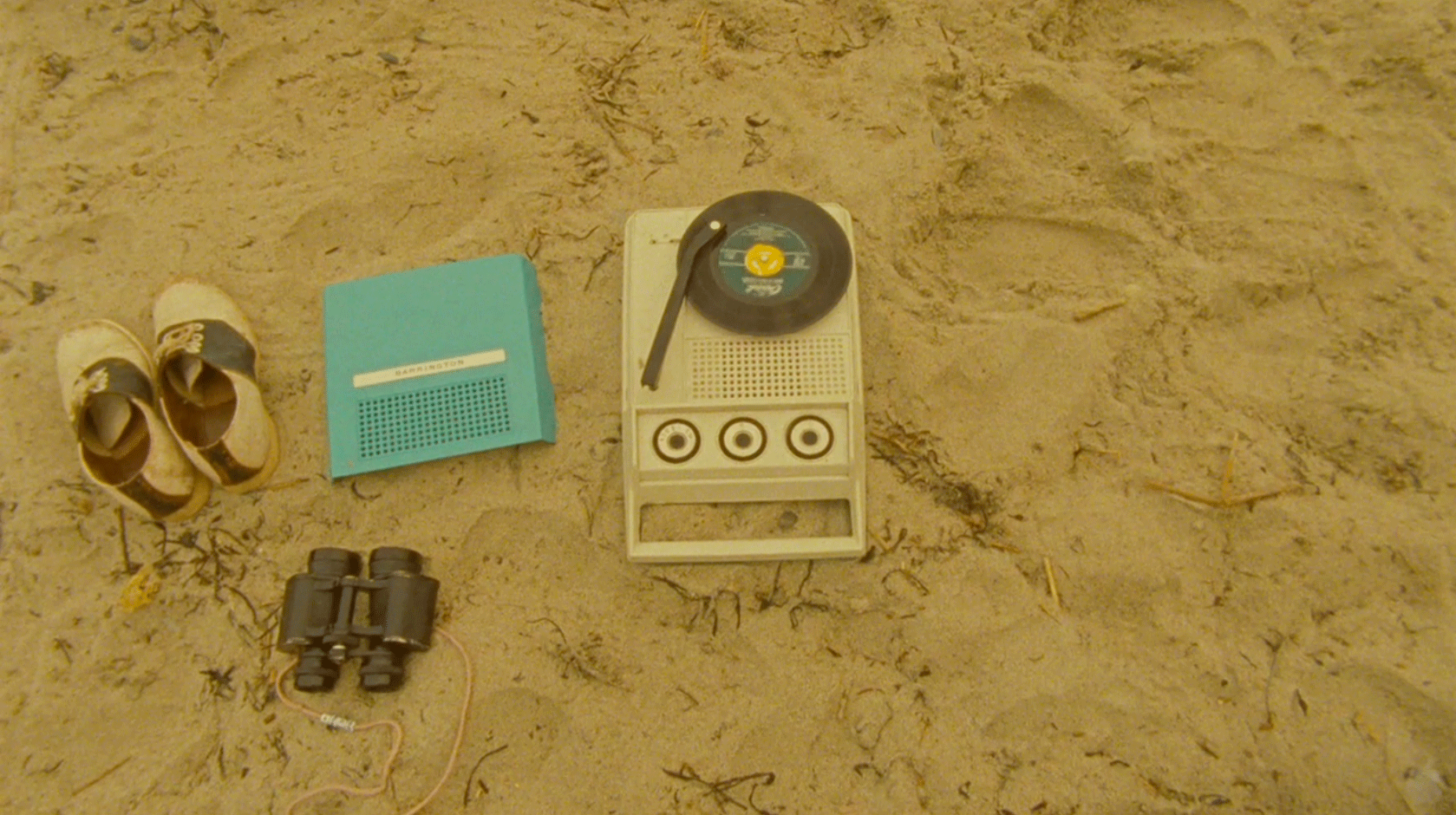
Photos (from Wes Anderson's Moonrise Kingdom, 2012) via and via and via