Showing posts with label medicine. Show all posts

Friday, 11 October 2024

The well-behaved, asexual, uncomplaining subject

"I recall being uneasy as a student when teacher after teacher explained that therapy was pointless or operation unnecessary because the patient was old, had had his time, could not expect miracles, and so on. Some moved the age of expendability far forward: at fifty five or sixty the genital system became expendable (“he or she won’t need it now”); at sixty-five further therapy was to be limited to encouragement. 


The image of later life was that of the well-behaved, asexual, uncomplaining subject, patiently awaiting the next world, to be kept as a pet if cheeringly vigorous, if not, to be jollied and avoided."
Alex Comfort, 1980 (1920-2000)

- - - - - - - - - - - - - - - -
photograph by Tony Ray-Jones via

Friday, 10 November 2023

Stereotypes about Black Bodies in French Medical Literature (1780-1950)

In parallel with the colonisation of African countries, colonial doctors and scientists started describing "African bodies" developing a hierarchy between Black peoples of Sub-Saharan Africa, i.e., from The Cape of Good Hope to Senegambia.  Interestingly, there were conflicts between some doctors and differing attitudes between home country practitioner medicine and colonial medicine on the field.

This research focuses on the descriptions of African people’s body according to French Doctors writings from the end of the 18th century to mid-20th century. Thoughthe black race is seen as monolithic group in the medical writings at the beginning of the period, the African multiplicity slightly came up under the colonial doctors’ pens. Their action and their work started developing in the last third of the 19th century in parallel with the colonization. Beyond the principal human races classification, the French doctors and scientists established a hierarchy between the black peoples of Sub-Saharan Africa, from The Cape of Good Hope to Senegambia. The view onAfrican bodies varied and became more refined all along the studied period, despite the permanency of numerous racial stereotypes. A sexual description of the peoples is added to the racial and ethnic taxonomy. Based on medical dictionaries, research monographs about human races or even on colonial medicine work, our work displays, within the descriptions of the black bodies, the overlapping of the theories about race, gender and kind, and also explains the similarity of the rhetorical methods used to define and describe the Other, should they be female or black. Moreover, this research highlights the way these representations thrived on scientific controversies, political concerns and interactions between home country practitioner medicine and colonial medicine on the field. Though the medical speeches stigmatize racial inferiorities or even the inversion of gender of the African people, this work also underlines the antithetical opinions and the conflicts between some doctors about these consensual.

To the ethnic taxonomy, a sexual description was added since hypersexuality was one of the most common prejudices about Africans, not only in medical literature. These supposedly overdeveloped sexes were associated with uncontrollable sexuality. The association, again, was established to justify female circumcision and polygamy. With sexology emerging, doctors and scientists intended to learn about the sexuality of the othered "in order to define sexuality in their own society by race (sic), gender or class". Understanding the so-called sexual practices of Africans was a means to help colonists to control and preserve their own sexuality. 

In effect, white expatriates who passed several months in the colonies underwent all sorts of temptations owing to the visible bodies of women, the so-called “free” sexuality and the climate — temptations to avoid for the sake of preserving the colonial power’s integrity and authority. Out of these fears arose discourses and warnings about racial mixing and its dangers for the white race.

Myths, random observations and racist theories about a "black sexuality" as the antithesis of a "white sexuality" (moderate, hygienic and connected with moral values) were introduced to maintain boundaries and support colonialism, the latter being marketed as a "civilising mission". Hypersexuality was seen as a main characteristic of Black people. Pseudo-scientific approaches, such as establishing a correlation between skull shape, brain weight and the size of genitals with carnal instincts and pleasures and intellectual weakness - were supposed to explain "Black hypersexuality".

It is still the same way that, with the N*gro, the intellectual organs being less developed, the genitals acquire more preponderance and extension. (Gazette Medicine of Paris, 1841)

In the first half of the twentieth century, women were portrayed as virile since they did hard work, had muscular bodies, short hair and were courageous while men were portrayed as effeminate because of their alleged laziness and intellectual inferiority, and hairless body. Colonial doctors regarded their mission as a civilising one as their work was also about redefining the social roles specific to each gender (Peiretti Courtis, 2018).

Discourse surviving black men for their physical strength and robustness also existed in medical books throughout the period studied and particularly at the turn of the nineteenth and twentieth century’s when the degeneration of the white race worries the medical and political sphere. The black body then becomes an example of virtue and resistance to offer to white men weakened by civilization and urbanization. African femininity is also valued during the nineteenth and first twentieth century when it comes to presenting a model of maternity to white women forsaking their mission. If Africans are erected, according to the political or social context in France, as an example for the French, everything seems nevertheless to bring them back to their body, presented as their main strength and wealth. These discourses have political consequences. Feminization but also the infantilization of black peoples led to a more general devaluation of Africans, which had political repercussions such as to justify the colonization of men considered inferior, intellectually or even physically close to women and children. And subject to their passions. Thus, the famous speech of Ferry in 1885 draws its roots in the breeding ground of the radiological medicine and in the tests brought by the scientists of an inferiority of the black race. Similarly, while the writings of colonial doctors have highlighted African diversity, they have generated, by aiming to rationalize the colonial work, a strengthening of ethnic groups but also differentiations and hierarchies still existing today in Africa.

- - - - - - - - - - -

- Peiretti Courtis, D. (2018). Stereotypes about black bodies in French medical literature: race, gender and sexuality (1780-1950), Journal of Historical Archaeology & Anthropological Sciences, 3(3), link
- photograph by Sory Sanle via

Tuesday, 31 August 2021

Ambien Zombies

"Medicine has long worked on the assumption that women are essentially men with boobs and tubes – and so ‘women’s health’ became a term associated with the reproductive organs." 
Simon Crompton


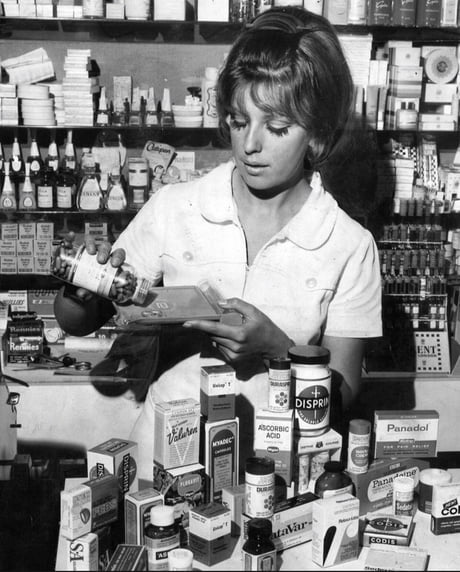
Ambien (Zolpidem), one of the most common sedatives to treat insomnia and jet lags, was approved in 1992. About a decade later, worrying reports emerged about side effects, mostly by women, such as driving accidents the morning after taking the tablets, sleepwalking and bizarre behaviour without any recollection of it afterwards. In 2006, Ambien drew national attention when a disoriented congressman blamed the drug for a crash into a Capitol Hill barrier at 2 a.m.

He ultimately pleaded guilty to driving under the influence of prescription drugs and served a year probation. Around the same time, Sanofi was slammed with a class-action lawsuit by Ambien users who complained of sleep-eating while under the drug's influence. Plaintiffs' lawyer Susan Chana Lask cited examples of clients gobbling buttered cigarettes and raw eggs (including the shells) while in an Ambien-induced haze. "Ambien zombies," she called them. 

Only in 2013 did US drug regulators confirm that the manufacturer's recommended dose was double what women should take. The research prior to the drug's launch, in fact, had not differentiated between men and women (women, in fact, account for 64% of Ambien prescriptions) which was the reason why it had not been realised that women metabolise Ambien more slowly than men and hence still had the drug in their system when they woke up. The blood levels were so high the morning after that activities requiring alertness were impaired - including driving. It seems quite disturbing that sex and gender were not considered in the 1990s, but, even worse, "it's remarkable that this is still the case" (via and via).

- - - - - -

photograph via

Monday, 2 July 2018

Anthropology and the Abnormal, by Ruth Benedict (1934)

"(...) Normality, in short, within a very wide range, is culturally defined. It is primarily a term for the socially elaborated segment of human behavior in any culture; and abnormality, a term for the segment that that particular civilization does not use. The very eyes with which we see the problem are conditioned by the long traditional habits of our own society.


It is a point that has been made more often in relation to ethics than in relation to psychiatry. We do not any longer make the mistake of deriving the morality of our own locality and decade directly from the inevitable constitution of human nature. We recognize that morality differs in every society, and is a convenient term for socially approved habits. Mankind has always preferred to say 'It is morally good' rather than 'It is habitual,' and the fact of this preference is matter enough for a critical science of ethics. But historically the two phrases are synonymous."


"The problem of understanding abnormal human behavior in any absolute sense independent of cultural factors is still far in the future. The categories of borderline behavior which we derive from the study of the neuroses and psychoses of our civilization are categories of prevailing local types of instability. They give much information about the stresses and strains of Western civilization, but no final picture of inevitable human behavior. Any conclusions about such behavior must await the collection by trained observers of psychiatric data from other cultures. Since no adequate work of the kind has been done at the present time, it is impossible to say what core or definition of abnormality may be found valid from the comparative material. It is as it is in ethics: all our local conventions of moral behavior and of immoral are without absolute validity, and yet it is quite possible that a modicum of what is considered right and what wrong could be disentangled that is shared by the whole human race."


- Benedict, R. (1934). Anthropology and the Abnormal via
- photographs by Leon Levinstein via and via and via

Wednesday, 27 June 2018

"In this individual, domination by women has led to psychic tension."

The central figure's interpersonal relationshps, sociometrically diagrammed, reveal the patterns of dominance and closeness he has with the principal people in his life. In this individual, domination by women has led to psychic tension.


He doesn't understand the source of his psychic tension. But you do. He relates well to women with domineering traits. But not to men. Not even his own son.
Whenever psychic tension is a significant component in the clinical profil, consider the use of Valium (diazepam). On proper maintenance dosage, Valium can help reduce the psychoneurotic patient's tension - anxiety, apprehension, agitation, alone or with depressive symptoms - to more comfortable and adaptable levels. The most commonly reported side effects are drowsiness, fatigue and ataxia.
For your passive-dependent, tension-ridden patient dominated by women - and for countless other psychoneurotics - Valium may prove itself a helpful partner to your psychotherapeutic skills.

- - - - -
image via

Friday, 6 October 2017

Mississippi Appendectomy: Racism and Forced Sterilisation

"Mississippi appendectomies, they were called because they would tell women that they needed to get their appendix out, but then sterilize them."
Kluchin


Nazi Germany had "the utopian view of a society cleansed of everything sick, alien, and disturbing". Jews, homosexuals, Marxists, and other groups were so-called health hazards that were eliminated in the most atrocious ways, one of them by sterilising them. When medicine was turned into destruction and the Sterilisation Laws were passed, "German physicians used American physicians as their models" (Byrd & Clayton, 2002). At the Nuremberg trials, they cited Virginia's 1924 Eugenical Sterilization Act as part of their defense (via). The first sterilisation law was passed in Indiana, U.S.A. in 1907 to keep disabled people from having children (via).
"Nazi physicians on more than one occasion argued that German racial policies were relatively "liberal" compared with the treatment of blacks in the United States. Evidence of this was usually taken from the fact that, in several southern states, a person with 1/32nd black ancestry was legally black, whereas if someone were 1/8th Jewish in Germany (and, for many purposes, 1/4th Jewish), that person was legally Aryan (a 1/4 Jew for example, could marry a full-blooded German). Nazi physicians spent a great deal of time discussing American miscegenation legislation; German medical journals reproduced charts showing the states in which blacks could or could not marry whites, could or could not vote, and so forth."
In the U.S., black Americans, Latino Americans, and poor Americans became victims of forced sterilisations. At one mental health hospital in South Carolina, for instance, during the ten years between 1949 and 1960, 102 out of 104 surgical sterilisations were carried out on black Americans although the hospital had admitted twice as many Whites as Blacks. According to civil rights activist Fannie Lou Hamer (1917-1977) - who coined the term Mississippi Appendectomy and who herself was a victim of forced sterilisation - 60% of the black women taken to Sunflower Mississippi City Hospital were sterilised without any medical reason. Often, they did not even know about it (Byrd & Clayton, 2002).
"It was a common belief among Blacks in the South that Black women were routinely sterilized without their informed consent and for no valid medical reason. Teaching hospitals performed unnecessary hysterectomies on poor Black women as practice for their medical residents. This sort of abuse was so widespread in the South that these operations came to be known as “Mississippi appendectomies." Dorothy Roberts


"At some point in the century, more than half of the states in the U.S. had similar programs that allowed for the sterilization of those the government deemed unfit to procreate." 

Only seven of the 33 states have publicly acknowledged or publicly apologised to victims. Most of the programmes started in the early 1930s targeting people in "institutions for mental illness or mental retardation". Slowly, they began targeting "the blind, the deaf, the disabled, alcoholics, those with epilepsy, and ultimately the rural poor on welfare would fall under the umbrella of 'unfit to procreate'", as well as criminals, "promiscuous" women (including victims of rape), and pregnant women out wedlock. 65.000 US-Americans were sterilised before the last programme was shut down in the 1980s (via).

In North Carolina ("home to the third most prolific and arguably the most racist sterilization program in the nation"), over 7.600 women, men, and children were sterilised during the state's sterilisation programme's 45-year reign, most often without consent. North Carolina was the only state where social workers had the right to suggest who was to be sterilised. Their recommendations were rarely turned down by the eugenics board (95% were accepted). In this climate, doctors felt encouraged and entitled to sterilise people whenever they saw fit.

"I was raped twice, once by the perpetrator and once by the state of North Carolina."
Elaine Riddick


A study of sterilisations carried out in California, "the most aggressive sterilizer in the nation" came to the following conclusions:
"Our dataset reveals that those sterilized in state institutions often were young women pronounced promiscuous; the sons and daughters of Mexican, Italian, and Japanese immigrants, frequently with parents too destitute to care for them; and men and women who transgressed sexual norms. Preliminary statistical analysis demonstrates that during the peak decade of operations from 1935 to 1944 Spanish-surnamed patients were 3.5 times more likely to be sterilized than patients in the general institutional population."
Alexandra Minna Stern
"In his exhaustive survey of state hospitals and homes in the late 1920s, and in a follow-up study about a decade later, Popenoe found that the foreign-born were disproportionately affected, constituting 39% of men and 31% of women sterilized. Of these, immigrants from Scandinavia, Britain, Italy, Russia, Poland, and Germany were most represented. These records also reveal that African Americans and Mexicans were operated on at rates that exceeded their population. Although in the 1920 census they made up about 4% of the state population, Mexican men and Mexican women, respectively, comprised 7% and 8% of those sterilized. Without the forced repatriations of hundreds of Mexicans from state facilities, orchestrated by the Deportation Office of the Department of Institutions, it very likely that this figure would have been higher. More striking, at the Norwalk State Hospital, in southern California, where a total of 380 Mexicans constituted 7.8% of admissions from 1921 to 1930, they were sterilized at rates of 11% for females and 13% for males. In addition, whereas African Americans constituted just over 1% of California’s population, they accounted for 4% of total sterilizations." Minna Stern, 2005


Native Americans were another target group of forced sterilisation - not so long ago. Between 1970 and 1976, about 25 to 50% of Native American women were sterilised in Albuquerque alone. Not a single woman was interviewed, neither was informed consent considered to be necessary.
"What may be the most disturbing aspect of the investigations followed: it was physicians and healthcare professionals in the IHS who coerced these women. It was they who abandoned their professional responsibility to protect the vulnerable through appropriate, non-eugenic indications for surgery and informed consent prior to the procedures. On a Navaho reservation alone, from 1972-1978, there was a 130% increase in abortions (a ratio of abortions per 1000 deliveries increasing from 34 to 77). The same study demonstrated that between 1972 and 1978, sterilization procedures went from 15.1% to 30.7% of total female surgeries on that one reservation. Healthcare professionals’ coercive tactics included the threat of withdrawing future healthcare provisions or custody of Native American children already born—if consent for sterilization was withheld." Rutecki, 2010


Rome Statute of the International Criminal Court:

Part 2. Jurisdiction, Admissibility and Applicable Law

Article 6: Genocide
For the purpose of this Statute, "genocide" means any of the following acts committed with intent to destroy, in whole or in part, a national, ethnical, racial or religious group, as such:
(d) Imposing measures intended to prevent births within the group

- - - - - - - - - - - - - - - - - - -
- Byrd, W. M. & Clayton, L. A. (2002) An American Health Dilemma. Race, Medicine, and Health Care in the United States. 1900 - 2000. New York & London: Routledge
- Minna Stern, A. (2005) Sterilized in the Name of Public Health. Race, Immigration, and Reproductive Control in Modern California. American Journal of Public Health, 95(7), 1128-1138
- Rutecki, G. W. (2010) Forced Sterilization of Native Americans: Late Twentieth Century Physician Cooperation with National Eugenic Policies. CBHD
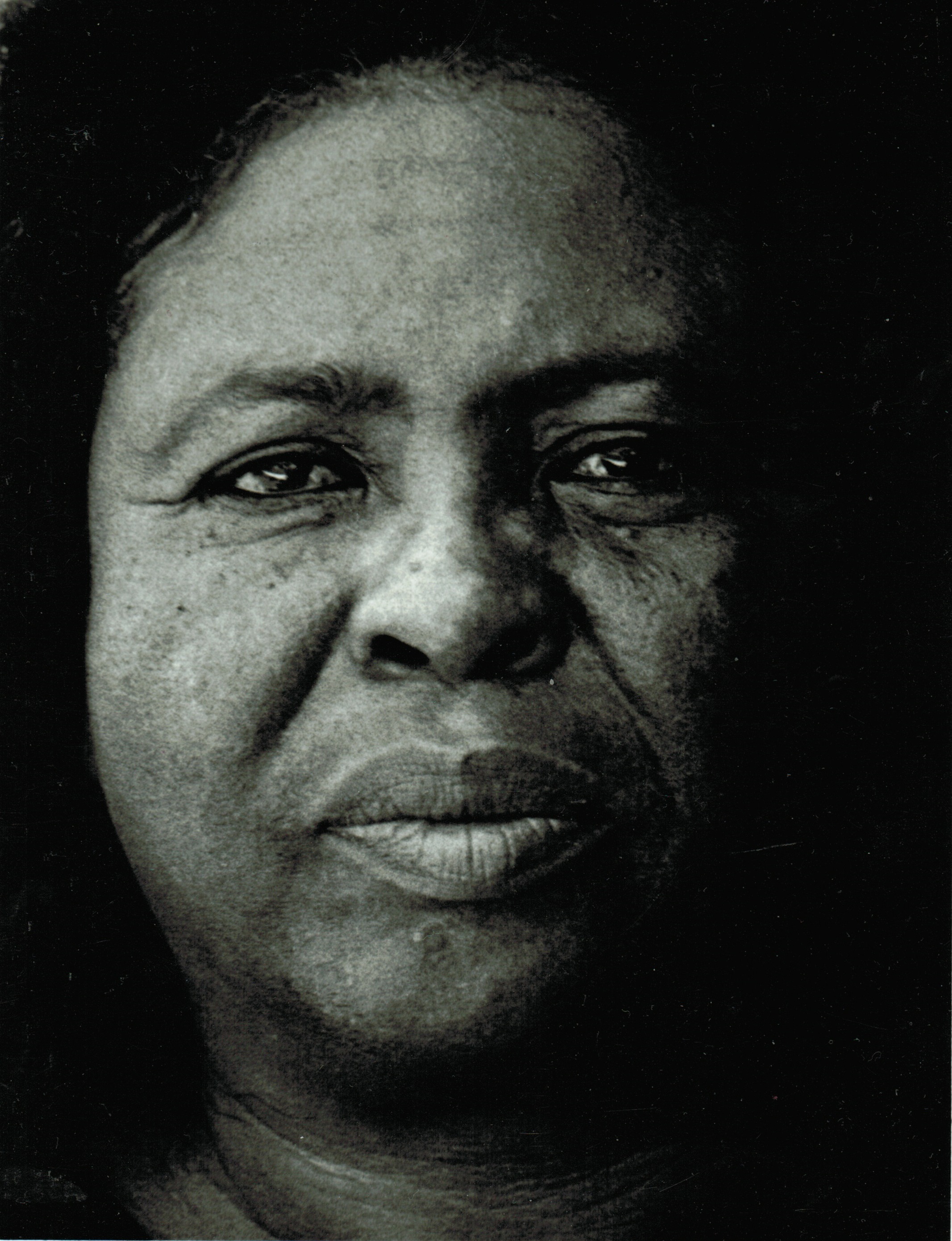
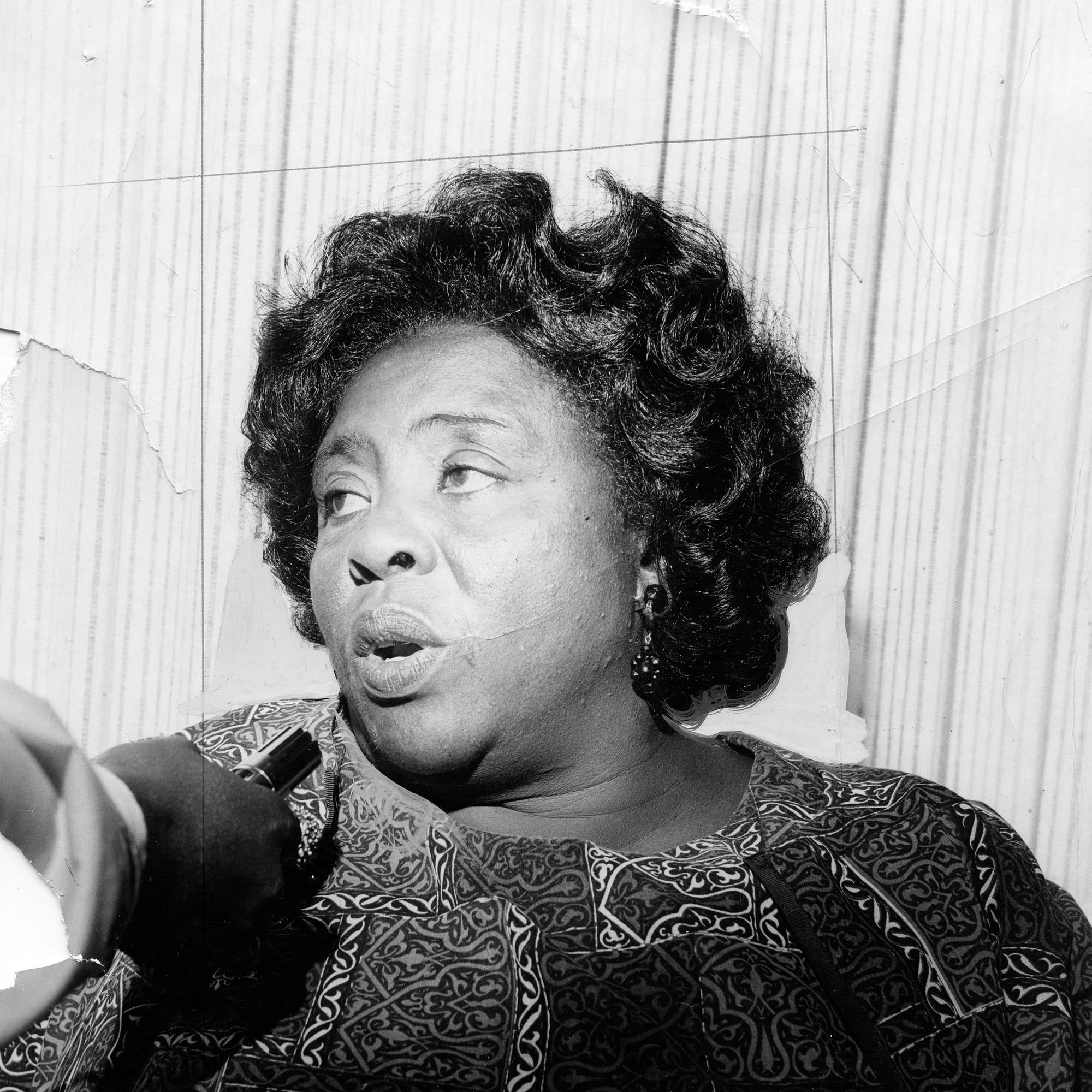
- photographs of Fannie Lou Hamer via and via and via and via and via

Wednesday, 13 July 2016

Breast Cancer & Gender

"Although it happens more rarely in men, breast cancer is not gender-specific. I was in Costa Rica, and in the shower I felt this lump under my left nipple. It was very small, mind you, but enough to make me call my doctor."
Richard Roundtree


There are a many perfectly designed, viral going campaigns to raise awareness for breast cancer. What they all do have in common is ... they exclusively target women. In men, breast cancer is rare, but it is there. In the UK, for instance, each year around 50.000 cases of breast cancer are diagnosed in women compared with 350 in men (via). As it is a rare situation, most studies are very small (via). In addition, getting support can be more difficult for men with breast cancer (via). The American Cancer Society estimates that about 440 men will die from breast cancer in 2016 (via).
"Breast cancer in men is a rare disease. Less than 1% of all breast cancers occur in men. In 2016, about 2,600 men are expected to be diagnosed with the disease. For men, the lifetime risk of being diagnosed with breast cancer is about 1 in 1,000." Breast Cancer
"Because so many cases of breast cancer occur in women and it is very rare in men, a lot of the information is directed towards women. But much of the information that men with breast cancer need is the same."
Cancer Research UK
::: More information: Cancer Research UK & Breast Cancer

- - - - - - - - -
photograph via

Wednesday, 22 June 2016

Negritude: The Cure is to Become White

Benjamin Rush (1745-1813), Father of American Psychiatry, Dean of the Mecial School at the University of Pennsylvania and a signer of the Declaration of Independence, described "Negritude" as a mild form of leprosy "that included symptoms such as Blackening of the skin, big lips, flat nose, wooly hair, and smell." The cure was to become White. Since that was not possible, Blackness became "a patholigical incurable medical condition" (Randall, 2006).


- Randall, V. R. (2006). Dying While Black. An indepth look at a crisis in the American healthcare system. Dayton: Seven Principles Press
- photograph by Bruce Davidson via