Monday, 13 April 2015

A Woman's Place Is On The Money

“A young girl wrote to ask me why aren’t there any women on our currency, and then she gave me like a long list of possible women to put on our dollar bills and quarters and stuff - which I thought was a pretty good idea.”
Barack Obama


Dear mr president,

I am writing to know why there arent many woman on the Dollars for the United States. I think there should be more women on a Dollars/coins for the united States Becuas if there where no woman there wouldnt Be Men also there are Many woman that could be on Dollars/coins for the united State because of the important things done. Please write Back

Sofia

My list of woman can Be on Dollars/coins for the united States
Anne Hutchinson, Rosa Parks, Abigail Dams, emily Dickinson, Hellen keller, Debran Samspon, Betsy Ross, Michelle oBaMa, Hillary clinton, eleantor roosevelt, Harriet tudman, Ida B. Wells


The White House
Washington

February 11, 2015

Dear Sofia:

This is a belated note to thank you for writing to me with such a good idea last summer. The women you listed and drew make up an impressive group, and I must say you're pretty impressive too.

I'll keep working to make sure you grow up in a country where women have the same opportunities as men, and I hope you'll stay involved in issues that matter to you. If you keep focusing in school and trying to help others whenever you can, there are no limits to what you can accomplish.

Thanks again for the great letter. I expect big things from you.

Sincerely,
Barack Obama


“I was studying Ann Hutchinson, who stood up for women’s rights. Almost everyone who chose a boy, on their poster they had pictures of different dollar bills or coins with their person on it. So I noticed, why don’t women have coins or dollar bills with their faces on it?”
Sofia
“Why is that? Why are no girls on currency? Because women are just as important as men, and I think that it’s important for the women to get recognized in this way.”
Sofia
Sofia, 9 years old, fourth-grader from Massachusetts inspired the Women On 20s campaign. Similarly, a campaign started in the UK in 2013 when the Bank of England announced that Sir Winston Churchill would replace Elizabeth Fry on the 5-pounds note from 2016. Later, the Bank added that Jane Austen would replace Charles Darwin from 2017 (via). But back to Sofia: When studying historical figures at school, she noticed that her classmates who had chosen a man often showed coins and bills. She also noticed that women were underrepresented (few exceptions are Sacagawea and Susan B. Anthony). Sofia went home and told her mother she needed to write a letter to President Obama (via). Not only did she get a reply but also an invitation to the annual White House Easter Egg Roll (via).

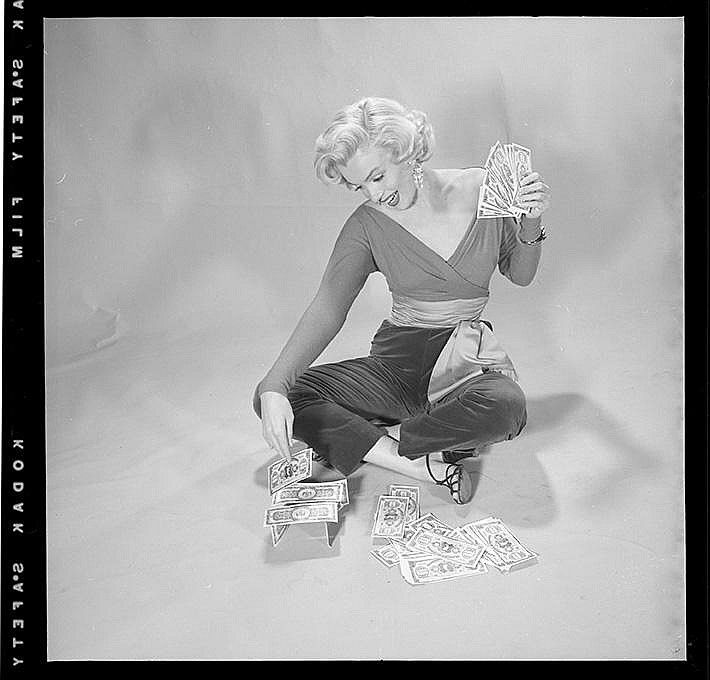
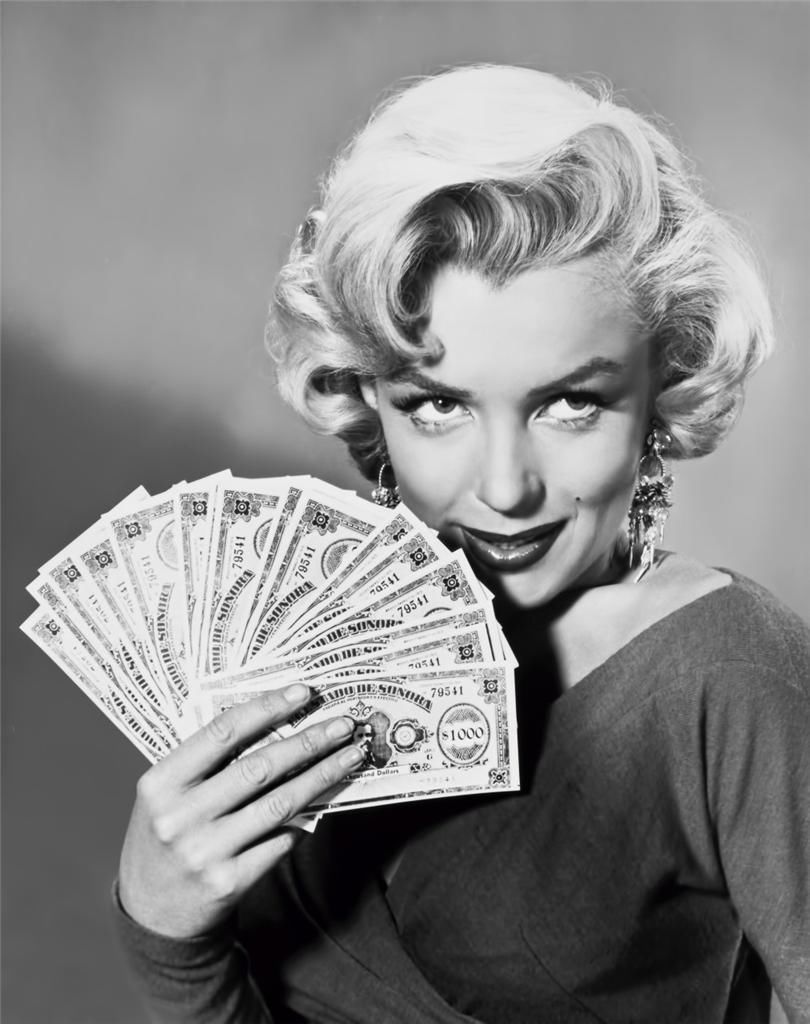
Interesting and curious: From 1946 to 1973, so-called Military Payment Certificates (a form of currency used by the U.S. military personnel in some foreign countries) were printed with more women than man on them. When the war against Vietnam started, the women's portrayals became more modern and resembled celebrities. Rumour has it that one of them looked like Marilyn Monroe. According to a theory, this was no coincidence. Women on the military currency were supposed to motivate the soldiers abroad in a similar way Hollywood stars did with their entertainment programmes when visiting soldiers in combat zones. In 1970, things changed and Military Payment Certificates started having only men on them, such as Benjamin Franklin or George Washington (via).


photographs (1953) of Marilyn Monroe by John "Johnny" Florea (1916-2000) via and via and via and via and via

Thursday, 9 April 2015

The Nonstereotypical Role of Lieutenant Uhura

"It didn't hit me at the time until somebody told me. I splashed onto the TV screen at a propitious historical moment. Black people were marching all over the South. Dr. King was leading people to freedom, and here I was, in the 23rd century, fourth in command of the Enterprise." (via)


"Oh, man, there were parts of the South that wouldn't show 'Star Trek' because this was an African American woman in a powerful position, and she wasn't a maid or tap dancer." (via)
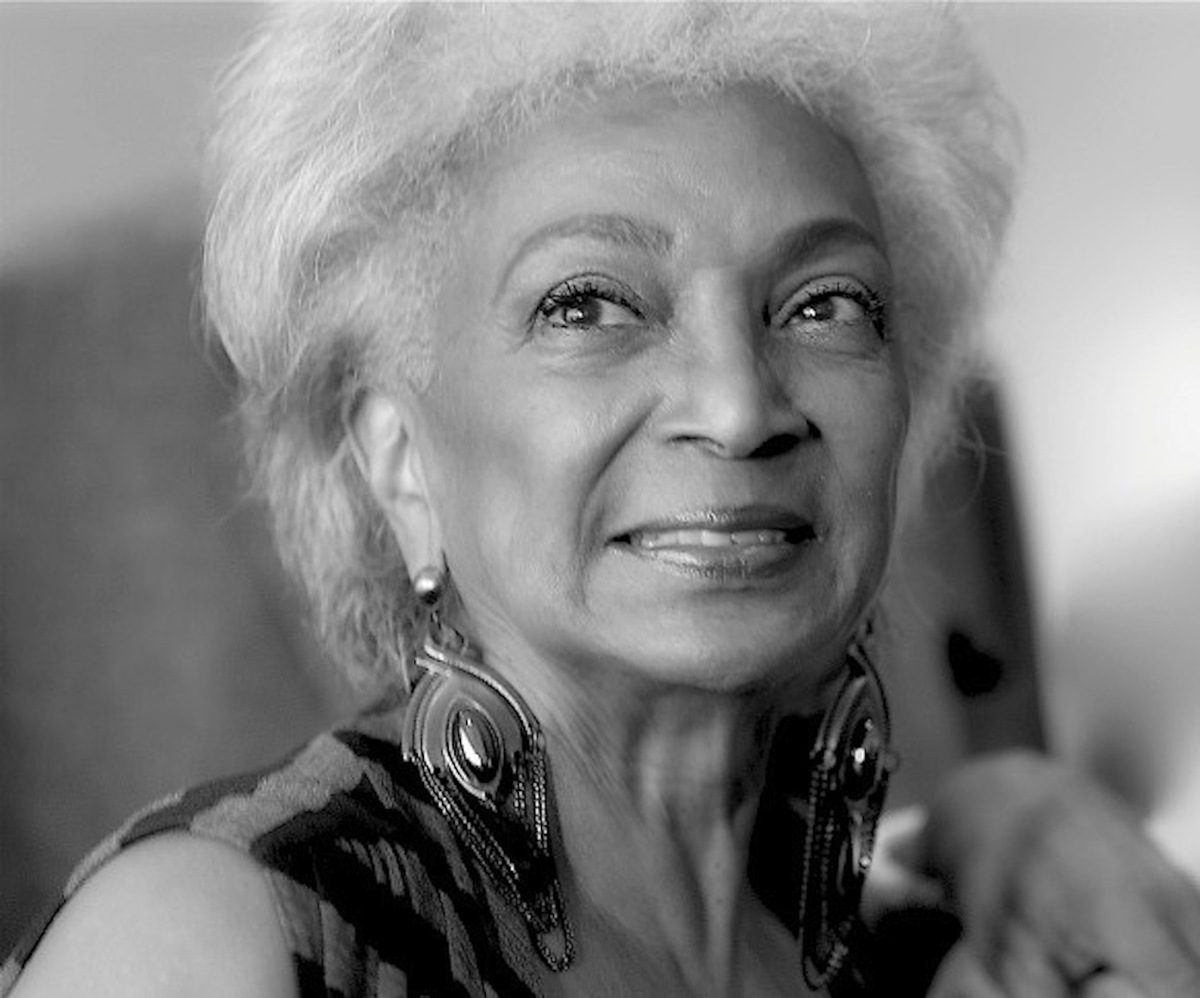
Nichelle Nichols, born Grace Dell Nichols, portrayed Communications Officer Lieutenant Nyota Uhura aboard the USS Enterprise in the Star Trek series, "one of the first non-stereotypical roles assigned to an African-American actress" (via). When Whoopie Goldberg first watched Star Trek in 1966, she yelled out: "Momma! There's a black lady on TV, and she ain't no maid!" (via). As Levine writes on NASA's website, Nichols has warped to many worlds as Lt. Uhura but her real-life adventures have taken her to where no one has gone before. She inspired and encouraged women and black US-Americans to become astronaut candidates, among them Ronald Ervin McNair and Mae Jemison, the first black woman in space (via) who, by the way, called Nichols her childhood idol and made a cameo appearance on Star Trek: The Next Generation in 1993 (Evans, 2014).

Not everybody was amused about seeing a black woman as a lieutenant on Starship Enterprise. The 1960s were dominated by segregation and while her colleagues did not discriminate against her, other parts of the studio and the show photographer did.
"That's right. There were instances where I was turned away from entering the studio at the walk-on gate, and I had to go all the way around to the front gate, sign-in and come back. A guard on the set told me I had no right being there -- that they had replaced a blue-eyed blonde with me." (via)
"I went through crap, man. Racism was alive and rampant there. Some people said I wasn't good enough, saying things like, 'I don't know how you got this role.' And they kept waiting for me to complain and raise hell about it, but I decided to ignore it. I never went to Gene [Roddenberry] about it." (via)
"There are more pictures of me behind somebody where you can barely see me, but they also had to take pictures of me singularly." (via)

"It had been OK'ed, script-wise, and we went into production for that episode. After the first take, the director yelled 'CUT!' and came over, saying, 'Bill, what are you doing? You actually kissed her!' And Bill said, 'Yeah, I can't get her to let me do it any other way except that it was written in the script. So, what's the problem?' And the director said, 'The South -- they'll kill us.'" (via)
In the third season, Star Trek's progressive attitude made television history. The episode "Plato's Stepchildren", which aired in November 1968, became famous for "the kiss". "White" Captain Kirk kissing "black" Lt. Uhura was a clear message. Segregation meant that on TV, blacks and whites had absolutely no physical contact. The same year, NBC had expressed concern because British actress and singer Petula Clark had touched Harry Belafonte's arm in a muscial sequence singing "On the Path of Glory" (via). The sponsor insisted the touch be cut out of the programme, producer/director Steve Binder refused (via). Variety ended its review with the words: "... the touching bit which caused such a stir ... could only disturb the spiritually sick" (via). "Plato's Stepchildren" received a huge and mostly positive response:
"We received one of the largest batches of fan mail ever, all of it very positive, with many addressed to me from girls wondering how it felt to kiss Captain Kirk, and many to him from guys wondering the same thing about me. However, almost no one found the kiss offensive" except from a single mildly negative letter from one white Southerner who wrote: "I am totally opposed to the mixing of the races. However, any time a red-blooded American boy like Captain Kirk gets a beautiful dame in his arms that looks like Uhura, he ain't gonna fight it." (via)
In the episode's original script, Uhura and Spock were supposed to kiss each other. According to Nichelle Nichols the scene changed when Shatner took a look at it:
"My understanding is Bill Shatner took one look at the scene and said, 'No you will not! If anyone's going to be part of the first interracial kiss in television history, it's going to be me!' So they rewrote it." (via)

"Star Trek was one of the only shows that [King] and his wife Coretta would allow their little children to watch. And I thanked him and I told him I was leaving the show. All the smile came off his face. And he said, don't you understand for the first time, we're seen as we should be seen. You don't have a black role. You have an equal role." (via)
In 1967, Nichelle Nichols wanted to leave the series to return to Broadway but changed her mind after Martin Luther King's words to her. "You are our image of where we're going, you're 300 years from now, and that means that's where we are and it takes place now. Keep doing what you're doing, you are our inspiration." (via).
"When I turned around, I was looking into the face of Dr. Martin Luther King, walking toward me with a big smile on his face." "He said, 'Don't you realize how important your presence, your character is? This is not a black role or a female role. You have the first nonstereotypical role on television. You have broken ground.'" "He added, 'Here we are marching, and there you are projecting where we're going. You cannot leave [the show]. Don't you understand what you mean?' I told him that when I would go on hiatus from the show, I could come and march with him and he said, 'No! You're an image for us. We look on that screen and we know where we're going.' It was like he was saying, 'Free at last, free at last!'" (via)


"When you look at the overall list of astronauts and mission specialists [recruited by Nichols], it's extremely diverse, and that improved the success of the whole program." (via)


"It [Star Trek] not only changed the face of television, but it changed the way people thought of each other. It was a bigger contributor to uniting the races on this planet as anything." (via)
- Evens, S. Y. (2014). Black Passports. Travel Memoirs as a Tool for Youth Empowerment. New York Press.
- photographs of Nichelle Nichols via and via and via and via and via

Wednesday, 8 April 2015

International Romani Day

8th of April is International Romani Day, a day to celebrate Europe's largest and highly vulnerable ethnic minority group, a day to raise awareness for the discrimination, exclusion, isolation and challenges they face when it comes to education, housing, employment or healthcare (via). Since the European Union's expansion with members from Eastern Europe in 2004, European institutions such as the Council of Europe insist on Roma and Sinti getting extra assistance and protection (Rodrigues & Matelski, n.d.). According to Amnesty International, however, discrimination and violence against Roma in member states have not yet been adequatelly addressed (via).


Between 10 and 12 million Roma live in Europe, 90% live in poverty, one in five experiences hate crimes, many attacks are not reported (Amnesty International, 2014).


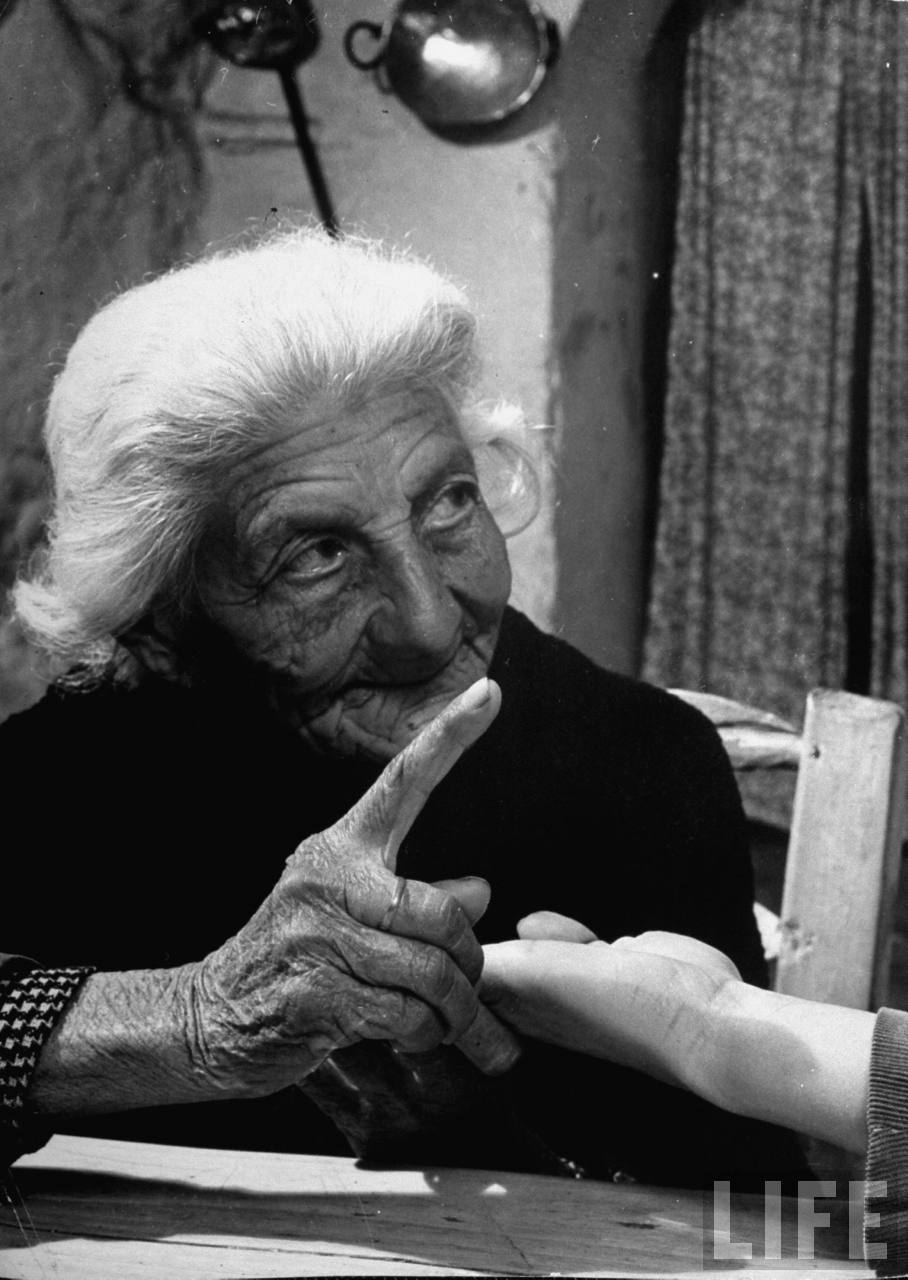
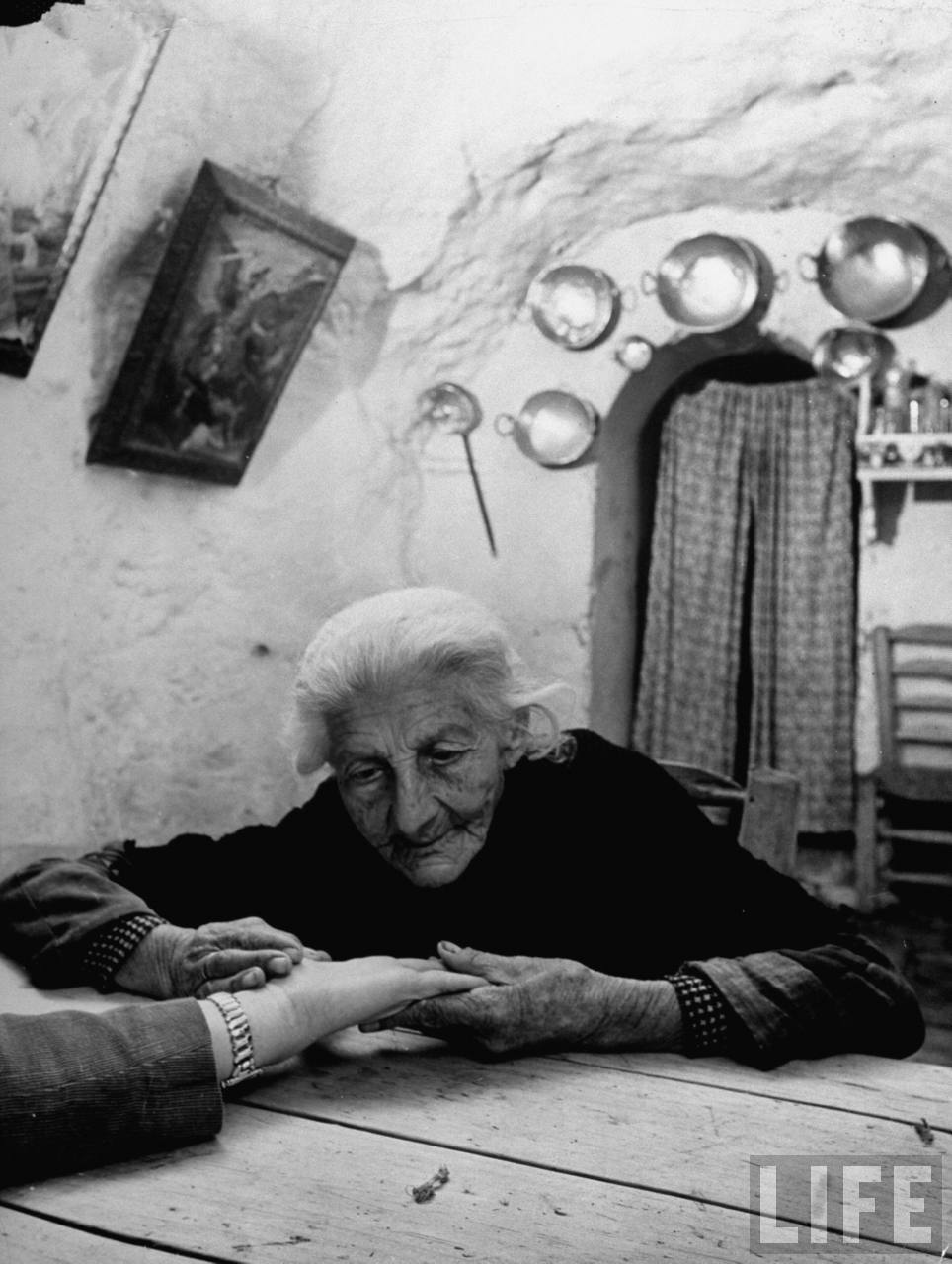
"90-year old Granada gypsy Carmen Maya holding tourists hand and looking at it very closely and telling the fortune she sees there" (literally via LIFE). Please note that the term "gypsy" is part of literal citations (in this posting from the 1940s and 1980s) and used without any pejorative connotation.


Attitudes towards Roma are negative, even more negative than towards other ethnic minorities. In a survey, around a quarter of Europeans say that they would feel uncomfortable having a Roma neighbour, "a striking difference to the level of comfort with a person form a different ethnic origin in general". Participants were presented the "neighbour scenario" and asked to rate how comfortable they would be with various neighbours (10 = highest level of comfort). Two extreme examples: The average score in Poland, where 58% would feel comfortable and 12% uncomfortable, is 7.5. The average score in the Czech Republic, where 9% would feel comfortable and 47% would feel uncomfortable, is 3.7 (Eurobarometer, 2008).
"The EU average level of comfort is much lower than it is for having a neighbour of a different ethnic origin (6.0 compared to 8.1). While 36% of respondents give one of the three most comfortable answers (8, 9 or 10 points), 24% would be uncomfortable (1, 2 or 3 points) with this idea. By way of comparison, just 6% of EU respondents give one of these uncomfortable answers for someone from a different ethnic origin in general."


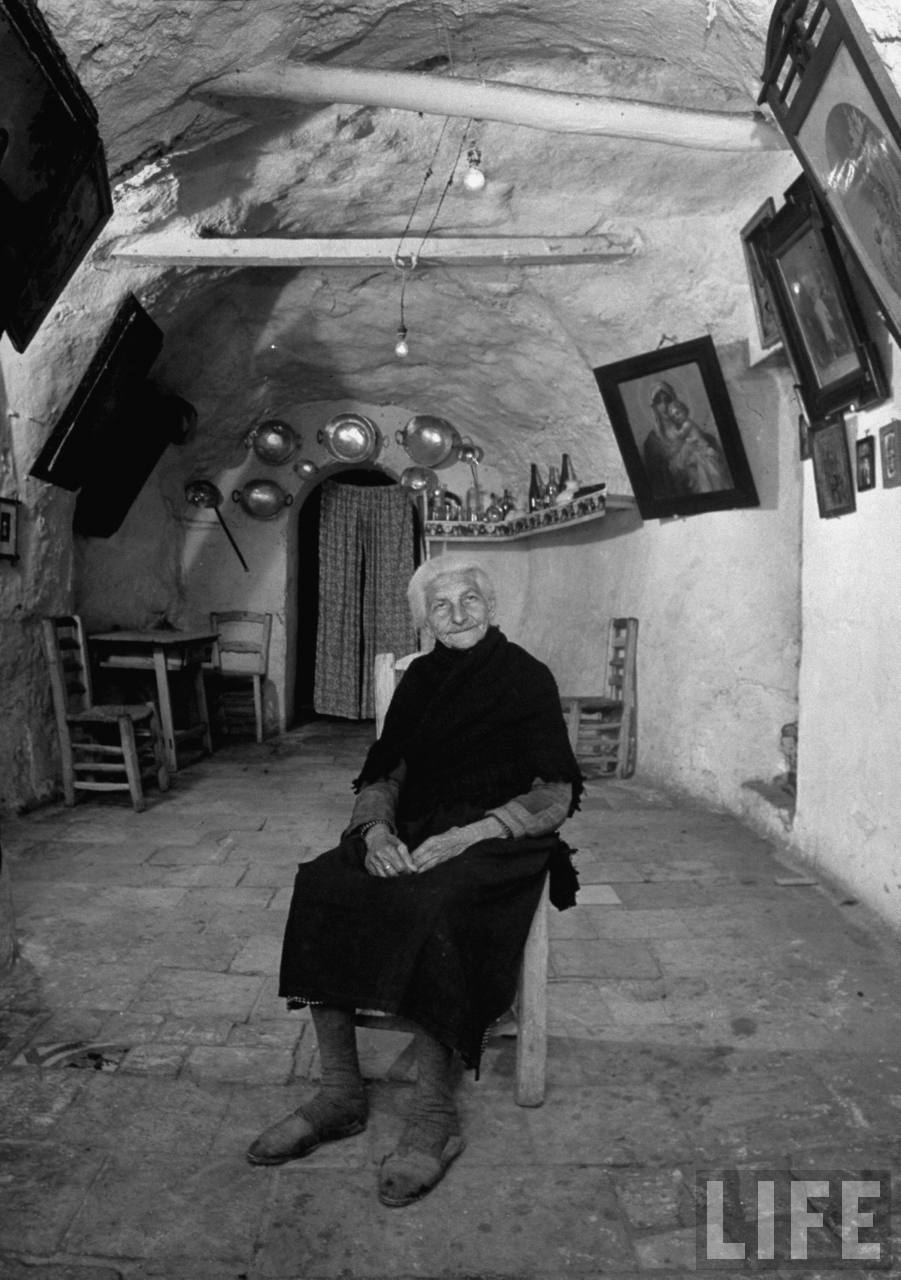
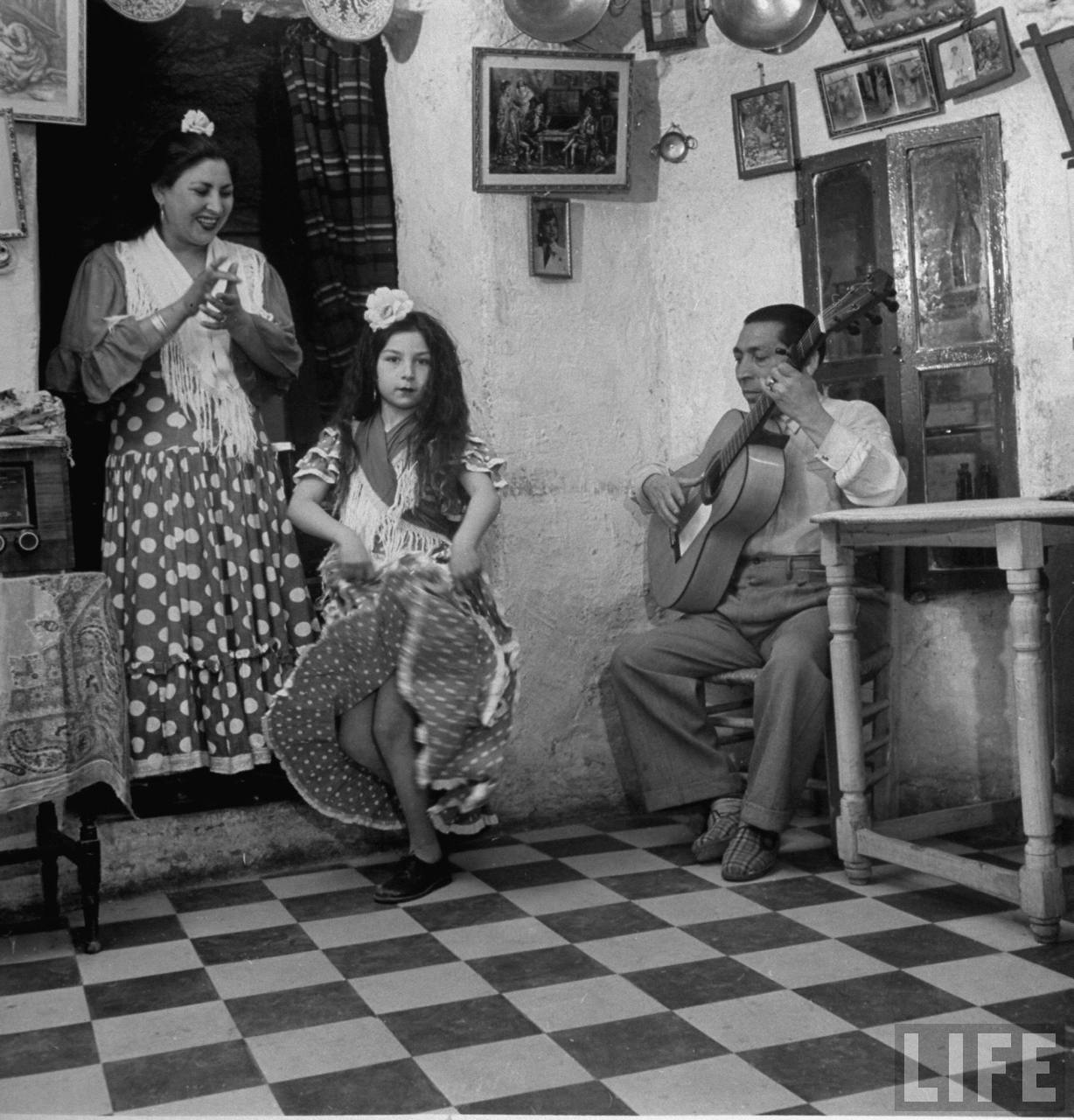
In 1949, Dmitri Kessel took photographs of a Roma (Gitano) community "who built their homes in caves excavated from the soft rock of the Andalucian hillside centuries ago". These very caves are said to be the place where the "passionate art of flamenco was born" (via).
"Marginalization and extermination (...) have left an indelible mark on the collective memory of this proud people, despised and persecuted all over Europe since the fifteenth century, and have inspired Gypsy communities to create forms of music and dance which now form part of Europe's musical heritage. The spirited dances of Russia, the plaintive airs of the Romanian violin, the melodies of the Magyars, all owe some of their splendour to the profound sense of rhythm and the boundless sorrow of Gypsy communities. But nowhere else in Europe did Gypsies contribute to the creation of a music which, in complexity, variety, beauty and communicative power, can be compared with flamenco. The human genius always owes a debt to suffering. Flamenco, for which Spain and above all Andalusia is world famous, is the fruit of the ancient musical tradition of Spain allied to the sorrows of the Gypsies" (Grande, 1984).


- Amnesty International (2014). "We Ask For Justice". Europe's Failure to Protect Roma from Racist Violence, via
- Eurobarometer Special 296 (2008) Discrimination in the European Union: Perceptions, Experiences and Attitudes, via
- Grande, F. (1984). Flamenco. "... a taste of blood in the mouth". In: The Gypsies. The Unesco Courier, 29-31, via
- Rodrigues, P. R. & Matelski, M. (n.d.). Monitor Racism & Extreme Right. Roma en Sinti. Anne Frank Stichting, via
- LIFE photographs by Dmitri Kessel (1949) via and via and via and via and via and via and via

Saturday, 4 April 2015

"I'm so happy that you didn't sneeze."

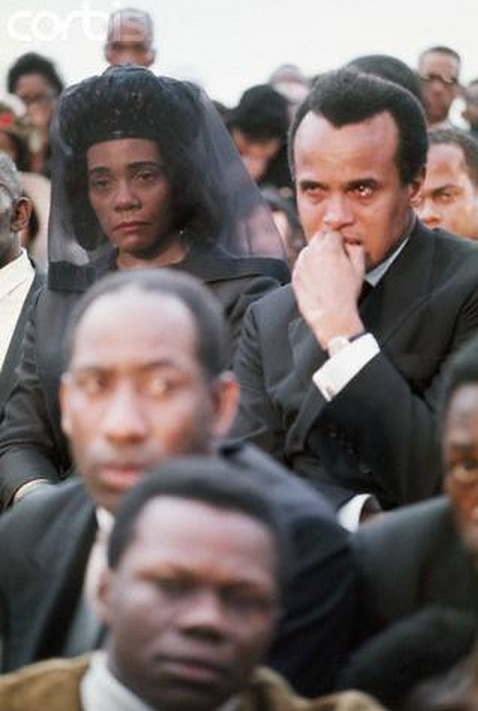
"Dear Dr. King, I am a ninth-grade student at the White Plains High School. While it should not matter, I would like to mention that I'm a white girl. I read in the paper of your misfortune, and of your suffering. And I read that if you had sneezed, you would have died. And I'm simply writing you to say that I'm so happy that you didn't sneeze." (via)


On 20th September 1958, a decade before his assassination, Martin Luther King was stabbed in his chest with a steel letter opener by Izola Curry (who passed away in March 2015). As the tip of the blade had come "right up against his aorta" the next day the New York Times reported that King would have died had he merely sneezed. Among his mail was a letter from a young student at White Plains High School in New York. "And I looked at that letter, and I'll never forget it." (via)
"Days later, when I was well enough to talk with Dr. Aubrey Maynard, the chief of the surgeons who performed the delicate, dangerous operation, I learned the reason for the long delay that preceded surgery. He told me that the razor tip of the instrument had been touching my aorta and that my whole chest had to be opened to extract it. 'If you had sneezed during all those hours of waiting,' Dr. Maynard said, 'your aorta would have been punctured and you would have drowned in your own blood.'" (via)


On 4th April 1968, Martin Luther King was standing on Lorraine Motel's (which is now part of Memphis's National Civil Rights Museum) second-floor balcony when James Earl Ray's bullet entered through his right cheek. King died within an hour after an emergency chest surgery at St. Joseph's Hospital. His autopsy revealed that although he was only 39 years old, he "had the heart of a 60 year old." 13 years in the civil rights movement had taken their toll (via).


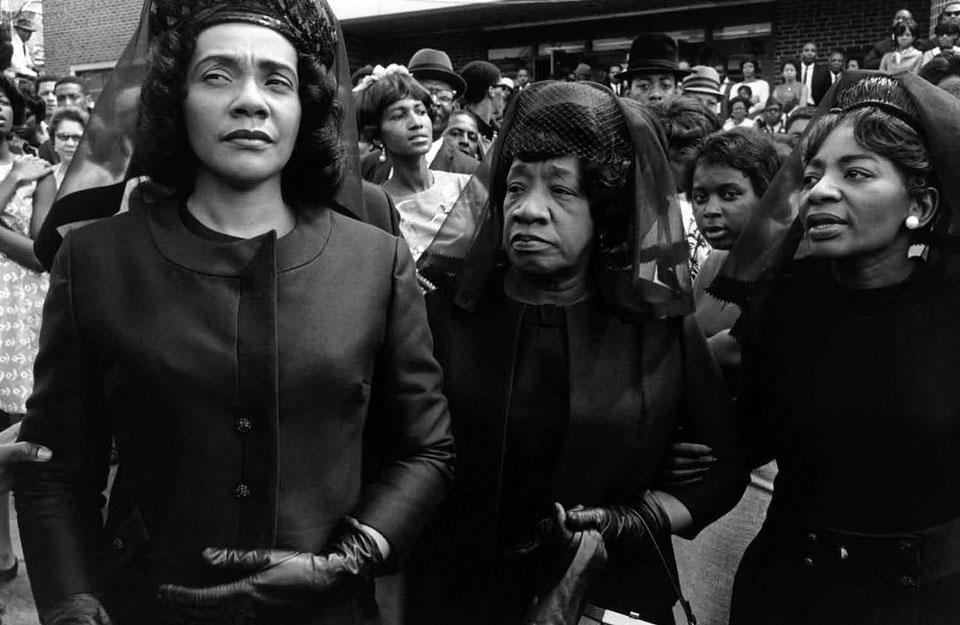
President Johnson declared 7th April a national day of mourning, more than 100.000 mourners followed King's coffin through the streets of Atlanta. During his funeral, a recording of Martin Luther King's last sermon was played:
"I'd like someone to mention that day that Martin Luther King Jr. tried to give his life serving others. . . . I want you to be able to say that day that I did try to feed the hungry. . . . And I want you to say that I tried to love and serve humanity." (via)


photographs via and via and via and via and via and via and via and via and via and via and via and via
copyright by the respective owners

Friday, 3 April 2015

Drinking Men, Drinking Women

Studying gender differences in the consumption of alcohol is highly interesting as they are associated with social and cultural influences. Alcohol consumption is used to "differentiate, symbolize, and regulate gender roles", some societies make drinking behaviour a "demonstration of masculinity". A universal difference is that men tend to drink more than women. The size of gender differences, however, varies and much of the differences are cultural. In some societies, convergence has occurred because women have more opportunities now to perform traditionally male roles and increase their drinking without negative social consequences. Sometimes convergence takes place because men drink less than they used to. Often, there are other reasons.
Theoretically, the four most common hypotheses to explain gender differences are 1) power (demonstration of how manly an individual is by consuming large amounts of alcohol or power over others through aggressive behaviour facilitated by alcohol), 2) fear that alcohol may make women more open to sexual advances, 3) men's higher tendency to show risk-taking behaviour and 4) social responsibilities (women having multiple role responsibilities).
Gender stereotypes need to be considered since heavy drinking associated with masculinity and camaraderie may encourage male drinkers to minimise problems. Stereotypes may also lead to an underestimation of women's drinking problems (Wilsnack et al., n.d.).


- Wilsnack, R. W., Wilsnack, S. C. & Obot, I. S. (n.d.) Why study gender, alcohol and culture? In: World Health Organization (ed.) Alcohol, Gender and Drinking Problems. Perspectives from Low and Middle Income Countries. online
- photo of Cary Grant "drunk" in Hitchcock's North by Northwest via

Wednesday, 1 April 2015

Narrative images: American Gothic

"It's the first professional image I ever made, created on my first day in Washington."  
Gordon Parks

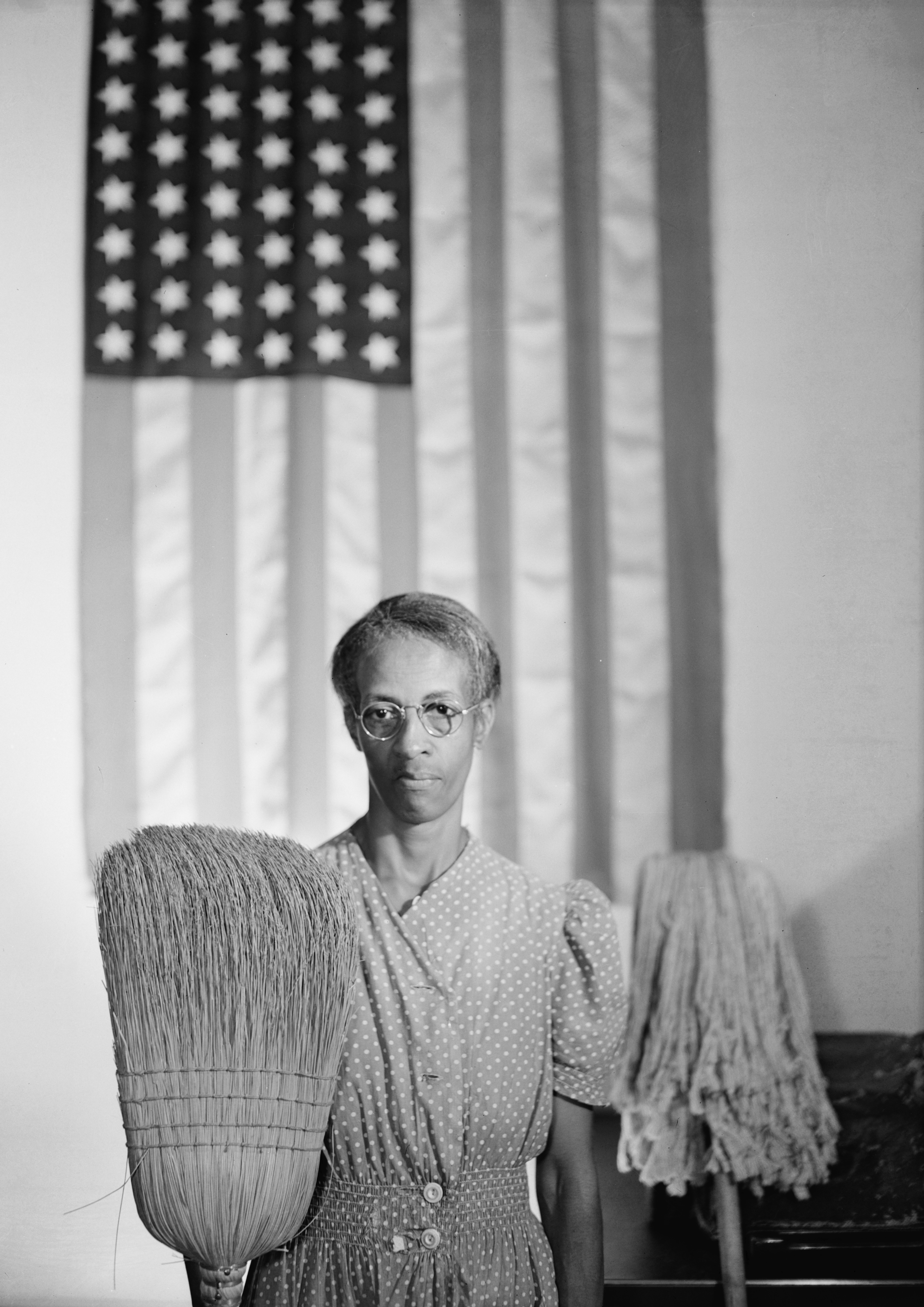
Gordon Park's "American Gothic", his 1942 shot of Ella Watson, a black government charwoman mopping floors in the Farm Security Administration (FSA) building, became his "signature image" and "the symbol of the pre-civil rights era's treatment of minorities" (via). Parks went to Washington, D.C. on a fellowship from the Julius Rosenwald Fund which was dedicated to research about the South. Since he had long admired the FSA photographs, he decided to spend his fellowship year as an apprentice photographer there.He arrived in Washington D.C. in 1942 with the plan to document the African-American community - a rather difficult plan. Roy Stryker, director of his FSA section, told him to leave his camera in the office and visit shops, restaurants, and theatres ... At theses places, Parks was refused service.  He returned to the office and later said: "In this radiant, historic place racism was rampant."  A few weeks later, he told Stryker that he was still looking for a way to capture intolerance with his photographs. Stryker pointed out a charwoman and told Parks: "Go have a talk with her." And.that was exactly what Parks did. He approached Ella Watson, the charwoman who was cleaning the FSA office, talked to her and asked her if he could take her picture (via).


My first photograph of [Watson] was unsubtle. I overdid it and posed her, Grant Wood style, before the American flag, a broom in one hand, a mop in the other, staring straight into the camera. Stryker took one look at it the next day and fell speechless. 
"Well, how do you like it?" I asked eagerly.
He just smiled and shook his head. "Well?" I insisted.
"Keep working with her. Let's see what happens," he finally replied. I followed her for nearly a month--into her home, her church, and wherever she went. "You're learning," Stryker admitted when I laid the photographs out before him late one evening. "You're showing you can involve yourself in other people. This woman has done you a great service. I hope you understand this." I did understand.
(literally via)
Through Ella Watson, the black charwoman who had struggled alone after her parents' death, whose father had been killed by a lynch mob, who had become pregnant during high school, whose husband had been accidentally shot dead two days before their second daughter was born, who had lost two children and who was then working to support herself and the two grandchildren, Gordon Parks "gained an intimate perspective on the reality of life for black beyond the historical gleam of white Washington, D.C.". For four months she gave him access to her home and her community where he took a series of photographs (via and via).
"Culminating this series is the photograph titled American Gothic, in which Watson poses coolly with a mop and broom in front of the U.S. flag. Among the most famous pictures Parks ever took, it points to the complexity of his mature style. Not only does the photograph connect the intimacy of one person’s life with a national state of affairs, it also engages with a larger history of American images by referring to and reinterpreting Grant Wood’scelebrated 1930 painting of the same name." (literally via)


More: The Library of Congress has a collection of Ella Watson's photographs; leaving for work at 4.30 p.m., cleaning a government office at night, view from her window, her adopted daughter, with her three grandchildren, etc.

- photographs of Ella Watson by Gordon Parks via and via
- Jenkins Johnson Gallery via
- Library of Congress via

Monday, 30 March 2015

"My Favourite Colour Was Yellow"

“It was when I had enough pink clothes that I could do a whole pink wash [in the laundry], that it made me think there’s something really powerful happening here and I want to trace where it had come from.” 
Kirsty Mackay

"My family is exactly the same as all these families in the book. We're all navigating our way through this sea of pink."
Kirsty Mackay


"The title places an emphasis on a lack of choice, and that's really what's at the core of the book."
Kirsty Mackay

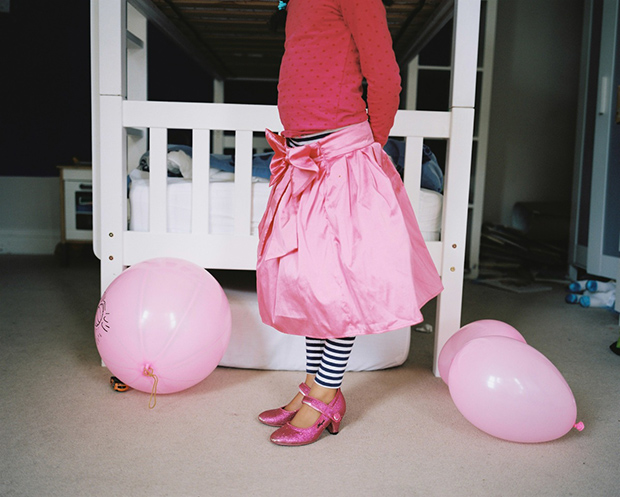
Kirsty Mackay is a British photographer who started the project "My Favourite Colour Was Yellow" after the first pink laundry load. She did not buy pink items for her daughter and nevertheless found "her life inundated by pink" after giving birth to her in 2006. First, she took pictures of her daughter, then of her daughter's friends and of people she met on the street. The title "My Favourite Colour Was Yellow" is a quote from one of the girls she had photographed. The girl told her that once she had been asked by a friend what her favourite colour was and that she lied because of the pressure to conform. So she said pink instead of yellow. In Mackay's photographs, pink is more than a colour, a symbol of what society expects of young females and what finally becomes "a fact of life". (via)


"Over the past 9 months I have been working on a series of photographs exploring the current prevalence of the colour pink. Girl's clothing, toys and accessories are produced predominantly in pink, to the extent that it can be difficult to find an alternative. As a parent of a young daughter I became aware of the vast amounts of pink products being marketed directly to girls. This was not the case when I was growing up. The 1970's were a much more gender neutral time. In comparison to the 2010's they now seem more progressive. This back step has urged me to to document the current situation."

Kirsty Mackay


Some excerpts from an interview:

What is your latest project My Favourite Colour Was Yellow about, and what inspired you to make such project?

My latest project (...) is about how the colour pink has become so dominant in young girls’ lives. The title refers to the lack of choice out there.
I started the work after my daughter was born. I was aware of all the pink stuff, didn’t particularly like it and so didn’t buy into it. It was when, despite this we were still inundated with pink things, that I realised how powerful this had become. I needed to trace where it had come from. My own experience of growing up in the 70’s was vastly different. There was no pink. I was dressed in dungarees and boiler suits, played with Mecanno and Lego. I was definitely allowed to make my own choices. (via)


Why do you think it is a bad thing that pink is so strongly associated with femininity?

I think many people will overlook this issue and see it as harmless. But what worries me is that girls are being dictated to, they are not free to make their own decisions. It has now become difficult to find alternatives to pink in the UK, as the market is so saturated with it. I am constantly reading how not enough girls are choosing science, there are not enough woman Members of Parliament and female CEOs – well it starts here, when girls are young. Pink places an emphasis on how girls look – this is out of date and not what many parents want. Ultimately the people that benefit from this are the retailers and manufacturers, who make profits, but don’t question the ethics. (via)


Was any of the girls you met particularly obsessed with the color pink?

All of the girls I photographed were just ordinary girls. I wouldn’t say any were obsessed with pink. Some of the girls loved pink, most of the girls would say it was their favourite colour and a few of them didn’t like it, mostly the older ones. Despite this there was still always enough pink things for me to make a picture. (via)


Please share with us a little bit about your creative process for My Favourite Colour Was Yellow.

One of the biggest challenges for me was to find a way of photographing such a sweet subject matter that was still going to be interesting. (...)
The other aspect I found difficult was how could I go into other people’s houses and photograph their children, when I might be disagreeing with their decisions. I think also being a parent and being faced with the same problems, helped here. When I realised that we were all in the same situation that made it easier for me. I had to be very sensitive to the girls’ own opinions. They were often very proud to show me their bedrooms and have their portrait taken. I had to respect that and tried to give them that space for them to come across in the picture.
I’d say the portraits of the girls are all about them, my opinions stayed out of those shots. Towards the end of the project I really felt like I wouldn’t be doing the book justice if it was just a document of this time, it needed my opinion in there too. And the book as a whole expresses my feelings about all of this. I added some more shots that I made with my daughter and my friends daughter, which reflected more of what I was trying to express. (via)


(Below:) "Some pictures you struggle with and eventually get the shot and then others are like a gift. This was one of those occasions when I was handed a gift. I had met these girls and their mum at my daughter’s school. They are twins, and I asked if I could come and photograph them. When I went to their house I saw the pink tv, pink piano, pink walls, bed, scooters everything. None of this had even been mentioned and this happened over and over in the project, when I was greeted by pink X-mas trees, play houses, carpets and walls – everything." (via)


photographs by Kirsty Mackay via and via and via and via and via and via and via and via and via and via and via and via

Thursday, 26 March 2015

Eksperimentas Vertimas

The "translation experiment" is a so-called video experiment to promote the new Lithuanian website www.svetimageda.lt, an online "handbook" with advices how to react to e.g. racist and homophobic hate speech in social and mass media. The short clip shows reactions of people who have been asked to translate racist facebook postings addressed to the person sitting in front of them.


"We predict that due to potential chronic traits and/or their adaptation to a Facebook culture of shallow processing and agreement, frequent Facebook users are highly susceptible to persuasive messages compared to less frequent users."

According to a study carried out by Rauch and Schanz in 2013, there is a positive correlation between the frequency of Facebook usage and agreement with racist messages online. The authors presented participants (n=623, all "white") three messages (one egalitarian, two racist). In general, participants were more likely to agree with the egalitarian message. In particular, there was a difference between high and low frequency users, i.e., high frequency users showed a higher tendency to agree with the two racist messages (a "superiority message" about whites being superior and a "victim message" about whites being the most oppressed ethnicity in the US). However, frequency is only one aspect that seems to be associated with this tendency; information seeking behaviour is another one. Those strongly motivated to seek information had a more positive attitude to the egalitarian message and a more negative attitude to the racist messages compared to low information seekers. The authors conclude that high frequency users and low information seekers show similar responses to both racist and anti-racist messages, "almost as if they were agreeing blindly" with messages. This is all correlational, causality is not clear. Social network sites such as Facebook are there to connect and the very combination of shallow processing and need to connect possibly "provides a warm, moist breeding ground for the spread of opinions, publicly and not-so-publicly. Racist ones among them." (via and via).

Monday, 23 March 2015

"A Woman's Worth"

"A Woman's Worth" is a campaign developed by Miami Ad School Europe and the non-profit women's right organisation Terre de Femmes.
"It started with that we got an assignment in one of our classes to do a print campaign for a charity organization last year. We instantly decided we wanted to do something for female rights. As women we've been harassed several times, in different ways, based on the way we look. From men, but also from women. We're too harsh on each other and call each other names. And I don't know how many times I've read about rape victims that were wearing a mini skirt. Who cares what she was wearing? She should be able to go naked and it shouldn't matter." Theresa Wlokka (via)


Advertising School: Miami Ad School Europe, Hamburg, Germany
Tutors: Salvatore Russomanno, Niklas Frings-Rupp
Art Director: Theresa Wlokka
Copywriter: Frida Regeheim
Photographer: Theresa Wlokka
Published: June 2014


"[I wanted to] take the idea of impersonal, supposedly objective, measurement of things and put it on something that we do measure, but we don't talk about. (...) We measure women the same way we measure water in cylinders, but no one says it because it's mean." Rosea Lake (via)
In 2013, then 18-year-old student Rosea Lake posted her "Judgments" photograph (see) on Tumblr which was re-blogged 100.000 times witihn 24 hours. The photograph shows the back of her friend's legs with horizontal lines for different skirt lengths, each labelled with associated prejudices (via). In 2010, labelled lines were printed on a pair of tights (see). No matter how similar the projects may seem (via) and who was the first to have the idea, they make one reflect:
"Working on this project really made me examine my own opinions, preconceptions and prejudices about "slutty" women and women who choose to cover all of their skin alike. I used to assume that all women who wore Hijabs were being oppressed ... and looked down on and judge any woman who didn't express her sexuality in a way that I found appropriate. I'd like to think I'm more open now." Rosea Lake (via)


images via

Saturday, 21 March 2015

Quoting Damon Albarn

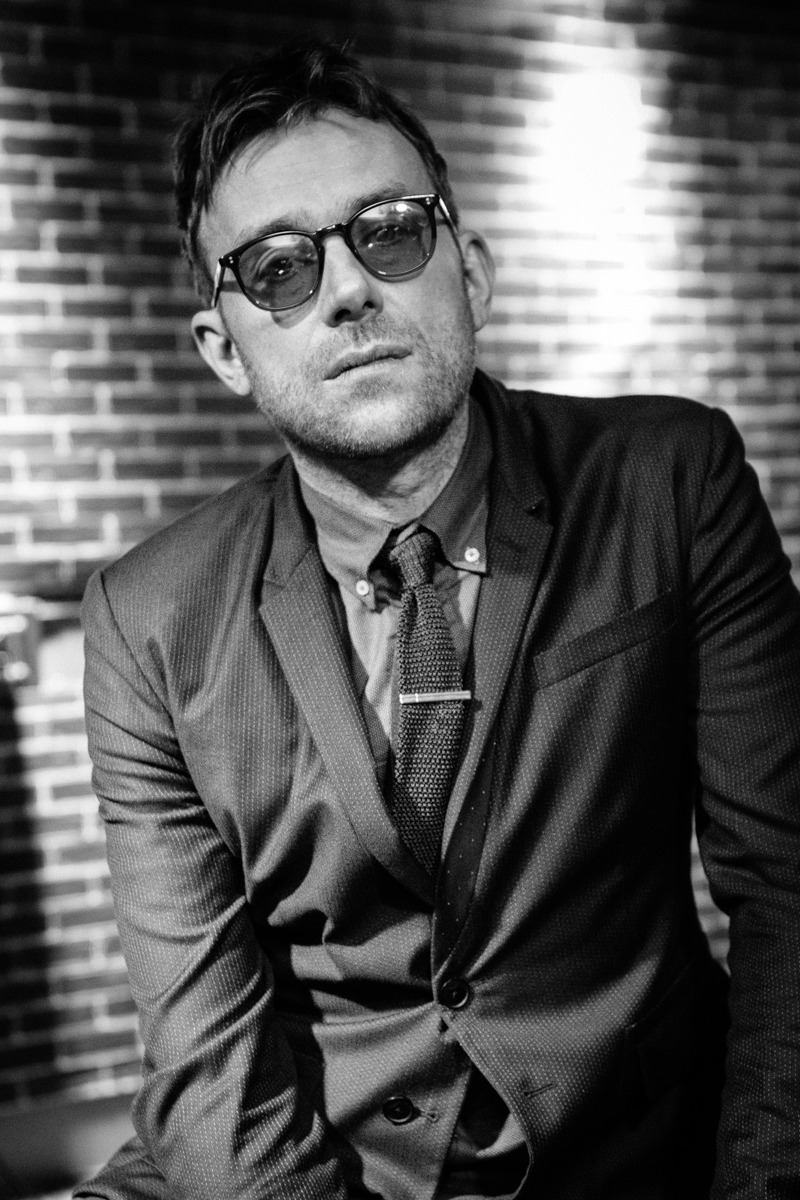
"There is this tendency to frame Africa as this place that is constantly in need of our assistance. (...) It seems that we only have one view of it."

Damon Albarn on the "problems with our idea of charity" (via) and on not performing in Band Aid about ten years ago because of the danger of patronising Africa (via).


Blur uploaded "There Are Too Many of Us" on YouTube yesterday ... according to Rolling Stone a "Majestic New Doom-and-Gloom Song" (via)WATCH/LISTEN

::: More/Little Blur Weekend Link Pack:

- The Universal (1995): WATCH/LISTEN
- Coffee and TV (1999): WATCH/LISTEN

image via