Showing posts with label Joel Meyerowitz. Show all posts

Wednesday, 17 April 2024

The -ism Series (38): Face-ism

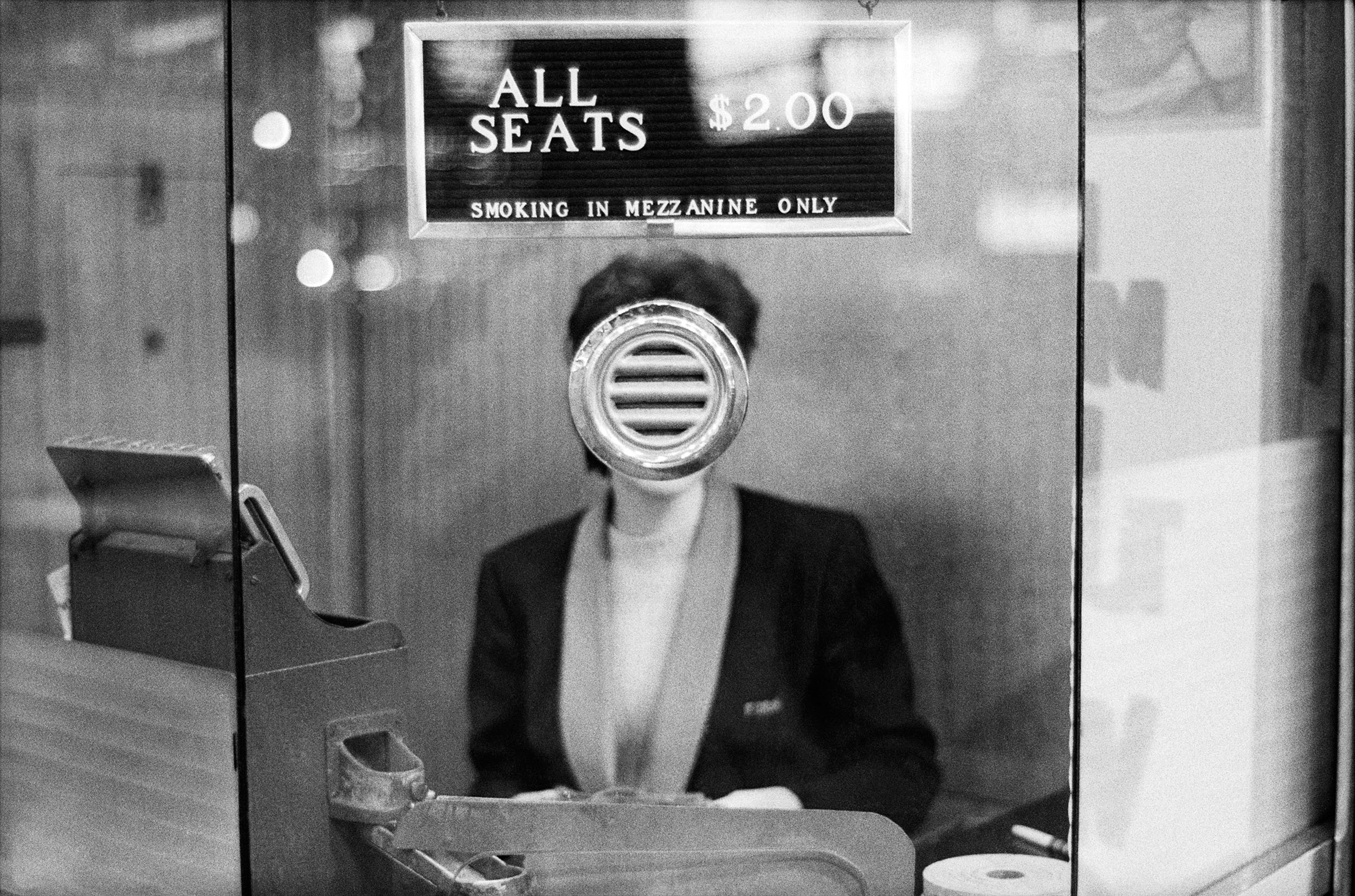
The term "face-ism" was first introduced in an article published by Archer et al. in 1983. It refers to the relative facial prominence (ratio of the face to the total visible body) in depictions of men versus women. In their five studies, the authors assessed the prevalence of face-ism in five US-American magazines and newspapers (n = 1.750), in publications from 11 cultures (n = 3.500), and in artwork over 600 years (920 portraits and self-portraits). They found evidence that men are depicted with greater facial dominance than women. 
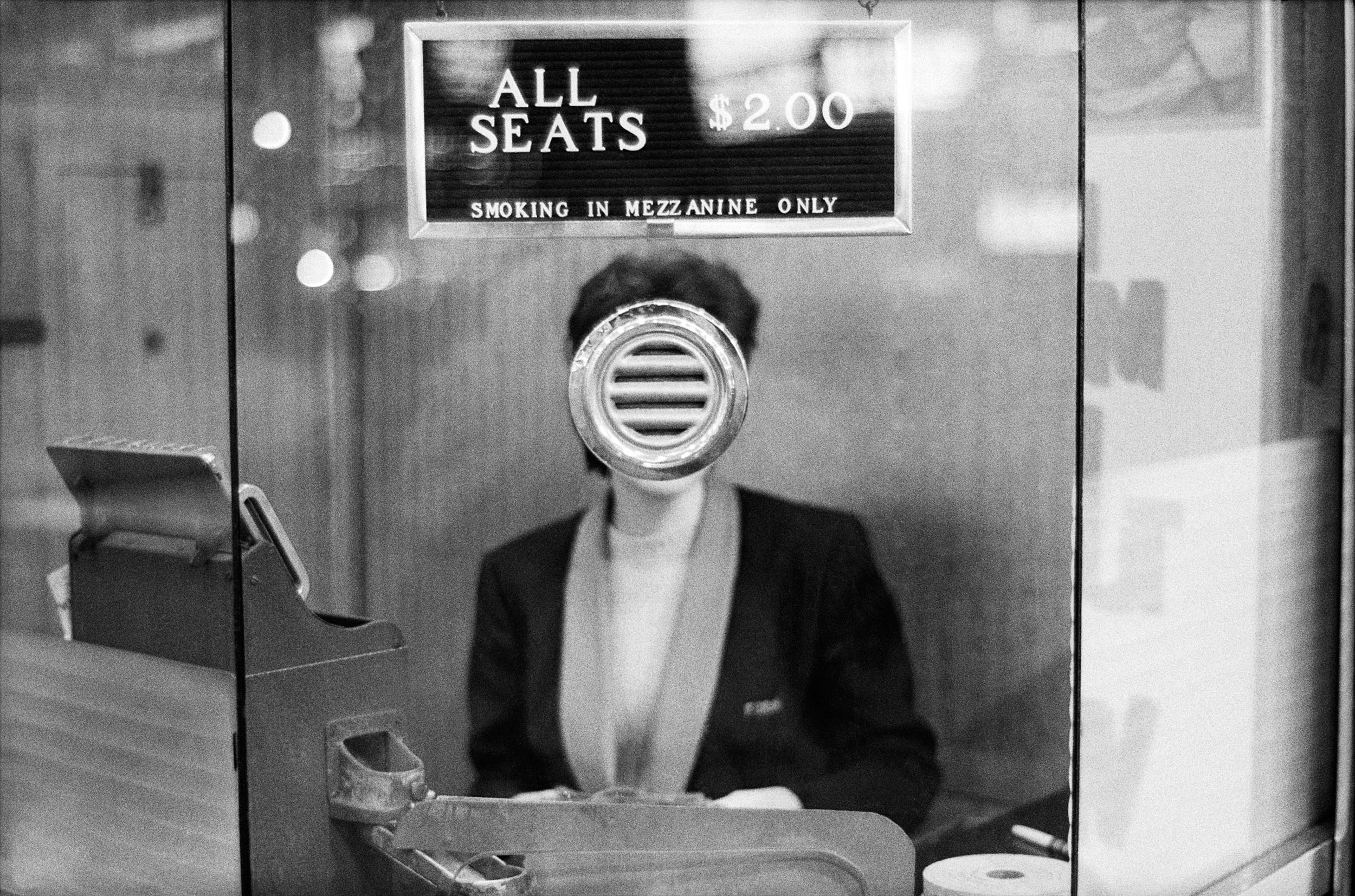
The authors observed this difference also in amateur drawings of men and women (by 40 male and 40 female undergraduate students). Most interestingly, in their fifth study, they found ratings of intelligence and personality characteristics depending on the facial prominence (n = 60) (Archer et al., 1983).

The phenomenon of face-ism and the varying judgement of persons based on facial prominence was found in a great many studies following Archer et al.'s, such as the attribution of less mental activity and morality, less intelligence and likeability to people with less facial prominence.

Cus Babic, Robert and Musil's (2018) findings are also consistent with previous research showing that face-ism is also prevalent on the internet. In their analysis of selfies (n = 2.754) from Bankgok, Berlin, London, Moscow, New York and Sao Paolo posted on Instagram, the authors came to the conclusion that photographs of men focus on the face while those of women focus more on their bodies.

Face-ism is also seen as a manifestation of sexism since "Western societies traditionally value men’s intellect, more prominence is given to men’s faces, whereas the relative prominence of women’s bodies communicates the value placed on their physical appearance instead of their intellect". Less face and more body enhances the perception of object-like persons (Cheek, 2016).

- - - - - - - - - - - - -

- Archer, D., Iritani, B., Kimes, D. D., & Barrios, M. (1983). Face-ism: Five studies of sex differences in facial prominence. Journal of Personality and Social Psychology, 45(4), 725–735.
- Cheek, N. N. (2016). Face-ism and Objectification in Mainstream and LGBT Magazines. PLoS One, 11(4), link
- Cus Babic, N, Robert, T. & Musil, B. (2018). Revealing faces: Gender and cultural differences in facial prominence of selfies, PLoS One, 13(10).
- photograph by Joel Meyerowitz via

Wednesday, 6 December 2023

Cutting All of Society's Traditional Classifications

"Ageism is distinct from all other forms of discrimination because it cuts all of society's traditional classifications: gender, race, religion and national origin."
Nuessel, 1982 (quoted in Kramer, 2003)

- Kramer, U. (2003). AGEISMUS - Zur sprachlichen Diskriminierung des Alters.
- photograph by Joel Meyerowitz via

Tuesday, 13 December 2022

Child Marriage in the United States

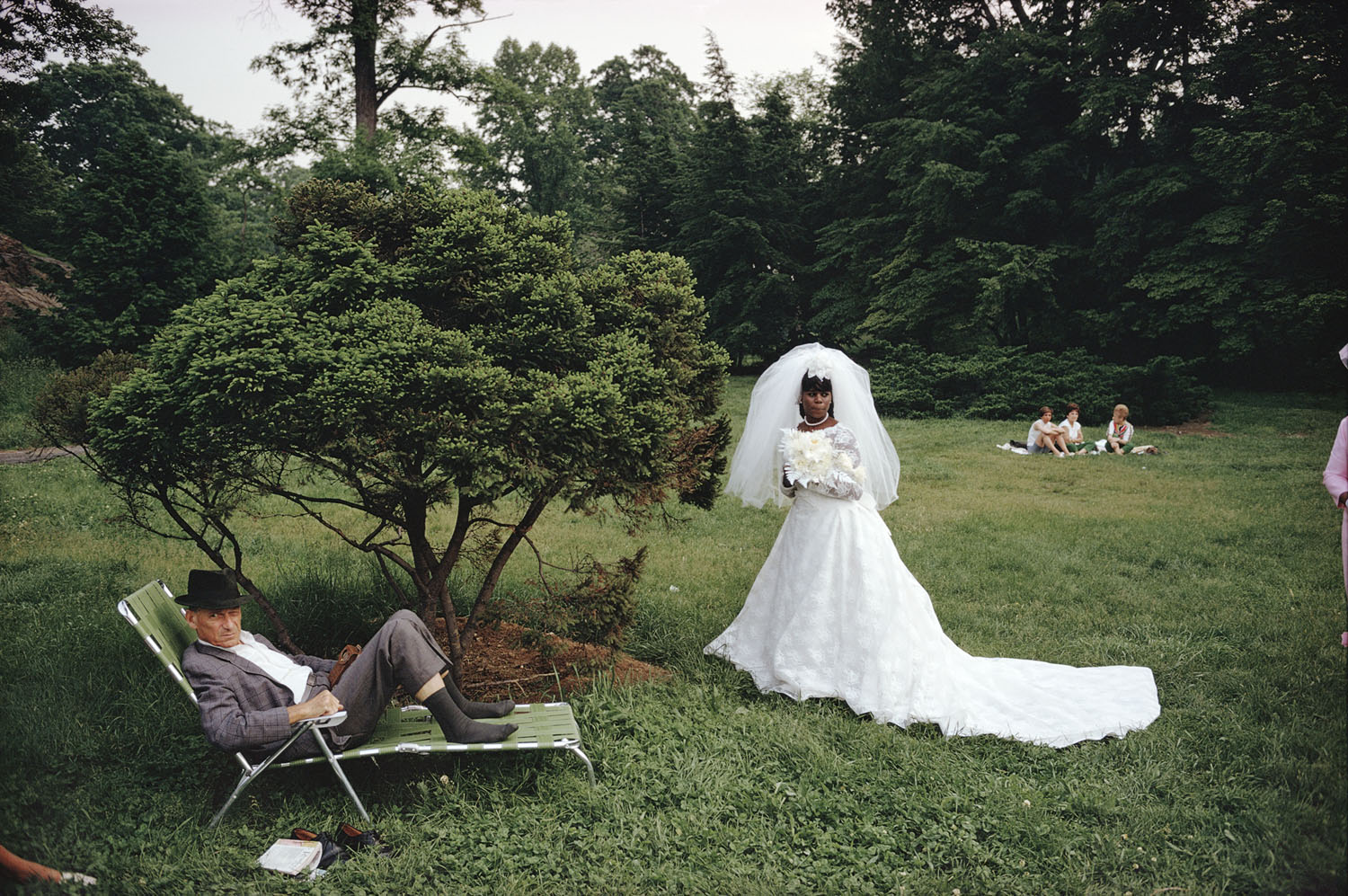
Child marriage does not just happen in othered countries "far away". From 2000 to 2018, nearly 300.000 children, i.e., age 17 and under, were married in the United States alone. Most of them were girls aged 16 or 17. More than 1.000 of them were 14 or younger and five were only 10 years old. 

In most U.S. states, the minimum marriage age with parental consent ranges from 12 to 17 years old. Massachusetts has the minimum ages of 12 for girls and 14 for boys (with parental consent) and states like California and Mississippi do not have any minimum ages at all, if there is parental consent. From 2000 to 2015, there were 200.000 child marriages, of which 67% of the children were 17, 29% were 16, 4% were 15, less than 1% were 14 or under, 51 cases of 13-year-olds and 6 cases of 12-year-olds marrying (via).

- - - - - - - - - - - - -

photograph by Joel Meyerowitz via

Monday, 6 June 2022

Meet me at the Fifteen Seconds Festival...

 ... where I will be holding a workshop on the impact of ageism on design. Title: The Impact of Visual Ageism on Design and Designing for Social Change: Some Very Good Practices and Many Very Bad Practices.

Content: Design can do many things. It can represent minorities or other them, help develop empathy, raise both awareness and status or perpetuate stereotypes and marginalise, script and mediate social practices… In short: Design has the power to include or exclude groups of people. This workshop focuses on the impact ageism has on design. Ageist stereotypes affect societies, happiness, health, and life expectancy, limit the capacity to make choices about lives. And yet they remain rather unchallenged: surveys suggest no jeans after the age of 53, no twitter if you are 47 or older, we are constantly surrounded by associations such as young and dynamic and constructs like 50plus. Ageing in an ageist society generally means becoming invisible and losing status. The combination of image makers influencing what issues we discuss in a society, of designers – often unconsciously – being driven by negative assumptions and consumers internalising the deficit orientation might explain why there is a design ghetto created for „the old“. However, there are a great many inspirational approaches that successfully focus on asthetics, address issues of dignity, consider the role language plays, empower, and challenge the notion that design need not be sexy when targeting „the old“, approaches that prove: Design can make change.

- - - - - - -
photograph by Joel Meyerowitz via

Sunday, 24 April 2022

"... not a one-size-fits-all phenomenon."

"Sexism isn't a one-size-fits-all phenomenon. It doesn't happen to black and white women the same way."
Kimberle Williams Crenshaw


photograph by Joel Meyerowitz via
Wednesday, 20 April 2022

An amalgam of current prejudice and the choices of this particular culture

“Ideally, what should be said to every child, repeatedly, throughout his or her school life is something like this: 'You are in the process of being indoctrinated. We have not yet evolved a system of education that is not a system of indoctrination. We are sorry, but it is the best we can do. What you are being taught here is an amalgam of current prejudice and the choices of this particular culture. The slightest look at history will show how impermanent these must be. You are being taught by people who have been able to accommodate themselves to a regime of thought laid down by their predecessors. It is a self-perpetuating system. 


Those of you who are more robust and individual than others will be encouraged to leave and find ways of educating yourself — educating your own judgements. Those that stay must remember, always, and all the time, that they are being moulded and patterned to fit into the narrow and particular needs of this particular society.”
Doris Lessing

- - - - - - - -
photograph by Joel Meyerowitz via

Friday, 15 April 2022

Human Library

The Human Library was launched in Denmark in 2000 by Ronni Abergel, his brother and two colleagues. Originally, it was an event that was open for eight hours a day for four days. Today, the organisation operates on six continents and hosts activities in more than eighty countries. A book is a person volunteering to represent a stigmatised groups - refugee, deafblind, HIV+, ADHD, PTSD, ... - sharing their stories and experiences, answering questions from readers who want to better understand. A special dialogue room is created in which people can talk who would otherwise never talk to each other, a room in which taboo topics can be discussed and stereotypes are challenged (via).

Some human books...

Deafblind: "I am not angry about my situation. I don't even get angry with cab drivers that refuse to pick me up because of my guide dog. But I think it important to give people a chance to understand what life looks like through my eyes."

Brain damaged: "Being allowed to explain what the world looks like through my eyes helps me feel better understood and I feel my readers benefit from the talk, despite my speech impediment."

REFUGEE
"I left my childhood photos of a life I will never get back and I didn't have the choice to leave behind. I left a beautiful place that I called my home."

WHY WE PUBLISHED 
When there is war and conflict, the peaceful and wealthy countries of the world are called upon to come to the aid of the people fleeing the conflict areas. The latest figures from UNHCR show that almost 60 million people are displaced by war worldwide in 2014. That number has only gone up since. 

STEREOTYPES & PREJUDICES 
The stereotypes about the refugee are many. Most of them not so friendly and building on widespread assumptions that refugees are not really on the run but in fact migrants coming to seek work or social benefits. It is of concern that some believe that they are criminals and ran away because they did something illegal in their home country. As the number of refugees grow it is increasingly important to make available information about the conditions for refugees and the circumstances that they fled from. By publishing the refugee we help safeguard a nuanced voice and ensure that this stigmatized group is given an opportunity to be heard by those willing to ask, listen and learn. (literally via Human Library)

- - - - - - - - - - - -
photographs by Joel Meyerowitz via and via

Sunday, 8 November 2020

Presidential

"Let us not be blind to our differences-but let us also direct attention to our common interests and to the means by which those differences can be resolved. And if we cannot end our differences, at least we can help make the world safe for diversity. For, in the final analysis, our most common link is that we all inhabit this small planet. We all breathe the same air. We all cherish our children's future. And we are all mortal."
John F. Kennedy


photograph by Joel Meyerowitz (New York City, 1963) via

Friday, 6 November 2020

Feminism, too, is ageist.

Very little attention is given to older and old women and ageing by society including feminist scholars. Increases in numbers of people aged over 65 do not change this very fact. Feminists continue focusing on girls, young adult and middle-aged women. Old people are absent in feminists‘ research questions and theoretical approaches. They are invisible.


There is, e.g., literature on bodies but hardly any discussion of old bodies. When discussing the "male gaze" in visual media, for instance, their critiques focus on "the male defined nature of both cosmetic surgery and the skin-care industry". There is absolutely no discussion of the "gaze of youth" which like any other gaze "freezes a person as an object defined by subordinate status", conveying messages that are internalised; there is no exploration of what women feel when they are cast aside rather than objectified. The ageing process makes women grow invisible as sexual beings … "not only in terms of the disappearance of the desirous male gaze, for instance, but also in terms of neglect by younger members of the women’s movement and lesbian communities".
An inadvertent but pernicious ageism burdens much of women’s studies scholarship and activism. It stems from failing to study old people on their own terms and from failing to theorize age relations—the system of inequality, based on age, which privileges the not-old at the expense of the old (Calasanti 2003). Some feminists mention age-based oppression but treat it as a given—an “et cetera” on a list of oppressions, as if to indicate that we already know what it is. As a result, feminist work suffers, and we engage in our own oppression. Using scholarship on the body and carework as illustrative, this article explores both the absence of attention to the old and age relations, and how feminist scholarship can be transformed by the presence of such attention.
Feminists have analyzed how terms related to girls and women, such as “sissy” and “girly,” are used to put men and boys down and reinforce women’s inferiority. Yet we have not considered the age relations that use these terms to keep old and young groups in their respective places. For instance, we have been mostly silent about the divisive effects of the so-called “age war” in which the media fuel animosity between generations (…).
- - - - - -
- Calasanti, T., Slevin, K. F. & King, N. (2006). Ageism and Feminism: From "Et Cetera" to Center. Feminist Formations, 18(1), 13-30; LINK
- photograph by Joel Meyerowitz