Wednesday, 21 September 2016

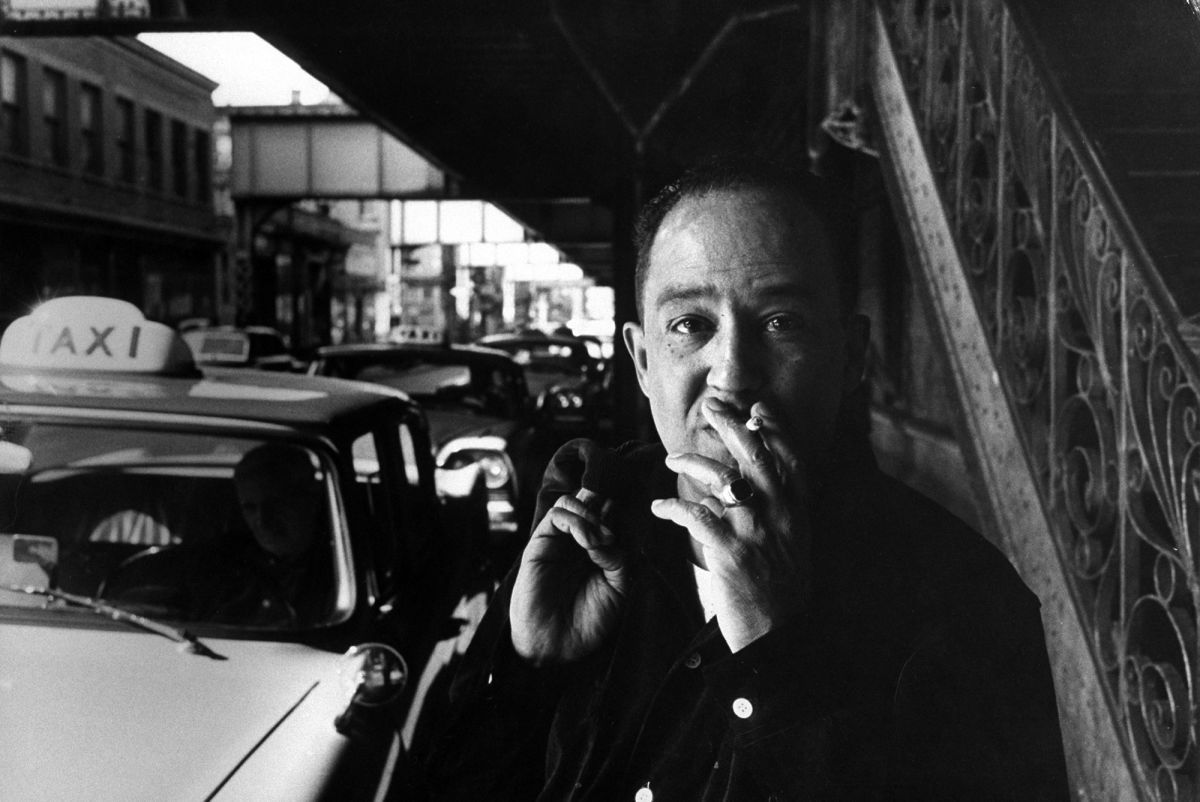
Tired of waiting

"I am so tired of waiting.
Aren't you,
for the world to become good
and beautiful and kind?"
Langston Hughes


photograph of James Mercer Langston Hughes (1902-1967) via

Monday, 19 September 2016

The -ism Series (27): Birtherism

"(slang, often pejorative, US politics) A movement or policy in the United States of America that doubts or denies that the current President is a natural-born U.S. citizen, thus implying that he (...)  is ineligible to be President."
Wiktionary

Birtherism, also known as "Barack Obama citizenship conspiracy theories", evolved during Obama's campaign for president in 2008. Rumours circulated that he was not a natural-born citizen of the United States, hence not eligible to be President of the United States. The theories ranged from him being born in Kenya to holding Indonesian or British citizenship.


"(...) the whole birther movement was racist."
Colin Powell

And as people susceptible to conspiracy theories tend to believe whatever fits into their reality, these theories did not stop after a short form of Obama's official Hawaiian birth certificate was released in 2008, neither after releasing a long form birth certificate in 2011 (yes, there had also been theories about why "only" the short form had been released). According to a poll carried out in 2008, a third of Republicans believed Obama was not born in the U.S. A poll carried out in 2009 showed that 11% did not believe he was born in the U.S., while 12% were unsure. Poll results from 2010 show that at least one quarter of adult US-Americans still doubted Obama's US birth.
Two demographic groups are more strongly represented among the "birthers", i.e. Republicans and Southerners. According to a survey, 58% of Republicans believed that Obama was not born in the U.S. or not sure about it while 93% of Democrats did not express any doubts. Only 47% of those polled in the South believed Obama was natural-born compared to 90% of residents of the Northeast, Midwest and West. A survey carried out in Virginia showed that only 32% of Republicans thought he was born in the U.S. A poll carried out in Utah in 2009 collected more information on demographics: The 33% that did not believe he was natural-born were "predominantly middle-aged, lower-income Republican-leaning individuals without a college education". Two years later, in 2011, a Gallup poll found that 13% of US-American adults and 23% of US-American Republicans continued having their doubts. In 2012, 3 out of the 11 electors from Arizona who cast their votes for Mitt Romney still had their doubts (via).
"While racial conservatives and partisan Republicans provide fertile ground for birther beliefs, it is also clear that those beliefs are influenced by their levels of education. (...) education is statistically and negatively correlated with birtherism, indicating that those with higher levels of education are less likely to believe in birtherism. On the other hand, birtherism is not just the result of ignorance." (Klinkner, 2014)

"Goldie Taylor, a commentator for the African American news site The Grio, characterized the demand that Obama provide his birth certificate as an equivalent of making him "show his papers", as blacks were once required to do under Jim Crow laws. Sociologist Matthew W. Hughey has cited many of the claims as evidence of racial "othering" of Obama against the conflation of the White Anglo-Saxon Protestant (WASP) subject as the ideal and authentic American citizen." (Wikipedia)
In his analysis of birthers, Klinkner (2014) found "several salient characteristics", i.e., "overwhelmingly white", "concentrated heavily among Republicans", and "much more prevalent among racial conservatives". The author used four questions of the racial resentment battery that is based on the view that "blacks do not try hard enough to overcome the difficulties they face and that they take what they have not earned". Half of all birthers were located in the three highest categories of racial resentment, compared to only 22% of the population.
"Powell is right. Birtherism is racism. The lie that the president was not born in America was an attack on the legitimacy of America’s first black president. The lie that the president is a Muslim is a play for votes based on bigotry against Muslims and fear of Muslims—which is based on another lie, that Muslims as a group should be tarred as terrorists when the truth is the exact opposite." (Observer)
"According to Mark Potok of the Southern Poverty Law Center, "the birther movement has gained a large following on the radical right ... it has been adopted by the most noxious elements out there". Some of those "noxious elements" include a number of avowed white-supremacist and neo-Nazi groups. James Wenneker von Brunn, an avowed white supremacist charged as the gunman in the June 10, 2009, United States Holocaust Memorial Museum shooting, had previously posted messages to the Internet accusing Obama and the media of hiding documents about his life." (Wikipedia)


"Dear Betty, you look so fantastic and full of energy, I can't believe you're 90 years old. In fact, I don't believe it. That's why I am writing to ask if you are willing to produce a copy of your long form birth certificate."
Barack Obama's birthday card to Betty White in 2012 (via)


- Photographs of Barack Obama via and via and via and via
- Klinkner, P. (2014): The Causes and Consequences of "Birtherism". Paper presented at the 2014 Annual Meeting of the Western Political Association; online

Friday, 16 September 2016

Trekkies

“Unlike the classic male nerd archetype that most people tend to picture in their heads, the quintessential Star Trek fan is a woman.”
Victoria McNally


“It redefined the classic nerd to be much more inclusive. There were more women involved. The entire show was diverse in many ways, including the people that worked on the show. You had women writers and women story editors, and that wasn’t as common back then. A lot of different areas were opened up because of Gene [Roddenberry]’s vision, and a lot of the fannish community took that to heart, which is a very, very good thing.”
Stuart Hellinger

"Star Trek fans span the globe and span every walk of life, every age group, and every mainstream cultural or ethnic group. Star Trek fandom is a phenomenon like no other, it has been going strong nearly 45 years, and is certain to continue for many more. Starting with the first letter writing campaign to save the original series, fans have always been inspired to take action. Their inspiration? Why Star Trek of course! As made clear throughout this survey, fans are educated, informed, and active citizens. They have taken the meanings in Star Trek and have applied them in mainstream culture. They have certainly individualized the myth, but share a group ideology that binds fandom together, and across cultural lines. Star Trek fans are by their own definition open minded, community oriented, and accepting people. They may not always agree on what Star Trek is or what terms they prefer to identify one another, but this only adds to the diversity within the group, and it certainly is diverse."
Subspace Communique


"Who are Star Trek fans? They are not simply teenage boys who live in their mother’s basements as the stereotype goes. They are not the glimpses of costumed characters the media airs when the Trekkies come to town. They are a diverse and vibrant cultural entity. Star Trek fans are educated, with as many, if not more, female fans as male fans, and come to fandom from a broad spectrum of age and demographic. This phenomenon of fandom stems from the fan attraction to the meanings in the mythos of Star Trek. Myths are value-laden discourse that focus on the examination or explanation of the human condition, therefore Star Trek is indeed a powerful myth that has acted as the basis for the formation of the fandom culture. Star Trek represents modern/progressive myth, and as such it legitimizes fan participation in numerous activities. Myth explains the meaning which fans have assigned to both Star Trek and the archetype characters it has created. Star Trek acts as a secular myth for contemporary times by providing cultural symbols and meanings that serve as a model for the formation of a distinct culture. (...)
Now onto women in fandom! Yes indeed, 57% that took this survey reported being female! That means 43% were males. That was not expected, but it was close. This data does support the history of Trek fandom, the current trends in fandom, and the rumors that have buzzed about since the 2009 film came out about how it brought in not only new fans, but more female fans. Women have held a strong presence in science fiction both as professionals and as fans for decades. Fanfic has been dominated by the female fan, and over the past several years, participation by women in fandom has been increasing. The data also demonstrated a correlation between age and sex, further supporting the idea that more women are entering Trek fandom due to the recent 2009 film. Of those females responding, 13 % were between 21-30, overall that age group accounted for 21% of respondents, the second highest age group following the 41-50 year olds, of which accounted for 34% of those responding to the survey in general, 19% were female. From Bjo Trimble and the original letter writing campaign to save the original series to Shirley Majewski (known fondly as the godmother of fandom), women have been a real driving force in Trek fandom. Various reports from the 1960’s and 1970’s rated female involvement in ranges between 17 and 80% at times, most especially in examining fanfic and clubs which were both female dominated areas in fandom and continue to be today."
Daryl G. Frazetti, Professor of Anthropology and Sociology


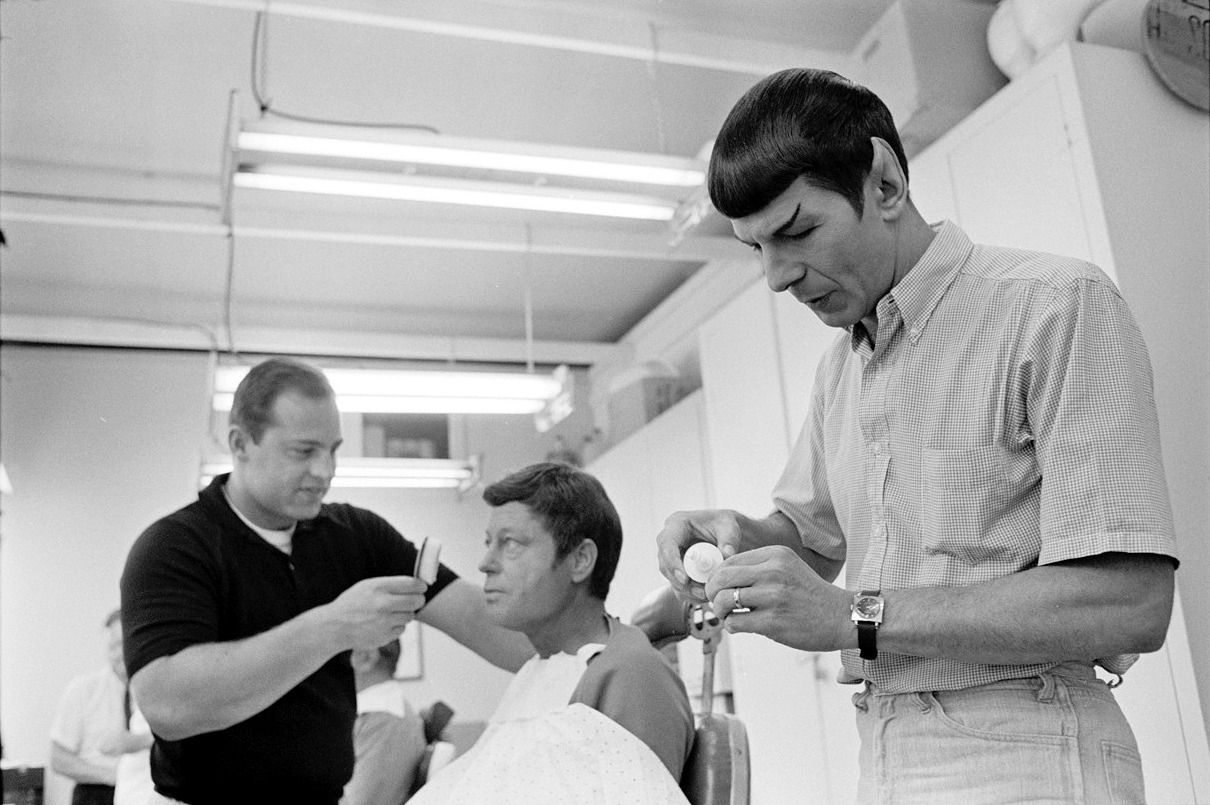
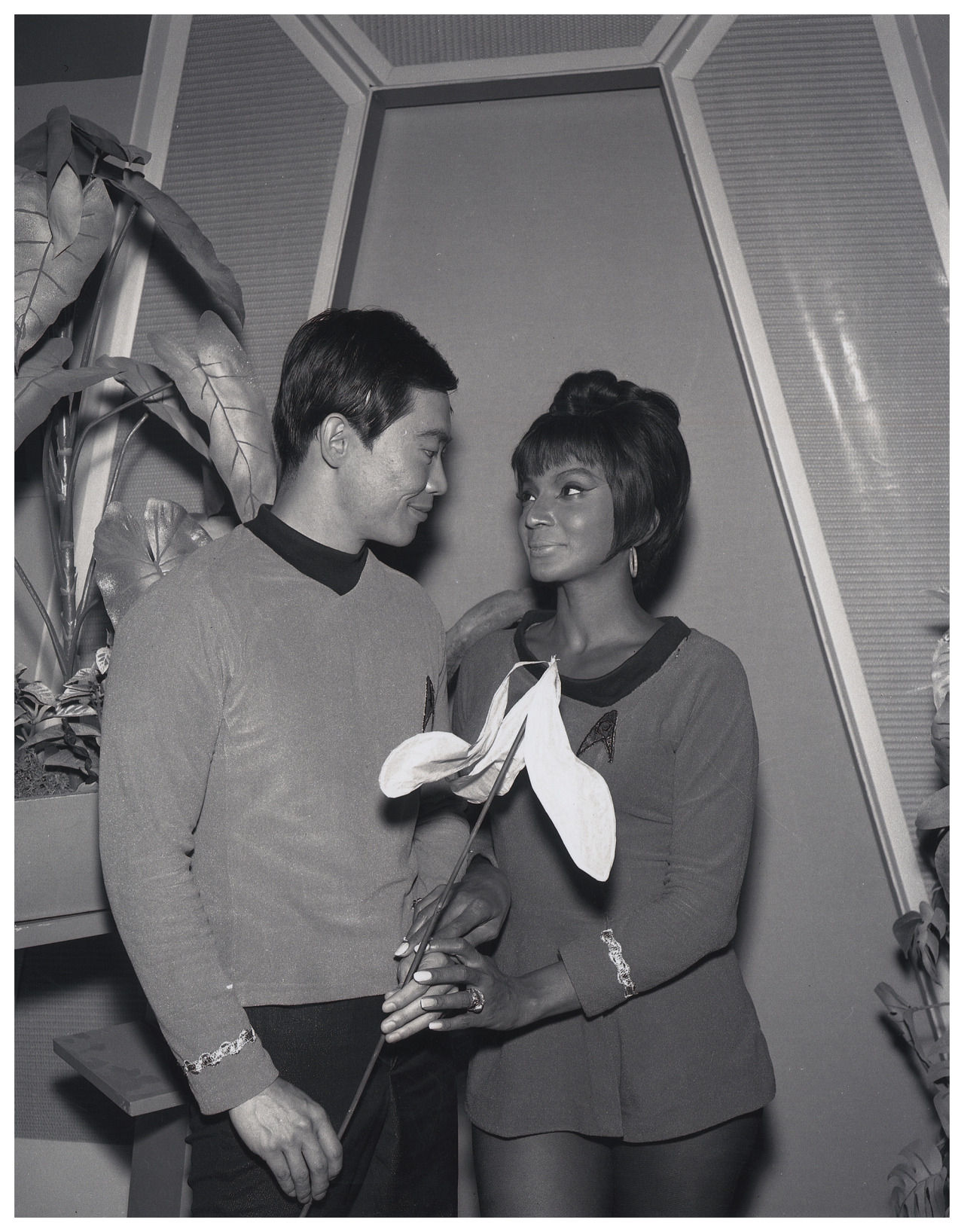
photographs via and via and via

Thursday, 15 September 2016

Quoting Shirley Chisholm

"The emotional, sexual, and psychological stereotyping of females begins when the doctor says: It's a girl." 
Shirley Chisholm


Related posting: The -ism Serie (24): Anti-Humanism

- - - - - - - - -
Photograph via

Wednesday, 14 September 2016

Heart Attack & Gender Medicine

"Four out of ten people believe depictions of heart attacks on TV and in films are realistic (...)."  
Rebecca Smith

We have all seen them, the Hollywood heart attacks. Not only are they too dramatic and risk people ignoring their own symptoms when they are milder (via). They also seem to have a tendency to show rather male symptoms.


Leeds University researchers studied the UK national heart attack register. Their sample included records of nearly 600.000 heart attack patients aged between 18 to 100 years old who had been admitted to 243 NHS (National Health Service) hospitals in England and Wales between April 2004 and March 2013. The study found that 198.534 patients had initially been misdiagnosed, i.e. three in ten. Controlling for gender and heart attack type (Stemi and Nstemi), the results show that women who had a final diagnosis of Stemi had a 59% greater chance of having been initially misdiagnosed compared with men while women with a final disagnosis of Nstemi had a 41% greater chance of an initial misdiagnosis.
The differences in diagnosis are "alarmingly high", better tests are currently developed to diagnose female heart attack. It is high time as undiagnosed, untreated heart attacks are likely to damage the heart muscle irreversibly. Initial misdiagnoses mean an increased risk of death (via and via).


- - - - - - - - -
- Photograph of Hedy Lamarr by Alfred Eisenstaedt via

Monday, 12 September 2016

"Ageism is so last century."

Department store chain Harvey Nichols celebrated British Vogue's centenary issue in May 2016 featuring the first 100-year-old model Bo Gilbert (via).
“Vogue’s 100th anniversary seemed like such an important moment, so we wanted to celebrate it by doing something symbolic. We’re really proud to be involved in a project which proves the older generation can be fearlessly stylish too. Ageism is so last century.”
Ben Tollet, executive creative director at Harvey Nichols' ad agency


Image via

Friday, 9 September 2016

Soy Yo

Colombian band Bomba Estèreo released the album "Amanecer" in 2015. It was placed 50th in Rolling Stone's list of the year's best albums, the song "Soy Yo" was selected for the "FIFA 16" soundtrack (via). This week, the band released the official video, "an insanely cute celebration of brown girls". According to frontwoman Li Saumet, the song and the clip tackle "bullying and intolerance, issues that worry all of us".


The clip - the result of an open-submission idea contest - was shot in New York City (via). The winner was Danish director Torben Kjelstrup who was inspired by a photograph of his girlfriend from the 1990s - braces, red hair and a confident look. Kjelstrup started building a universe around this character and chose Sarai (from the moment he saw her he knew she was the one) who had her acting debut in the "Soy Yo" music video. Sarai's parents are from Costa Rica and Peru and live in New Jersey (via).


"So, yeah, this is a well-made music video, and the song is pretty catchy. But for the Latino community, this video is a really big deal even beyond all that. Why? Because I almost never saw myself represented in the media when I was a kid."
Alicia Barrón, Upworthy

"All this to say that, my heart was filled with nostalgic joy and magical brown girl pride because I immediately saw my former awkward self in her. Only at her age, I wasn’t as confident but had this music video existed in my day, perhaps I would have owned my wavy bangs, bushy light eyebrows, and, er, unique sense of style."
Cindy Rodriguez, Huffington Post

"This tiny girl can teach you how to be awesome. Haters begone. From this moment onwards, I refuse to take life advice from anyone but the young star of Bomba Estéreo's "Soy Yo" video."
Estelle Tang, Elle


images via and via

Wednesday, 7 September 2016

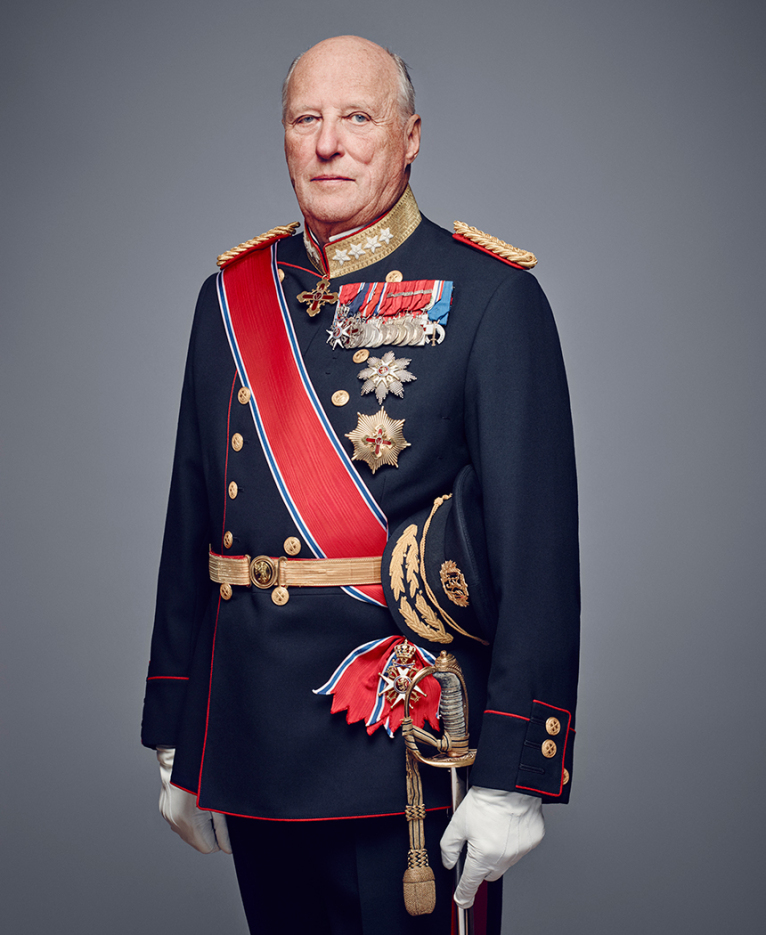
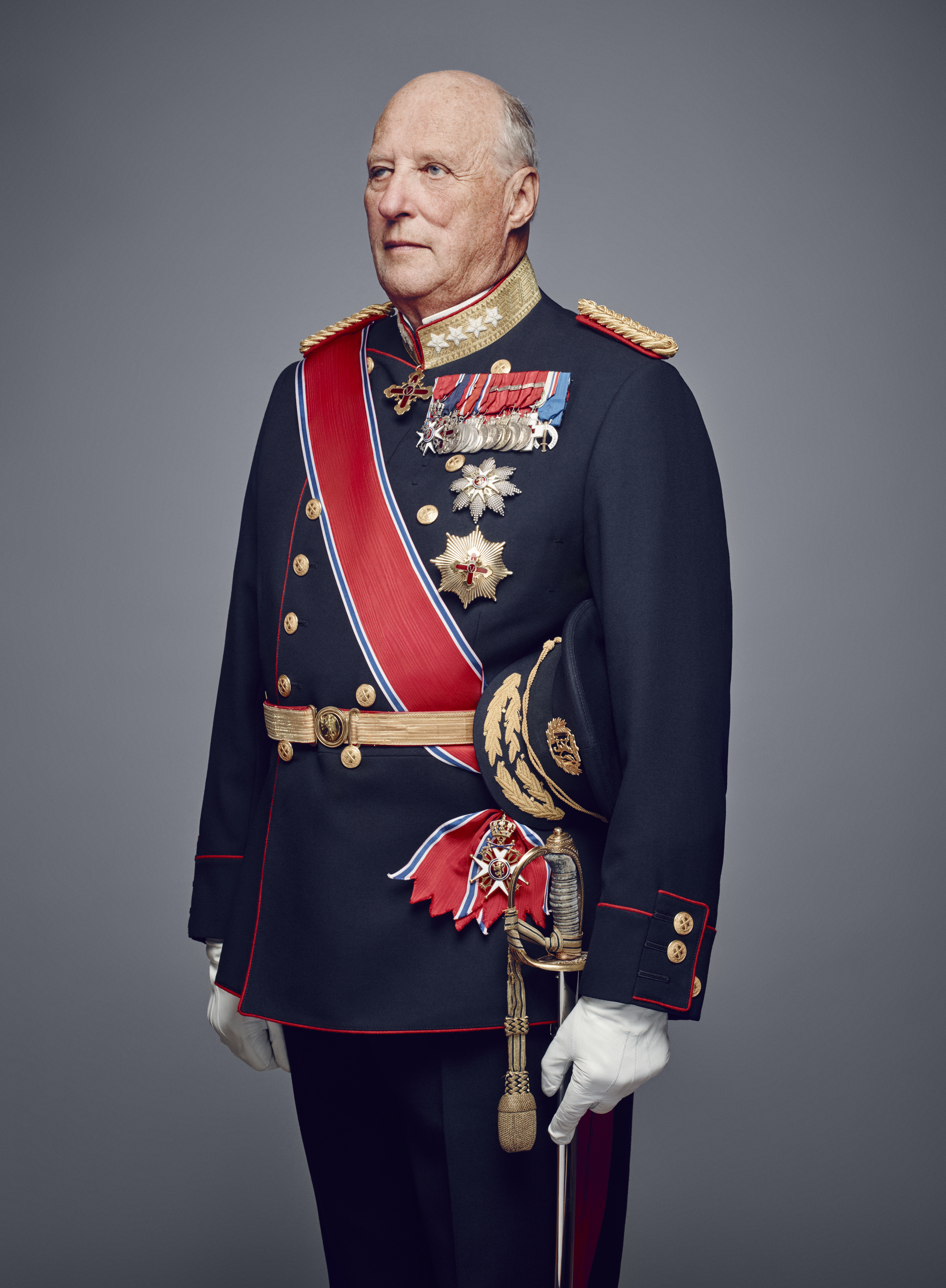
His Majesty King Harald V says...

Prime Minister,
Vice President of the Storting,
Chief Justice of the Supreme Court,

Dear all!

After travelling throughout the country over the course of many years, it is a great pleasure for us to host representatives from all of Norway.

A warm welcome to every one of you!


Those of you who are gathered here represent Norway as it is today. So what is Norway?

Norway is high mountains and deep fjords. It is wide open spaces and rocky coastlines. It is islands and archipelagos. It is lush farmland and rolling moors.

The sea laps Norway’s shores in the north, west and south.

Norway is midnight sun and polar night. It is harsh winters and mild winters. It is hot summers and cold summers.

Norway is a long and sparsely populated country.

But above all, Norway is its people.

Norwegians come from North Norway, Central Norway, Southern Norway – and all of the other regions. Norwegians have immigrated from Afghanistan, Pakistan and Poland, from Sweden, Somalia and Syria. My grandparents came here from Denmark and England 110 years ago.

It is not always easy to say where we are from, what nationality we are. Home is where our heart is – and that cannot always be confined within national borders.

Norwegians are young and old, tall and short, able-bodied and wheelchair users. More and more people are over 100 years old. Norwegians are rich, poor and in-between. Norwegians like football and handball, mountain climbing and sailing – while others prefer lounging on the sofa.

Some are self-confident, while others struggle to believe they are good enough as they are.

Norwegians work in shops, in hospitals, on offshore platforms. Norwegians work to keep us safe and secure, to keep our country free of pollution and to find new solutions for a green future. Norwegians farm the land and catch fish. Norwegians do research and teach.

Norwegians are enthusiastic young people - and wise old people. Norwegians are single, divorced, families with children, and old married couples. Norwegians are girls who love girls, boys who love boys, and girls and boys who love each other.

Norwegians believe in God, Allah, the Universe and nothing.

Norwegians like Grieg and Kygo, the Hellbillies and Kari Bremnes.

In other words: Norway is you.

Norway is us.

When we sing “Ja, vi elsker dette landet” (‘Yes, we love this country’), we should remember that we are also singing about each other. Because we are this country. Thus, our national anthem is also a declaration of love for the Norwegian people.

My greatest hope for Norway is that we will be able to take care of one another.

That we will continue to build this country – on a foundation of trust, fellowship and generosity of spirit.

That we will feel that we are – despite our differences – one people.

That Norway is one.

Once again, a warm welcome to you all! I hope we will have an enjoyable time together.


Welcoming speech given by His Majesty The King at the garten party in the Palace Park hosted by Their Majesties The King and Queen on 1 September 2016, translated from Norwegian (via).

- - - - - - - - - - - - - -
photographs via and via

Monday, 5 September 2016

Born this day: Claudette Colvin

“Back then, as a teenager, I kept thinking, Why don't the adult around here just say something? Say it so they know we don't accept segregation? I knew then and I know now that, when it comes to justice, there is no easy way to get it. You can't sugarcoat it. You have to take a stand and say, 'This is not right'. And I did."
Claudette Colvin


Claudette Colvin, born on 5 September 1939, refused to give up her bus seat to a white passenger while riding home on a city bus after school (that was having "Negro history month" studying black leaders like Harriet Tubman and Sojourner Truth) in March 1955 - nine months before Rosa Parks refused to do so. When the bus driver told her to give up her seat she replied:
"It's my constitutional right to sit here as much as that lady. I paid my fare, it's my constitutional right."
Colvin was 15 years old when she stood up against segregation in Alabama; she was arrested for violating the city's segregation laws, was put in handcuffs by two police officers, was branded a troublemaker, had to drop out of college, could not find a job due to her reputation and served as one of four plaintiffs in the landmark legal case Browder v. Gayle that helped end segregation on Montgomery public buses.

"While Parks has been heralded as a civil rights heroine, the story of Claudette Colvin has received little notice."

The reason why Claudette Colvin never became the symbol Rosa Parks became was that the National Association for the Advancement of Colored People did not decide to use her case to challenge the segregation laws as a) she was very young and teenagers were not considered to be reliable, b) she was pregnant and an unwed mother would attract too much negative attention in a public legal battle and, according to Colvin, c) Rosa Parks's "skin texture was the kind that people associate with the middle class" (via and via).


"All I remember is that I was not going to walk off the bus voluntarily."
Claudette Colvin

"I just couldn't move. History had me glued to the seat."
Claudette Colvin

"I felt like Sojourner Truth was pushing down on one shoulder and Harriet Tubman was pushing down on the other—saying, 'Sit down girl!' I was glued to my seat."
Claudette Colvin

"We couldn't try on clothes. You had to take a brown paper bag and draw a diagram of your foot ... and take it to the store. Can you imagine all of that in my mind? My head was just too full of black history, you know, the oppression that we went through. It felt like Sojourner Truth was on one side pushing me down, and Harriet Tubman was on the other side of me pushing me down. I couldn't get up."
Claudette Colvin


The following excerpts are taken from "Claudette Colvin: Twice Toward Justice", by Phillip Hoose via

CLAUDETTE: One of them said to the driver in a very angry tone, "Who is it?" The motorman pointed at me. I heard him say, "That's nothing new . . . I've had trouble with that 'thing' before." He called me a "thing." They came to me and stood over me and one said, "Aren't you going to get up?" I said, "No, sir." He shouted "Get up" again. I started crying, but I felt even more defiant. I kept saying over and over, in my high-pitched voice, "It's my constitutional right to sit here as much as that lady. I paid my dare, it's my constitutional right!" I knew I was talking back to a white policeman, but I had had enough.

One cop grabbed one of my hands and his partner grabbed the other and they pulled me straight up out of my seat. My books went flying everywhere. I went limp as a baby—I was too smart to fight back. They started dragging me backwards off the bus. One of them kicked me. I might have scratched one of them because I had long nails, but I sure didn't fight back. I kept screaming over and over, "It's my constitutional right!" I wasn't shouting anything profane—I never swore, not then, not ever. I was shouting out my rights.

It just killed me to leave the bus. I hated to give that white woman my seat when so many black people were standing. I was crying hard. The cops put me in the back of a police car and shut the door. They stood outside and talked to each other for a minute, and then one came back and told me to stick my hands out the open window. He handcuffed me and then pulled the door open and jumped in the backseat with me. I put my knees together and crossed my hands over my lap and started praying.

All ride long they swore at me and ridiculed me. They took turns trying to guess my bra size. They called me "nigger bitch" and cracked jokes about parts of my body. I recited the Lord's Prayer and the Twenty-third Psalm over and over in my head, trying to push back the fear. I assumed they were taking me to juvenile court because I was only fifteen. I was thinking, Now I'm gonna be picking cotton, since that's how they punished juveniles—they put you in a school out in the country where they made you do field work during the day.

But we were going in the wrong direction. They kept telling me I was going to Atmore, the women's penitentiary. Instead, we pulled up to the police station and they led me inside. More cops looked up when we came in and started calling me "Thing" and "Whore." They booked me and took my fingerprints.

Then they put me back in the car and drove me to the city jail—the adult jail. Someone led me straight to a cell without giving me any chance to make a phone call. He opened the door and told me to get inside. He shut it hard behind me and turned the key. The lock fell into place with a heavy sound. It was the worst sound I ever heard. It sounded final. It said I was trapped.

When he went away, I looked around me: three bare walls, a toilet, and a cot. Then I feel down on my knees in the middle of the cell and started crying again. I didn't know if anyone knew where I was or what had happened to me. I had no idea how long I would be there. I cried and I put my hands together and prayed like I had never prayed before. (...)

But I was afraid that night, too. I had stood up to a white bus driver and two white cops. I had challenged the bus law. There had been lynchings and cross burnings for that kind of thing. Wetumpka Highway that led out of Montgomery ran right past our house. It would have been easy for the Klan to come up the hill in the night. Dad sat up all night long with his shotgun. We all stayed up. The neighbors facing the highway kept watch. Probably nobody on King Hill slept that night.

But worried or not, I felt proud. I had stood up for our rights. I had done something a lot of adults hadn't done. On the ride home from jail, coming over the viaduct, Reverend Johnson had said something to me I'll never forget. He was an adult who everyone respected and his opinion meant a lot to me. "Claudette," he said, "I'm so proud of you. Everyone prays for freedom. We've all been praying and praying. But you're different—you want your answer the next morning. And I think you just brought the revolution to Montgomery.

- - - - - - - - - - - - - - -
images via and via

Friday, 26 August 2016

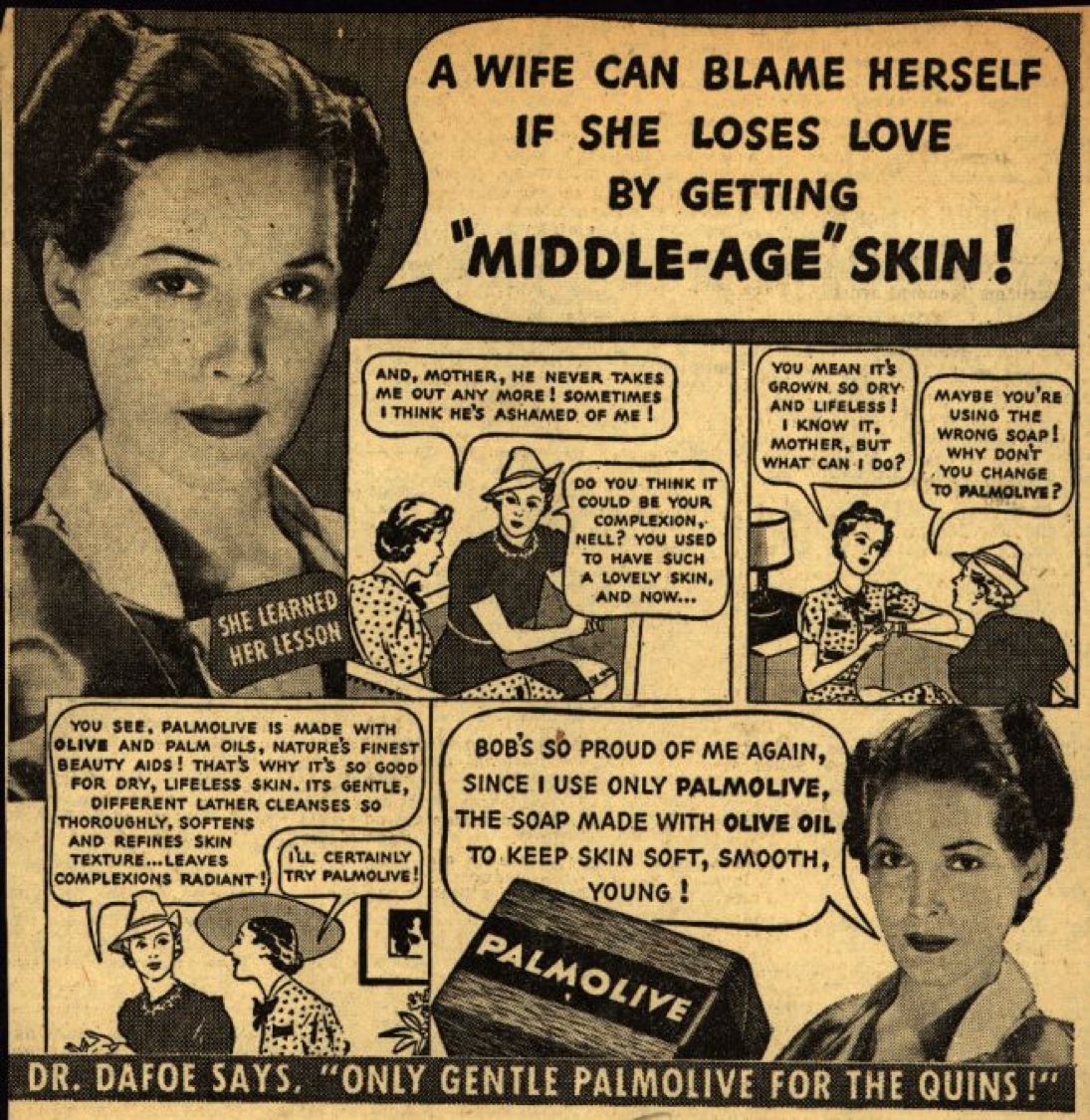
When the right soap used to help find a husband and save the marriage

J: Everything was swell between Tom and me. Until that hateful Babs Brown came along and dazzled him with her school girl complexion.
W: Darling, why don't you see a good beauty specialist, and find out what's wrong with your complexion? You're no older than Babs..
... Jane consults Emil, famous Chicago beauty specialist.
E: Even though you're only 20, your complexion has the symptoms of what I call "middle-age" skin! It's too dull and coarse-textured. I suggest that you change to Palmolive soap....
W: Orchids from Tom, again!
J: Yes! Isn't it wonderful how different he's been since Palmolive helped me get rid of that ugly, dry, "middle-age" skin!


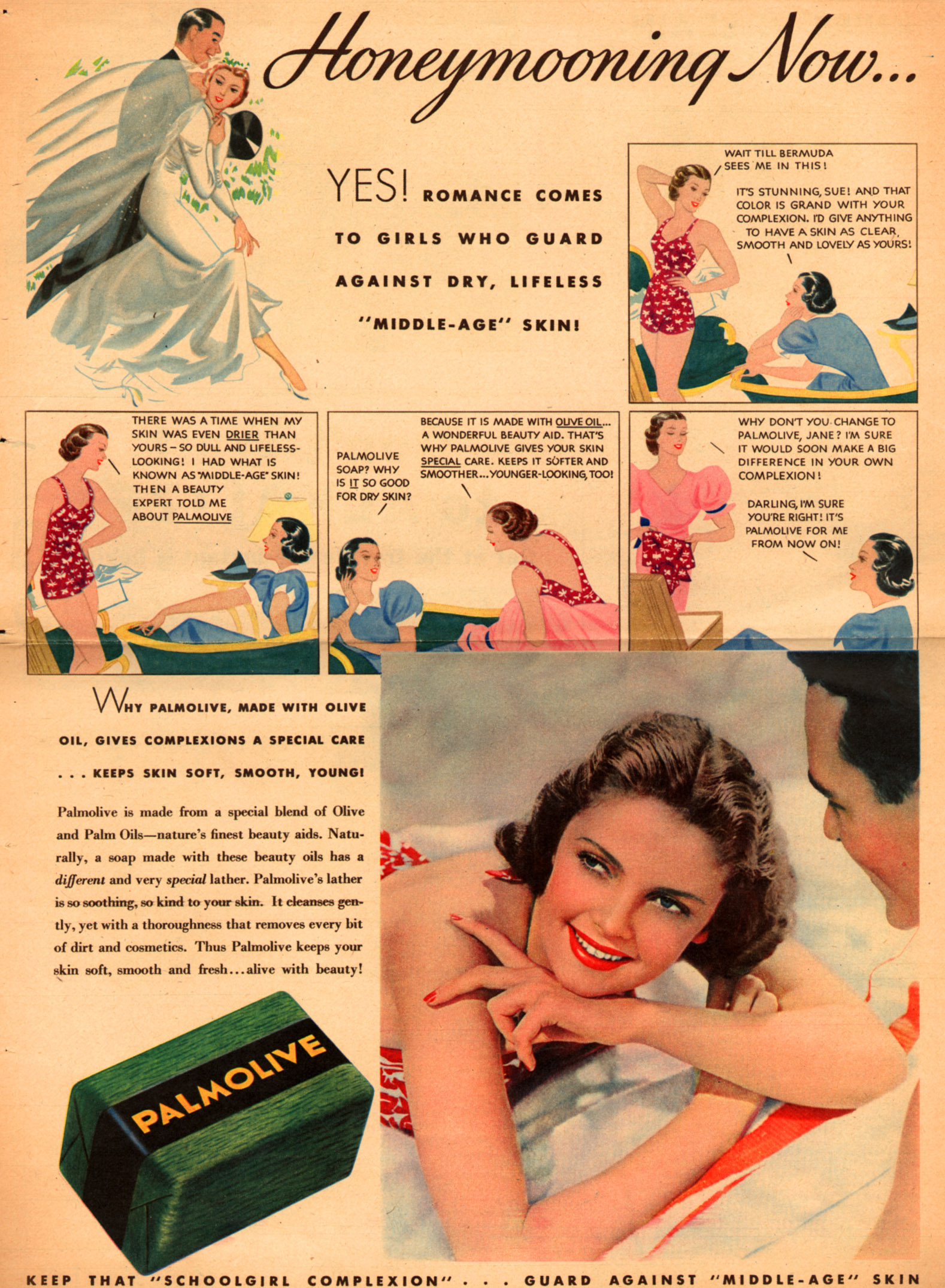
Honeymooning Now...
Yes! Romance comes to girls who guard against dry, lifeless "middle-age" skin!


... A wife can blame herself if she loses love by getting "middle-age" skin! 
N: And, mother, he never takes me out any more! Sometimes I think he's ashamed of me!
M: Do you think it could be your complexion, Nell? You used to have such a lovely skin, and now...
N: You mean it's grown so dry and lifeless! I know it, mother. But what can I do?
M: Maybe you're using the wrong soap! Why don't you change to Palmolive?
M: You see, Palmolive is made with olive and palm oils, nature's finest beauty aids! That's why it's so good for dry, lifeless skin. It's gentle, different lather cleanses so thoroughly, softens and refines skin texture...leaves complexions radiant!
N: I'll certainly try Palmolive!
N: Bob's so proud of me again, since I use only Palmolive, the soap made with olive oil to keep skin soft, smooth, young!
(from 1938)


... Girls with empty date books ought to read these facts about dry, lifeless "middle-age" skin!
H: Don't tell me you're going out again tonight! Well, I suppose if I had your "schoolgirl complexion" instead of my dry, lifeless, old-looking skin my date book would be filled up, too!
W: Listen, Helen! There must be some good reason why you have that trouble with your skin! Maybe you're using the wrong soap! Why don't you try Palmolive?
W: You see, Palmolive is made with olive and palm oils, nature's finest beauty aids. That's why its lather is so different, so good for dry, lifeless skin! Palmolive cleanses so thoroughly yet so gently that it leaves skin soft and smooth... complexions radiant!
H: Well, that's the most convincing beauty talk I've ever heard! From now on I'll use only Palmolive soap! And you'd better start getting ready to have a popular room-mate on your hands!


... I've seen it wreck romances... That's why I guard against dry, lifeless "middle-age" skin!
A: You know how men are, Gail! They like to be proud of their sweet-hearts and wives! Besides, you must admit there's not much allure in dry, lifeless, old-looking skin!
G: But how can a girl guard against it, Alice?
A: Why don't you try Palmolive soap? It's made with olive and palm oils, nature's finest beauty aids. That's why its lather is so different, so good for dry, lifeless skin! Palmolive cleanses so thoroughly yet so gently that it leaves skin soft and smooth... complexions radiant!
G: Well, if Palmolive is the secret of your "schoolgirl complexion" I'm going to make it my beauty soap, too!


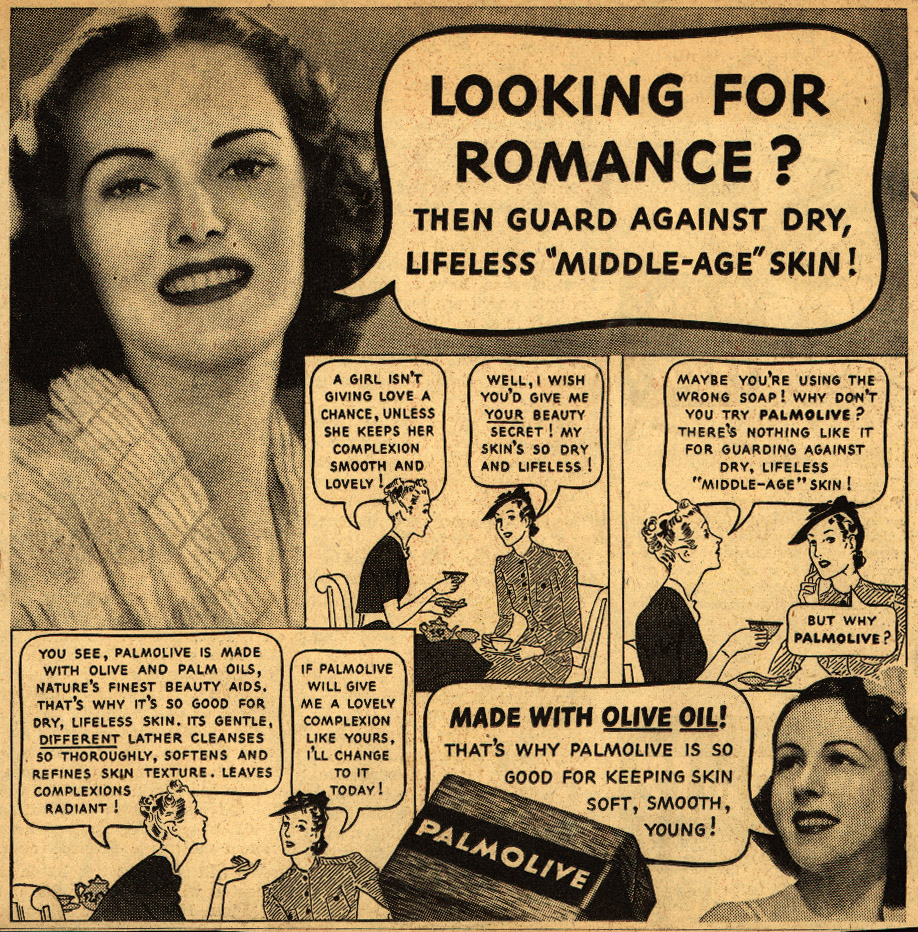
... Looking for romance? Then guard against dry, lifeless "middle-age" skin!
W: A girl isn't giving love a chance, unless she keeps her complexion smooth and lovely!
X: Well, I wish you'd  give me your beauty secret! My skin's so dry and lifeless!
W: Maybe you're using the wrong soap! Why don't you try Palmolive? There's nothing like it for guarding against dry, lifeless "middle-age" skin!
W: You see, Palmolive is made with olive and palm oils, nature's finest beauty aids. That's why it's so good for dry, lifeless skin. Its gentle, different lather cleanses so thoroughly, softens and refines skin texture, leaves complexions radiant!
X: If Palmolive will give me a lovely complexion like yours, I'll change to it today!


... Yes! Husbands stay lovers... when wives guard against dry, lifeless "middle-age" skin!
W: Don't tell me you've been married ten years? Anyone would think you were a bride, the fuss Tom makes over you! No wonder though, with that lovely complexion!
W: Wish I could find something to agree with my complexion! It's grown so dry, lifeless and coarse-looking... I have regular "middle-age" skin!
X: Why don't you try Palmolive soap? I never use anything else!
W: (...)


They're four years old... and the Dionne quins have never used any soap except Palmolive!
Joan follows the quin's example ... and is she glad!
J: Men never used to invite me anywhere, because my complexion was terrible...dry, lifeless, regular "middle-age" skin! Then I changed to Palmolive, the only soap Dr. Dafoe found pure, gentle, safe enough for the quins!
J: (...) And now that my skin's lovely again, I'm always dated up!


What fools wives are to let themselves get "middle-age" skin!
Married ten years, but...
M: Look what Bob gave me on our anniversary! Isn't he wonderful?
X: You're pretty wonderful, too... keeping yourself so young and lovely! I'd give anything to have a complexion like yours.
W: I'm sure you can, Madge! For a long time my skin was simply awful! So dry, lifeless and coarse-looking... regular "middle-age" skin! then luckily I tried Palmolive.
(...)


... "Middle-age" skin? Don't try to scare me... Why, I'm only 22!


Young as I am, I've learned I have to guard against dry, lifeless, old-looking skin!


... Love is such a precious thing! Why riks losing it with dry, lifeless "middle-age" skin?
W: I think you're just silly to risk getting dry, lifeless "middle-age" skin! You know how much a lovely complexion means to a man!
X: But why do you think Palmolive would help my skin? Why is it different from other soaps?
W: Because Palmolive is made with olive oil, a matchless beauty aid provided by nature herself to keep skin soft, smooth, young! That's why Palmolive is so good for dry, lifeless skin!
W: And because Palmolive is made only with olive and palm oil, its lather is really different! It cleanses thoroughly, keeps pores so clean and healthy, leaves complexions radiant!
X: I guess I'd better take your advice and use only Palmolive, too! That "schoolgirl complexion" of yours certainly works like a charm with the men!


... I give up!... She's let herself get "middle-age" skin!
A: All right, I'll give you one more chance! Get rid of that dry, lifeless, coarse-looking skin! Stop using just any soap-change to Palmolive right away!
W: Palmolive soap? Why does it make complexions lovelier?
A: Because (...)
... A few weeks later.
A: So you're off to another dance! Tom is certainly rushing you since Palmolive helped you get rid of that "middle age" skin!


Palmolive images via and via and via and via and via and via and via and via and via and via and via and via and via