Thursday, 3 August 2023

2.2%

In the United States, the average woman weighs 140 pounds (63.50 kg), the average fashion model 117 pounds (53.07 kg) while being 5'11'' (more than 180 cm) tall. In the United Kingdom, 45% of women are size 16+, people these size make up 2.2% of women shown in advertisements (via).

‘Our campaign found that 57% of adults have never seen themselves represented in the media. This is why we’re committed to representing all body types, so the everyday consumer can feel empowered. It’s important to shed light on the fact that every body is beautiful and that no one needs to conform to typical beauty standards.’ (Yours Clothing)

- - - - - - - -
photograph via

Wednesday, 2 August 2023

Narrative images: Window Shopping, Granada, 1930s

"An African American woman, dressed in her Saturday go-to-town-best, stands outside a store window, chin in hand, contemplating the contents in the window. The image is reflective and thoughtful. What is she thinking? And what lies beyond the frame of this photograph? In Mississippi in the 1930s, could she walk into this store, perhaps try on clothes or hats, and make a purchase? If she were welcomed in this store, would she have the means to buy the merchandise? The woman is separated from the contents of the store window by the large plate glass of segregation.

As in most of her photographs, Welty captures an artistic moment in this image, but the reality of the world outside the frame of the photograph is always present. In this instance, Welty raises questions about this woman as a consumer. How is her ability to buy a mark of freedom conveying access to the American dream? Grace Elizabeth Hale states in her book Making Whiteness: The Culture of Segregation in the South, 1890-1940 that shopping and segregation were uneasily intertwined. Department stores, like railroad cars and movie theaters, were “muddled middle” spaces where segregation remained vulnerable, “neither public nor private, neither black nor white” (9). It was in these “muddled middle” spaces that middle class African Americans chose to shop. While whites and blacks might be separated in schools, churches, restaurants, and other spaces, the ritual of Saturday shopping “belonged to all southerners” (Hale 182). Welty captures this “muddled middle” of a Mississippi small town on Saturday in the group of white men just down the street from the African American woman gazing in the shop window."

Mae Claxton

- - - - - - - - -
photograph by Eudora Alice Welty, 1909-2001, (c) by Eudora Welty Foundation) via


Thursday, 6 July 2023

Ten Thousand Thanks

Ten thousand thanks for following the tenth year of "Diversity is Beautiful", a wonderful year with some progress for some marginalised communities in some places (and none at all in others), a year of reflection, joy and sunshine (which is good unless too much due to the climate change), a year of excitement and Blur's appearance (scream!) at Wembley Stadium this week. Thank you!

Thursday, 22 June 2023

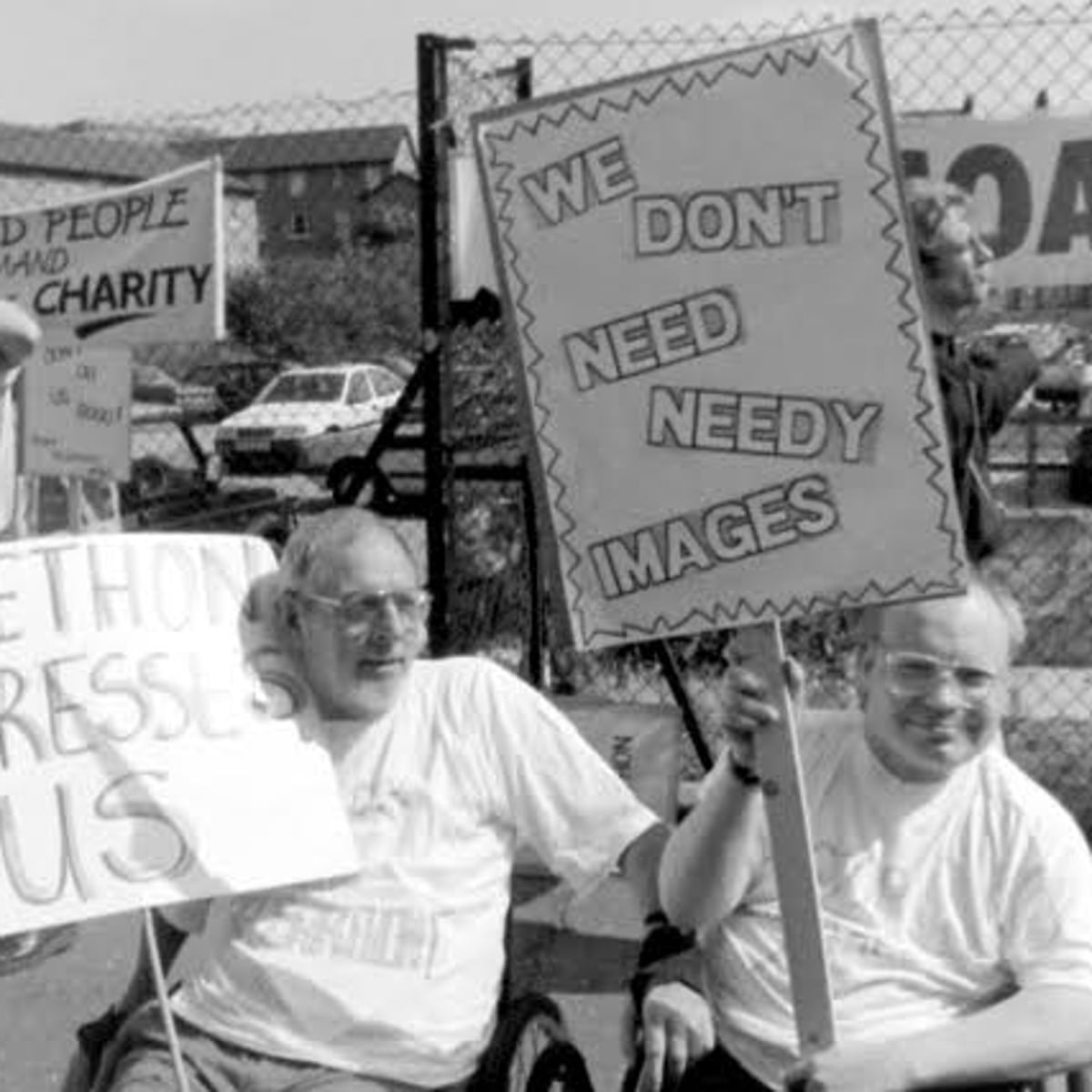
"Since the event I've become half a person." The person in the disabled body.

In their paper, Agmon, Sa'ar and Araten-Bergman (2016) explore the experiences of newly diagnosed persons with disability. Since these individuals lived to adulthood as able bodied people before becoming disabled, their experiences may "offer a unique perspective on both normative and aberrant personhood".
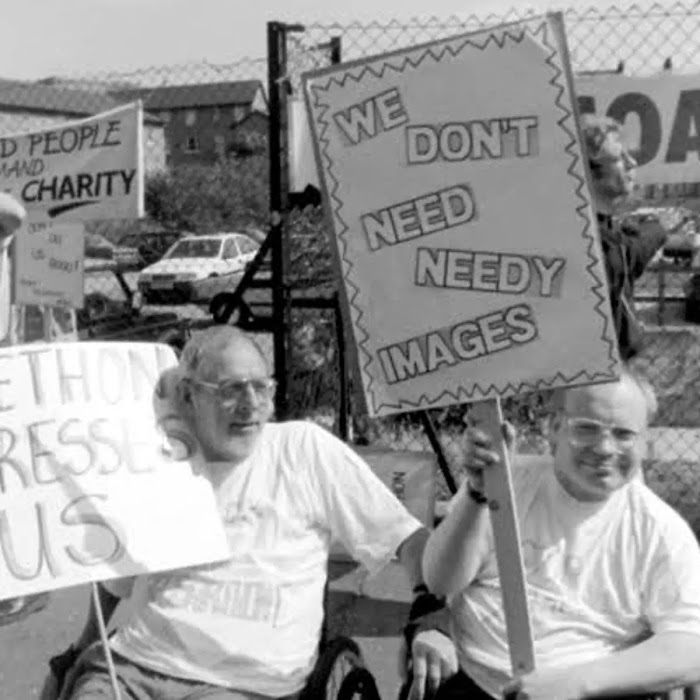
Research on the disabled body is characterised by three assumptions: 1) Disability is a distressing and stigmatised experience that often leads to exclusion, 2) the disabled body is "a stopping point on a continuum of health", and 3) disability is a social construct which becomes more obvious when considering cross-cultural variations in approaches.

The authors come to the conclusion that visibly damaged bodies are assumed to entail cognitive disability. Doctors, for instance, tend to direct explanations to relatives and not to the individuals with disability despite them being present. their abilities are often underestimated, their independence is far from being nurtured reinforcing their exclusion. Persons with disability lose sexuality and gender, usual "codes of interaction between men and women" are disregarded by caregivers in the institution where the study was carried out. Individuals with disability are infatilised, at birthdays they are "allowed" to have some candies.

Since the event I’ve been half a person—half is saying too much: a living dead person. On one side you see how he’s dead. The tonus goes higher and higher, the hand is completely paralyzed, the leg is splinted. Dr. Zaiger told me on my last visit to Leowinstein, that if it doesn’t improve we’ll have to give injections to release the tonus.
Aryeh

Results: 

The analysis reveals the agonizing experience of individuals who have become disabled in adulthood, who undergo symbolic diminution and social exclusion after their former acceptance as whole and normative persons. This ongoing multifaceted process includes infantilization, denial of their sexuality/sensuality, transgression of gender boundaries, and their construction as categorically different from the "healthy" people around them. At the same time, the analysis also demonstrates the ways in which daily routine at the daycare center also complicates the normative healthy-disabled binary, indicating a continuum on which attendees may attempt to reposition themselves.

- - - - - - - - - - - - - - - 

- Agmon, M., Sa'ar, A., Araten-Bergman, T. (2016). The person in the disabled body: a perspective on culture and personhood from the margins. International Journal for Equity in health, 147, link
- photograph (protesting against the 1992 ITV Telethon, by People's History Museum) via

Saturday, 17 June 2023

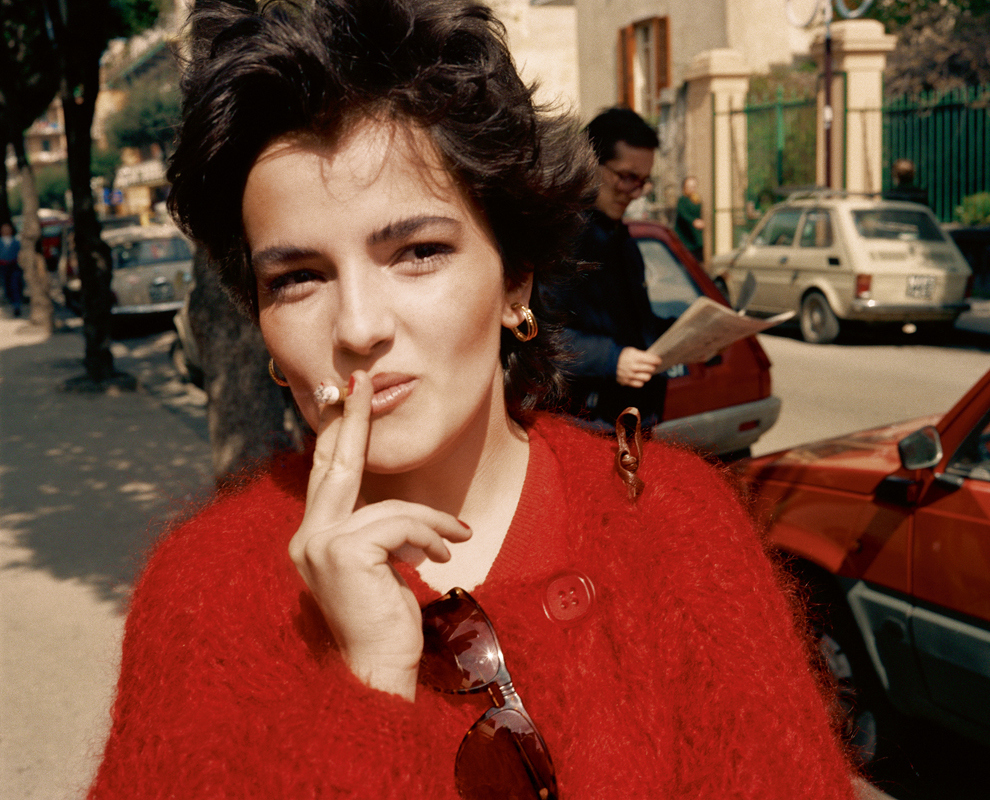
Individualism/collectivism and personality in Italian and American Groups

Abstract: Italian (n = 129) and American (n = 86) samples were evaluated with the Five Factor Inventory of personality and a measure of individualism/collectivism. Greater individualism was seen in the American group than the Italian group, as in the Hofstede (2019) data. For the Italian sample only, greater individualism was associated with greater neuroticism and greater collectivism was associated with lower neuroticism. This may reflect poor culture fit for Italians with a very individualistic orientation given that Italy falls between the United States and Asian countries in terms of the individualism/collectivism dimension. 


Other studies have shown better personal adjustment being associated with having a personality that fits with the culture in which one is embedded. For both Italian and American groups, higher collectivism was associated with higher extraversion, agreeableness, and conscientiousness consistent with other reports. Additional findings included higher openness in the Italian group and higher conscientiousness in the American group. (Burton et al., 2021)

- - - - - - - - -
- Burton, L., Delvecchio, E., Germani, A. & Mazzeschi, C. (2021) Individualism/collectivism and personality in Italian and American Groups. Curr Psychol 40, 29–34 
- photograph by Charles H. Traub (Naples, 1985) via
Tuesday, 30 May 2023

Quoting Lena Horne

"(M)y and (Walter) White's concern was that in the period while I was waiting for Cabin in the Sky they would force me to play roles, as I have said, that most N*groes were forced to play in the movies at that time. It was not that I felt I was too good or too proud to play them. But Walter felt and I agreed with him, that since I had no history in the movies and therefore hand not been typcast ... it would be essential for me to try to establish a different kind of image for N*gro women."
Lena Horne (cited in Sim, 2006)

- Sim, Y. D. (2006). Women of Blaxploitation. How the Black Action Film Heroine Changed American Popular Culture. Jefferson & London: McFarland & Company, Inc. Publishers.
- photograph of Lena Horne via
Sunday, 21 May 2023

Now I know what he means.

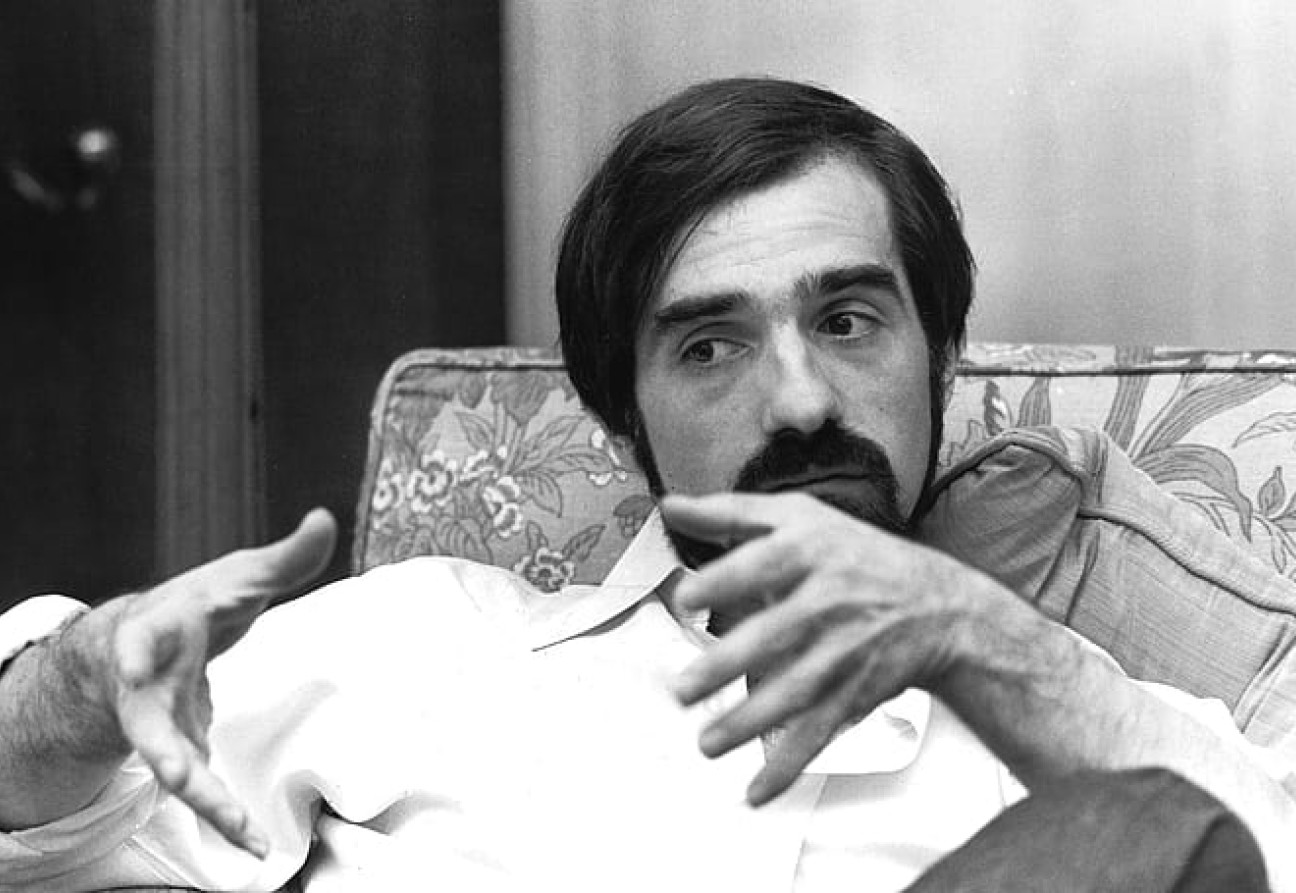
"You’re 80. Do you still have that fire to get right back behind the camera and get the next one going?"


"Got to. Got to. Yeah. I wish I could take a break for eight weeks and make a film at the same time [laughs]. The whole world has opened up to me, but it’s too late. It’s too late. I’m old. I read stuff. I see things. I want to tell stories, and there’s no more time. Kurosawa, when he got his Oscar, when George [Lucas] and Steven [Spielberg] gave it to him, he said, 'I’m only now beginning to see the possibility of what cinema could be, and it’s too late.' He was 83. At the time, I said, 'What does he mean?' Now I know what he means."

- - - - - - - - -
photograph via

Monday, 15 May 2023

1940, 1958, 1964 vs Today

In 1940, 60% of employed Black women in the US worked as domestic servants. Today, the number is 2.2%, 60% hold so-called white-collar jobs.

In 1958, 44% of whites said they would move to a different neighbourhood, if a Black family became their neighbour. Today, the figure is 1%.

In 1964, 18% of whites claimed to have a Black friend. Today, 86% of whites say they have a Black friend while 87% of Blacks say they have white friends (via).

- - - - - - - - - - -

photograph via
Sunday, 14 May 2023

Narrative images: South of the River

"Growing up in Britain as a child of immigrants, I would hide certain elements of my everyday existence. As an adult and a photographer, I actively seek out and champion the very things I obscured and disregarded as a youngster. From the multicultural melting pots of Southwark and Lewisham to the brutalist blocks and postwar council estates of Thamesmead, south-east London is home to some of the most ethnically and culturally diverse communities in Britain."

photograph by Nico Froehlich via