Showing posts with label Diane Arbus. Show all posts

Tuesday, 4 June 2024

The Homophobic Climate Index: Estimating Homophobia in 158 Countries

Lamontagne et al. (2018) developed the Homphobic Climate Index including aspects such as institutional (e.g. laws that criminalise same-sex relations) and social (acceptance of homosexuality in population) homophobia. 158 countries - ranging from Sweden to Sudan - were ranked based on how homophobic or gay-friendly they were. The most inclusive countries were Uruguay and countries located in Western Europe. Latin America appeared as a region fighting homophobia, and in Africa, South Africa and Cabo Verde were the most inclusive ones.

The ten most homophobic countries were (in the following order): Sudan, Afghanistan, Saudi Arabia, South Sudan, Qatar, Nigeria, Guinea, Iraq, Burundi, Chad. The ten most inclusive countries were: Sweden, Netherlands, Denmark, Norway, Spain, Finland, Belgium, France, Uruguay, United Kingdom.

The authors found some interesting correlations. For instance, a 10% change in GDP per capita was associated with a 1% reduction in the index. Also, a higher homophobic climate was correlated with lower life expectancy among men as well as with social inequalities, such as gender equality (measured by share of parliamentary seats held by women) and the abuse of human rights.

- - - - - - - - - -

- Lamontagne, E., d'Elbée, M., Ross, M. W., Carroll, A., du Plessis, A. & Loures, L. (2018). A sociological measurement of homophobia for all countries and its public health impact. European Journal of Public Health, 28(5), 96-972, link
- photograph by Diane Arbus via

Friday, 31 May 2024

Excluding Elderly People from Clinical Trials

The elderly make up "the lion's share of patients for certain health conditions" and the majority of patients for many conditions that need medications. At the same time, clinical trials in adult populations usually include patients ranging from the age of 18 to only 64. Due to the arbitrary upper age limits, elderly patients are often not represented in clinical trials resulting in little knowledge about their responses to medications. In fact, up to 35% of published trials exclude older people (Shency & Harugeri, 2015)

Although persons aged ≥65 years represent only about 13% of the population, they consume nearly one-third of all medications. (Shency & Harugeri, 2015)

Further research indicates that older adults carry 60% of the national disease burden but represent only 32% of patients in phase II and III clinical trials. (Herrera et al., 2010)

Age-related changes do have an impact on how an organism responds to pharmacological interventions. These changes can, for instance, be related to hepatic and renal functions (which affect e.g. the absorption and excretion of the drugs), the decrease of gastric acid secretion with ageing,, slowing of gastric emptying, diminished gastrointestinal blood flow, the decrease in albuin (which increases concentrations of many drugs), decrease in body water, increased sensitivity to antipsychotic drugs (due to an increase in monoamine oxidase activity), brain atrophy, reduction in cerebral blood flow, loss of cholinergic neurons (hence more sensitivity to drugs that have anticholinergic effects), impaired metabolism etc. (Shency & Harugeri, 2015).

Hence, age-dependent decrease in total clearance is expected for drugs that are eliminated by kidneys. The use of standard doses of these drugs may result in increased plasma concentration and increased risk of adverse drug reactions in elderly.

It has been found that the elderly are underrepresented in cancer clinical trials, more pronounced in trials for early-stage cancers than in trials for late-stage cancers.

In USA, though the elderly aged ≥65 years account for 61% of all new cancer cases and 70% of all cancer deaths, in the clinical trials active between 1993 and 1996, the elderly comprised only 25% of oncology trial participants.[11] A study audited 226 clinical research proposals recording exclusion of patients based on an arbitrary upper age limit and found that significant proportion (13.7%) of clinical trials excluded patients based arbitrarily on an upper age limit.[12] However, none (9.8%) of the trials submitted by geriatricians excluded patients based solely on age. The mean upper age limit used over all trials as a cut-off was 69.2 years. Over 50% trials submitted by neurology/psychiatry excluded patients based on an upper age limit.[12]

Although elderly patients represent the majority of the heart failure (HF) population, and have a worse prognosis compared to younger cohort commonly included in trials, targeted treatment strategies have been insufficiently developed for them. (...)

A 7 years review of elderly patients’ enrollment in cancer drug registrations by U.S. Food and Drug Administration (USFDA) found statistically significant under-representation of the elderly.[16] (Shency & Harugeri, 2015)

Not only are older people underrepresented when it comes to cancer, cardiovascular disease or epilepsy but, most absurdly, clinical trial participation of older people is also ridiculously low in research on Alzheimer's disease, arthritis and incontinence (Herrera et al., 2010).

- - - - - - - - - - - - -

- Herrera, A. P., Snipes, S. A., King, D. W., Torres-Vigil, I., goldberg, D. S. & Weinberg, A. D.  (2010). Disparate Inclusion of Older Adults in Clinical Trials: Priorities and Opportunities for Policy and Practice Change. American Journal of Public Health, 100(1), 105-112.
- Shency, P. & Harugeri, A. (2015). Elderly patients' participation in clinical trials. Perspectives in Clinical Research, 6(4), 184-189, link
- photograph by Diane Arbus via

Wednesday, 26 January 2022

Feminism Ignoring Ageism

 "... we discussed the ageism that permeates our knowledge, our culture, and our daily lives. That this ageism appears among scholars should surprise no one. However, some might assume that those of a more critical bent, particularly feminist scholars, would be more aware of age-based oppression. 

Nevertheless, feminists are not necessarily any more attuned to ageism than are other scholars. Despite their attention to power relations, their work, for the most part, also ignores age relations. On those relatively rare occasions when they do mention age, they either avoid old age or fail to theorize age relations as a unique inequality. Indeed, age-based oppression is treated as a given, mentioned in a way that is meant to indicate some lovel of shared understanding that "we all know what that is" - a black box to be taken for granted rather than opened and understood. Such theories of inequality imply but never declare who benefits from the oppression faced by the old." (Calasanti & Slevin, 2001:187).

- - - - - - -

- Calasanti, T. M. & Slevin, K. F. (2001). Gender, Social Inequalities, and Aging. Walnut Creek et al.: Altamira Press
- photograph by Diane Arbus via

Wednesday, 24 November 2021

Ageism. Prevalent. Unrecognised. Unchallenged.

 ... also widespread and accepted. Ageism is there, everywhere. Age determines who receives medical procedures, treatments, lifesaving therapies, who is disadvantaged in the workplace, who has access to specialised training and education. Ageism leads to poorer health and earlier deaths, it causes social isolation, reduces quality of life and costs economies billions. Nevertheless, every second person in the world holds ageist attitudes (United Nations, 2021).

Ageism is also costly:

Ageism costs our societies billions of dollars. In the United States of America (USA), a 2020 study showed ageism in the form of negative age stereotypes and self-perceptions led to excess annual costs of US$63 billion for the eight most expensive health conditions. This amounts to US$1 in every US$7 spent on these conditions for all Americans over the age of 60 for one year (see note to editors). 

Estimates in Australia suggest that if 5 per cent more people aged 55 or older were employed, there would be a positive impact of AUD$48 billion on the national economy annually. There are currently limited data and information on the economic costs of ageism and more research is needed to better understand its economic impact, particularly in low- and middle-income countries. (United Nations, 2021)

- - - - - - -
photograph by Diane Arbus via

Sunday, 21 November 2021

The Gendered Nature of Divorce

Abstract: Contrary to previous studies treating divorce as a couple's decision, we make a distinction between 'his', 'her', and 'their' divorce by using information about who initiated divorce. Using competing risk analysis, we re-examine four well-known determinants of divorce: (i) the wife's employment, (ii) the financial situation of the household, (iii) the presence of children, and (iv) the quality of the match. Because existing arguments on the underlying mechanisms focus on the relative costs and benefits of a divorce for the wife, the husband and/or the couple, this approach offers new insights into the validity of competing theories.


Our results confirm some theoretical interpretations, but they refute others. Furthermore, our findings shed light on the gendered nature of divorce. We not only find that women more often take the initiative to divorce, we also find that many social and economic determinants have stronger effects on 'her' divorce than on 'his' divorce. The one exception is children, which seem to affect men's decision to (not) divorce more strongly than women's decision. (Kalmijn & Poortman, 2006)

- - - - - -
- Kalmijn, M. & Poortman, A.-R. (2006). His or Her Divorce? The Gendered Nature of Divorce. European Social Review, 22(2), 201-214.
- photograph by Diane Arbus via

Friday, 15 October 2021

Loneliness + Age, Gender, Disability

By 2025, about two million of so-called over-50s will be experiencing loneliness - an increase of 49% in ten years. Almost 60% of those aged 85 and over live alone. Half a million older people spend at least five days a week without seeing anyone or talking to another person. Two fifths say that the television is the main company they have. Women report feeling lonely more often than men and  up to 50% of people with disabilities are lonely on any given day.

Anxiety, fear, helplessness and shame is what people feel when they describe what it is like to be lonely. These emotions can create a downward spiral since loneliness can make people withdraw more and more from friends and family. Loneliness also tends to make people anticipate fearful situations with a focus on what might be social rejection cues. Loneliness can also worsen when its causes are seen as permanent and not likely to change (via and via).

- - - - - -
photograph by Diane Arbus

Friday, 8 October 2021

Socio-Spatial Discrimination

Theoretically, public spaces are spaces for all. Practically, some are included while others are excluded. As a result, public spaces are biased towards a great many groups of people living in cities.

In his publications, Don Mitchell discusses how groups of the "Other" such as, for instance, both the state and semi-public and private interests eliminate the  homeless instead of focusing on the conditions causing homelessness. Actions in public need to conform to the dictates of the so-called normal or hegemonic society while at the same time cultural battles such as gay kiss-ins and public breast feeding are fought in the streets (Galanakis, 2008).

"It is often assumed that public space in the urban context is the common ground where people carry out shared functional and ritual activities, giving a sense of community. However appealing this may seem, in contemporary societies with an increasing awareness of diversity the term community, as well as citizenship and public space, are widely and rightfully challenged."

"Spatial design and management influence the affordance of urban public space, allowing and/or resisting the expression of the 'public face' of certain groups of stake holders, such as transnational people. These groups are often perceived as part of the 'other' in the city."

- - - - - -
- Galanakis, M. (2008). Space Unjust: Socio-Spatial Discrimination in Urban Public Space - Cases from Helsinki and Athens; link
- photograph by Diane Arbus via

Thursday, 7 October 2021

"That is what I love: the differentness."

"There are and have been and will be an infinite number of things on Earth. Individuals all different, all wanting different things, all knowing different things, all loving different things, all looking different… . That is what I love: the differentness."
Diane Arbus

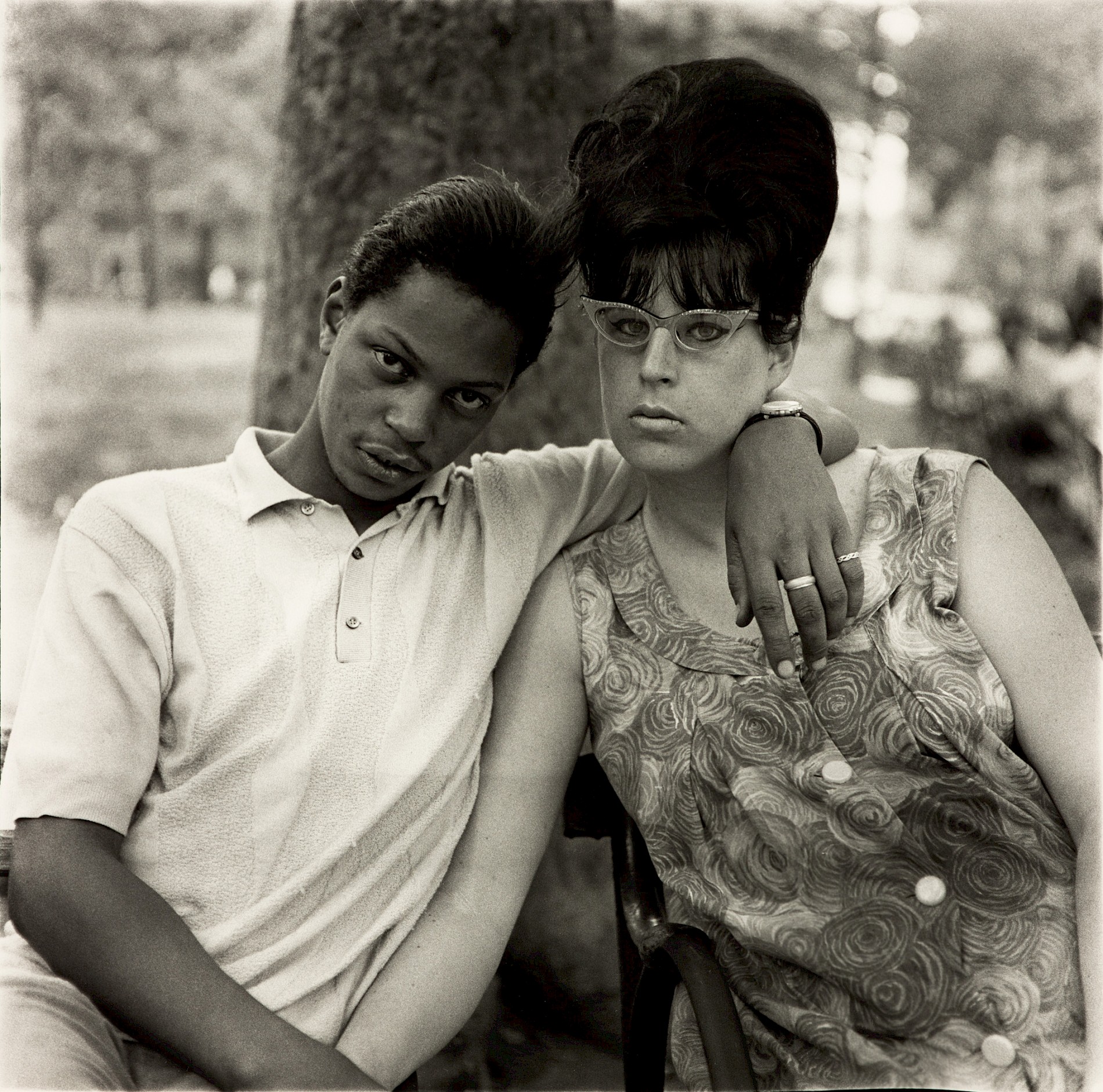
photograph "Young Man and his Pregnant Wife in Washington Square Park", NYC, 1965, © The Estate of Diane Arbus) via

Thursday, 16 September 2021

Disabled or Not, We Are All Interdependent.

“Another myth that is firmly upheld is that disabled people are dependent and non-disabled people are independent. No one is actually independent. This is a myth perpetuated by disablism and driven by capitalism - we are all actually interdependent


Chances are, disabled or not, you don’t grow all of your food. Chances are, you didn’t build the car, bike, wheelchair, subway, shoes, or bus that transports you. Chances are you didn’t construct your home. Chances are you didn’t sew your clothing (or make the fabric and thread used to sew it). The difference between the needs that many disabled people have and the needs of people who are not labelled as disabled is that non-disabled people have had their dependencies normalized. The world has been built to accommodate certain needs and call the people who need those things independent, while other needs are considered exceptional. Each of us relies on others every day. We all rely on one another for support, resources, and to meet our needs. We are all interdependent. This interdependence is not weakness; rather, it is a part of our humanity.”
- - - - - - - - -
photograph by Diane Arbus (flower girl at a wedding, 1964) via

Saturday, 28 December 2019

Photographing Freaks: Diane Arbus

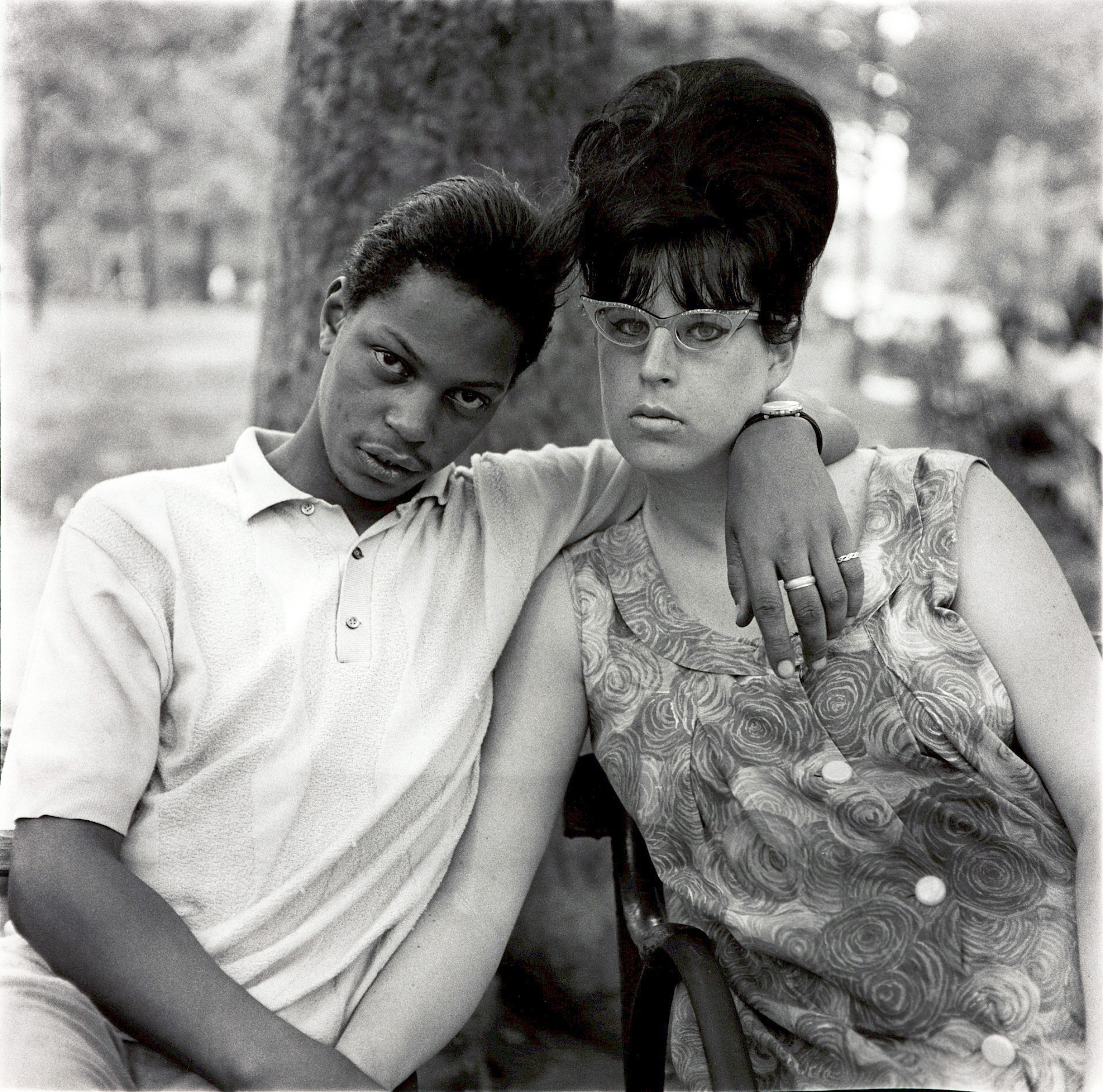
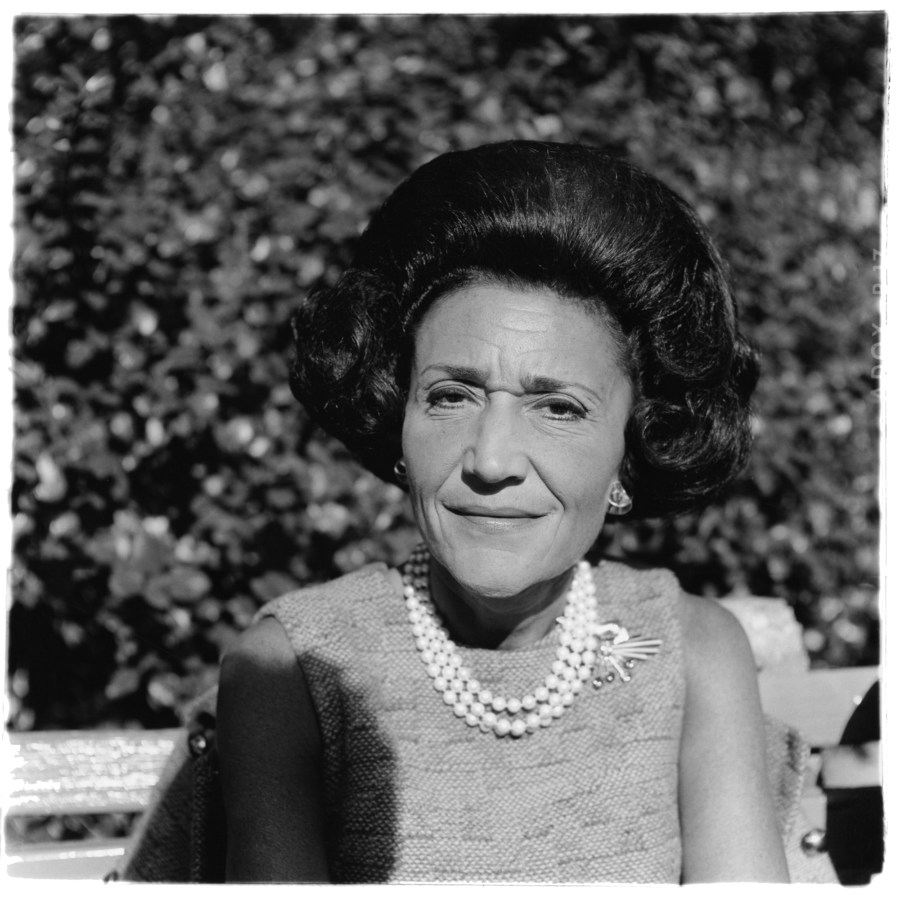
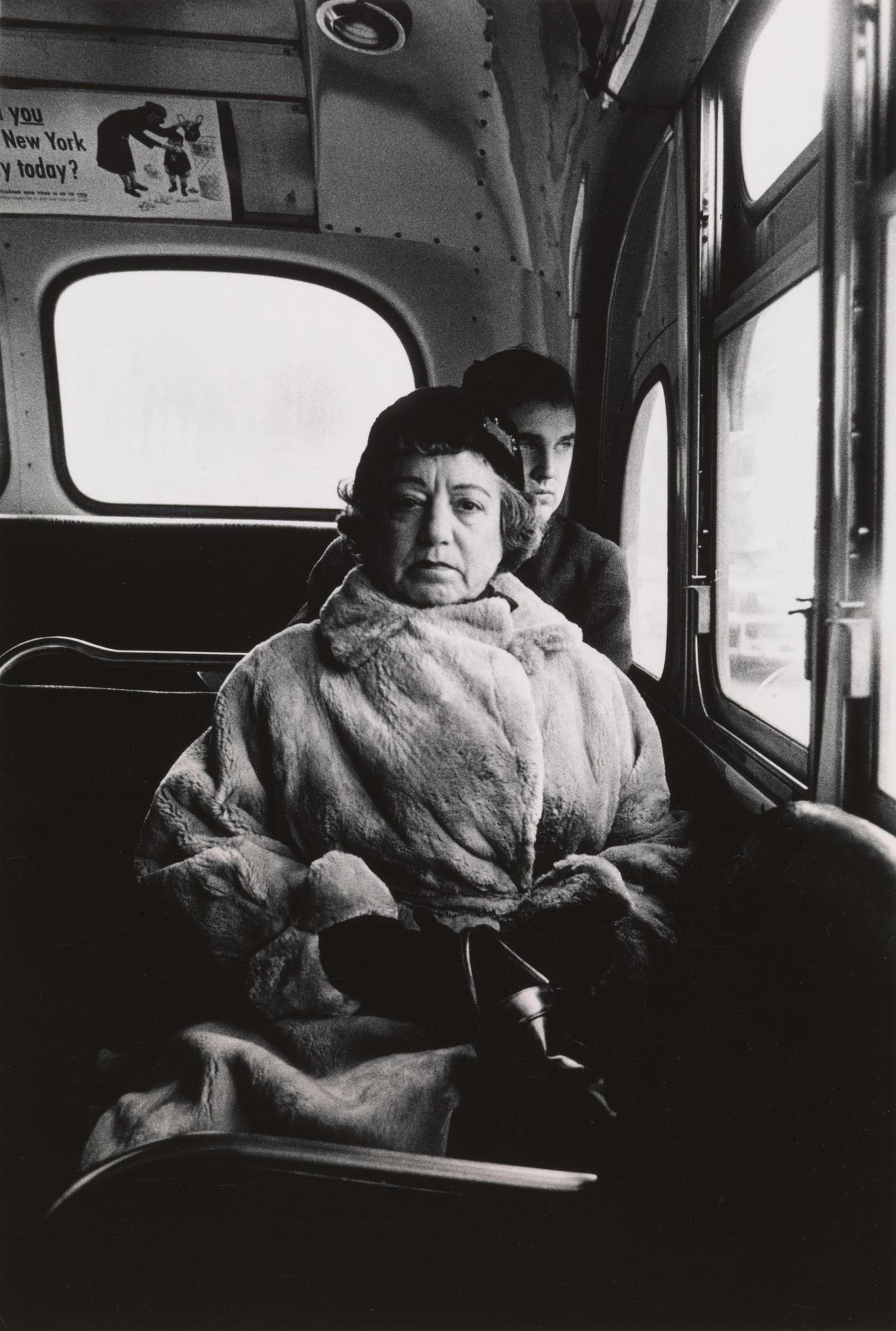
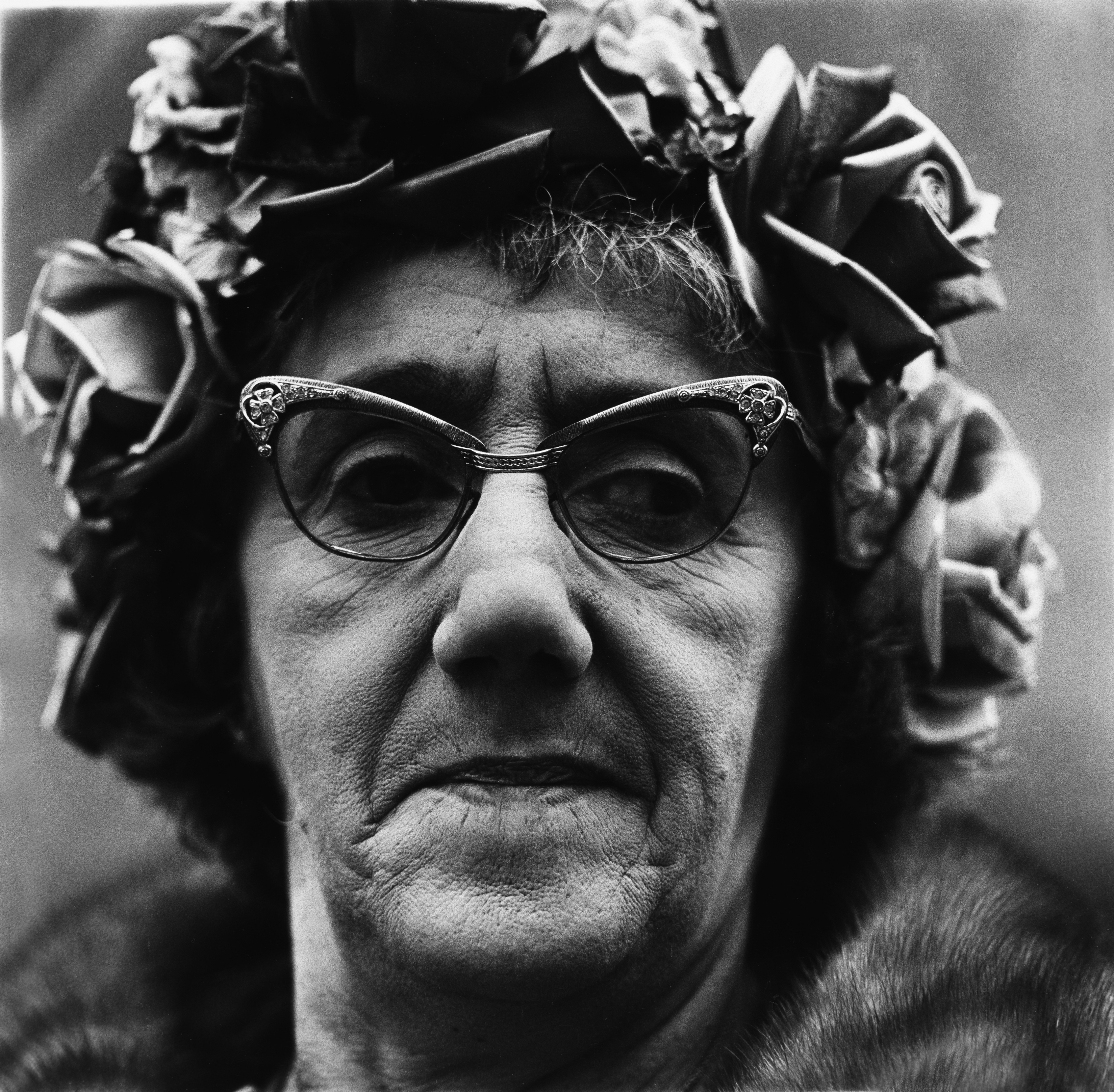
Diane Arbus (1923-1971) was a US-American photographer known for capturing "the grand mélange of humanity" (via), for photographing "people on the fringes of society" (via). Since she became famous, her gaze has been celebrated and criticised: sideshow performers, nudists, dwarfs, transgender sex workers were the subjects she felt drawn to.


"But Arbus’s images in “Untitled” are, at first glance, unsettling. Why did she choose to train her lens repeatedly on people who were so vulnerable? There’s baggage to the work, knowing that she often proclaimed her love for photographing “freaks”—a caustic word to use today, though Arbus seemed to do so with affection. Critic Susan Sontag famously railed against Arbus’s practice in her 1977 collection of essays, On Photography, saying her work was “based on distance, on privilege, on a feeling that what the viewer is asked to look at is really other.”
“Othering” is a term we are especially cautious about today. Arbus did come from privilege—she was the middle child in a well-to-do Manhattan family that earned its wealth from her grandfather’s luxury department store. “One of the things I felt I suffered from as a kid was I never felt adversity,” Arbus herself once said. She sought out people with unusual stories, and titled them as such: Mexican Dwarf in his Hotel Room, N.Y.C 1970, and A Jewish Giant at Home with his Parents, in the Bronx, N.Y., 1970. Even in her portraits of people who were not marginalized, such as her widely known picture of twin girls, Identical twins, Roselle, N.J. (1966), she emphasized their strangeness. (...)
It wasn’t until a 2003 retrospective of Arbus’s work that many of her images, letters, and journal entries were made public. They clarified that she was empathetic, not voyeuristic, a word that continues to trail her legacy. (...)
Though there is always a power hierarchy between photographer and subject—a photographer is seeking honesty and vulnerability when the camera is raised—there is a difference between a photographer who takes the shot and leaves, and one who stays. Arbus was one to stay, giving her time and respect, and building a rapport with the people she photographed. She met Eddie Carmel, the Jewish giant, a decade before she snapped the now-famous image of him and his parents; she was invited to celebrate the birthday of a prostitute whom she photographed in bed, in front of a cake. And, late in her life, she returned to the residences of “Untitled” again and again, taking portraits that suggested friendship and closeness between her and her subjects."
Jacqui Palumbo

- - - - - - -
photograph by Diane Arbus via