Showing posts with label Harlem. Show all posts

Monday, 26 March 2018

"Voodoo Macbeth". An All-Black Shakespeare Adaptation Directed by Orson Welles.

"It was a big political event. And there was a riot that night, the police were around because there was a big part of the black community that thought we were making fun of the blacks (...). The whole speech of Shakespeare was invented by the blacks (...) I brought none of the Shakespearean tradition to it."
Orson Welles


Orson Welles (1915-1985) was 20 years old when he made theatrical history directing the first black professional production of Shakespeare (McCloskey, 1985). The setting was moved from Scotland to the Caribbean and the witches were changed to Haitian witch doctors (via).
At a time, the U.S., including Hollywood, were segregated, an audience of 10.000 "flocked to Macbeth on its opening night on 14 April 1936" (via) to Harlem's Lafayette Theater where it debuted (via).
"The 150-strong cast were all black and the majority had little previous acting experience. The production was part of a government programme called the Federal Theatre Project which was aimed at boosting employment and opportunities during the depression. It gave black actors the opportunity to play ‘real’ acting roles rather than crude racial stereotypes.
However, Welles faced protests from within the black community who felt that he was making a mockery of his cast, whilst Shakespeare purists felt that it mocked threatre’s traditions. Ultimately both were proved wrong and Welles’ production was a resounding success with both black and white audiences."
BBC
"Once the play went up, self-appointed purists decried the all-black production as a mockery of Shakespeare and the institution of the theater itself. African-American actors were fine as entertainers, but were certainly not meant perform the classics. It “wasn’t Shakespeare at all,” wailed one critic, but rather “an experiment in Afro-American showmanship.”"
Kilson


- McCloskey, S. (1985). Shakespeare, Orson Welles, And the "Voodoo" Macbeth. Shakespeare Quarterly, 36(4), 406-416.
- images via and via

Saturday, 9 April 2016

Narrative images: Behind the scenes, a Harlem legend

During "Black History Month", The New York Times started the series "Unpublished Black History" revealing moments in black history with unpublished photographs from their archives. The oldest one in their series is "Behind the Scenes, a Harlem Legend" from 1946.

"A girl skips rope amid a crowd of children on a lazy summer afternoon. But what is most striking is the woman who was not captured by the camera’s lens."


"That woman was Zora Neale Hurston, the novelist and folklorist known as the Queen of the Harlem Renaissance, and she was helping to organize outdoor activities for the children. She had joined forces with a group of women who were trying to combat juvenile delinquency in the community, showing the world that black people were willing and able “to do things for themselves,” she said."

"This photograph never appeared in the newspaper; it was shot for an article about the program in Harlem and Ms. Hurston that ran on Page 14 without an image. But in the faces of those children, Ms. Hurston may well have seen something of herself." The New York Times

Zora Neale Hurston (1891-1960) was an anthropologist, folklorist, short story writer and novelist closely associated with the Harlem Renaissance.
"Sometimes, I feel discriminated against, but it does not make me angry. It merely astonishes me. How can any deny themselves the pleasure of my company? It's beyond me."  Zora Neale Hurston
- - - - - - - - - - - -
photograph (Fred Sass/The New York Times) and information (Swarns, Eveleigh & Cave) via The New York Times

Thursday, 30 April 2015

The -ism Series (21): Womanism

"Feminism, due to its inadequacies birthed womanism, an African-American variant. Womanism in turn purports to interpret Black female experiences globally."
Sotunsa Mobolanle Ebunoluwa (2009)


In 1983, Alice Walker introduced the word "womanism". Using the term "womanist" instead of "feminist" was a choice that was given much attention. By coining "womanism", Walker expressed a distance from feminism which was viewed as the "white women's movement" resulting in black women being reluctant to "embrace the feminist cause as their own" (Tally, n.d.). Womanists accuse feminism of being a separatist ideology that is based on the belief that women can achieve emancipation only by separating from men while womanists believe that "the emancipation of Black women folk cannot be achieved apart from the emancipation of the whole race (sic.)" (Ebunoluwa, 2009).


Feminism is criticised for not considering "the peculiarities of Black females" and for focusing on the needs of middle class white women in Britain and the U.S. The so-called peculiarities can lead to a triple oppression of Black women, i.e., the intersection of gender, ethnicity and class (Ebunoluwa, 2009).
In the key years in the history of feminism in the 19th century, feminism also showed racist tendencies. During the Civil Rights years in the 1960s, hostility between white and black women intensified (Tally, n.d.).


What distinguishes womanism from feminism is mostly the intersection of gender and ethnicity, the simultaneous experience of sexism and racism.
"(...) the impossibility of separating the two and the necessity of understanding the convergence of women's issues, race/nationalist issues, and class issues in women's consciousnesses. That understanding is in part hampered by the prevailing terminology: feminism places a priority on women; nationalism or race consciousness, a priority on race. It is the need to overcome the limitations of terminology that has led many black women to adopt the term womanist." (Barkley Brown, 1989)


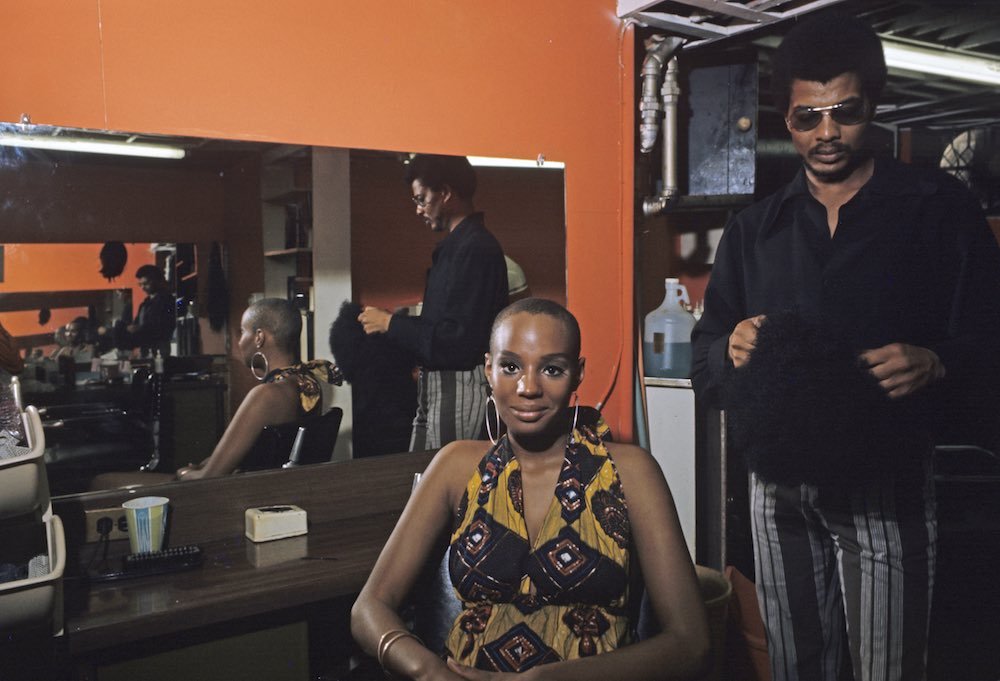
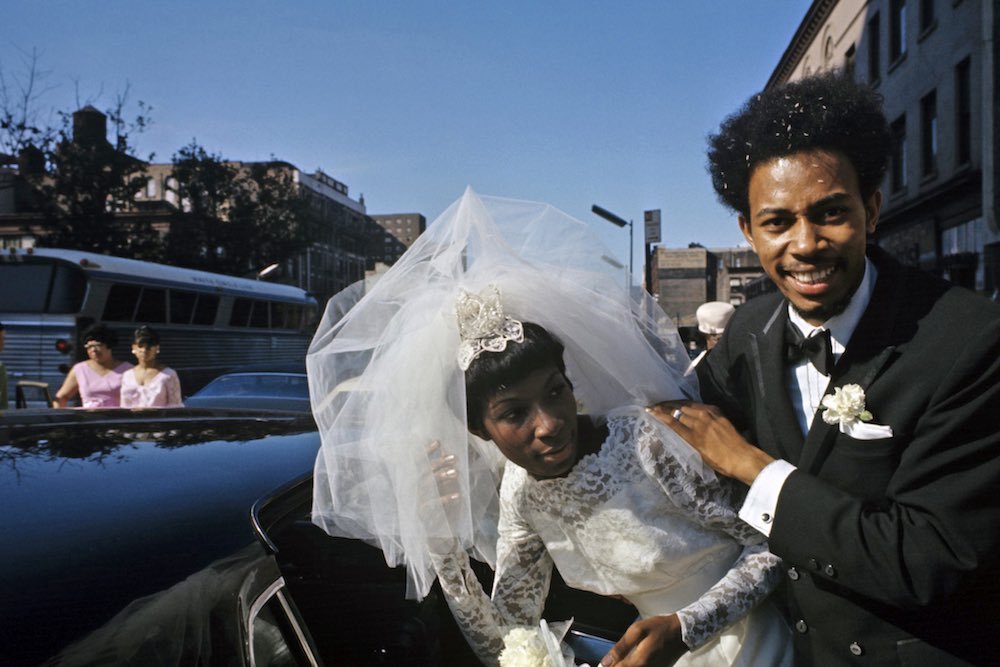
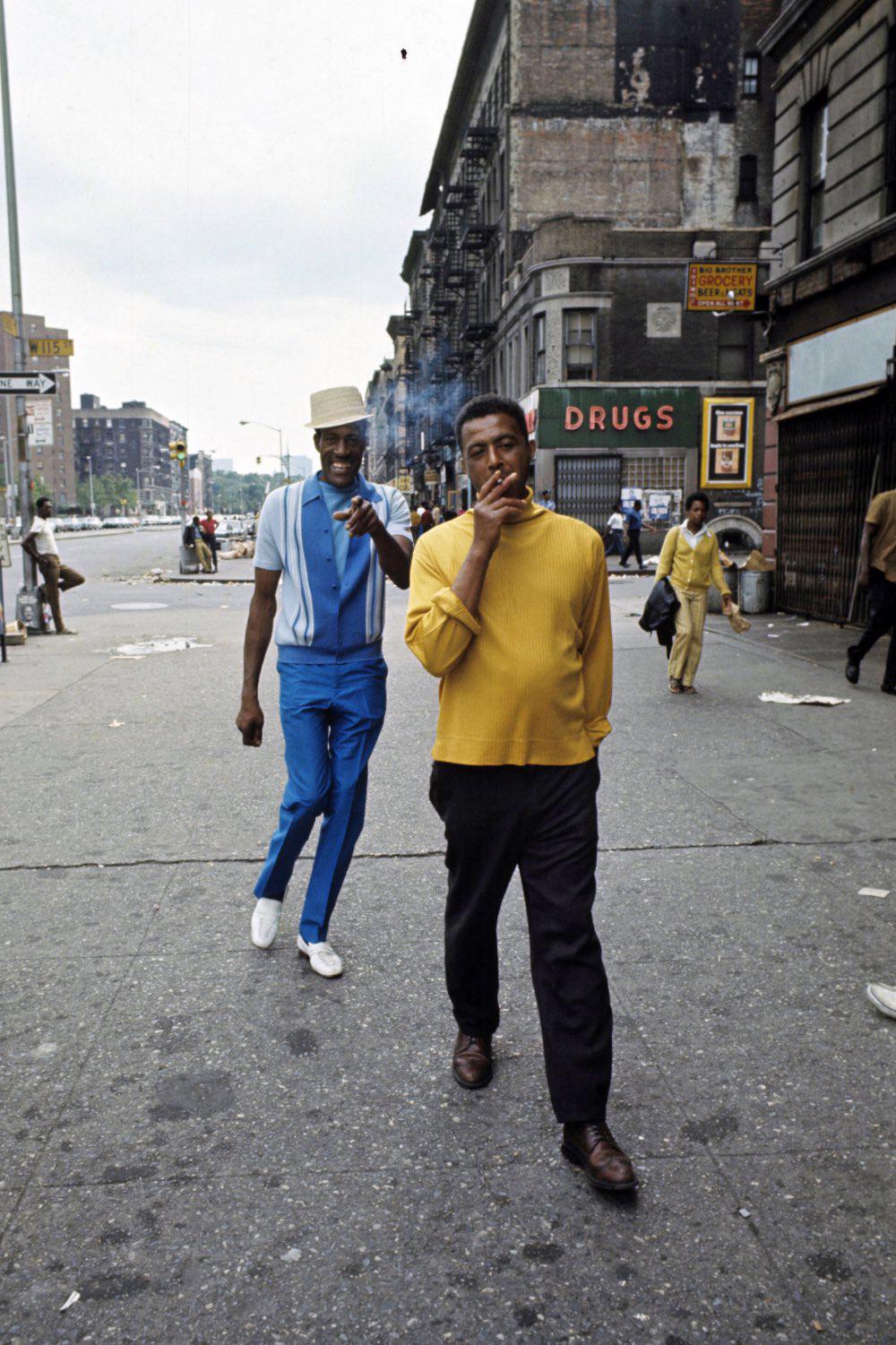
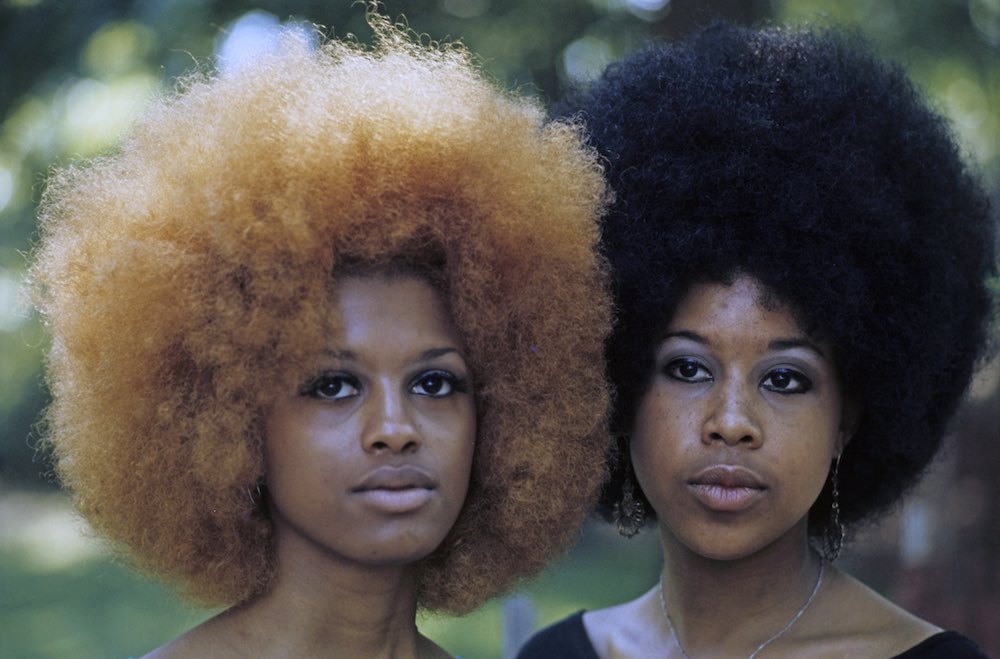
In summer 1970, Jack Garofalo (1923-2004) spent six weeks in Harlem to take photographs for the cover story for the October edition of the magazine "Paris Match". In the 1960s, many residents left Harlem and moved to Queens, Brooklyn and the Bronx.Those who could not afford leaving stayed in Harlem. Nevertheless, there was "something vital going on in Harlem in the '70s." (via).


- Barkley Brown, E. (1989). Womanis Consciousness: Maggie Lena Walker and the Independent Order of Saint Luke. Signs: Journal of Women in Culture and Society, 14(3), 610-633.
- Ebunoluwa, S. M. (2009). Feminism: The Quest for an African Variant. The Journal of Pan African Studies, 3(1), 227-234.
- Tally, J. (n.d.). Why "Womanism"? The Genesis of a New Word and What It Means. via
- photographs (Harlem in summer 1970) by Jack Garofalo (1923-2004) via and via and via and via and via and via and via and via and via and via and via and via and via and via and via and via

Thursday, 1 January 2015

Harlem Hopscotch

"She loved everything, from pop to country and, of course, hip-hop. With her dedication to social activism and how she illuminated the struggles and injustices of the urban experience through prose, there's a direct correlation to hip-hop today." "She was really excited about her street-wise commentary being presented in this way." 
Colin Johnson, Maya Angelou's grandson


One foot down, then hop! It's hot.
Good things for the ones that's got.
Another jump, now to the left.
Everybody for hisself.

In the air, now both feet down.
Since you black, don't stick around.
Food is gone, rent is due,
Curse and cry and then jump two.

All the peoples out of work,
Hold for three, now twist and jerk.
Cross the line, they count you out.
That's what hopping's all about.

Both feet flat, the game is done.
They think I lost, I think I won.


In 1969, the storyteller, poet, dancer, singer, autobiographer and civil rights activist with more than 50 honorary doctorate degrees Maya Angelou (1928-2014) published her poem "Harlem Hopscotch" (via). Hopscotch is driven by rhythm; the "twists and jerks" are a metaphor about the difficulties faced by black US-Americans (via). Before she passed away in May 2014, she worked on a project that blended her poetry with hip-hop music. Maya Angelou recited her poems, producers Shawn Rivera and RoccStarr focused on beats and instrumentals, Tabitha and Napoleon Dumo on choreography. The music video shows dancers in N.Y. and L.A. (via).

::: Maya Angelou's Harlem Hopscotch: watch


"When you read the poems on the page, they can be interpreted rhythmically by the reader." "But when Dr. Angelou reads them, there's no doubt that she was coming from the place of rhythm. ... You can tell the rhythms were implied already. She already was the first lady of hip-hop."
Shawn Rivera


photograph of girl playing hopscotch in Harlem, 105th street by Walter Rosenblum (1919-2006) taken in 1952 via, photograph of children playing chalk games in Brooklyn, taken by Arthur Leipzig (1918-2014) in 1950 via, of children in Ladbroke Grove via, of children playing hopscotch taken by Ralph Morse via, of girls playing via, photograph by Raymond Depardon via, of patrolman J. S. Davidson playing hopscotch, watched by patrolman T. D. McKnight, taken by Jim Shearin via, of Doris Day via

Monday, 27 October 2014

Follow Up: Harlem Renaissance

“The day of ‘aunties,’ ‘uncles,’ and ‘mammies’ is …gone. Uncle Tom and Sambo have passed on….” 
Alain Locke


Harlem and ideas related to African American culture and achievement were closely wedded together by the early 1920s. Though emancipation and the Civil War (1861-1865) had brought an end to slavery, African Americans continued to face widespread discrimination, particularly in the South. During the first half of the twentieth century, hundreds of thousands of Americans migrated to northern industrial and urban centers, in search of employment and better living conditions. Termed the “Great Migration,” this movement brought numerous African Americans to Harlem in Northern Manhattan. Harlem was originally a Dutch settlement that had been overdeveloped by real estate speculators at the turn of the twentieth century. The lack of readily available urban transportation discouraged residents from moving to some areas of Harlem. Sensing opportunity, African American real estate developer Philip A. Payton began purchasing properties and leasing them to tenants (literally via Harlem Renaissance Docent/Educator Resource Guide).


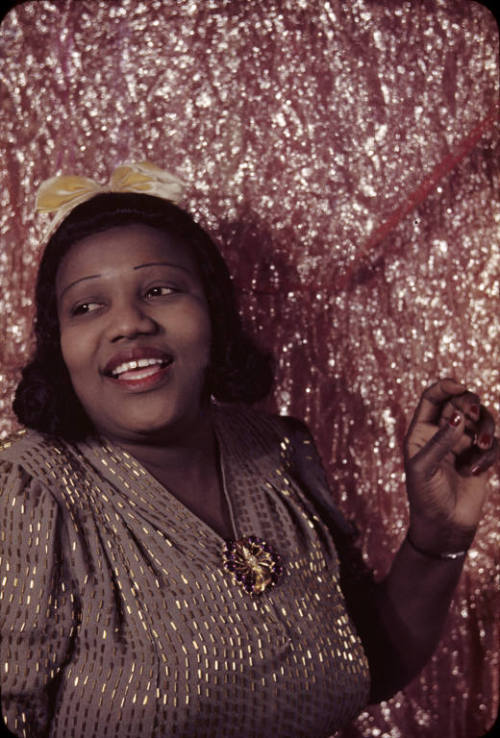
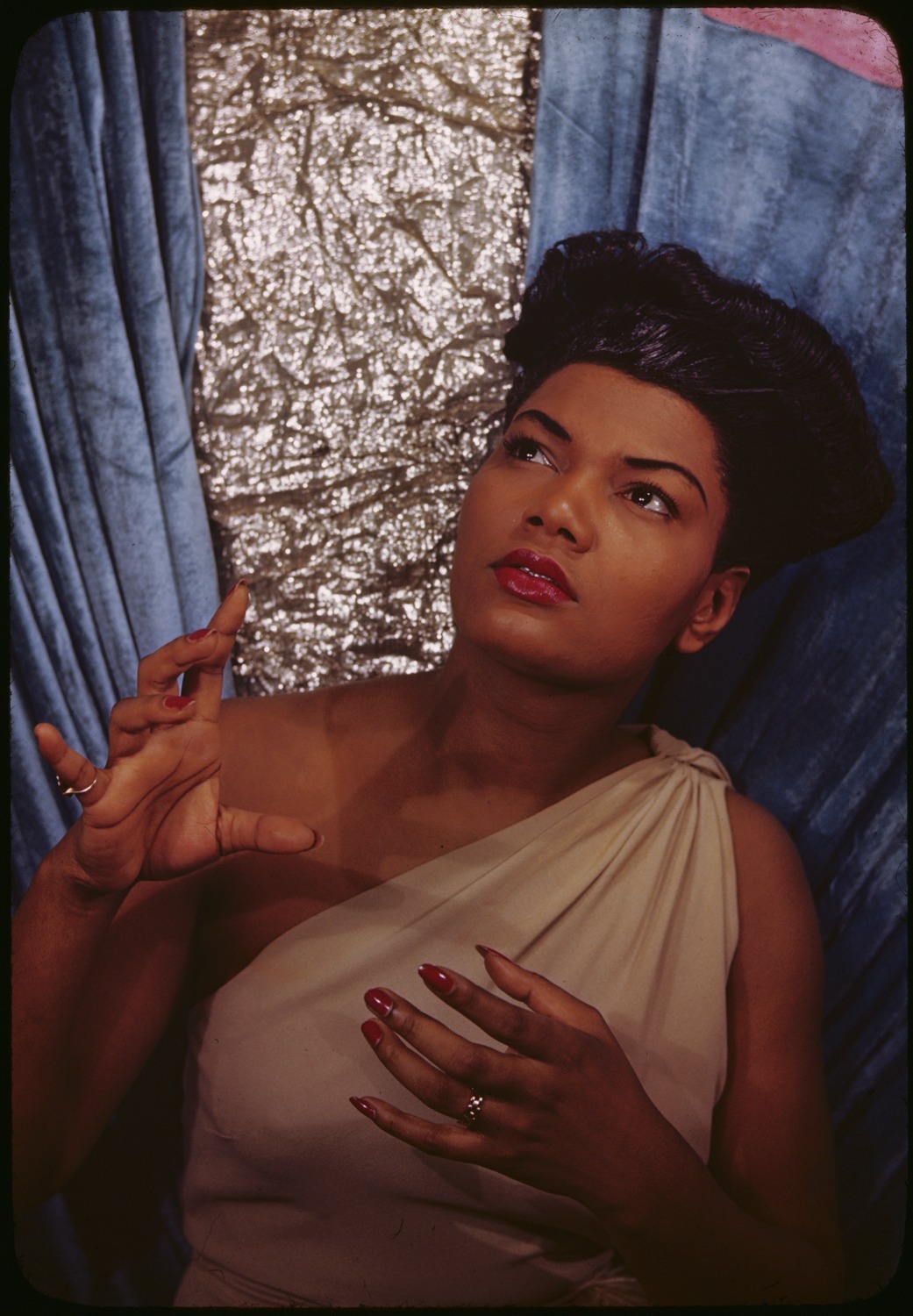
It was only a matter of time before African American businesses, churches, and other communal organizations moved to Harlem, forming a “Negro metropolis.” By the 1920s, Harlem became a symbol of pride and achievement, and also a place of opportunity and fantasy. Jazz, cabarets, and Prohibition-era speakeasies brought numerous whites to Harlem, many fascinated with African American culture and their notions of the “primitive” and “exotic.” White “patrons,” such as Carl Van Vechten, author, critic, and avid photographer, encouraged the “vogue” of Harlem (literally via Harlem Renaissance Docent/Educator Resource Guide).


Though it served as a creative stimulus of sorts, this external interest in Harlem represents only one aspect of the period; it is also the era of the “New Negro.” In use since the turn of the twentieth century, the term “New Negro” came to epitomize the quest for self-identity and desire to move beyond the stereotypes that remained from the era of slavery. Critics such as Alain Locke and W.E.B. Du Bois urged artists and writers throughout the United States to explore themes of African American life and culture and to look beyond caricature and stereotyping in their works. Artists were also encouraged to explore African art as a source of inspiration (literally via Harlem Renaissance Docent/Educator Resource Guide).


The cultural and artistic climate of the Harlem Renaissance also paved the way for later developments, such as AfriCobra and the Black Arts movement of the sixties, which prioritized an expression of the African American experience, African heritage, racial [sic] pride, and the black image (including slogans such as “Black is Beautiful”), as well as racial politics. The lasting legacy of the Harlem Renaissance lies in the continued interest in exploring, modernizing, and visualizing the African American experience, both contemporary and historical (literally via Harlem Renaissance Docent/Educator Resource Guide).


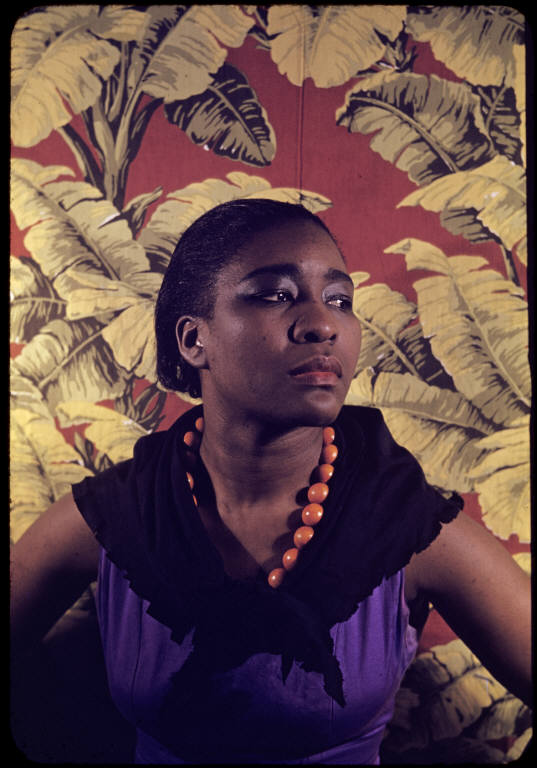
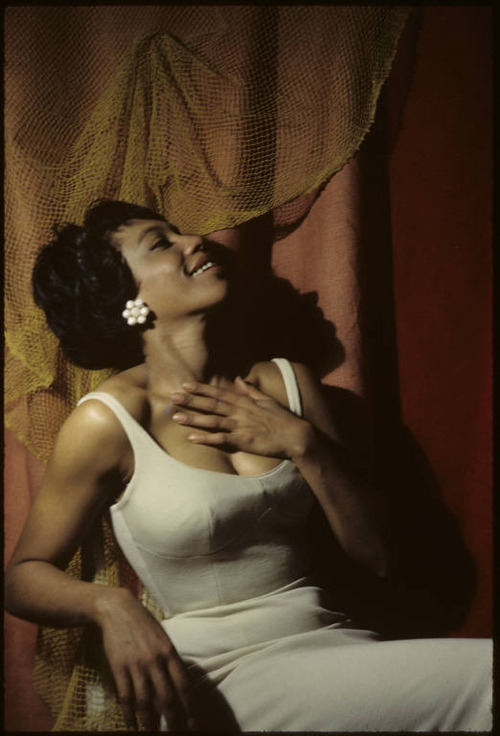
photos by Carl Van Vechten via and via and via and via and via and via and via and via and via and via and via and via and via and via and via and via and via and via and via and via and via and via and via and via and via and via and via and via and via and via and via and via and via and via and via and via and via and via and via and via and via and via and via and via and via; copyright by their respective owners