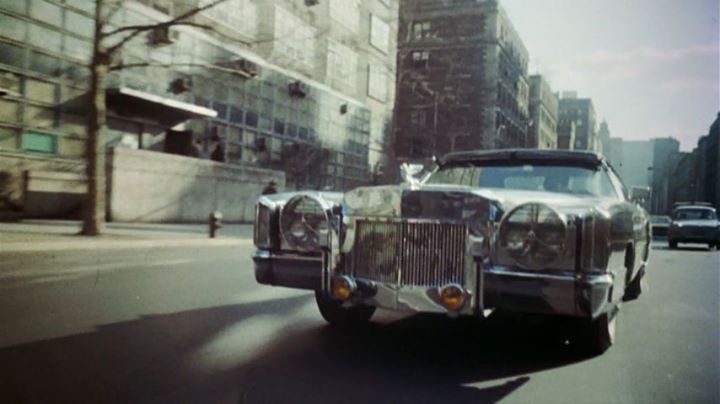
Roughly between 1969 and 1974, the first blaxploitation period, blaxploitation films were released showcasing new and powerful images to the black public. In order to understand the exploitation era it is crucial to understand the era that preceded it which was marked by turbulences, segregation, the struggle to change the circumstances, the murder of Martin Luther King and other leaders (Walker, 2009). The rising socio-political consciousness and the critical dissatisfaction with Hollywood's degradation of African Americans in films made this genre possible (Guerrero, 1993). The films employed black narratives and more black actors, directors and writers than any other period had before (Graham, 2003).

Blaxploitation was an attempt to reconstruct blackness in a positive mode. The films were meant to empower the black community. However, the urban, black hero fighting the system did not seem to substantially improve the images of blacks in society. The films were criticised for their simplicity, violence, reinforcement of stereotypes and limitation in women's roles (Graham, 2003). Black female identity, in particular, is discussed as invisible and neglected in both gender discourse and black histories (Wayne, 2009), female leads have been ignored in critical discussions of the genre (Kraszewski, 2002).
The criticism is not to be denied. But it was also blaxploitation that for the first time provided black heroes and icons. Walker (2009) comes to the conclusion: "The reality is that blaxploitation is neither positive nor negative; it simply is what it is."

Films such as
Sweet Sweetback's Baadasssss Song,
Shaft,
Super Fly,
Blacula,
Cleopatra Jones,
Coffy,
Foxy Brown,
Willie Dynamite,
Black Shampoo and
Dolemite (for a detailed list
see) are examples of blaxploitation films.

Gordon Park's
Shaft (1971) is probably one of the most popular blaxploitation films. As the film begins, the audience is presented with the image of Shaft for more than three minutes before the lyrics of Isaac Hayes' theme song begin (Graham, 2003).
::: Shaft opening (five minutes)
WATCH

- Graham, O. C. (2003) Brown Sugar and Spice: A Textual Analysis of the Intersection of Race and Gender in Blaxploitation Films. Athens: MA Thesis
- Guerrero, E. (1993) Framing Blackness: the African American Image in Film. Philadelphia: Temple University Press, 69-111
- Kraszewski, J. (2002) Recontextualizing the Historical Reception of Blaxploitation: Articulations of Class, Black Nationalism and Anxiety in the Genre's Advertisements. the Velvet Light Trap, 50, 48-61
- Walker, D. (2009) Introduction, in Walker, D., Rausch, A. J. & Watson, C. (eds.) Reflections on blaxploitation. Actors and directors speak. Lanham: Scarecrow Press, vii-x
- Wayne, C. (2009) "Baad Bitches" and Sassy Supermamas: Black Power Action Films. Review. Journal of International Women's Studies, 11(2), 239-242
- Images
via and
via and
via and
via







.jpg)